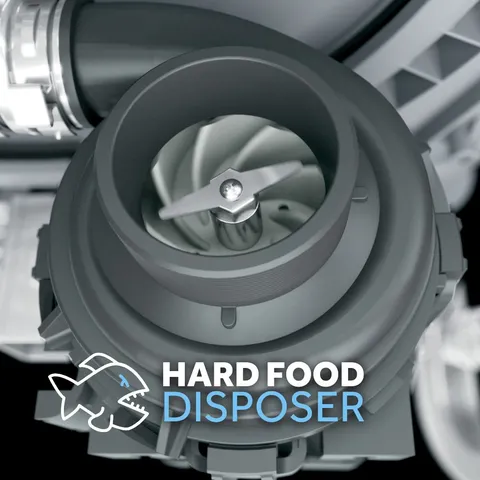
Imagine loading your dishwasher after a hearty meal, knowing you won’t have to rinse every single dish beforehand. Sounds like a dream, right?
That’s where the magic of a hard food disposer in a dishwasher comes into play. But what exactly is it, and why should you care? If you’re tired of spending extra time scraping off food remnants or dealing with clogged dishwasher drains, understanding this feature could be a game-changer for you.
You’ll discover how a hard food disposer can simplify your kitchen routine and enhance your appliance’s efficiency. Get ready to transform the way you think about dishwashing!
Hard Food Disposer Basics
A hard food disposer in a dishwasher helps break down tough food scraps. It prevents clogs and keeps your dishwasher running smoothly. Understanding its basics helps you maintain your appliance better.
Purpose And Function
The hard food disposer grinds leftover food into tiny pieces. This stops large debris from blocking dishwasher drains. It ensures cleaner dishes by removing stuck food. The disposer also reduces odors caused by trapped food waste.
Key Components
- Grinder:Breaks down hard food particles into small bits.
- Impeller:Moves water and food waste toward the drain.
- Motor:Powers the grinding and impeller actions.
- Drain:Carries away ground food with wastewater.
Credit: www.maytag.ca
How It Works
A hard food disposer in a dishwasher helps manage tough food scraps during washing. It breaks down solid bits to avoid clogs and keep the dishwasher running smoothly. Understanding how it works reveals why it is important for cleaning efficiency.
Grinding Mechanism
The grinding mechanism uses sharp blades or impellers. These parts rotate quickly to chop food particles into tiny pieces. This action prevents large chunks from blocking pipes or filters. The mechanism is powered by a small motor inside the dishwasher. It activates only during specific cleaning cycles to save energy.
Waste Disposal Process
After grinding, the tiny food pieces move through a drain system. Water flow carries the waste out of the dishwasher. The disposer sends the particles to the home’s plumbing or a waste container. This process stops leftover food from causing bad smells or damage. It ensures the dishwasher stays clean and effective for every wash.
Benefits Of Using A Hard Food Disposer
Using a hard food disposer in your dishwasher brings several benefits. It helps keep dishes cleaner and saves time on pre-rinsing. Food scraps break down efficiently, reducing mess and odors. These advantages make dishwashing easier and more effective.
Improved Cleaning Efficiency
Hard food disposers grind food particles into tiny pieces. This prevents residue from sticking to dishes. The dishwasher sprays water more freely. Results are cleaner dishes without extra scrubbing. You spend less time rinsing before loading.
Reduced Clogging
Food scraps get broken down before reaching pipes. This lowers the risk of blockages in drains. Plumbing stays clear longer, cutting repair needs. You avoid costly maintenance and slow drains. The dishwasher runs smoothly with fewer interruptions.
Environmental Impact
Disposers reduce the use of paper towels and wipes. Less waste goes to landfills, helping the planet. Water use stays efficient since less rinsing is needed. Energy consumption drops as dishwasher cycles shorten. This small change supports eco-friendly living.
Credit: www.thebrick.com
Installation And Compatibility
Installing a hard food disposer in a dishwasher requires attention to compatibility and proper setup. Not all dishwasher models support this feature. Knowing which models work well with hard food disposers helps avoid installation issues.
Installation involves a few key steps to ensure the disposer fits and functions correctly. Proper alignment, secure connections, and testing are crucial for smooth operation.
Dishwasher Models That Support It
- High-end models often include hard food disposer compatibility.
- Many mid-range dishwashers offer optional disposer add-ons.
- Built-in disposers are common in brands focusing on kitchen efficiency.
- Older dishwashers may lack the plumbing or power connections needed.
- Check the user manual or manufacturer website for compatibility details.
Installation Steps
- Turn off power and water supply before starting.
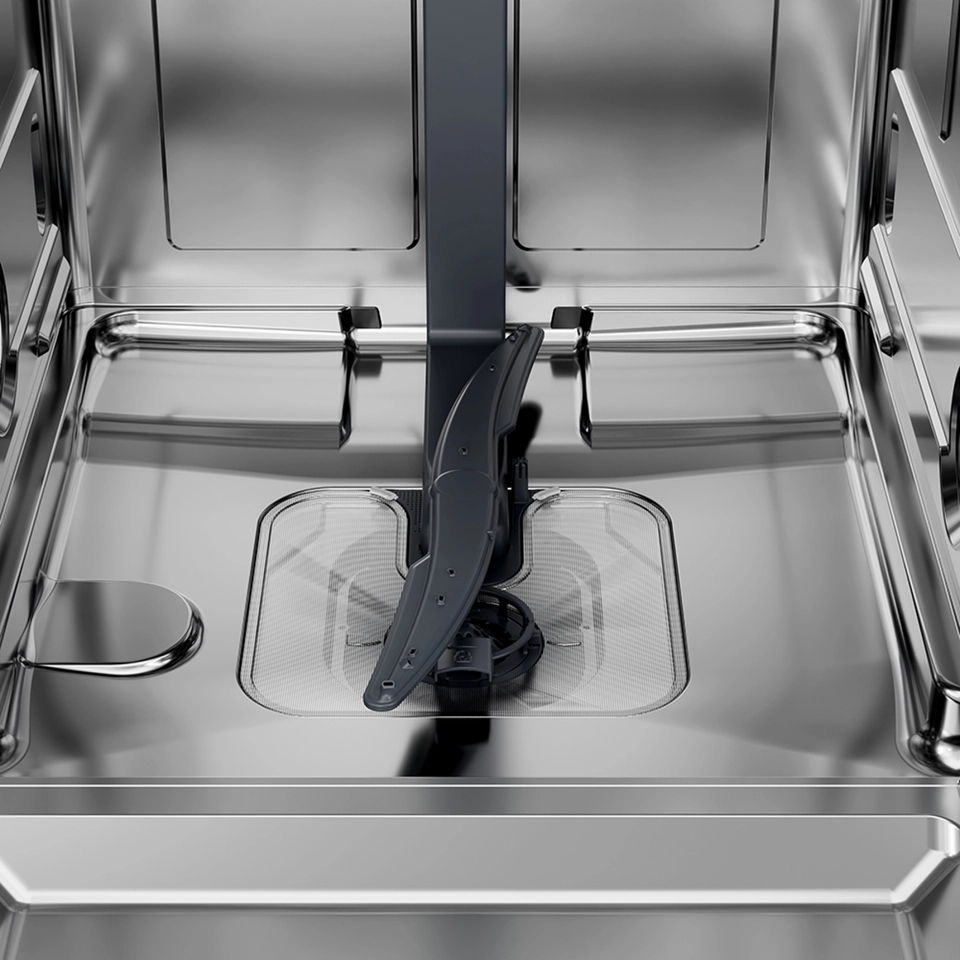
- Remove the dishwasher’s existing filter or food trap.
- Attach the disposer unit to the dishwasher’s drain outlet.
- Connect the disposer to the plumbing system securely.
- Ensure electrical wiring matches the disposer’s power needs.
- Test the dishwasher to confirm the disposer works without leaks.
Maintenance Tips
Keeping your hard food disposer in the dishwasher well-maintained can extend its life and keep it working efficiently. Simple habits and quick checks can prevent bigger problems down the line. Let’s look at some practical ways to care for your disposer.
Regular Cleaning
Dirt and food particles can build up inside the disposer, causing unpleasant smells and poor performance. Cleaning it regularly helps keep it fresh and free of clogs.
- Run hot water through the disposer after each dishwasher cycle to wash away leftover debris.
- Use a mixture of baking soda and vinegar once a week to break down grease and eliminate odors.
- Gently scrub accessible parts with a soft brush to remove stuck-on food bits.
I once skipped cleaning for a month and noticed a foul smell. A quick vinegar rinse fixed it immediately. That experience taught me how easy maintenance can prevent discomfort.
Troubleshooting Common Issues
If your disposer stops working or makes strange noises, don’t panic. Many problems have simple solutions you can try before calling a professional.
- Check for blockages by removing visible debris with care—never put your hand inside.
- Reset the disposer using the reset button, usually found on the bottom of the unit.
- Listen for humming sounds, which might mean a jammed impeller; use a wooden spoon to gently turn the blades.
Have you ever wondered why your disposer suddenly stops? Sometimes, a quick reset or clearing a jam is all it takes. Don’t ignore small issues—they often signal an easy fix.
Common Problems And Solutions
Hard food disposers in dishwashers make cleaning easier by grinding leftover food particles before washing. However, like any appliance, they can face issues that disrupt their function. Understanding common problems and their solutions helps you maintain your disposer and avoid costly repairs.
Noise Issues
Unusual noises from your hard food disposer often signal something is wrong. Grinding sounds louder than usual might mean a foreign object, like a small bone or piece of glass, is stuck inside.
To fix this, always unplug the dishwasher first. Then, carefully check the disposer chamber for debris using a flashlight and remove any visible objects with tongs or pliers. Avoid using your hands to prevent injury.
If the noise continues, the motor or blades could be worn out. At this point, consulting a professional or replacing the unit might be necessary.
Blockages
Blockages occur when food particles don’t flow properly through the disposer, causing water to back up or the dishwasher to drain slowly. Grease and fibrous materials like celery or corn husks are common culprits.
You can prevent blockages by scraping large food scraps into the trash before loading dishes. If a blockage happens, try running hot water while operating the disposer to flush out debris.
For stubborn clogs, use a plunger or remove and clean the dishwasher drain filter. Regular maintenance, like monthly cleaning with baking soda and vinegar, also helps keep blockages at bay.
Malfunctioning Parts
Parts such as the motor, blades, or seals can wear out or break over time, causing the disposer to stop working or leak. You might notice the disposer fails to start or water pools under the dishwasher.
Inspect the unit for visible damage or leaks and test the electrical connections. Replacing faulty parts like a worn motor or seals usually restores function.
Do you know the age of your dishwasher? Older models often need more frequent part replacements. Staying ahead by checking parts regularly can save you headaches later.
Alternatives To Hard Food Disposers
Alternatives to hard food disposers offer various ways to handle food waste in dishwashers. These options can suit different kitchen setups and personal preferences. Choosing the right method can help maintain your dishwasher’s performance and reduce plumbing issues.
Manual Filtering Systems
Manual filtering systems require removing food scraps before washing. Most dishwashers come with a built-in filter that catches debris. Users must clean this filter regularly to avoid clogs and odors.
These systems rely on users to rinse plates and utensils well. Food particles stay trapped in the filter during the wash cycle. Afterward, removing and cleaning the filter keeps the dishwasher efficient.
This method saves on installation and maintenance costs. It also prevents large food pieces from entering pipes. Manual filtering is simple and effective for many households.
Other Waste Disposal Methods
Other waste disposal methods include composting and trash disposal. Composting food scraps reduces landfill waste and creates nutrient-rich soil. It works well for vegetable peels and small leftovers.
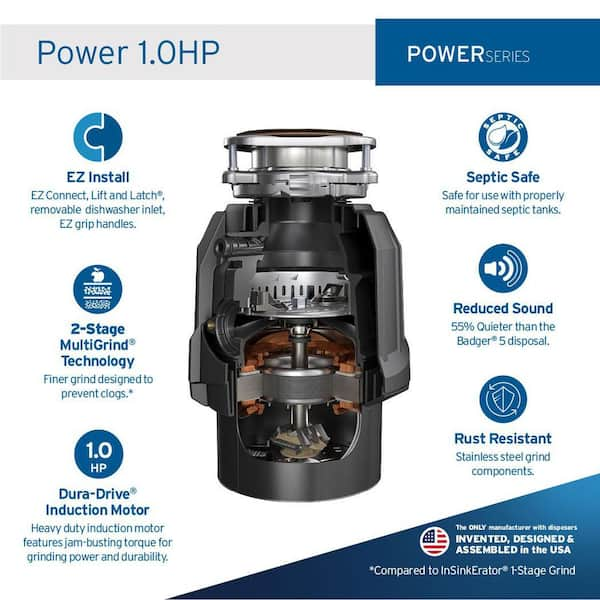
Some kitchens use separate bins for food waste collection. These bins are emptied regularly to keep the area clean. Another option is using garbage disposals installed under the sink.
Garbage disposals grind food waste, sending it down the drain safely. They require proper maintenance to prevent odors and blockages. Each method suits different needs and kitchen layouts.
Credit: www.homedepot.com
Frequently Asked Questions
What Is A Hard Food Disposer In A Dishwasher?
A hard food disposer is a built-in device that grinds and breaks down food particles. It helps prevent clogs and improves dishwasher cleaning efficiency by disposing of leftover food during washing cycles.
How Does A Hard Food Disposer Work In Dishwashers?
The disposer uses a spinning blade to shred food debris into tiny particles. These small pieces are flushed away with water, keeping the dishwasher drain clear and maintaining proper water flow during the cleaning process.
Are Hard Food Disposers Safe For All Dishwasher Types?
Most modern dishwashers with disposers are designed to handle hard food waste safely. However, it’s essential to check your model’s manual to confirm compatibility and follow manufacturer guidelines for best performance.
Does A Hard Food Disposer Reduce Dishwasher Odors?
Yes, by grinding food waste and flushing it out, disposers help minimize odor buildup. They prevent leftover food from decaying inside the dishwasher, keeping it fresher and cleaner between uses.
Conclusion
A hard food disposer in a dishwasher helps break down tough food bits. It stops clogs and keeps your dishwasher clean. This device saves time by reducing pre-rinsing dishes. It also helps your dishwasher work better and last longer. Knowing how it works can make dishwashing easier.
Choosing a dishwasher with a disposer can improve kitchen chores. Small but useful, it plays a key role in cleaning. Simple, smart, and effective for everyday dish care.