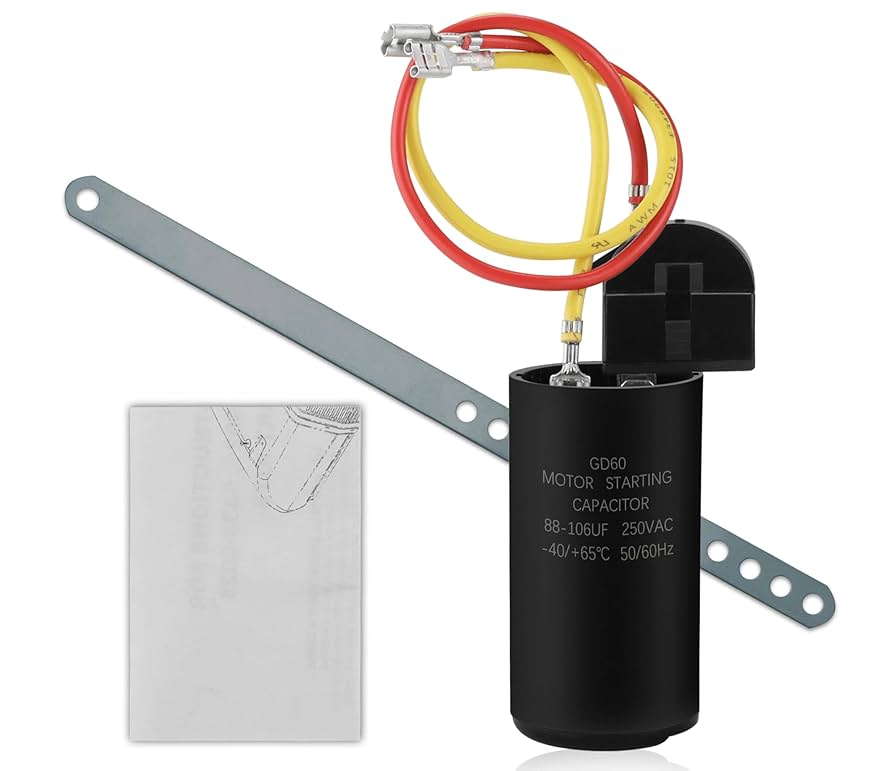
Have you ever noticed your air conditioner struggling to start, or heard it make loud noises when it kicks on? That’s where a hard start kit comes in.
If you want your AC to run smoother and save energy, understanding what a hard start kit is can make a big difference. You’ll discover how this simple device can protect your unit, lower your electricity bills, and extend the life of your air conditioner.
Keep reading to find out why adding a hard start kit might be the best upgrade for your cooling system.

Credit: www.amazon.com
Hard Start Kit Basics
A hard start kit helps your air conditioner start smoothly. It reduces the strain on the compressor. This can extend the life of your AC unit.
Many older or large air conditioners struggle to start. A hard start kit gives an extra boost to the motor. This makes starting easier and more efficient.
Purpose Of A Hard Start Kit
The main goal of a hard start kit is to lower the starting power needed. It helps the compressor run without getting stuck. This can reduce electrical problems and wear on the motor parts.
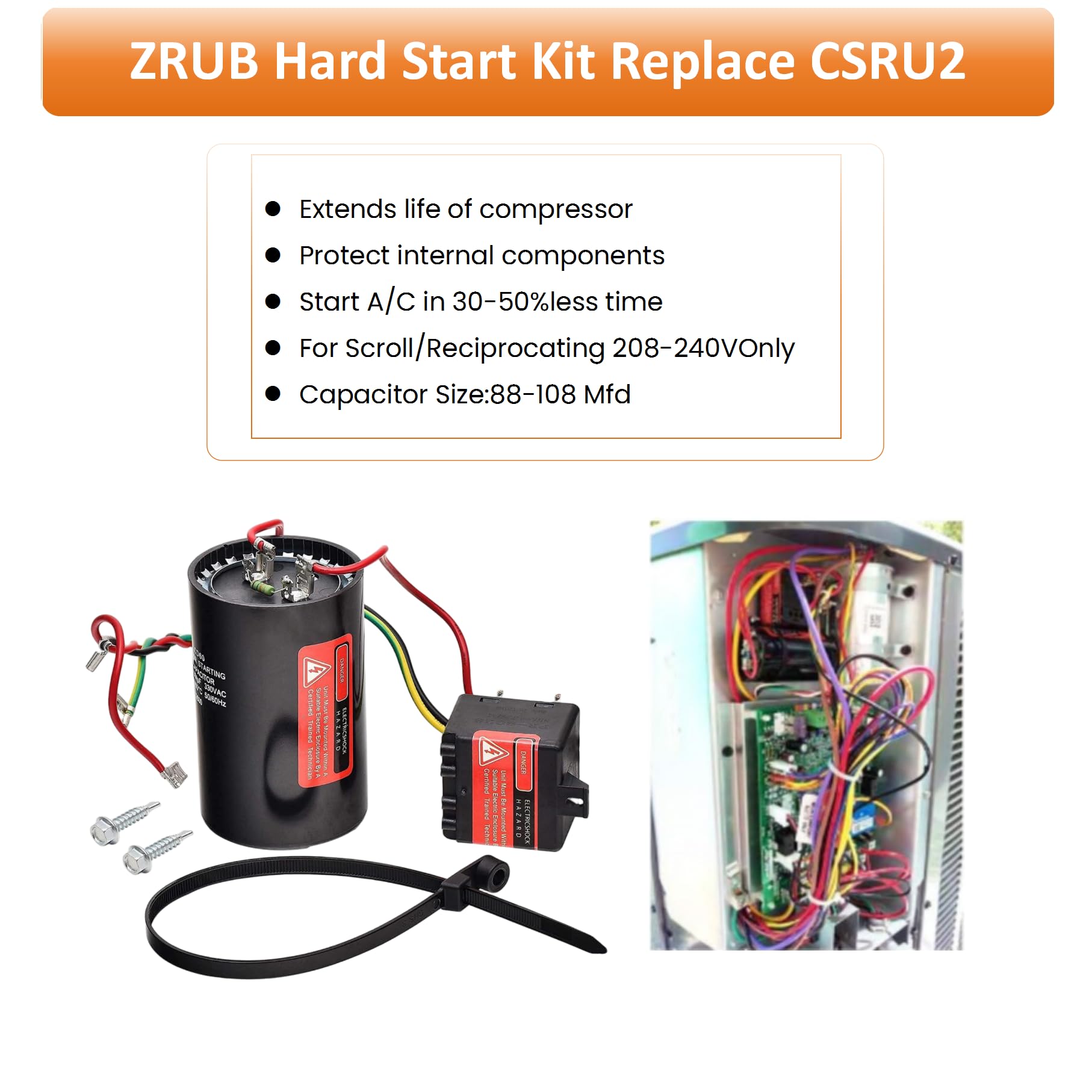
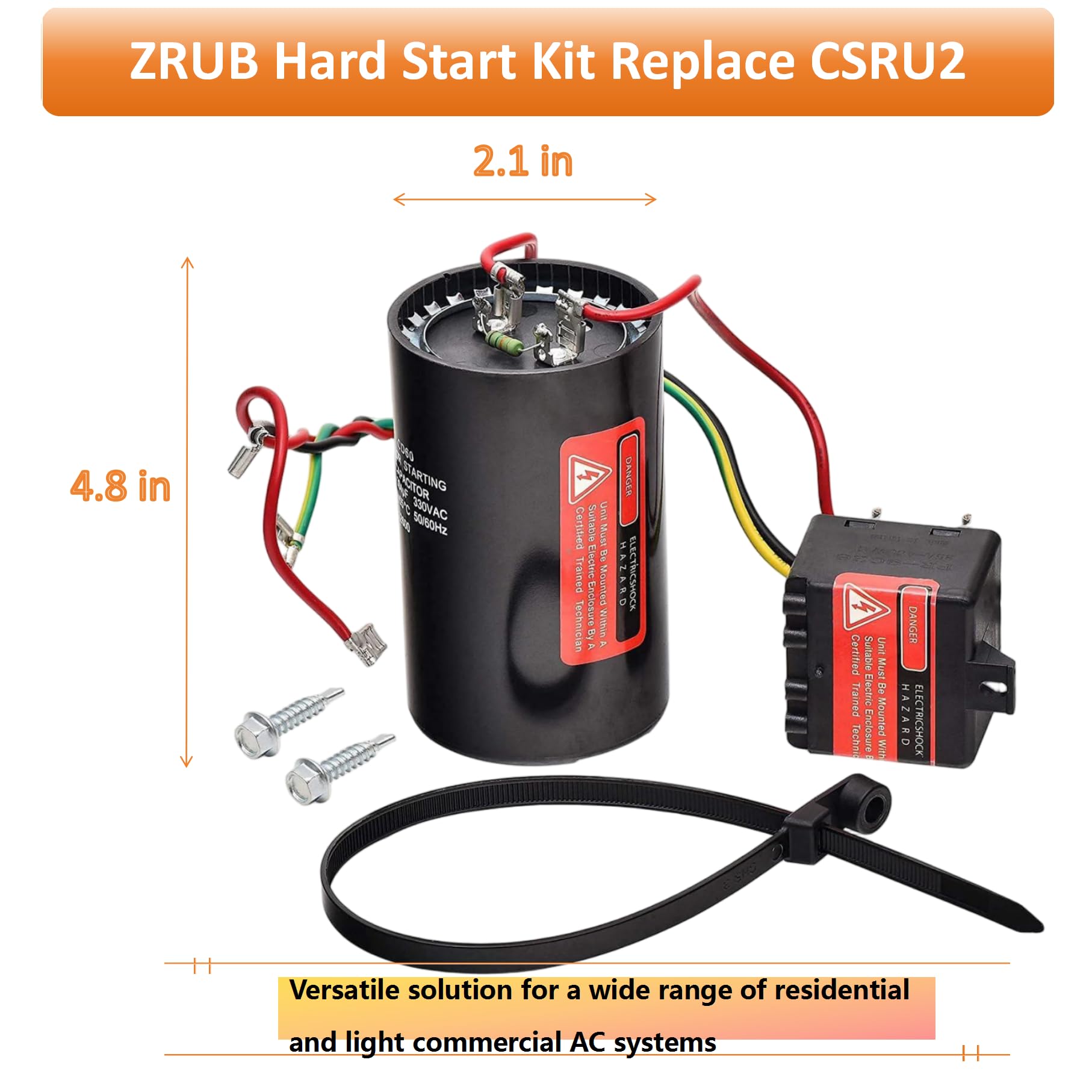
Components Included
- Start capacitor – stores electrical energy to help start the motor
- Potential relay – switches the start capacitor in and out at the right time
- Hard start kit wiring – connects the parts to the AC motor
How It Works
| Step | Action | Effect |
|---|---|---|
| 1 | Power flows to the start capacitor | Stores energy needed to start the motor |
| 2 | Potential relay detects motor speed | Connects or disconnects start capacitor at the right time |
| 3 | Compressor motor receives extra torque | Starts smoothly with less strain |
| 4 | Relay disconnects capacitor after start | Motor runs normally without extra load |
Benefits For Air Conditioners
A hard start kit helps air conditioners start more easily. It adds power to the compressor at startup.
This kit makes the air conditioner work better and last longer. It also helps save energy.
Improved Starting Efficiency
A hard start kit gives the compressor extra boost at startup. This helps the air conditioner start quickly.
With better starting efficiency, the air conditioner runs smoothly without delay or struggle.
Reduced Compressor Stress
The kit lowers the load on the compressor when it starts. This reduces wear and tear on the parts.
Less stress means the compressor lasts longer and needs fewer repairs over time.
Energy Savings
By helping the compressor start faster, the hard start kit saves electricity. The air conditioner uses less power.
Lower energy use means lower electric bills and less impact on the environment.
Types Of Hard Start Kits
A hard start kit helps an air conditioner start its compressor motor. It gives extra power to make starting easier. Different types of hard start kits work in various ways to support the motor.
Understanding the types of hard start kits can help you choose the right one for your air conditioner. Here are the main types used today.
Capacitor-based Kits
Capacitor-based kits use a special capacitor to give a boost to the motor during startup. The capacitor stores electrical energy and releases it quickly to help the motor begin running. This reduces the load on the compressor.
These kits are popular because they are simple and effective. They also help protect the compressor from damage caused by hard starts.
Relay-based Kits
Relay-based kits use an electrical relay to switch extra power to the motor at startup. The relay controls when the boost is applied and then disconnects it once the motor runs smoothly.
- Relay controls power flow efficiently
- Boosts motor only during startup
- Protects motor from high current
- Can extend compressor life
Hybrid Designs
Hybrid hard start kits combine features from capacitor and relay kits. They use both components to provide a strong and controlled start for the motor.
| Feature | Capacitor-Based | Relay-Based | Hybrid |
| Uses capacitor | Yes | No | Yes |
| Uses relay | No | Yes | Yes |
| Power boost control | Fixed | Timed switch | Timed switch with energy storage |
| Best for | Basic motor help | Controlled startup | Strong and safe startup |
Installation Process
Installing a hard start kit for an air conditioner helps the compressor start smoothly. This guide explains the tools and steps needed. Follow safety tips to avoid accidents.
Tools Required
You will need some basic tools to install the hard start kit. Having the right tools makes the job easier and faster.
- Screwdriver (flathead and Phillips)
- Wire strippers
- Electrical tape
- Multimeter for voltage testing
- Wrench or socket set
- Safety gloves
Step-by-step Guide
Follow these steps carefully to install the hard start kit properly. Take your time and check each connection.
- Turn off the main power to the air conditioner at the breaker.
- Remove the access panel to reach the capacitor and compressor.
- Use a multimeter to ensure no power is present.
- Disconnect the capacitor wires carefully.
- Attach the hard start kit leads to the capacitor terminals following the kit instructions.
- Secure all wires with electrical tape or wire nuts.
- Replace the access panel and restore power at the breaker.
- Test the air conditioner to see if it starts smoothly.
Safety Precautions
Working with electrical components can be dangerous. Follow these safety rules to protect yourself and your equipment.
| Precaution | Reason |
| Turn off power before starting | Prevents electric shock |
| Wear insulated gloves | Protects hands from injury |
| Use proper tools | Avoids damage to parts |
| Check connections twice | Ensures safe and correct wiring |
| Keep work area dry | Reduces risk of electric hazards |
Troubleshooting Common Issues
A Hard Start Kit helps your air conditioner start more easily. Sometimes problems can still happen. Troubleshooting these issues saves time and money.
Below are common problems and ways to fix them. Understanding these issues helps keep your AC running well.
No Start Problems
If your air conditioner does not start, the hard start kit may be the cause. Check the wiring connections first. Loose or damaged wires can stop the AC from turning on.
- Verify the kit is connected to the compressor terminals.
- Inspect for any burnt or broken wires.
- Test the capacitor as it works with the hard start kit.
- Replace the kit if it shows physical damage or wear.
Electrical Noise
Electrical noise like buzzing or clicking can come from the hard start kit. This noise may mean a problem with the electrical parts or connections.
| Noise Type | Possible Cause | Fix |
| Buzzing | Loose wiring or bad capacitor | Tighten wires, test or replace capacitor |
| Clicking | Relay or start kit failure | Replace relay or hard start kit |
| Humming | Weak motor start or capacitor | Check motor and capacitor health |
Component Failures
Parts inside the hard start kit can fail over time. Capacitors, relays, and start assist devices wear out. Signs include no start, noise, or overheating.
Check these common components:
- Start capacitor – stores electrical energy to help start the motor
- Relay – switches power to the compressor motor
- PTC thermistor – protects the motor from overheating
Replace any part that looks damaged or does not test correctly with a multimeter.
Credit: www.amazon.com
When To Consider A Hard Start Kit
A hard start kit helps your air conditioner start more easily. It adds extra power to the compressor during startup. This can fix issues with weak starts.
Knowing when to use a hard start kit can save money and prevent damage. It is useful in certain situations to improve your AC’s performance.
Signs Your Ac Needs Help
If your AC struggles to start or makes loud noises, it might need a hard start kit. Other signs include frequent tripping of breakers and slow cooling.
- The AC takes too long to start
- Breaker trips when AC turns on
- Loud humming or clicking sounds
- AC does not cool well at first
- Compressor overheats or shuts off
Cost Vs. Benefit Analysis
Hard start kits are usually affordable and easy to install. They can reduce energy costs and extend the life of your AC unit.
Consider the cost of repair or replacement if your AC fails. A hard start kit can be a cheaper fix to avoid bigger expenses.
- Hard start kit cost is low
- Installation often simple and quick
- May lower energy use during startup
- Can prevent expensive compressor repairs
- Improves AC reliability and lifespan
Compatibility With Different Models
Not all air conditioners need or work with hard start kits. Check your AC model and compressor type before buying.
Most kits work with single-phase AC compressors. Some brands may require specific kits. Always read the product details carefully.
- Compatible with single-phase compressors
- May not work with three-phase units
- Check brand and model requirements
- Consult an HVAC technician if unsure
- Use correct kit for your AC’s voltage
Credit: www.amazon.com
Frequently Asked Questions
What Is A Hard Start Kit For Air Conditioners?
A hard start kit helps your AC compressor start smoothly. It reduces the initial power surge and stress on the motor. This improves efficiency and extends the unit’s lifespan.
How Does A Hard Start Kit Improve Ac Performance?
It provides extra torque to the compressor motor during startup. This reduces strain and prevents frequent tripping of circuit breakers. The result is faster, more reliable cooling.
When Should I Install A Hard Start Kit?
Install one if your AC struggles to start or trips breakers. It’s also useful for older units or those in hot climates. It enhances startup reliability and energy efficiency.
Can A Hard Start Kit Save Energy On Ac Units?
Yes, by reducing startup current, it lowers electricity spikes. This can slightly decrease energy consumption over time. It also helps maintain consistent cooling, improving overall efficiency.
Conclusion
A hard start kit helps your air conditioner start smoothly. It reduces the strain on the motor and saves energy. This can extend the life of your AC unit. Installing one can prevent frequent breakdowns and costly repairs. It is a simple, smart choice for better cooling.
Keep your air conditioner running strong with a hard start kit. Simple, effective, and worth considering for any home.