
Are you wondering how to keep your home fresh and comfortable without wasting energy? A Heat Recovery Ventilation (HRV) system might be the solution you need.
It helps bring in fresh air while saving the heat from the stale air you’re letting out. Imagine breathing cleaner air and lowering your energy bills at the same time. Curious to know how it works and if it’s right for your home?
Keep reading to discover everything you need to know about Heat Recovery Ventilation systems.
Credit: bossplumbingltd.com
Heat Recovery Ventilation Basics
Heat Recovery Ventilation (HRV) systems help keep fresh air in buildings. They save energy by reusing heat from the air going out.
HRV systems improve indoor air quality and reduce heating costs. They are common in homes and offices with tight insulation.
Core Components
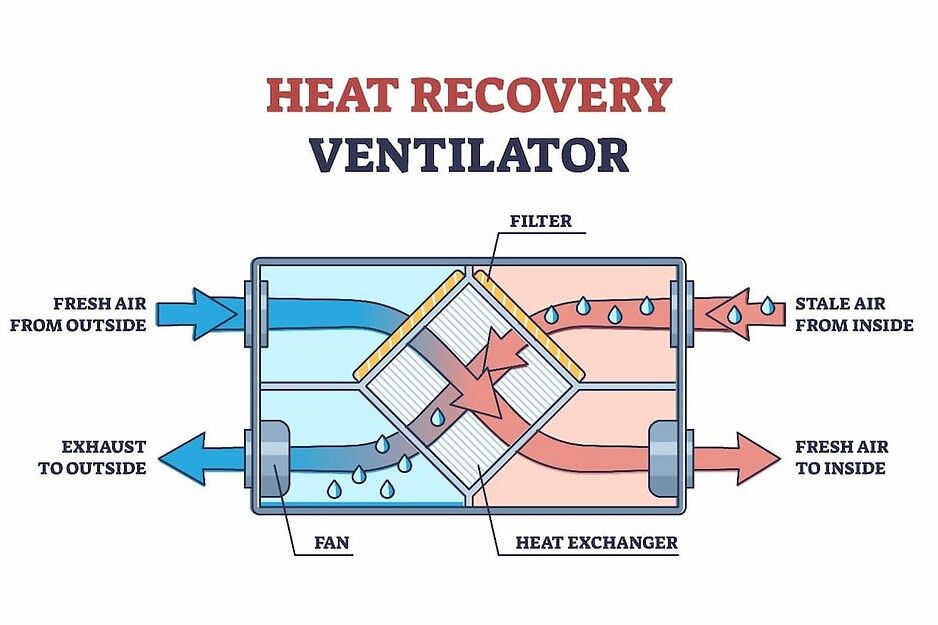
An HRV system has key parts that work together to move air and transfer heat. These parts include:
- Heat Exchanger:Transfers heat between incoming and outgoing air.
- Fans:Push stale air out and bring fresh air in.
- Filters:Clean the air before it enters the building.
- Ductwork:Channels air through the building and system.
- Controls:Manage the system’s operation and airflow.
How It Works
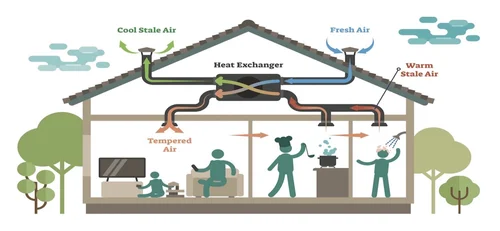
The HRV system moves air in two paths. It removes stale air and brings in fresh air without losing heat.
| Air Path | Process |
| Outgoing Air | Warm, stale air leaves the building and passes through the heat exchanger. |
| Incoming Air | Cold, fresh air enters and gains heat from the outgoing air in the exchanger. |
| Heat Exchange | Heat transfers without mixing the two air streams, saving energy. |
| Distribution | Heated fresh air spreads through the building’s rooms via ducts. |
Types Of Heat Recovery Systems
Heat recovery ventilation systems help bring fresh air inside while saving energy. They transfer heat from outgoing stale air to incoming fresh air. Different types of systems do this in unique ways.
Understanding the types can help you choose the right system for your home or building. The main types are balanced ventilation, exhaust ventilation, and supply ventilation.
Balanced Ventilation
Balanced ventilation systems bring equal amounts of fresh air in and stale air out. They recover heat from the outgoing air and transfer it to the incoming air. This keeps indoor air fresh and warm without losing energy.
- Uses two fans: one for exhaust, one for supply
- Includes a heat exchanger to transfer heat
- Maintains air balance and prevents pressure issues
- Improves indoor air quality and comfort
Exhaust Ventilation
Exhaust ventilation systems remove stale air from inside the building. They use fans to push the air out. Fresh air enters through vents or leaks in the building envelope. These systems can include heat recovery to save energy.
| Feature | Description |
| Airflow | Stale air is exhausted out |
| Fresh Air Entry | Comes through passive vents or openings |
| Heat Recovery | Optional in some models |
| Pressure | Can create slight negative pressure inside |
Supply Ventilation
Supply ventilation systems push fresh air into the building. This forces stale air out through vents or leaks. Heat recovery can be added to warm the incoming air. These systems help reduce indoor pollutants.
Key Benefits of Supply Ventilation:
- Provides controlled fresh air flow
- Reduces indoor humidity
- Can include filters for cleaner air
- Helps maintain positive indoor pressure
Energy Savings Benefits
A Heat Recovery Ventilation (HRV) system helps save energy in buildings. It recycles heat from stale air and uses it to warm fresh air.
This process reduces energy use and lowers utility bills. HRV systems keep homes comfortable while using less power.
Reduced Heating Costs
HRV systems recover heat from outgoing air during cold months. They transfer this heat to the incoming fresh air.
This means the heating system does not need to work as hard. It lowers the energy needed to heat your home.
Lower Cooling Expenses
In warm seasons, HRV systems help remove heat from incoming air. This reduces the load on air conditioning units.
The system keeps indoor air cooler without using much extra energy. This cuts down on cooling costs.
Improved Hvac Efficiency
HRV systems support HVAC by balancing air flow and temperature. They reduce strain on heating and cooling equipment.
Better air quality and temperature control help HVAC run smoothly. This extends the system’s life and saves energy.

Credit: en.wikipedia.org
Indoor Air Quality Improvements
A heat recovery ventilation system helps keep indoor air fresh and healthy. It brings in clean air from outside while removing stale air inside your home.
This system improves air quality and creates a more comfortable living space without wasting energy.
Fresh Air Supply
The system continuously supplies fresh air to your rooms. It exchanges indoor air with outside air while saving heat energy.
- Reduces indoor pollution by removing odors and gases
- Maintains a steady airflow to keep air fresh
- Prevents stuffy air and improves oxygen levels
Humidity Control
Proper humidity levels protect your home and health. The system balances moisture by removing excess damp air and adding moisture when needed.
| Humidity Level | Effect on Comfort | Health Impact |
| Below 30% | Dry air feels uncomfortable | Can cause dry skin and throat irritation |
| 30% to 50% | Ideal for comfort | Reduces risk of mold and dust mites |
| Above 50% | Air feels damp | Encourages mold growth and allergies |
Allergen Reduction
The system filters out many allergens before air enters your rooms. It helps lower dust, pollen, and pet dander inside your home.
- Dust mites
- Pollen
- Pet dander
- Mold spores
Installation Considerations
Installing a heat recovery ventilation (HRV) system needs careful thought. It affects air quality and energy use in your home.
Good planning helps the system work well and last a long time. Below are key points to keep in mind.
Home Compatibility
Not all homes suit HRV systems. The house’s size, layout, and insulation matter. Older homes might need extra work to add ducting.
- Check if your home has space for ducts and vents.
- Ensure the walls and ceilings can hold the system parts.
- Consider the home’s insulation to prevent energy loss.
- Look for areas with poor air flow to improve ventilation.
Placement Tips
Where you put the HRV unit affects its performance. It should be in a dry, accessible spot. Noise and airflow paths matter too.
| Placement Area | Reason |
| Basement or Utility Room | Keeps noise away from living spaces |
| Near Exterior Wall | Easier duct connection to outside air |
| Away from Heat Sources | Prevents damage and false readings |
| Accessible for Maintenance | Makes cleaning and filter changes easier |
Maintenance Needs
Regular care keeps the HRV system running well. Filters and parts need cleaning or replacing. This stops clogs and keeps air fresh.
- Clean or replace filters every 3 to 6 months
- Inspect ducts for blockages yearly
- Check fans and motors for dust buildup
- Test system controls twice a year
Credit: www.ehprenewables.com
Cost Factors And Incentives
A heat recovery ventilation (HRV) system helps improve air quality and save energy. Understanding the costs and incentives can help you decide if it is right for your home.
This guide covers the initial investment, long-term savings, and available rebates for HRV systems.
Initial Investment
Installing an HRV system requires buying the unit and paying for professional installation. Prices vary by size and features.
Costs can also change depending on your home’s layout and existing ventilation setup.
- HRV unit price ranges from $700 to $2,000
- Installation fees can add $500 to $1,500
- Additional ductwork or electrical work may increase costs
Long-term Savings
An HRV system reduces heating and cooling costs by recycling heat from outgoing air. This lowers your energy bills over time.
Though the upfront cost is high, the system can pay for itself through savings in a few years.
- Lower energy bills during winter and summer
- Improved indoor air quality can reduce health costs
- Potential increase in home value
Available Rebates
Many local and federal programs offer rebates for installing energy-efficient systems like HRVs. These can reduce your initial cost.
Check with your utility company or government energy office to find current rebates in your area.
- Federal tax credits for energy-efficient home improvements
- Utility company rebates for HVAC upgrades
- State and local government incentive programs
Comparing With Other Ventilation Options
A heat recovery ventilation system helps bring fresh air into buildings. It also saves energy by recovering heat from the outgoing air.
There are other ways to ventilate a building. This section compares heat recovery ventilation with some common options.
Traditional Ventilation
Traditional ventilation uses simple fans or vents to move air in and out. It does not recover heat from the air leaving the building.
This method can bring in fresh air but wastes energy by letting warm air escape in winter. It also cools the building in summer.
- Simple and low cost
- Does not save energy
- Can cause drafts
- Needs more heating or cooling
Energy Recovery Ventilation
Energy recovery ventilation (ERV) systems transfer heat and moisture between incoming and outgoing air. This keeps humidity balanced.
ERV systems save energy like heat recovery systems but add moisture control. They are good in humid climates.
- Recovers heat and moisture
- Improves indoor air quality
- Uses more complex equipment
- Cost is higher than traditional ventilation
Natural Ventilation
Natural ventilation uses windows, doors, and vents to let air flow naturally. It relies on wind and temperature differences.
This method uses no fans or machines. It costs less but can be less reliable and harder to control.
- No energy cost for ventilation
- Depends on weather conditions
- Hard to control airflow and temperature
- May not provide enough ventilation in all cases
Choosing The Right System
Choosing the right heat recovery ventilation (HRV) system is important for good air quality. The right system helps keep your home comfortable and energy efficient.
Consider factors like size, features, and installation to find the best fit for your space.
Sizing And Capacity
Make sure the HRV system matches the size of your home. A system too small will not ventilate properly. A system too large wastes energy.
| Home Size (sq ft) | Recommended Capacity (CFM) |
|---|---|
| Up to 1,000 | 60-80 |
| 1,000 – 2,000 | 80-120 |
| 2,000 – 3,000 | 120-160 |
| Over 3,000 | 160+ |
Features To Look For
- High-efficiency heat exchange core
- Easy-to-clean filters
- Quiet operation
- Humidity control options
- Energy-saving settings
- Smart controls or timers
These features help your system work well and keep maintenance low.
Professional Installation
Correct installation is key for performance and safety. A pro will size ductwork and place the system properly.
- Check local building codes
- Ensure proper airflow paths
- Seal all ducts tightly
- Test the system after installation
- Schedule regular maintenance
Frequently Asked Questions
What Is A Heat Recovery Ventilation System?
A heat recovery ventilation system is an energy-efficient solution for homes. It exchanges stale indoor air with fresh outdoor air. The system retains heat from the outgoing air to warm the incoming air. This process improves indoor air quality and reduces energy consumption, providing a healthier living environment.
How Does A Heat Recovery System Work?
A heat recovery system transfers heat between indoor and outdoor air streams. It uses a heat exchanger to capture heat from the outgoing stale air. This heat warms the incoming fresh air. As a result, it improves indoor air quality while minimizing energy loss, making it energy efficient.
Why Is Heat Recovery Ventilation Important?
Heat recovery ventilation is crucial for maintaining indoor air quality. It reduces energy costs by reusing heat from outgoing air. This system prevents mold growth by reducing humidity levels. It ensures a continuous supply of fresh air while retaining indoor warmth, enhancing comfort and efficiency in homes.
Can A Heat Recovery System Save Energy Costs?
Yes, a heat recovery system can significantly reduce energy costs. By reusing heat from outgoing air, it minimizes the energy needed for heating. This efficiency reduces heating bills, making it a cost-effective solution. It also contributes to a home’s overall energy efficiency, promoting environmental sustainability.
Conclusion
A heat recovery ventilation system helps keep your home fresh and healthy. It saves energy by reusing heat from outgoing air. This system brings in clean air and removes stale air. It works quietly and uses little power. Installing one can lower heating and cooling costs.
It also reduces moisture and indoor pollutants. Overall, it improves air quality and comfort. A smart choice for any home looking to breathe easier and save energy. Simple, effective, and reliable.