Imagine this: you’re watering your garden, and everything seems perfectly fine. But lurking in your hose system could be a hidden danger that might contaminate your water supply.
This is where a hose bib vacuum breaker comes into play. You might be wondering, what exactly is a hose bib vacuum breaker, and why should you care? This small, often overlooked device can be a game-changer for the safety of your home’s water.
You’ll discover how a hose bib vacuum breaker works, why it’s crucial for maintaining clean water, and how it can give you peace of mind. Let’s explore how this simple tool can protect your home and keep your water safe.
Hose Bib Vacuum Breaker Basics
Understanding the basics of a hose bib vacuum breaker helps you protect your water supply from contamination. This simple device plays a critical role in preventing backflow, which can introduce harmful substances into your home’s plumbing. Let’s break down what makes a hose bib vacuum breaker essential and how it works.
Function And Purpose
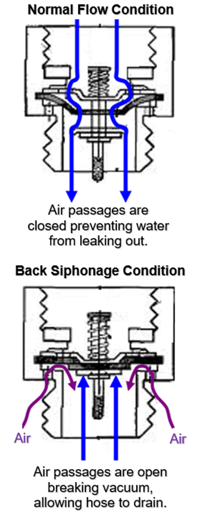
A hose bib vacuum breaker stops dirty water from flowing backward into your clean water system. It does this by allowing air to enter the pipe if a vacuum forms, breaking the suction that could pull contaminants in. Without it, you risk polluting your drinking water, especially when using garden hoses connected to fertilizers or chemicals.
Have you ever noticed a strange taste or smell in your tap water after outdoor watering? This might be due to backflow issues that a vacuum breaker can prevent. Installing one is a simple step that protects your family’s health.
Key Components
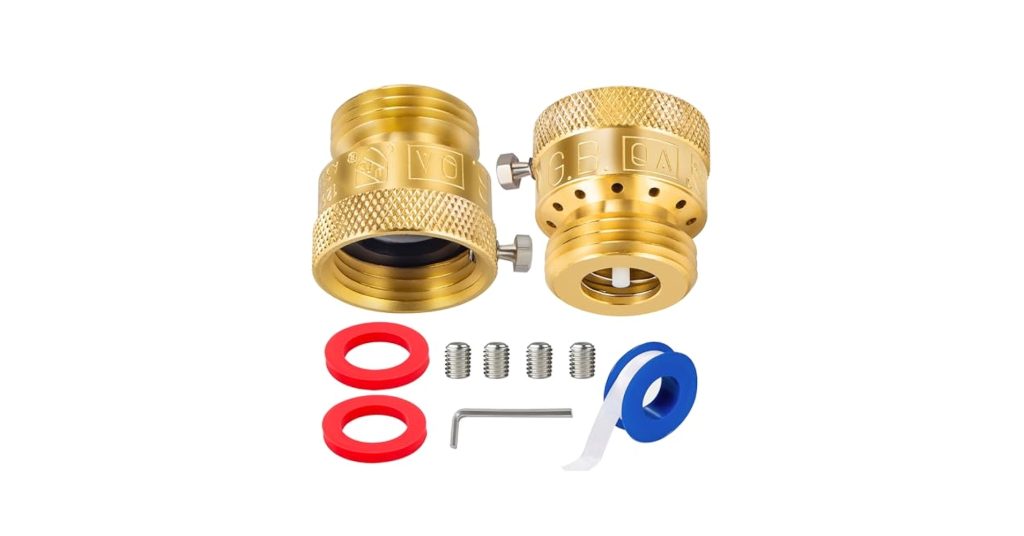
The main parts of a hose bib vacuum breaker include:
- Body:Usually made of brass or durable plastic, it attaches directly to your outdoor faucet.
- Check Valve:This is the core mechanism that stops water from flowing backward.
- Air Inlet:Opens to let air in when a vacuum is detected, breaking the suction.
- Screen:Prevents debris from entering and damaging the device.
Each component works together to keep your water system safe. When was the last time you checked your outdoor faucet for a vacuum breaker? It might be time to inspect or install one for peace of mind.
Why Protection Matters
Protection matters because it keeps water systems clean and safe. A hose bib vacuum breaker stops dirty water from flowing backward into clean water supplies. This simple device helps protect homes and communities from contamination risks.
Preventing Backflow
Backflow happens when water flows in the wrong direction. It can carry harmful substances into your drinking water. A hose bib vacuum breaker blocks this reverse flow. It ensures water only moves out, never back in.
Health And Safety Risks
Backflow can introduce bacteria, chemicals, and dirt into water lines. This contamination can cause sickness and health problems. Using a hose bib vacuum breaker reduces these risks. It keeps water safe for drinking, cooking, and cleaning.
Types Of Vacuum Breakers
Understanding the types of hose bib vacuum breakers is key to choosing the right one for your outdoor water system. Each type works differently to stop water from flowing backward into your home’s water supply. Knowing these differences helps you protect your water from contamination effectively.
Atmospheric Vacuum Breakers
Atmospheric vacuum breakers (AVBs) are simple devices that allow air to enter the pipe when water flow stops. This breaks the vacuum and prevents dirty water from being sucked back into your supply.
They are easy to install and don’t require maintenance, which makes them a popular choice for residential hose bibs. However, AVBs must be installed at least 6 inches above the highest point of water use to work properly.
Do you often forget to maintain your outdoor faucets? AVBs might be perfect for you because they don’t need regular attention.
Pressure Vacuum Breakers
Pressure vacuum breakers (PVBs) are designed to work under constant pressure, making them suitable for more demanding irrigation systems. Unlike AVBs, they can be installed below the highest point of water use.
PVBs contain a spring-loaded check valve and an air inlet valve that open to break the vacuum when pressure drops. This design ensures reliable backflow prevention even during continuous pressure.
If your garden irrigation runs for long periods or at high pressure, a pressure vacuum breaker offers stronger protection. Have you checked whether your current setup handles pressure fluctuations safely?

Credit: www.amazon.com
Installation Tips
Installing a hose bib vacuum breaker correctly is crucial to protect your water supply from contamination. Paying attention to small details during installation can save you costly repairs and health issues later on. Let’s look at some practical tips to make the process smooth and effective.
Choosing The Right Location
Pick a spot on your outdoor faucet where the vacuum breaker will be easy to access for future maintenance. Avoid placing it where it might freeze during winter, as this can damage the device. Ideally, install it above ground level and close to the hose connection point.
Think about how often you use the hose and if there’s enough room to attach and detach the vacuum breaker without hassle. Does the location allow for easy visibility to spot leaks or damage early? These small considerations can make a big difference in the long run.
Step-by-step Guide
- Turn off the water supply to your outdoor faucet before starting.
- Remove any attached hose or existing fittings from the faucet.
- Clean the faucet threads to ensure a tight seal and prevent leaks.
- Wrap plumber’s tape around the threads to enhance the seal.
- Screw the hose bib vacuum breaker onto the faucet by hand until snug.
- Use a wrench to tighten it gently—avoid overtightening to prevent damage.
- Turn the water back on and check for leaks around the connection.
- Attach your garden hose and verify water flows correctly without leaks.
Have you checked the seal carefully after installation? Even a tiny leak can lead to contamination over time. Taking a few extra minutes to test your work can prevent headaches later.
Maintenance And Troubleshooting
Maintaining your hose bib vacuum breaker is key to keeping your outdoor water system safe and functioning properly. Neglect can lead to water contamination or damage to your plumbing. Regular checks and quick fixes can save you time and money in the long run.
Regular Inspection
Check your vacuum breaker at least twice a year, ideally before and after the watering season. Look for cracks, leaks, or mineral buildup around the device. These signs often indicate wear that can affect performance.
Turn off the water supply and remove the vacuum breaker periodically to clean it. Use a soft brush to clear away debris and mineral deposits from the internal parts. This simple step helps prevent blockages and ensures the valve operates smoothly.
Ask yourself: Have you noticed any unusual water flow or pressure changes during use? These could signal an issue needing inspection.
Common Issues And Fixes
One frequent problem is water leaking from the vacuum breaker. This usually happens due to a worn-out or damaged rubber washer. Replacing the washer often stops the leak quickly.
Another issue is the vacuum breaker failing to prevent backflow. Dirt or mineral buildup can cause this. Cleaning the internal valve or replacing it if damaged can restore proper function.
If your vacuum breaker is stuck or hard to turn, lubricate the moving parts with a silicone-based lubricant. Avoid petroleum-based products as they can degrade rubber components.
- Leakage:Replace washers or seals promptly to avoid water waste.
- Backflow failure:Clean or replace the valve to protect your water supply.
- Stiff operation:Use proper lubricant to keep parts moving smoothly.
Have you experienced any problems with your hose bib vacuum breaker? Taking quick action can prevent bigger issues and keep your water system safe.

Credit: www.amazon.com
Legal And Code Requirements
Understanding the legal and code requirements for hose bib vacuum breakers is crucial before installing one. These rules exist to protect your water supply from contamination. Ignoring them can lead to fines, health risks, and costly repairs.
Local Regulations
Every area has its own rules about using hose bib vacuum breakers. Some cities require them on all outdoor faucets to prevent backflow. Others may only mandate them in commercial settings or specific zones prone to contamination.
Check with your local building or plumbing department to get the exact requirements. They can tell you which models are approved and if you need a permit for installation. This step saves you from non-compliance issues later.
Compliance Importance
Following these codes isn’t just about avoiding penalties. It ensures your water remains safe and clean for everyday use. A single backflow incident can contaminate an entire neighborhood’s water supply.
Think about it: would you risk your family’s health over skipping one small device? Installing a hose bib vacuum breaker correctly offers peace of mind. Plus, many insurance policies require code compliance to cover water damage claims.
Credit: support.boshart.com
Frequently Asked Questions
What Is A Hose Bib Vacuum Breaker?
A hose bib vacuum breaker is a backflow prevention device. It stops contaminated water from flowing back into your home’s water supply. This protects drinking water from pollutants and ensures safe outdoor water use.
Why Is A Hose Bib Vacuum Breaker Important?
It prevents harmful chemicals from entering your clean water system. Without it, water can siphon back through outdoor faucets, causing contamination. It’s essential for maintaining safe, potable water and complying with local plumbing codes.
How Does A Hose Bib Vacuum Breaker Work?
It uses a valve that opens with water flow. When water flow stops, it closes and allows air to enter. This breaks the vacuum and prevents dirty water from siphoning back into the supply.
Can I Install A Hose Bib Vacuum Breaker Myself?
Yes, it’s usually easy to install on outdoor faucets. It screws onto the hose bib like a regular hose connector. However, check local codes and manufacturer instructions before installation.
Conclusion
A hose bib vacuum breaker helps keep water safe and clean. It stops dirty water from flowing back into your home’s water supply. This small device protects your family from harmful germs. Installing one is simple and cost-effective. It works quietly without much maintenance.
Protect your plumbing and health with a vacuum breaker today. A smart choice for every home’s outdoor water system. Easy to use, easy to trust.