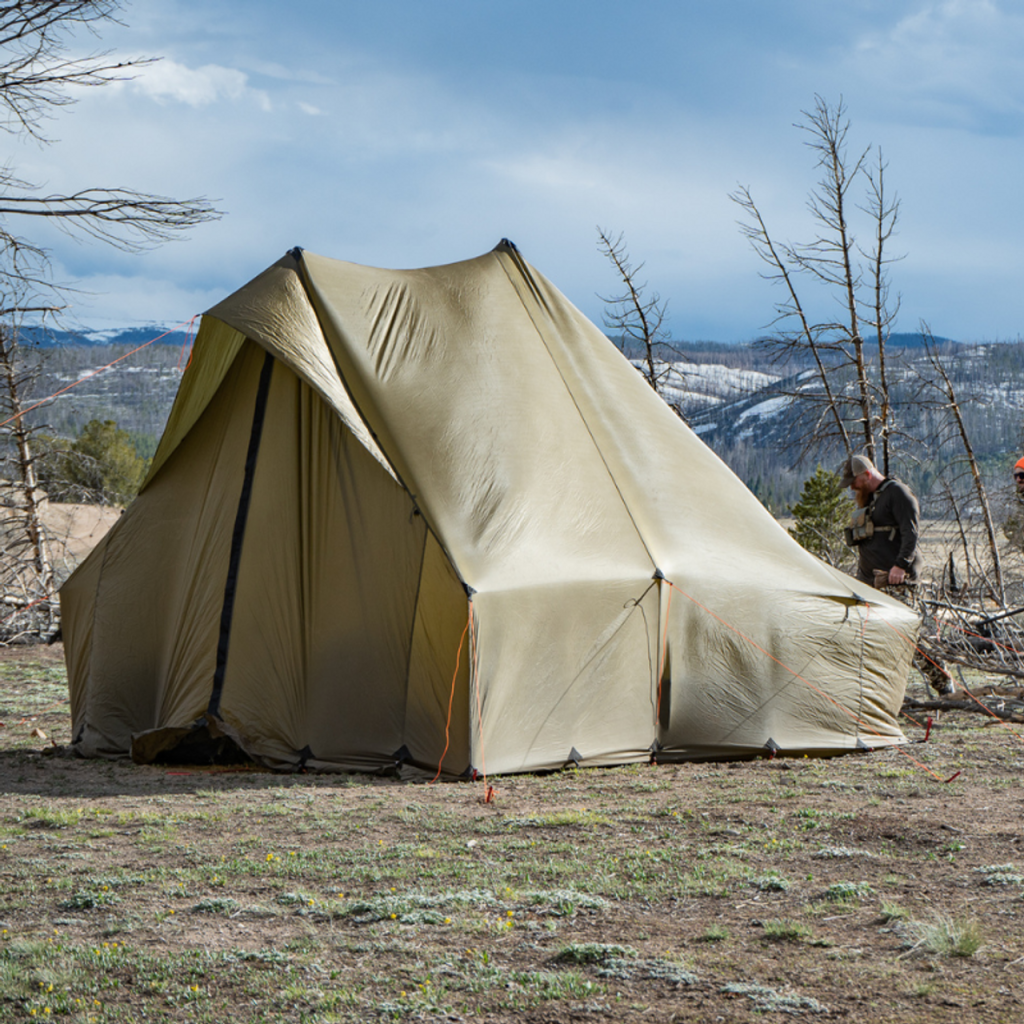
Have you ever wished you could enjoy the great outdoors even when it’s cold or wet? Imagine staying warm and cozy inside your tent, no matter the weather outside.
That’s exactly what a hot tent can do for you. But what is a hot tent, and why are more outdoor lovers talking about it? Keep reading, and you’ll discover how this simple piece of gear can change your camping experience for the better—making your next trip warmer, safer, and more comfortable than ever before.
Hot Tent Basics
A hot tent is a special type of shelter used for camping. It has a stove or heat source inside to keep warm. Hot tents let you camp in cold weather safely and comfortably.
People use hot tents for winter camping, hunting trips, or long outdoor stays. They are designed to handle smoke and heat from a stove inside the tent.
What Makes A Tent Hot
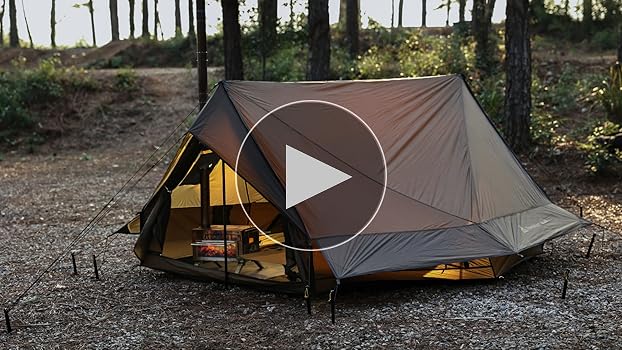
A hot tent has a special stove that produces heat inside the tent. This stove keeps the inside warm even in freezing weather. The tent also has a pipe to let smoke out safely.
The tent materials resist fire and heat to keep the tent safe. The stove pipe fits tightly through the tent wall or roof to stop sparks from escaping.
- Wood-burning or gas stove inside the tent
- Heat-resistant fabric and fireproof areas
- Stove pipe or chimney for smoke ventilation
- Good ventilation to avoid carbon monoxide buildup
Types Of Hot Tents
There are several types of hot tents. Some are simple and light, while others are big and strong. The choice depends on how many people use it and the weather.
- Pyramid tents:One center pole with a stove, easy to set up.
- Wall tents:Rectangular and spacious, good for groups.
- Bell tents:Round shape with a center pole, stylish and functional.
- Tipi tents:Cone-shaped and traditional, good airflow and heat.
Materials Used
Hot tents use strong and heat-resistant materials. The fabric must stop fire sparks and keep warmth inside. Many tents use treated canvas or special synthetic fabrics.
The stove pipe is made from metal that can handle high heat. The tent floor is often waterproof and tough to protect from wet ground.
- Treated cotton canvas: Fire-resistant and durable
- Silicone-coated nylon: Lightweight and water-resistant
- Metal stove pipe: Heat-resistant and safe for smoke
- Waterproof floor materials: Protect from moisture

Credit: www.reddit.com
Benefits Of Hot Tents
A hot tent is a special tent that uses a stove to keep warm. It allows you to camp comfortably in cold weather. Many campers enjoy hot tents for their unique benefits.
Using a hot tent can make camping safer and more enjoyable. It helps you stay warm, dry, and relaxed during your outdoor trips.
Warmth In Cold Weather
Hot tents use a small wood stove to provide heat inside the tent. This heat keeps the inside warm, even on very cold nights. It stops you from feeling cold and shivering.
The warmth helps you sleep better and stay healthy. It also stops frost from forming inside the tent.
Extended Camping Seasons
Hot tents let you camp in seasons when it is usually too cold. You can enjoy camping in late fall, winter, and early spring. This means more time outdoors and more trips each year.
Cold weather camping does not have to be a problem. The hot tent keeps you warm and safe so you can explore nature all year round.
Comfort And Convenience
Hot tents offer a cozy place to relax after a long day. The stove can also be used to cook food and boil water inside the tent. This saves time and keeps you dry.
Hot tents usually have good ventilation. They keep the air fresh and reduce smoke inside. You get warmth and fresh air at the same time.
Choosing The Right Hot Tent
Choosing a hot tent requires careful thought. It must meet your camping needs. Consider size, compatibility, and weight.
A good hot tent keeps you warm and comfortable. This guide helps you pick the best one.
Size And Capacity
Size and capacity are key when choosing a hot tent. You need enough room for everyone and the stove.
- Check the number of people the tent can fit.
- Ensure there is space for gear and stove.
- Consider headroom for comfort.
Stove Compatibility
Stove compatibility is important for heating. The tent must support your stove type.
| Stove Type | Tent Feature |
| Wood Stove | Fire-resistant fabric |
| Gas Stove | Ventilation options |
| Electric Heater | Power access |
Weight And Portability
Weight and portability matter for easy transport. A lighter tent is easier to carry.
Consider the materials and packaging size. Check if it includes a carry bag.
Setting Up A Hot Tent
Setting up a hot tent requires careful planning for safety and comfort. This guide helps you prepare your site, assemble the tent, and install the stove.
Following these steps ensures a warm and safe shelter during cold weather camping.
Site Selection
Choose a flat area free of rocks and sharp objects. Avoid low spots where water can collect.
Pick a location away from dry grass or branches to reduce fire risk. Check for good wind protection.
- Find level ground
- Avoid wet or muddy spots
- Clear debris and sharp objects
- Choose an area sheltered from wind
- Keep clear of flammable materials
Tent Assembly Tips
Start by laying out the tent footprint or groundsheet. This protects the tent floor from damage.
Assemble the tent poles and connect them to the tent body. Make sure all zippers and vents work well.
- Use a groundsheet for extra protection
- Check all poles for damage
- Secure the tent tightly with stakes
- Test zippers and ventilation
- Tighten guy lines to keep tent stable
Stove Installation
Place the stove on a fireproof mat inside the tent. Keep it away from tent walls and flammable items.
Install the stove pipe through the tent’s stove jack. Seal the opening to keep smoke outside.
- Use a fireproof base under the stove
- Keep stove clear of tent fabric
- Secure the stove pipe in the stove jack
- Seal gaps to prevent smoke leaks
- Ensure proper ventilation for safety
Safety Tips For Hot Tents
Hot tents use a stove to keep warm inside. They are great for cold weather camping. But using a hot tent needs care and safety.
Follow safety tips to avoid accidents and enjoy your time. This guide explains how to stay safe with ventilation, fire, and fuel.
Ventilation Needs
Good airflow is very important in a hot tent. The stove uses oxygen and makes smoke. Without fresh air, you can get sick from carbon monoxide.
Keep vents open or use a tent with built-in ventilation. Check that air moves well inside the tent while the stove is on.
- Open tent vents or windows slightly
- Use a carbon monoxide detector for safety
- Do not block air openings with gear or clothes
Fire Safety Measures
Heat and fire are inside the tent with a stove. Keep flammable items away from the stove and chimney pipe. Sparks can cause fires.
Always use a fire-resistant mat under the stove. Check that the stove pipe is secure and away from the tent fabric.
- Keep a fire extinguisher nearby
- Do not leave the stove unattended
- Clear dry leaves and debris around the tent
Handling Stove Fuel
Stove fuel is often flammable and can be dangerous. Store fuel in sealed containers away from the tent and heat sources.
Refuel the stove only outside the tent. Spilled fuel can cause fires or health hazards.
- Use proper containers for fuel storage
- Refill stoves outdoors and away from flames
- Clean up any fuel spills immediately
Credit: www.amazon.com
Popular Hot Tent Activities
A hot tent is a special tent with a stove inside. It keeps you warm in cold weather.
People use hot tents for many outdoor activities. These tents make camping in cold places easier.
Winter Camping
Hot tents are perfect for winter camping. They provide warmth in snow and freezing weather.
You can enjoy camping even in cold places. The stove inside the tent keeps the air warm.
- Stay warm and dry in snowy areas
- Cook meals safely inside the tent
- Sleep comfortably without cold nights
Fishing And Hunting Trips
Hot tents are popular for fishing and hunting trips. They give a warm shelter during long waits.
The stove helps dry clothes and keeps gear from freezing. It also provides a warm spot to rest.
- Warm shelter during early mornings
- Safe place to prepare food and gear
- Protects from wind and cold weather
Backcountry Adventures
Hot tents are great for backcountry trips. They allow you to camp in remote cold areas comfortably.
With a hot tent, you can stay warm at high altitudes or deep in the forest. It makes long trips easier.
- Safe shelter in isolated places
- Heat source for cooking and warmth
- Comfortable rest after hiking or skiing
Maintenance And Care
Taking care of your hot tent helps it last longer. Regular maintenance keeps the tent safe and clean.
Proper care also improves the tent’s performance and comfort during use.
Cleaning Tips
Clean your hot tent after every trip. Dirt and soot can damage the fabric and stove pipe.
Use mild soap and water for cleaning. Avoid strong chemicals that harm the tent material.
- Brush off loose dirt before washing
- Spot clean stains gently with a sponge
- Rinse thoroughly to remove soap residue
- Dry the tent completely before storing
Storage Advice
Store your hot tent in a cool, dry place to prevent mold and mildew. Avoid folding it while wet.
Keep the tent away from sharp objects and direct sunlight during storage to protect the fabric.
- Clean and dry the tent fully before storing
- Store loosely folded or rolled for best shape
- Use a breathable storage bag if possible
- Check the tent occasionally for pests or damage
Repairing Damage
Fix small tears or holes quickly to stop them from growing. Use patch kits made for tent fabric.
Check stove pipe areas often. Repair any burnt or worn spots to keep the tent safe.
- Clean and dry the damaged area before repair
- Apply patches on both inside and outside
- Use strong, waterproof adhesive for best hold
- Replace stove pipe parts if cracked or bent

Credit: gearjunkie.com
Frequently Asked Questions
What Is A Hot Tent Used For?
A hot tent is designed for cold-weather camping. It allows safe indoor heating with a stove. This keeps campers warm and comfortable. It’s ideal for winter adventures and extended outdoor stays.
How Does A Hot Tent Stove Work?
A hot tent stove burns wood or fuel inside a stove pipe. The pipe vents smoke outside. Heat radiates inside the tent, warming the space efficiently and safely.
Are Hot Tents Safe For Indoor Heating?
Yes, hot tents are safe when used properly. Proper stove installation and ventilation prevent carbon monoxide buildup. Always follow manufacturer guidelines and use carbon monoxide detectors for safety.
What Materials Are Hot Tents Made From?
Hot tents typically use fire-resistant materials like canvas or treated polyester. These fabrics withstand heat and protect against sparks. Durable flooring and reinforced seams add extra safety and longevity.
Conclusion
A hot tent offers warmth and comfort in cold weather. It uses a small stove to heat the inside safely. This makes camping possible during winter or chilly nights. Many campers enjoy the cozy feeling it provides. It also helps keep bugs and moisture away.
Choosing the right hot tent depends on your needs. Simple to use and easy to carry. Hot tents make outdoor adventures more enjoyable and safe. Consider trying one for your next trip. You might find it changes how you camp.