Have you ever wondered how some homes stay warm and cozy without noisy heaters or dry air? The secret might be a hydronic heating system.
If you’re looking for an efficient, quiet, and comfortable way to heat your space, understanding what a hydronic heating system is could change the way you think about home heating. This simple yet powerful system uses water to deliver warmth evenly throughout your home, giving you a more natural and soothing heat.
Keep reading to discover how this system works and why it might be the perfect solution for your heating needs.
Basics Of Hydronic Heating
Hydronic heating uses hot water to warm your home. It moves heat through pipes to different rooms. This method is quiet and energy efficient.
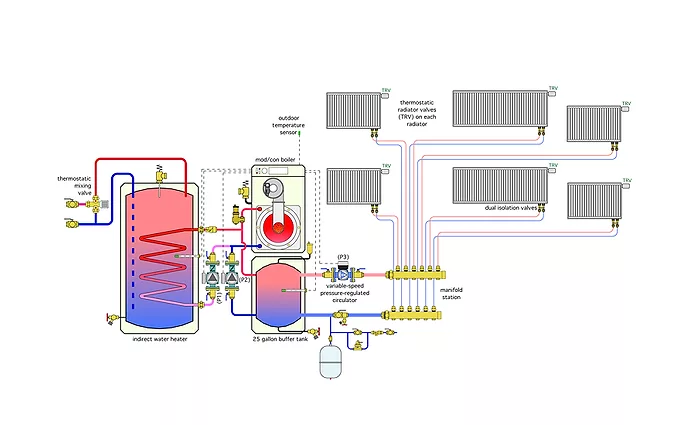
This system relies on water heated by a boiler. The water flows through a network of pipes and releases warmth through radiators or floor systems.
How Hydronic Systems Work
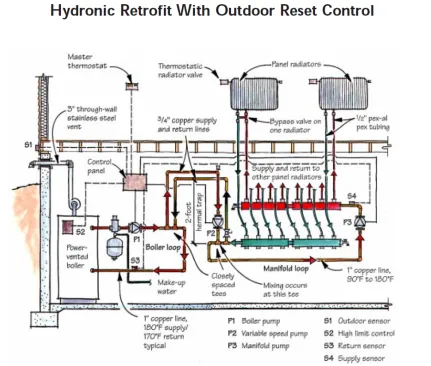
A boiler heats water to a set temperature. The hot water flows through pipes to radiators or tubing in floors. As it moves, it releases heat into the rooms.
The cooled water returns to the boiler to be heated again. This cycle continues until the desired room temperature is reached.
Key Components
- Boiler:Heats water to the needed temperature.
- Pipes:Carry hot water throughout the building.
- Radiators or Baseboards:Release heat into the rooms.
- Circulator Pump:Moves water through the system.
- Expansion Tank:Manages water pressure changes.
- Thermostat:Controls the temperature settings.
Types Of Hydronic Systems
| Type | Description |
| Radiator Systems | Uses metal units to radiate heat into rooms. |
| Baseboard Systems | Heats air near the floor with long metal covers. |
| In-floor Heating | Circulates hot water through tubing under floors. |
Benefits Of Hydronic Heating
A hydronic heating system uses water to heat your home. It provides warmth through a network of pipes. Water is an efficient conductor of heat.
This type of heating is popular for its many benefits. Let’s explore some key advantages of hydronic heating systems.
Energy Efficiency
Hydronic heating systems are known for their energy efficiency. They use less energy than traditional heating systems. This helps to reduce your energy bills.
The system heats water, which retains heat longer than air. This means less energy is needed to maintain a warm environment.
Comfort And Heat Distribution
Hydronic heating provides even heat distribution. It eliminates cold spots in your home. You enjoy consistent warmth in every room.
The system can be customized for different areas. This allows for personalized comfort levels in each space.
Quiet Operation
Hydronic heating systems operate quietly. You will not hear any loud noises from fans or blowers. This creates a peaceful home environment.
The system runs smoothly, making it ideal for noise-sensitive areas. Enjoy warmth without disturbing sounds.
Health Advantages
Hydronic heating is healthier compared to air-based systems. It does not circulate dust and allergens. This can be beneficial for allergy sufferers.
The system maintains optimal humidity levels. This helps to prevent dry skin and respiratory issues.
Installation Process
Installing a hydronic heating system requires careful steps to ensure it works efficiently. This process involves planning, selecting parts, setting up pipes, and testing the system.
Each phase is important to create a safe and comfortable heating environment in your home or building.
Planning And Design
The first stage is planning the layout and design of the system. You must consider the size of the area to heat and the heat output needed.
- Measure the rooms and spaces carefully
- Decide where to place the boiler and pipes
- Choose the type of radiators or underfloor heating
- Plan for easy access to controls and maintenance points
Choosing The Right Boiler
Select a boiler that fits your heating needs and fuel type. The boiler powers the entire system by heating the water.
| Boiler Type | Fuel Source | Best For |
| Combi Boiler | Gas or Electric | Small to medium homes |
| System Boiler | Gas or Oil | Homes with multiple bathrooms |
| Conventional Boiler | Gas or Oil | Large homes with existing tanks |
Piping And Radiators Setup
After selecting the boiler, install the piping and radiators. Pipes carry hot water from the boiler to the heating units.
Key tips for this step:
- Use insulated pipes to reduce heat loss
- Place radiators where heat is needed most
- Ensure pipes slope slightly for proper water flow
- Secure pipes to avoid vibrations and noise
System Testing And Balancing
Once the system is installed, test it to find leaks and check water flow. Balancing ensures even heat distribution across all rooms.
- Fill the system with water and check for leaks
- Turn on the boiler and let the system heat up
- Adjust valves to balance water flow to each radiator
- Use a thermometer to check temperature consistency
- Make final adjustments to optimize comfort and efficiency
Credit: www.jlconline.com
Maintenance Tips
Keeping your hydronic heating system in good shape saves energy and money. Regular care helps your system run smoothly and last longer.
Follow these simple tips to maintain your hydronic heating system well. Small checks can prevent big problems later.
Regular Inspections
Check your heating system regularly to find issues early. Look for unusual noises, temperature changes, or parts that seem worn out.
Inspect the boiler, pipes, and controls every few months. This helps keep your system safe and efficient.
Bleeding Radiators
Air trapped in radiators stops heat from spreading well. Bleed your radiators to release this air and improve warmth.
Use a radiator key to open the valve. Close it when water starts to come out. Do this for all radiators to keep heat even.
Checking For Leaks
Look under your boiler and along pipes for water leaks. Leaks waste energy and can cause damage to your home.
If you find a leak, call a professional to fix it quickly. Fixing leaks keeps your system safe and working well.
System Flushing
Over time, sludge and dirt build up inside your heating pipes. Flushing the system cleans out these deposits and improves flow.
Have a professional flush your system every few years. This helps your heating work better and last longer.
Cost Considerations
Hydronic heating systems use water to heat your home. Understanding the costs helps you plan better.
Costs include buying, running, and saving money over time. Each part matters for your budget.
Initial Investment
Installing a hydronic heating system costs more than some other types. You pay for pipes, boilers, and labor.
Costs depend on your home size and system type. Larger homes need bigger systems and more materials.
- Boiler price varies by fuel type and size
- Pipe installation needs skilled labor
- Additional parts include pumps and controls
Operating Expenses
Hydronic systems usually use less energy than electric heaters. This can lower your monthly bills.
Maintenance costs include boiler check-ups and pipe repairs. Regular care keeps the system working well.
- Fuel cost depends on gas, oil, or electric usage
- Annual maintenance prevents costly breakdowns
- Water treatment may be needed to avoid corrosion
Long-term Savings
Hydronic systems last many years with proper care. This durability saves money on replacements.
Efficient heat transfer means less wasted energy. Your home stays warm using less fuel over time.
- Lower fuel bills compared to electric heating
- Reduced wear means fewer repairs
- Increased home value from quality heating system

Credit: www.navieninc.com
Comparing With Other Heating Options
Hydronic heating systems use warm water to heat a space. Other common heating types include forced air and electric heating. Comparing these helps understand which system fits best.
This article looks at how hydronic heating stands against forced air and electric heating. It also reviews their environmental impact.
Hydronic Vs. Forced Air
Hydronic systems move hot water through pipes to heat rooms. Forced air systems blow warm air through ducts. The differences affect comfort and air quality.
- Noise:Hydronic systems are quieter since they do not use fans.
- Air Quality:Forced air can spread dust and allergens; hydronic heating does not.
- Temperature Control:Hydronic heat feels more even and steady.
- Installation:Forced air is easier to install in existing homes.
Hydronic Vs. Electric Heating
Electric heating warms rooms using electric coils or panels. Hydronic heating uses water heated by a boiler or heat pump. Each has pros and cons in cost and efficiency.
| Feature | Hydronic Heating | Electric Heating |
| Energy Efficiency | High, especially with modern boilers | Lower, can be costly to run |
| Operating Cost | Lower if using gas or heat pump | Usually higher due to electric rates |
| Installation Cost | Higher due to piping and boiler | Lower and simpler |
| Heat Quality | Gentle and even warmth | Quick heat but can feel dry |
Environmental Impact
Heating choices affect the environment. Hydronic systems can use cleaner energy sources. Forced air and electric systems have different impacts.
- Hydronic heating can run on natural gas, propane, or renewable energy.
- Forced air often depends on fossil fuels or electricity.
- Electric heating’s footprint depends on how electricity is made.
- Hydronic systems reduce air movement, lowering dust and allergens.
- Modern hydronic boilers produce fewer emissions than older models.
Innovations And Future Trends
Hydronic heating systems are changing with new technology. These changes make heating smarter and more efficient.
We will look at smart controls, renewable energy use, and new materials in hydronic heating.
Smart Controls
Smart controls help manage heating systems easily. They use sensors and apps to adjust temperature automatically.
These controls save energy by heating only when needed. Users can control heating from their phones or tablets.
- Automatic temperature adjustment
- Remote control via mobile devices
- Integration with home automation systems
- Energy use monitoring and alerts
Renewable Energy Integration
Hydronic systems now work with solar and geothermal energy. This lowers fossil fuel use and reduces bills.
Using renewable energy makes heating cleaner and helps protect the environment. Systems can switch between energy sources.
- Solar panels heat water for the system
- Geothermal heat pumps provide constant warmth
- Energy storage options for cloudy or cold days
- Smart switching between energy sources
Advanced Materials
New materials improve pipes and boilers in hydronic systems. They last longer and resist corrosion better.
These materials help systems work at higher temperatures and pressures. This boosts efficiency and safety.
- High-quality plastics for flexible pipes
- Corrosion-resistant metals for boilers
- Insulation materials that reduce heat loss
- Materials that allow faster heat transfer

Credit: www.pmmag.com
Frequently Asked Questions
What Is A Hydronic Heating System Used For?
A hydronic heating system uses water to heat spaces efficiently. It circulates warm water through pipes to radiators or floor coils. This method provides even, consistent heat and reduces energy waste. It’s ideal for homes, offices, and buildings seeking comfort and energy savings.
How Does A Hydronic Heating System Work?
The system heats water in a boiler or heater. Warm water travels through pipes to emitters like radiators or underfloor tubing. Heat transfers from water to air, warming the room. Cooled water returns to the boiler to repeat the cycle, ensuring continuous heating.
What Are The Benefits Of Hydronic Heating?
Hydronic heating offers quiet, energy-efficient, and even warmth. It reduces dust circulation compared to forced air systems. It allows zone control for customized heating. This system works well with renewable energy sources and lowers utility bills over time.
Is Hydronic Heating System Cost-effective?
Yes, hydronic heating saves money by using energy efficiently. It reduces heat loss and allows precise temperature control. Installation costs vary but long-term savings on energy bills are significant. Maintenance is minimal, making it a smart investment for home heating.
Conclusion
Hydronic heating systems use warm water to heat spaces efficiently. They provide steady, comfortable warmth without dry air. These systems save energy and lower heating costs over time. Installation may take effort but offers long-term benefits. Many homes and buildings prefer hydronic heating for comfort.
Understanding how it works helps you decide if it suits your needs. Consider hydronic heating as a reliable, quiet way to stay warm. It blends well with modern and traditional homes alike. Simple, effective, and energy-smart heating options matter.