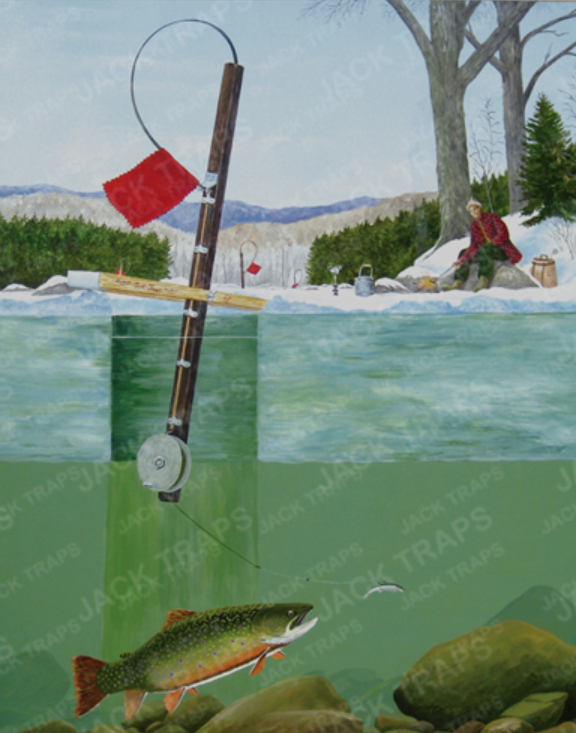
Have you ever wondered how to keep your fishing line strong and hidden from cautious fish? Understanding what a leader line is can change the way you fish—and improve your catch.
Whether you’re new to fishing or looking to sharpen your skills, knowing how to use a leader line can make a big difference. You’ll discover exactly what a leader line is, why it’s important, and how it can help you catch more fish with less hassle.
Keep reading to unlock the secrets that experienced anglers don’t want you to miss.
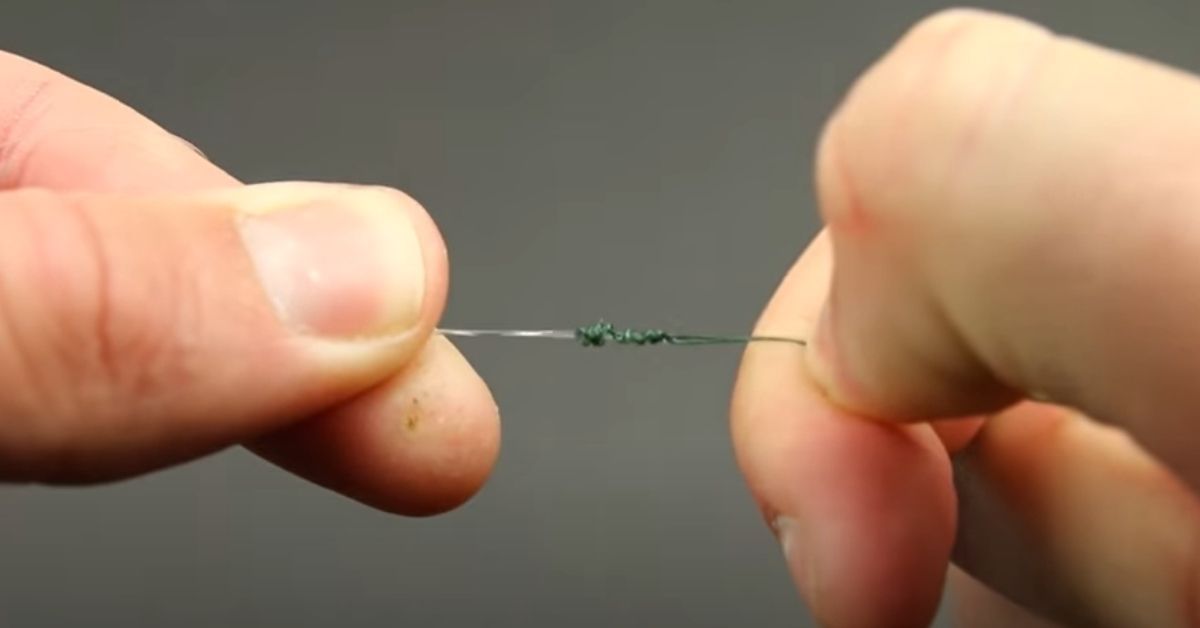
Credit: mysterytacklebox.com
Leader Line Basics
A leader line is a short, strong fishing line attached to the main line. It connects the hook, lure, or bait to the main fishing line.
Leader lines help improve fishing by protecting the main line and improving bait presentation.
Purpose Of Leader Lines
Leader lines protect the main line from sharp teeth, rough surfaces, and fish bites. They also help reduce line visibility in water.
Using a leader line can prevent the main line from breaking and improve your chances of catching fish.
- Protects the main line from damage
- Reduces line visibility in water
- Keeps bait or lure looking natural
- Helps handle sharp-toothed fish
Types Of Leader Lines
There are several types of leader lines made from different materials. Each type has unique features for specific fishing needs.
Choosing the right leader line depends on the fish species, water type, and fishing style.
- Monofilament:Flexible and easy to handle. Good for general fishing.
- Fluorocarbon:Nearly invisible underwater. Great for clear water fishing.
- Wire:Very strong and bite-resistant. Used for sharp-toothed fish.
- Copolymer:Stronger than monofilament with low stretch. Good for heavy cover fishing.

Credit: www.amazon.ca
Materials Used For Leader Lines
A leader line is an important part of fishing gear. It connects the main line to the hook or lure. Choosing the right material for a leader line helps catch fish better.
Different materials have different strengths and uses. Below are common materials used to make leader lines.
Monofilament
Monofilament leader lines are made from a single strand of nylon. They are flexible and easy to handle. Monofilament floats on water and is visible to fish. This material works well in many fishing conditions.
Fluorocarbon
Fluorocarbon leader lines are made from a special polymer. They are less visible under water because they have a similar refractive index to water. Fluorocarbon sinks and resists abrasion. These qualities make it ideal for clear water fishing.
- Low visibility in water
- High resistance to wear
- Denser and sinks faster
- Less stretch than monofilament
Wire Leaders
Wire leaders are made from thin strands of metal wire. They are very strong and prevent fish with sharp teeth from biting through. Wire leaders are stiff and can be seen easily in water.
| Material | Strength | Visibility | Use |
| Monofilament | Medium | Visible | General fishing |
| Fluorocarbon | High | Low | Clear water fishing |
| Wire | Very High | High | Fishing for toothy fish |
Choosing The Right Leader Line
A leader line is an important part of fishing gear. It connects your main line to the hook or lure.
Choosing the right leader helps you catch fish more easily. It also protects your line from breaking.
Matching Leader To Fish Species
Different fish need different leader lines. Big fish need stronger leaders. Small fish need thinner leaders.
- Use heavy leader for big and strong fish like pike or muskie.
- Use light leader for small fish like trout or panfish.
- Match the leader’s strength to the fish’s size to avoid losing your catch.
Considering Water Conditions
Water type affects the leader you choose. Clear water needs thin, invisible leaders. Murky water allows thicker leaders.
| Water Condition | Leader Type | Reason |
| Clear Water | Thin, low visibility | Less visible to fish |
| Murky Water | Thicker, strong | More durable and easier to handle |
| Saltwater | Corrosion-resistant materials | Resists salt damage |
Leader Strength And Length
The strength of your leader line must match the fish you want. Too weak and it breaks. Too strong and fish may see it.
Length matters too. A longer leader helps keep the bait natural. A shorter leader gives more control.
- Choose leader strength based on fish weight and fight.
- Use 12 to 36 inches length for most fishing situations.
- Adjust length if fishing in heavy cover or open water.
How To Attach A Leader Line
A leader line is a short, strong line attached between the main fishing line and the hook or lure. It helps protect the main line from sharp teeth and rough surfaces.
Attaching a leader line correctly is important to keep your fishing setup strong and reliable. This guide explains simple ways to connect leader lines using knots and proper connections.
Knots For Leader Lines
Using the right knot helps to keep the leader line secure and prevents it from slipping. Some knots work better with leader lines because they hold tight and keep strength.
- Improved Clinch Knot:Easy to tie and strong for most leader lines.
- Palomar Knot:Very strong and simple; good for braided leaders.
- Blood Knot:Best for joining two lines of similar thickness.
- Double Uni Knot:Ideal for tying leader to main line with different diameters.
Connecting Leader To Main Line
Connecting the leader line to the main line can be done with several knots or by using a swivel. The swivel reduces line twist and makes changing leaders easier.
| Method | How to Use | Best For |
|---|---|---|
| Double Uni Knot | Tie a loop knot on both lines, then pull loops together. | Lines of different thickness |
| Blood Knot | Wrap lines around each other and pull tight to join smoothly. | Lines of similar thickness |
| Swivel | Attach leader to swivel eye, then main line to other eye. | Prevent line twist, quick leader change |
Benefits Of Using Leader Lines
A leader line is a short piece of fishing line placed between the main line and the hook. It helps improve fishing success in many ways.
Using leader lines makes your fishing setup stronger and more effective. It also protects the line and hides the hook better.
Improved Stealth
Leader lines are often made from clear or low-visibility materials. This helps keep the bait or lure hidden from fish.
Fish can see the main line easily, but the leader line is less visible. This increases your chance of catching fish.
Increased Abrasion Resistance
Leader lines are made from tougher materials like fluorocarbon or heavy nylon. They resist damage from rocks, teeth, and rough surfaces.
This means your line is less likely to break during a fight with a strong fish or when dragging across rough areas.
Enhanced Hook Setting
Leader lines add stiffness near the hook. This stiffness helps set the hook firmly when a fish bites.
A better hook set means fewer missed fish and more successful catches during your fishing trips.

Credit: www.reddit.com
Common Mistakes To Avoid
Using a leader line in fishing helps protect your main line and improve your catch. Many anglers make simple mistakes that reduce its effectiveness.
Knowing what to avoid can save you time and help you catch more fish. Here are two common errors to watch out for.
Using Incorrect Leader Strength
Choosing the wrong leader strength can cause your line to break or scare fish away. A leader that is too weak breaks easily under pressure.
If the leader is too strong, it becomes stiff and visible, which can make fish avoid your bait. Match the leader strength to the fish you want to catch.
- Use lighter leaders for small, cautious fish
- Use stronger leaders for big or sharp-toothed fish
- Check the leader strength recommended for your fishing rod and line
Ignoring Leader Maintenance
Leaders wear out over time and lose strength. Salt, sun, and abrasion damage the line. Ignoring this can cause unexpected breaks.
Regularly check your leader for nicks, cracks, or discoloration. Replace it often to keep your fishing setup strong and reliable.
- Rinse leaders with fresh water after saltwater fishing
- Store leaders away from sunlight and heat
- Replace leaders after catching big fish or snagging underwater obstacles
Leader Line Care And Maintenance
Leader lines are an important part of fishing gear. They connect your main line to the hook or lure. Taking care of them helps you catch fish better.
Proper maintenance keeps leader lines strong and ready. Neglecting them can cause breaks and lost fish.
Inspecting For Damage
Check your leader line for signs of wear before every fishing trip. Look closely for small cuts, frays, or weak spots. These can cause the line to break.
- Run your fingers along the line to feel for rough areas.
- Look for discoloration that shows damage from sun or water.
- Check knots to make sure they are tight and not slipping.
- Inspect the ends of the leader for unraveling.
Replacing Leader Lines
Replace your leader line if you find damage or after heavy use. Old lines lose strength even if they look fine.
| Signs to Replace | Reason |
| Frayed or cut sections | Can break under tension |
| Stiff or brittle feel | Lost flexibility and strength |
| Discoloration | Sun or saltwater damage |
| Slipping knots | Risk of losing lure or fish |
Frequently Asked Questions
What Is A Leader Line In Fishing?
A leader line is a short, strong fishing line attached between the main line and the hook. It prevents fish from biting through and reduces line visibility underwater.
Why Use A Leader Line When Fishing?
Using a leader line improves bait presentation and protects the main line from sharp teeth or rough surfaces. It increases your chances of a successful catch.
What Materials Are Leader Lines Made Of?
Leader lines are typically made from fluorocarbon, monofilament, or steel wire. Each material offers different strength, abrasion resistance, and invisibility in water.
How Long Should A Leader Line Be?
Leader lines usually range from 12 to 36 inches, depending on the fishing environment and target species. Adjust length for better bait control and stealth.
Conclusion
A leader line helps protect your main fishing line from sharp teeth and rough surfaces. It gives extra strength and keeps your setup strong. Using a leader line can make your fishing experience better and less frustrating. It helps you catch more fish with less chance of losing them.
Try adding a leader line to your fishing gear for better results. Simple but useful. Fishing smarter, not harder.