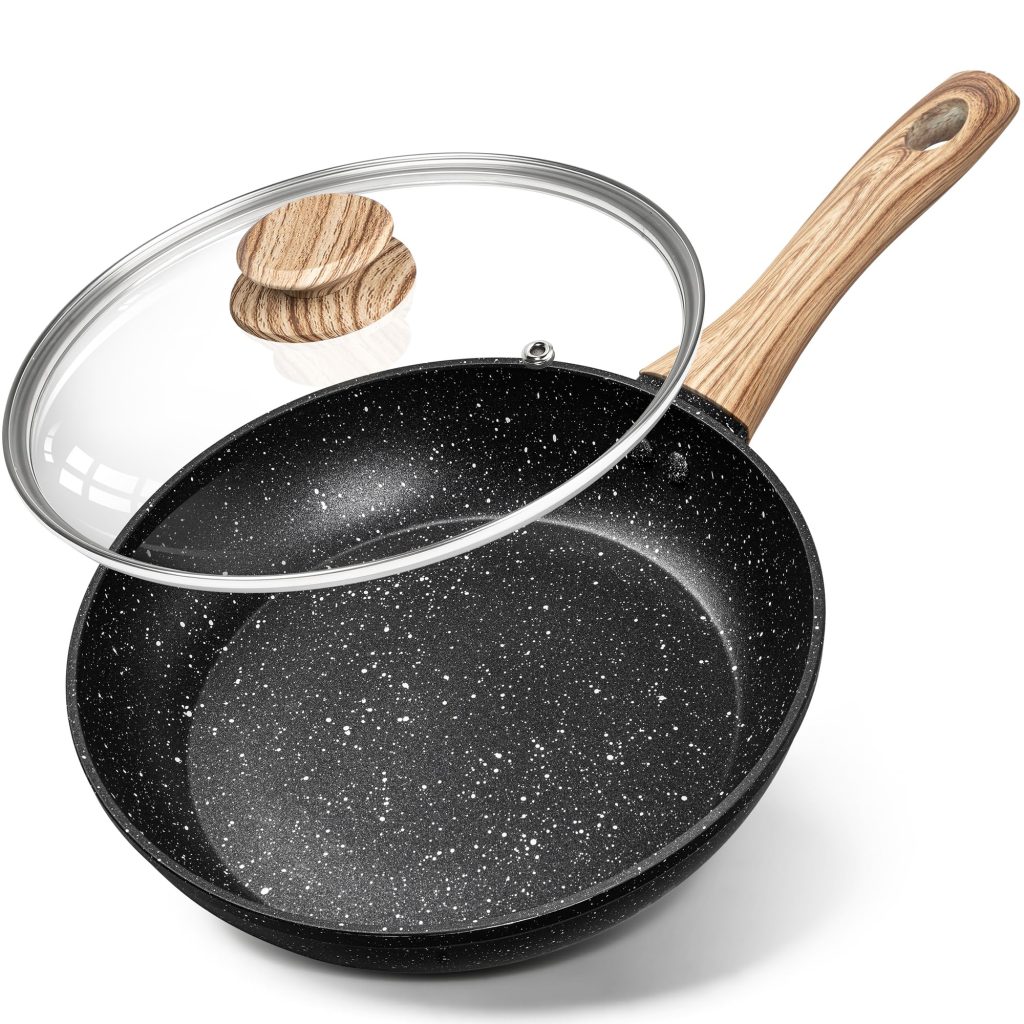
Have you ever struggled with food sticking to your pan and making cooking a frustrating mess? If so, you’re not alone.
A non stick pan could be the simple solution you’ve been searching for. But what exactly is a non stick pan, and how can it change the way you cook? Keep reading, because understanding this kitchen essential might just transform your meals and save you time on cleanup.
You’ll discover why so many home cooks swear by it—and how choosing the right one can make all the difference in your kitchen.

Credit: www.amazon.com
Non Stick Pan Basics
A non stick pan helps food cook without sticking to the surface. It makes cooking and cleaning easier.
These pans have a special coating that stops food from sticking. They are popular in many kitchens.
Materials Used
Non stick pans are made from different metals. Aluminum is the most common because it heats up quickly.
Some pans use stainless steel or cast iron as the base. The coating is added on top of these metals.
- Aluminum: lightweight and heats fast
- Stainless steel: strong and durable
- Cast iron: retains heat well
How Non Stick Coating Works
The non stick coating is made of materials that stop food from sticking. It creates a smooth surface.
The most common coating is called PTFE. It forms a slippery layer that food slides off easily.
- Coating reduces friction between food and pan
- Food cooks evenly without sticking
- Cleaning is quick and simple
Types Of Non Stick Pans
Non stick pans make cooking easier by preventing food from sticking. They come in different types with unique features. Knowing the types helps you pick the right pan for your kitchen.
Each type has its own coating and material. This affects durability, heat distribution, and ease of cleaning. Let’s look at some common types of non stick pans.
Teflon Coated Pans
Teflon coated pans have a smooth, synthetic coating called PTFE. This coating stops food from sticking and makes cleanup simple. Teflon pans heat quickly and work well for low to medium heat cooking.
- Affordable and widely available
- Do not use high heat to avoid damage
- Can be scratched by metal utensils
- Great for eggs, pancakes, and delicate foods
Ceramic Non Stick Pans
Ceramic pans use a natural, non-stick coating made from silica. These pans are free from chemicals like PTFE and PFOA. They offer good heat resistance and are safer for high temperature cooking.
| Feature | Teflon Pans | Ceramic Pans |
| Coating Material | PTFE | Silica-based ceramic |
| Heat Tolerance | Low to medium heat | High heat safe |
| Durability | Moderate | Good but can chip |
| Cleaning | Easy | Easy |
Anodized Aluminum Pans
Anodized aluminum pans have a hard, non-stick surface created by treating aluminum with an electric process. This makes the pan strong and resistant to scratches. They heat evenly and last longer than regular aluminum pans.
- Durable and scratch-resistant surface
- Even heat distribution
- Does not react with acidic foods
- Easy to clean and maintain
Benefits Of Non Stick Pans
Non stick pans are popular in many kitchens. They have a special coating that stops food from sticking.
This makes cooking easier and less messy. Let’s look at some main benefits of using non stick pans.
Easy Food Release
Food slides right off non stick pans. You don’t need to use much oil or butter to keep food from sticking.
This helps cook delicate foods like eggs and fish without breaking them apart.
Healthier Cooking Options
Non stick pans need little or no oil for cooking. This reduces the amount of fat in your meals.
You can prepare healthy dishes with less added fat and fewer calories.
Simplified Cleaning
Cleaning non stick pans is faster and easier. Food does not stick, so scrubbing is gentle and quick.
This saves time and helps keep your pans in good shape for longer use.
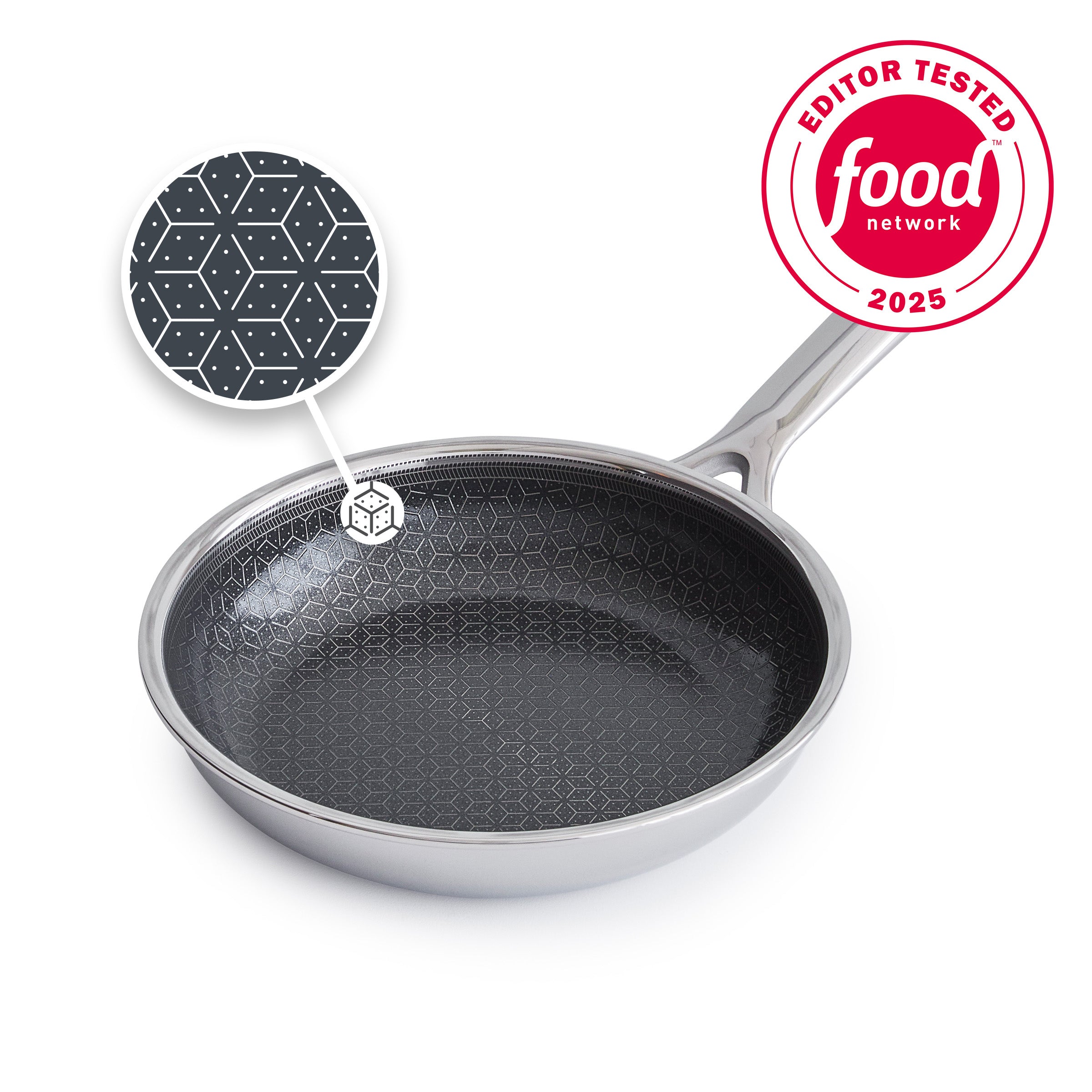
Credit: www.greenpan.us
Choosing The Right Non Stick Pan
Picking the right non stick pan helps you cook better meals. It saves time and makes cleaning easy.
Think about your cooking style and needs before buying a pan. Size, handles, and durability matter.
Size And Shape Considerations
Choose a pan size that fits your usual cooking. Small pans work for one or two people.
Bigger pans suit families or cooking large meals. Round pans are common for even heating.
- 8 to 10 inches for small meals
- 12 inches or more for bigger meals
- Square pans offer more cooking space
- Shallow pans heat food quickly
Handle And Lid Features
Look for handles that feel comfortable and stay cool. Strong handles make lifting easier.
A tight-fitting lid helps food cook evenly and keeps moisture inside. Some lids are glass to watch food.
- Ergonomic handles improve grip
- Heat-resistant handles prevent burns
- Glass lids allow you to see food
- Metal lids are durable and oven safe
Durability And Warranty
Choose pans made with strong materials. Look for coatings that last without peeling or scratching.
A warranty shows the maker trusts their pan. It protects you from defects and poor quality.
- Hard-anodized aluminum resists dents and scratches
- Ceramic coatings offer a natural non stick surface
- Check if the pan is dishwasher safe
- Longer warranty means better quality
Care And Maintenance Tips
Non stick pans make cooking easier by preventing food from sticking. Proper care helps keep the pan in good shape for longer use.
Follow simple tips to clean, protect, and store your non stick pan well. This keeps the coating safe and the pan working well.
Proper Cleaning Methods
Clean your non stick pan gently after each use. Use warm water and mild soap to remove food without harming the surface.
Avoid harsh scrubbing tools that can scratch the coating. Soft sponges or cloths work best for cleaning.
- Wash with warm water and gentle dish soap
- Use a soft sponge or cloth for cleaning
- Rinse thoroughly to remove soap residue
- Dry the pan with a soft towel to prevent water spots
- Do not put the pan in the dishwasher unless labeled safe
Avoiding Scratches And Damage
Use only wooden, silicone, or plastic utensils with your non stick pan. Metal tools can scratch and damage the coating.
Do not overheat the pan. High heat can break down the non stick surface and reduce its effectiveness.
- Use non-metal utensils to protect the surface
- Cook on low to medium heat settings
- Do not use aerosol cooking sprays that can build residue
- Avoid stacking pans without protection between them
Storage Suggestions
Store your non stick pan carefully to keep the surface safe. Avoid stacking pans directly on top of each other.
Use pan protectors or soft cloths between pans to stop scratches. Keep the pan in a dry place to avoid rust on the metal parts.
- Place a soft cloth or paper towel between stacked pans
- Keep the pan in a dry, cool cabinet
- Hang the pan by its handle if possible
- Avoid heavy items on top of the pan

Credit: www.lecreuset.com
Common Myths About Non Stick Pans
Non stick pans are popular in many kitchens. People often worry about their safety and how long they last.
Let’s look at some common myths about non stick pans. We will focus on safety and durability.
Safety Concerns
Many think non stick pans release toxic fumes or chemicals. This is not true when you use them properly.
- Non stick pans do not release harmful gases below 500°F (260°C).
- Overheating any pan can cause damage but normal cooking is safe.
- Do not use metal tools to avoid scratching the coating.
- Cleaning with soft sponges keeps the pan safe and intact.
Longevity Issues
People often say non stick pans wear out quickly. The truth depends on care and usage.
| Myth | Fact |
| Non stick pans last only a year | They can last 3 to 5 years with good care |
| Scratches ruin the whole pan | Minor scratches do not affect cooking much |
| Dishwasher safe means long life | Hand washing extends the pan’s life |
Cooking Tips For Best Results
Non stick pans make cooking easier and cleanup faster. Using the right methods helps keep the pan in good shape. This guide shares simple tips for best results.
Following these tips keeps your food tasty and your pan working well. Learn how to use heat, pick foods, and avoid mistakes.
Ideal Heat Settings
Non stick pans work best on low to medium heat. High heat can damage the coating and reduce the pan’s life.
- Start on low heat to warm the pan gently.
- Use medium heat for cooking most foods.
- Avoid high heat to protect the non stick surface.
- Turn off heat soon after cooking to prevent overheating.
Suitable Foods To Cook
Non stick pans suit many foods, but some work better than others. They are great for delicate and low-fat cooking.
- Eggs and omelets cook evenly without sticking.
- Fish fillets stay intact during cooking.
- Pancakes and crepes slide out easily.
- Sautéed vegetables cook well with little oil.
- Lightly fried foods need less fat in these pans.
Avoiding Common Mistakes
| Mistake | Effect | Tip |
|---|---|---|
| Using metal utensils | Scratches the pan surface | Use wooden or silicone tools |
| Cooking on high heat | Damages coating quickly | Stick to low or medium heat |
| Cleaning with abrasive scrubbers | Wears off the non stick layer | Clean gently with soft sponges |
| Stacking pans without protection | Causes scratches and dents | Use pan protectors or cloths |
Frequently Asked Questions
What Is A Non-stick Pan Made Of?
A non-stick pan is typically made of aluminum or stainless steel. It is coated with a non-stick material like Teflon or ceramic. These coatings prevent food from sticking and make cleaning easier. Non-stick pans are popular for cooking delicate foods like eggs and fish.
How Do I Clean A Non-stick Pan?
Clean a non-stick pan with warm, soapy water and a soft sponge. Avoid using abrasive cleaners or scrubbers that can damage the coating. Rinse thoroughly and dry with a soft cloth. For tough stains, soak the pan in warm water before washing.
Are Non-stick Pans Safe For Health?
Yes, non-stick pans are generally safe for health. Modern non-stick coatings are free from harmful chemicals like PFOA. However, avoid overheating the pan, as high temperatures can release fumes. Always use the pan as per the manufacturer’s guidelines for safe cooking.
Can I Use Metal Utensils On Non-stick Pans?
It’s best to avoid using metal utensils on non-stick pans. Metal utensils can scratch and damage the non-stick coating. Instead, use wooden, silicone, or plastic utensils to preserve the surface. This will extend the life of your pan and maintain its effectiveness.
Conclusion
A non stick pan makes cooking and cleaning easy. Food does not stick, saving time and effort. It works well for eggs, pancakes, and delicate dishes. Choose the right pan for your kitchen needs. Take care by using soft utensils to avoid scratches.
This simple tool helps you cook with less oil. A non stick pan is a handy addition for many cooks. Try one to enjoy easier meals and cleanup.