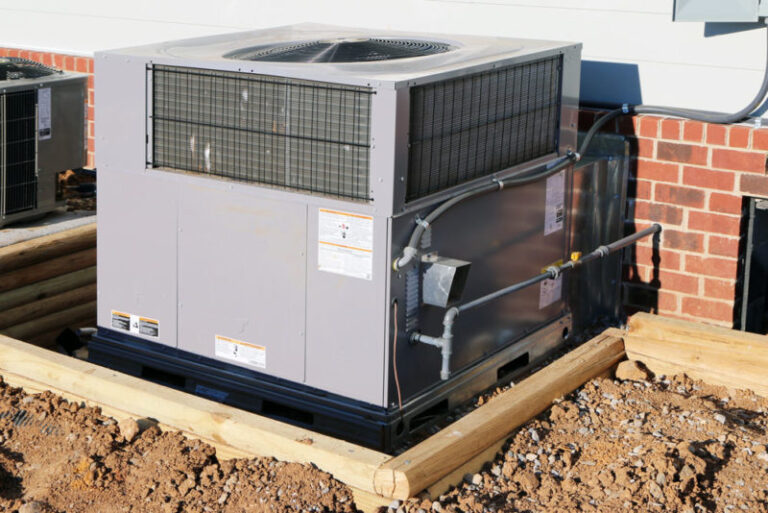
Are you wondering how to keep your home cool without complicated systems? A package unit air conditioner might be the simple solution you need.
This all-in-one cooling system can save you space, cut energy costs, and make your home more comfortable. But what exactly is a package unit air conditioner, and how does it work? Keep reading, and you’ll discover everything you need to know to decide if it’s the right choice for your cooling needs.

Credit: www.acdirect.com
Package Unit Air Conditioner Basics
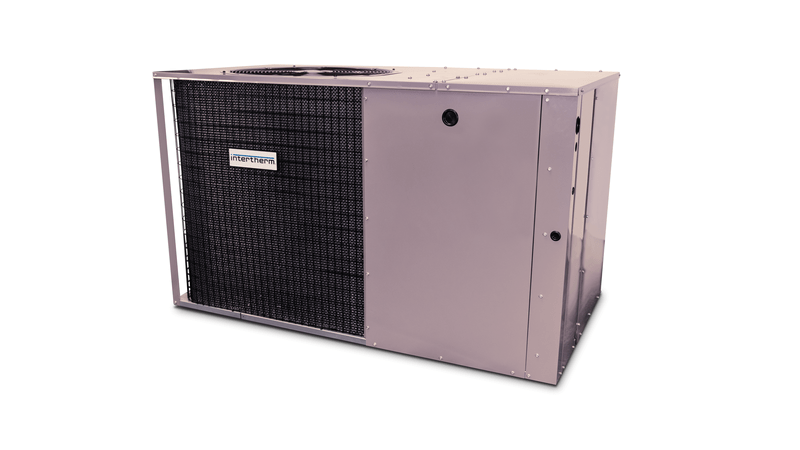
A package unit air conditioner is a single system that cools and heats a building. It contains all parts in one unit, usually placed outside or on the roof.
This type of air conditioner is common for homes and small businesses. It saves space and is easy to install.
Key Components
Package unit air conditioners have several important parts that work together to cool and heat air efficiently.
- Compressor:Pressurizes refrigerant and moves it through the system.
- Condenser Coil:Releases heat from the refrigerant to the outside air.
- Evaporator Coil:Absorbs heat from inside air to cool it.
- Blower Fan:Circulates air through the evaporator coil and into the building.
- Expansion Valve:Controls refrigerant flow into the evaporator.
How It Works
The package unit cools indoor air by moving heat outside. It uses a cycle of compression and expansion of refrigerant.
| Step | Process |
|---|---|
| 1 | The compressor compresses refrigerant gas. |
| 2 | Hot gas moves to the condenser coil. |
| 3 | The condenser releases heat to outside air and cools the gas to liquid. |
| 4 | The liquid refrigerant passes through the expansion valve. |
| 5 | The refrigerant evaporates in the evaporator coil, cooling indoor air. |
| 6 | The blower fan sends cooled air into the building. |
Types Of Package Units
A package unit air conditioner combines heating and cooling in one unit. It is installed outside a building. There are different types, each with unique features.
Understanding the types helps in choosing the right unit for your needs. Here are the main types:
Air Conditioners
These units focus on cooling the air. They work best in areas with warm climates. Air conditioners are known for their efficiency and ease of installation.
- Great for cooling large spaces
- Energy efficient models available
- Simple maintenance requirements
Heat Pumps
Heat pumps provide both heating and cooling. They are versatile and can be used in various climates. These units are popular for their dual functionality.
- Ideal for moderate climates
- Efficient energy use
- Dual-purpose for heating and cooling
Gas-electric Units
Gas-electric units use gas for heating and electricity for cooling. They are powerful and reliable. These units are a good choice for areas with cold winters.
- Effective in colder regions
- Reliable heating with gas
- Uses electricity for cooling
Installation And Placement
A package unit air conditioner is a single system that cools your home. It contains all parts in one box, making installation simpler.
Choosing the right place to install the unit is important. It affects how well the system works and how long it lasts.
Roof Vs Ground Installation
You can install a package unit on the roof or on the ground. Each option has benefits and things to think about.
Roof installation saves yard space and keeps the unit out of sight. It also protects the unit from damage by pets or children.
Ground installation makes maintenance easier. The unit is easier to reach for repairs and cleaning.
- Roof installation saves space but needs a strong roof
- Ground installation is easier to service but needs enough yard space
- Roof units may need extra support and weather protection
- Ground units should be on a stable, level surface
Space Requirements
The package unit needs enough space around it for air to flow freely. Blocked airflow lowers cooling efficiency.
Keep the area clear of plants, debris, and walls. Follow the manufacturer’s guidelines for minimum clearance distances.
- Leave at least 2 feet of space on all sides
- Keep the top clear to allow heat to escape
- Make sure the unit is on a flat, stable surface
- Provide easy access for maintenance and repairs
Energy Efficiency Factors
Package unit air conditioners save energy by using smart designs. Understanding key factors helps you pick the right system. This lowers electric bills and keeps your home comfortable.
Three main points affect energy efficiency: SEER ratings, proper sizing, and good maintenance. Each one plays a role in how well your air conditioner works.
Seer Ratings
SEER stands for Seasonal Energy Efficiency Ratio. It measures how much cooling a unit provides for each unit of electricity used. Higher SEER means better efficiency and lower energy costs.
The SEER rating shows how well the air conditioner performs over a cooling season. Look for units with a SEER rating of 14 or higher for good efficiency.
Proper Sizing
Choosing the right size for your package unit is very important. Too big or too small units waste energy and cause discomfort. Proper sizing means the unit cools your space efficiently.
- Too large units cycle on and off often, wasting power.
- Too small units run too long, increasing wear and costs.
- Professional load calculation ensures correct size.
- Consider home size, insulation, and sun exposure.
Maintenance Tips
Regular maintenance keeps your air conditioner running well and saves energy. Simple tasks help prevent breakdowns and keep efficiency high.
| Maintenance Task | Frequency | Benefits |
| Clean or replace filters | Monthly or as needed | Improves airflow, saves energy |
| Check refrigerant levels | Yearly | Ensures proper cooling |
| Clear debris from unit | Monthly | Prevents blockages, improves efficiency |
| Inspect electrical components | Yearly | Prevents failures, maintains safety |
Advantages Of Package Units
Package unit air conditioners combine heating and cooling in one system. They are easy to install and use less space.
These units offer several benefits that make them popular for homes and businesses. They save time, money, and effort.
Compact Design
Package units come in one compact box. This design saves indoor space because all parts are together.
The unit fits on rooftops or outside walls, freeing up room inside the building. It works well for small spaces.
Ease Of Maintenance
Maintenance is simple because all components are in one place. Technicians can find and fix problems faster.
Package units need less cleaning and fewer repairs. This saves time and lowers maintenance costs over time.
Cost Benefits
Package units usually cost less to install than separate systems. The single unit reduces labor and material expenses.
They also use energy efficiently, which lowers electric bills. This makes them a budget-friendly choice for many users.
Credit: www.intertherm.net
Common Issues And Troubleshooting
Package unit air conditioners can face some common problems during use. Knowing these issues helps you fix them quickly.
This guide covers noise problems, airflow issues, and refrigerant leaks. Each section explains the problem and how to troubleshoot it.
Noise Problems
Strange noises from your air conditioner often mean a problem. These sounds can include rattling, buzzing, or grinding.
Noises usually come from loose parts, worn motors, or debris in the unit. Checking and tightening parts can help.
- Inspect fan blades for damage or dirt
- Tighten screws and bolts inside the unit
- Check the motor for wear or unusual sounds
- Clean any debris blocking moving parts
Airflow Issues
Weak airflow means less cooling power. Blocked filters or fans can cause airflow problems.
Dirty filters reduce air moving through the system. Fans may stop working due to electrical or mechanical problems.
- Clean or replace air filters regularly
- Check if fan blades spin freely
- Inspect fan motor and wiring for damage
- Clear any blockages in air vents
Refrigerant Leaks
Refrigerant leaks cause poor cooling and higher energy use. You might notice ice on coils or a hissing sound.
Leaks require a professional to find and fix. Adding refrigerant without repair wastes money and harms the system.
- Look for oily stains on refrigerant lines
- Listen for hissing sounds near pipes or coils
- Watch for ice buildup on evaporator coils
- Call a technician to repair leaks and recharge refrigerant
Upgrading And Replacing
A package unit air conditioner combines heating and cooling in one system. It is usually installed outside a building. Over time, these units can lose efficiency or stop working properly.
Knowing when to upgrade or replace your package unit helps save energy and keep your home comfortable. This guide explains signs you need a new unit and how to choose an efficient model.
Signs You Need A New Unit
Watch for these signs that show your package unit may need replacement:
- Increased energy bills without more use
- Uneven cooling or heating in rooms
- Frequent repairs and higher maintenance costs
- Strange noises or bad smells from the unit
- Unit is over 10-15 years old
- System fails to maintain set temperatures
Choosing An Efficient Model
Selecting an energy-efficient package unit lowers costs and helps the environment. Compare key features before buying.
| Feature | What to Look For |
| SEER Rating | Higher number means better efficiency |
| Energy Star | Certified units save more energy |
| Proper Size | Match unit size to your space needs |
| Warranty | Longer warranty covers parts and labor |
Credit: airgreen.ca
Frequently Asked Questions
What Is A Package Unit Air Conditioner?
A package unit air conditioner combines all cooling components in one outdoor unit. It saves indoor space and simplifies installation.
How Does A Package Unit Air Conditioner Work?
It circulates refrigerant between the compressor, condenser, and evaporator to cool air. The unit then distributes cooled air inside the building.
What Are The Benefits Of Package Unit Air Conditioners?
They are compact, easy to install, and ideal for limited indoor space. Maintenance is simpler since all parts are together outdoors.
Where Are Package Unit Air Conditioners Commonly Used?
They are popular in commercial buildings, small offices, and homes lacking space for split systems. They suit rooftop or ground-level installation.
Conclusion
A package unit air conditioner combines all parts in one box. It saves space and is easier to install. This type suits homes and small businesses well. It cools and heats efficiently with less noise. Understanding how it works helps you choose the right system.
Keep in mind, regular maintenance keeps it running smoothly. A simple, compact solution for year-round comfort.