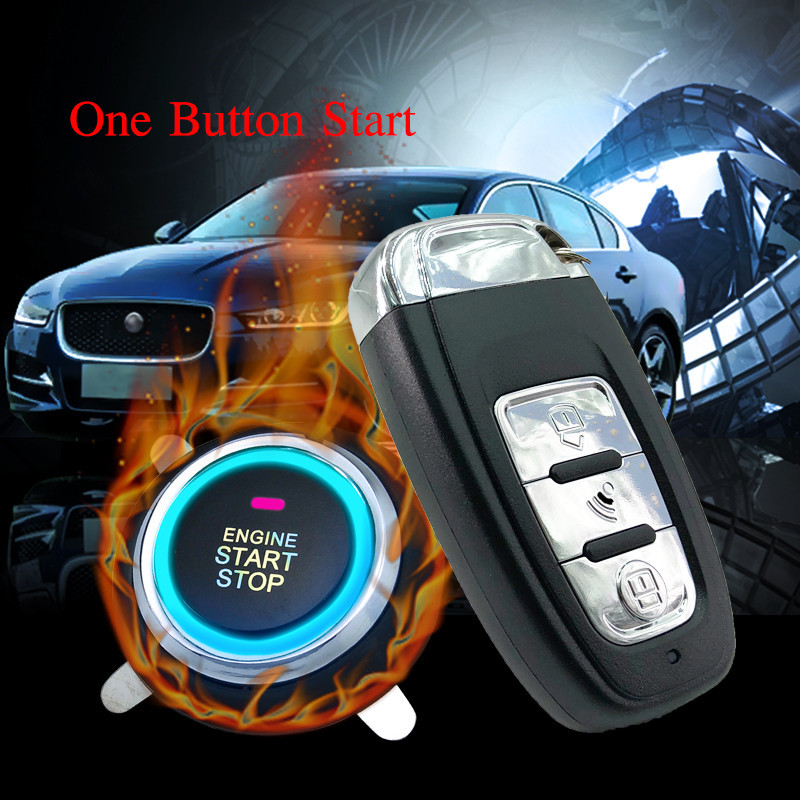
Have you ever worried about leaving your car unattended and wondered if it’s truly safe? You might think your car alarm is working for you, but do you really know what a passive car alarm is and how it protects your vehicle?
Understanding this simple yet powerful feature can give you peace of mind and help keep your car safer than ever. Keep reading to discover what a passive car alarm is, why it matters to you, and how it works quietly in the background to guard your ride without you even noticing.
Passive Car Alarms Explained
A passive car alarm is a security system for vehicles. It activates automatically without needing the driver to turn it on.
This type of alarm helps protect cars from theft and break-ins by being active whenever the car is locked.
How Passive Alarms Work
Passive car alarms turn on when you lock your car doors. You do not need to press any button to activate them.
The alarm monitors doors, windows, and sometimes the hood and trunk. If someone tries to open them, the alarm sounds.
- The alarm activates after locking the car
- Sensors detect forced entry or movement
- Alarm sounds and lights flash to warn
- Some systems notify the owner or police
Types Of Passive Alarms
There are different kinds of passive car alarms. Each type has unique features to protect your vehicle.
- Standard Passive Alarms:Activate automatically when doors lock. Use basic sensors and sirens.
- Advanced Passive Alarms:Include motion detectors inside the car to catch intruders.
- Passive Immobilizers:Stop the car engine from starting without the key or remote.
- Remote Notification Alarms:Send alerts to your phone if the alarm triggers.
Benefits Of Passive Car Alarms
Passive car alarms protect vehicles automatically without any action needed from the driver. They activate when the car is locked or turned off.
These alarms offer many benefits that improve security and make car use easier for owners.
Automatic Activation
Passive car alarms turn on automatically once the vehicle is locked or the engine is switched off. This ensures the alarm is always active without relying on the driver to set it.
- Prevents forgetting to arm the alarm
- Activates instantly after locking the doors
- Works even if the owner is in a hurry
Enhanced Vehicle Security
Passive alarms improve car protection by detecting unauthorized entry or tampering. They make the vehicle a less attractive target for thieves.
| Security Feature | Benefit |
| Automatic arming | Reduces chances of theft |
| Motion sensors | Detects suspicious movement |
| Shock sensors | Alerts on impacts or break-ins |
User Convenience
Passive car alarms offer ease of use because they need no manual activation. The driver does not have to worry about turning the alarm on or off.
- No extra steps to secure the car
- Less chance of user error
- Peace of mind knowing the car is always protected
Passive Vs Active Car Alarms
Car alarms help protect vehicles from theft. There are two main types: passive and active alarms.
Understanding the difference helps you choose the right system for your needs.
Key Differences
Passive car alarms turn on automatically when you lock the car. Active alarms need you to press a button to activate them.
- Activation:Passive alarms activate without action. Active alarms require manual activation.
- Ease of use:Passive alarms are simpler to use. Active alarms offer more control.
- Security level:Both provide security but differ in alert timing.
- Battery usage:Active alarms can use more battery due to manual activation.
Pros And Cons
| Type | Advantages | Disadvantages |
| Passive Car Alarm | Activates automatically; easy to use; no risk of forgetting to activate | May cause false alarms; less control over activation |
| Active Car Alarm | More control; can choose when to activate; reduces false alarms | Requires manual activation; risk of forgetting to arm the system |
Credit: www.walmart.com
Installation And Maintenance
A passive car alarm helps protect your vehicle automatically. It activates when you lock your car without extra steps.
Proper installation and regular maintenance keep the alarm working well. This guide covers both topics.
Professional Vs Diy Installation
Professional installation ensures the alarm works correctly. Experts connect the system safely to your car.
DIY installation can save money but needs careful work. Incorrect setup may cause the alarm to fail.
- Professional installation uses proper tools and knowledge
- DIY requires reading instructions and understanding car wiring
- Professionals test the alarm after installation
- DIY installers must check the system before use
- Professional work often includes a warranty
Regular Maintenance Tips
Keep your passive car alarm in good shape with simple checks. Regular care helps avoid false alarms and failures.
Inspect the alarm system and battery regularly. Clean sensors and check connections for damage or dirt.
- Test the alarm monthly to ensure it activates properly
- Replace the backup battery every year or as needed
- Clean sensors with a soft cloth to remove dust
- Check wiring for loose or broken parts
- Keep the car doors and locks in good working order
Common Features And Technologies
A passive car alarm helps protect your vehicle without needing to turn it on manually. It activates automatically when you lock your car.
This system uses various sensors and notifications to detect and alert you to threats.
Shock Sensors
Shock sensors detect physical impacts or vibrations on the car. They sense if someone tries to hit or break into your vehicle.
- Detects strong hits to doors or windows
- Triggers alarm when sudden vibrations occur
- Adjustable sensitivity to avoid false alarms
- Works even if the car is parked on rough surfaces
Tilt And Motion Detectors
Tilt and motion detectors monitor if the car is lifted or moved without permission. They help stop theft attempts like towing or wheel theft.
| Feature | Description |
| Tilt Detection | Alerts if the car is lifted or tilted |
| Motion Detection | Detects movement inside or near the car |
| Automatic Activation | Works when the alarm is armed |
| Prevents Towing Theft | Triggers alarm if car is towed |
Remote Notifications
Remote notifications send alerts to your phone if the alarm goes off. This feature keeps you informed even when far from your car.
Common remote notification types include:
- Text messages (SMS)
- Mobile app alerts
- Email notifications
- Phone calls or voice alerts

Credit: mm.made-in-china.com
Choosing The Right Passive Alarm
A passive car alarm activates automatically when you lock your vehicle. It helps protect your car without extra steps from you. Choosing the right passive alarm depends on some key factors.
This guide covers compatibility with your vehicle, budget considerations, and extra security features to help you decide.
Compatibility With Vehicle
Not all passive alarms fit every car. Check your vehicle’s make and model before buying. Some alarms work better with specific systems or electronics.
- Look for alarms designed for your car type.
- Verify if installation needs professional help.
- Ensure the alarm system matches your vehicle’s electrical system.
Budget Considerations
Passive alarms come in many price ranges. Set a budget before choosing. More expensive models often offer better features and reliability.
| Price Range | Main Features | Best For |
| $50 – $100 | Basic alert sounds | Small cars, simple security needs |
| $100 – $200 | Remote control, better sensors | Most vehicles, moderate protection |
| $200 and up | Smartphone alerts, GPS tracking | High-value cars, advanced security |
Additional Security Features
Extra features add layers of protection. Choose alarms with features that suit your needs.
- Shock sensors that detect impact
- Remote notifications sent to your phone
- Automatic engine immobilizer
- Backup battery for power cuts
Myths And Facts About Passive Alarms
Passive car alarms activate automatically when you lock your car. They work without any extra action from you. Many people have ideas about how these alarms work. Some of these ideas are true, and some are not.
This article explains common myths and facts about passive car alarms. Understanding the truth helps you know how to protect your car better.
Myth: Passive Alarms Always Prevent Theft
Many believe that passive alarms stop all car theft. This is not true. Passive alarms only alert when the car is broken into. They do not stop the thief from trying.
Alarms can scare thieves away but cannot guarantee full protection. Other security measures are needed for better safety.
Fact: Passive Alarms Activate Automatically
One real fact is that passive alarms turn on by themselves. When you lock your car, the alarm sets without pressing any button. This feature helps if you forget to arm the system.
It is a useful function because it reduces human error in setting the alarm.
Myth: Passive Alarms Do Not Affect Battery Life
Some people think passive alarms never drain the car battery. This is false. Passive alarms use a small amount of power all the time to stay ready.
This power use is very low but can drain a weak battery if the car is not used for a long time.
Fact: Passive Alarms Can Reduce False Alarms
Passive alarms often have sensors that avoid false alarms. They only sound if there is real movement or break-in. This fact makes them more reliable than some older systems.
- Use motion sensors that detect real threats
- Ignore small vibrations like wind or passing trucks
- Help reduce annoyance to owners and neighbors
Comparison Of Passive And Active Alarms
| Feature | Passive Alarm | Active Alarm |
| Activation | Automatic on lock | Manual button press |
| Risk of Forgetting | Low | High |
| Battery Use | Low continuous drain | Uses power only when active |
| False Alarms | Less frequent | More frequent |

Credit: www.amazon.com
Future Trends In Car Security
Car security is changing with new technology. These changes make cars safer and harder to steal.
Passive car alarms are part of this change. They work without needing you to activate them.
Smart Alarm Systems
Smart alarm systems use sensors and apps to protect cars better. They can alert owners instantly if there is a problem.
These alarms can detect things like glass breaking or motion near the car. Owners get notifications on their phones right away.
- Use motion and vibration sensors
- Send alerts to mobile devices
- Allow remote control and monitoring
Integration With Vehicle Technology
Car alarms now connect with other vehicle systems. This helps improve security and driver awareness.
Examples include linking alarms with GPS and engine immobilizers. These systems work together to stop theft and track the car if stolen.
- Connect alarms to GPS tracking
- Use engine immobilizers for extra safety
- Sync with car’s central computer
Frequently Asked Questions
What Is A Passive Car Alarm System?
A passive car alarm system automatically arms itself when the vehicle is turned off. Unlike active systems, it doesn’t require manual activation. This feature enhances security by ensuring the alarm is always ready, even if the driver forgets to activate it.
Passive alarms provide seamless protection and peace of mind.
How Does A Passive Car Alarm Work?
A passive car alarm activates automatically without needing the driver’s input. When the ignition is turned off and doors are closed, the system arms itself. If an intrusion is detected, the alarm triggers. This automatic arming helps in preventing theft by ensuring the vehicle is always protected.
What Are The Benefits Of Passive Car Alarms?
Passive car alarms offer automatic arming, reducing the chance of human error. They provide continuous protection without requiring activation. The system is convenient and increases security by always being ready. This reliability makes passive alarms a popular choice for vehicle owners looking for hassle-free security solutions.
Are Passive Car Alarms Better Than Active Ones?
Passive car alarms are more convenient as they automatically arm themselves. This ensures the vehicle is always protected. Active alarms require manual activation, which can be forgotten. Both systems have their advantages, but passive alarms offer enhanced security without the need for constant user interaction.
Conclusion
A passive car alarm helps protect your vehicle automatically. It turns on without you needing to do anything. This feature adds safety and peace of mind. Many cars today include this system as standard. Understanding how it works can keep your car safer.
Simple, effective protection is what a passive alarm offers. Consider this feature when thinking about car security. It quietly guards your car every time you lock it. A small step for big security benefits.