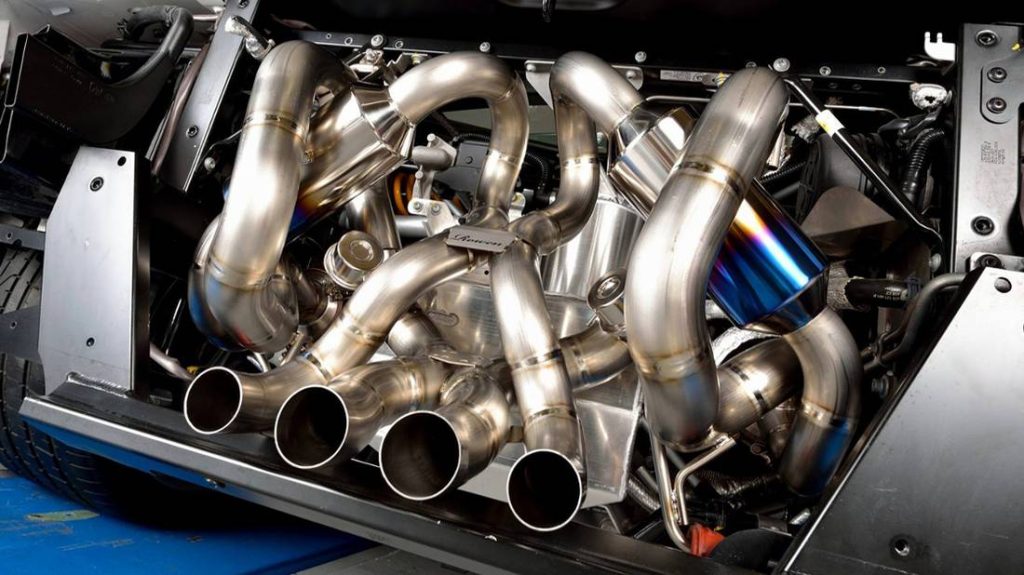
Have you ever wondered what makes some cars roar louder and feel more powerful? The answer often lies in something called a performance exhaust system.
If you want to boost your vehicle’s power, improve its sound, and even enhance fuel efficiency, understanding this system is key. You’ll discover exactly what a performance exhaust system is, how it works, and why it might be the upgrade your car needs.
Keep reading to find out how this simple change can transform your driving experience.

Credit: www.bimmerworld.com
Benefits Of A Performance Exhaust
A performance exhaust system helps your vehicle run better. It replaces the stock exhaust with parts that allow gases to flow more freely.
This upgrade improves how your engine works. It also changes the sound and can save fuel.
Improved Horsepower And Torque
A performance exhaust reduces back pressure in the engine. This lets the engine breathe easier and push out exhaust faster.
With less restriction, the engine produces more power and torque. This means better acceleration and stronger performance.
Enhanced Sound And Style
Performance exhausts create a deeper and louder sound. This sound is often sportier and more aggressive than stock systems.
The design of these exhausts also adds a stylish look. Shiny tips and unique shapes make the car stand out.
Better Fuel Efficiency
By improving exhaust flow, the engine uses fuel more efficiently. This can lead to fewer trips to the gas station.
Better fuel efficiency saves money and reduces emissions, helping the environment.
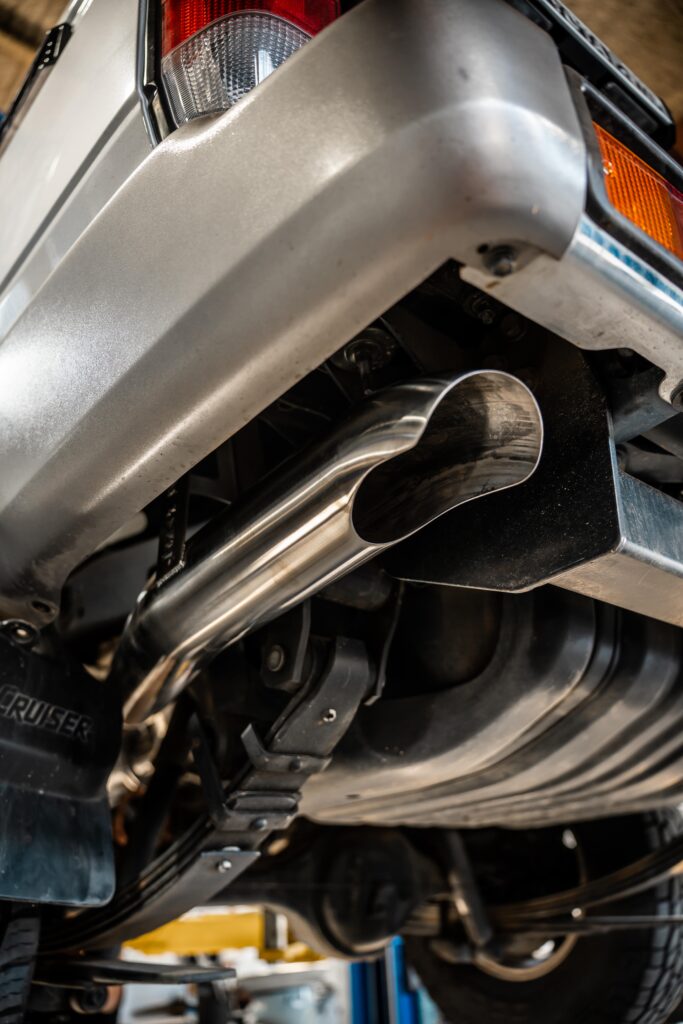
Credit: www.justdieselperformance.com.au
Key Components Of Performance Exhausts
A performance exhaust system improves how your vehicle breathes. It helps the engine push out exhaust gases faster. This results in better power and sound. Each part of the system plays an important role.
Understanding the main parts helps you know what makes a good performance exhaust system. Let’s look at the key components.
Headers And Manifolds
Headers and manifolds collect exhaust gases from the engine cylinders. They guide the gases into the exhaust pipes. Performance headers use smooth, wide tubes to reduce air resistance. This helps the engine breathe better and work more efficiently.
High-flow Catalytic Converters
Catalytic converters reduce harmful emissions from exhaust gases. High-flow types allow gases to pass faster while still cleaning them. This balance keeps the car eco-friendly and improves performance.
Mufflers And Resonators
Mufflers and resonators control the sound of the exhaust. They reduce noise while keeping a deep, sporty tone. Different designs affect sound quality and engine performance.
- Chambered mufflers create a louder, aggressive sound.
- Straight-through mufflers offer less resistance and better flow.
- Resonators fine-tune the exhaust tone and reduce drone inside the car.
Exhaust Pipes
Exhaust pipes carry gases from the headers to the tailpipe. Larger pipes allow gases to flow faster. The material and shape also affect weight and heat resistance.
| Component | Function | Effect on Performance |
| Headers and Manifolds | Collect exhaust gases | Improves engine breathing |
| High-Flow Catalytic Converter | Reduce emissions | Cleaner exhaust with better flow |
| Mufflers and Resonators | Control sound | Shapes exhaust tone and reduces noise |
| Exhaust Pipes | Carry exhaust gases | Faster flow and heat resistance |
Types Of Performance Exhaust Systems
Performance exhaust systems improve your car’s power and sound. They replace parts of the factory exhaust with better ones. This helps the engine breathe more easily.
There are different types of performance exhaust systems. Each type changes a different section of the exhaust. Learn about Cat-Back, Axle-Back, and Header-Back systems below.
Cat-back Systems
Cat-Back systems replace the exhaust pipe starting after the catalytic converter. They include the pipe, muffler, and tailpipe. This system improves exhaust flow and sound without affecting emissions.
- Includes pipe from catalytic converter to exhaust tip
- Better sound and performance
- Easy to install on many cars
- Does not affect emissions control
Axle-back Systems
Axle-Back systems replace the exhaust from the rear axle to the exhaust tip. They usually change just the muffler and tailpipe. This system mainly changes the sound of the car.
| Part Replaced | Effect |
| Muffler and tailpipe | Improves sound only |
| Does not change exhaust flow | Less power gain |
| Easy to install and cheaper | Popular for street cars |
Header-back Systems
Header-Back systems replace the entire exhaust from the headers to the tip. This system offers the most power and sound improvement. It includes headers, pipes, mufflers, and tailpipes.
Benefits of Header-Back Systems:
- Maximizes exhaust flow and power
- Customizable sound levels
- Often used for racing and high performance
- More complex to install
Materials And Durability
A performance exhaust system improves a car’s sound and power. The materials used affect how long it lasts and how well it works. Choosing the right metal is important for durability and resistance to heat and rust.
Different metals offer unique benefits. Some are strong and resist corrosion, while others are light and handle high temperatures better. This guide covers popular materials for exhaust systems.
Stainless Steel Options
Stainless steel is a common choice for performance exhausts. It resists rust and lasts a long time. There are several grades, each with different strengths and prices.
- 304 stainless steel is strong and corrosion-resistant.
- 409 stainless steel is cheaper but less durable.
- 316 stainless steel offers the best rust resistance but costs more.
Aluminized Steel
Aluminized steel has a coating of aluminum to protect it from rust. It costs less than stainless steel but is not as durable. It works well for daily drivers and budget builds.
| Property | Aluminized Steel | Stainless Steel |
|---|---|---|
| Rust Resistance | Moderate | High |
| Cost | Low | High |
| Durability | Medium | Long-lasting |
| Heat Resistance | Good | Excellent |
Titanium And Other Exotic Metals
Titanium is very light and strong. It handles heat well and does not rust. Exotic metals like Inconel offer even higher heat resistance but cost much more.
- Titanium reduces weight for better performance.
- Exotic metals suit extreme racing conditions.
- Both types offer excellent durability under heat.
Installation And Maintenance Tips
A performance exhaust system helps your vehicle run better and sound stronger. Installing and caring for it right keeps it working long.
Here are tips on installation and how to maintain your exhaust system for best results.
Professional Vs Diy Installation
Installing a performance exhaust can be done by experts or by yourself. Professionals have the tools and skills for a perfect fit.
DIY installation can save money but requires careful work and some experience with car parts.
- Professional installation ensures safety and warranty coverage
- DIY installation needs proper tools and clear instructions
- Improper installation may cause leaks or poor performance
- Experts check for correct fit and alignment
Regular Inspections
Check your exhaust system often to catch problems early. Look under your car for loose or damaged parts.
Listen for unusual sounds like rattling or loud noises. These can mean leaks or broken hangers.
- Inspect joints and clamps for tightness
- Look for cracks or holes in pipes
- Check hangers and mounts for wear
- Listen for changes in exhaust sound
Preventing Rust And Corrosion
Rust can damage your exhaust system and cause leaks. Keep it clean and dry to prevent rust and corrosion.
Use rust-resistant coatings or sprays made for exhaust parts. Avoid driving through deep water to protect the system.
- Clean exhaust pipes regularly with water and mild soap
- Dry the system after washing or rain
- Apply rust protection sprays every few months
- Avoid salty roads or wash salt off quickly
Legal And Emission Considerations
A performance exhaust system changes how a vehicle releases gases. These changes can affect noise and emissions. It is important to understand laws before installing one.
Many countries have rules to limit noise and pollution. Ignoring these rules can lead to fines or problems with vehicle inspections.
Noise Regulations
Performance exhausts often make louder sounds. Laws set limits on how loud a vehicle can be. These limits protect communities from noise pollution.
Check local noise limits before installing a new exhaust. Some places require special permits or testing to meet sound rules.
Emission Standards Compliance
Exhaust systems affect how much pollution a car emits. Many countries have strict emission standards to reduce air pollution.
Performance exhausts must not increase harmful emissions. Some systems include parts like catalytic converters to meet rules.
- Check if the exhaust system has emission certification.
- Keep original emission parts if required by law.
- Failing emission tests can stop car registration.
Warranty And Insurance Impact
Installing a performance exhaust may affect your vehicle warranty. Some manufacturers may deny coverage for exhaust-related issues.
Insurance companies might charge more or refuse claims if the exhaust is not legal. Always inform your insurer about modifications.
- Read your vehicle warranty terms before changes.
- Tell your insurance about any exhaust upgrades.
- Keep receipts and certification for installed parts.
Choosing The Right Exhaust For Your Ride
A performance exhaust system changes how your vehicle breathes. It can improve power and sound. Choosing the right one matters for your driving style and goals.
There are many options available. You need to match the exhaust to your needs. Let’s look at how to choose the best fit.
Matching Performance Goals
Think about what you want from your exhaust. Do you want more horsepower, better sound, or fuel efficiency? Different exhausts focus on different results.
- High flow exhausts increase power but can be loud.
- Cat-back systems improve sound and flow without major changes.
- Turbo-back exhausts help turbocharged engines perform better.
- Lightweight materials reduce weight for faster acceleration.
Budget And Quality Balance
Set a budget for your exhaust upgrade. Price affects materials and build quality. Cheaper options may save money now but might wear out faster.
| Price Range | Material | Durability | Performance |
| Low | Aluminized Steel | Moderate | Basic |
| Mid | Stainless Steel | High | Good |
| High | Titanium / Carbon Fiber | Very High | Excellent |
Brand Reputation And Reviews
Choose brands known for quality and reliability. Read user reviews to see real experiences. Look for consistent positive feedback on fit and sound.
Key points for checking brands:
- Warranty and customer support
- Years in the market
- Fitment accuracy for your car model
- Community recommendations
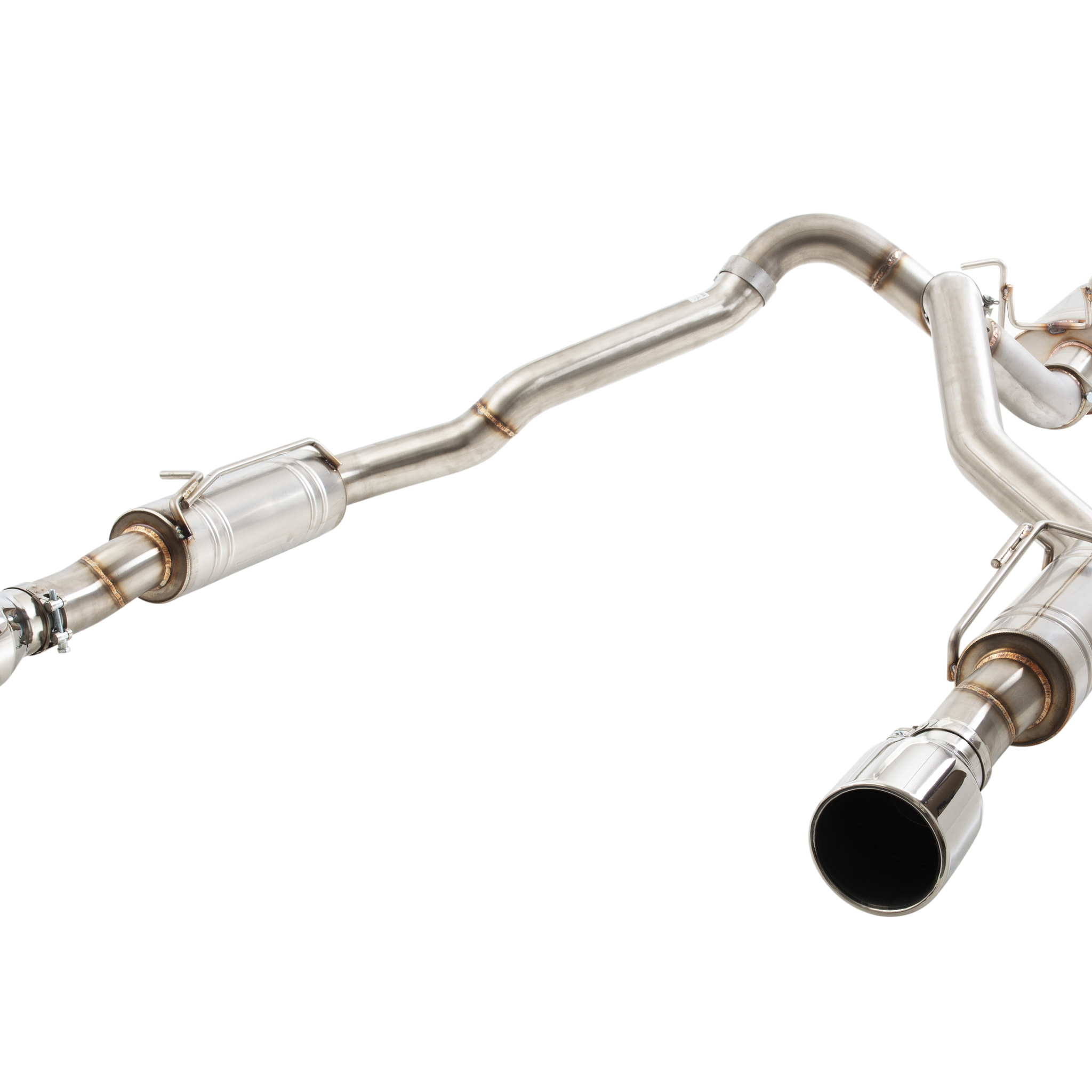
Credit: xforceusa.com
Frequently Asked Questions
What Is A Performance Exhaust System?
A performance exhaust system improves engine efficiency by enhancing exhaust flow. It reduces backpressure, boosts power, and often creates a sportier sound. This upgrade is popular among car enthusiasts seeking better performance and a more aggressive exhaust note.
How Does A Performance Exhaust System Work?
It works by using larger pipes and smoother bends to reduce exhaust resistance. This allows gases to exit faster, improving engine breathing. The result is increased horsepower, torque, and a more responsive throttle feel.
What Are The Benefits Of A Performance Exhaust System?
Benefits include increased horsepower, improved fuel efficiency, and enhanced sound quality. It also reduces engine strain and can extend engine life. Additionally, it gives vehicles a more aggressive and sporty appearance.
Is A Performance Exhaust System Legal For Street Use?
Legality depends on local laws and noise regulations. Some systems meet street-legal standards, while others are for off-road use only. Always check local regulations before installing to avoid fines or vehicle inspection issues.
Conclusion
A performance exhaust system helps cars run better and sound stronger. It lets the engine breathe easier and can improve fuel use. Many drivers enjoy the deeper, louder noise it makes. Choosing the right system depends on your car and needs.
Always check for quality parts and proper installation. Upgrading this part can be a smart step for car lovers. It adds a mix of power, style, and sound to your ride. Simple changes often bring noticeable results. Consider what fits your goals before making a decision.