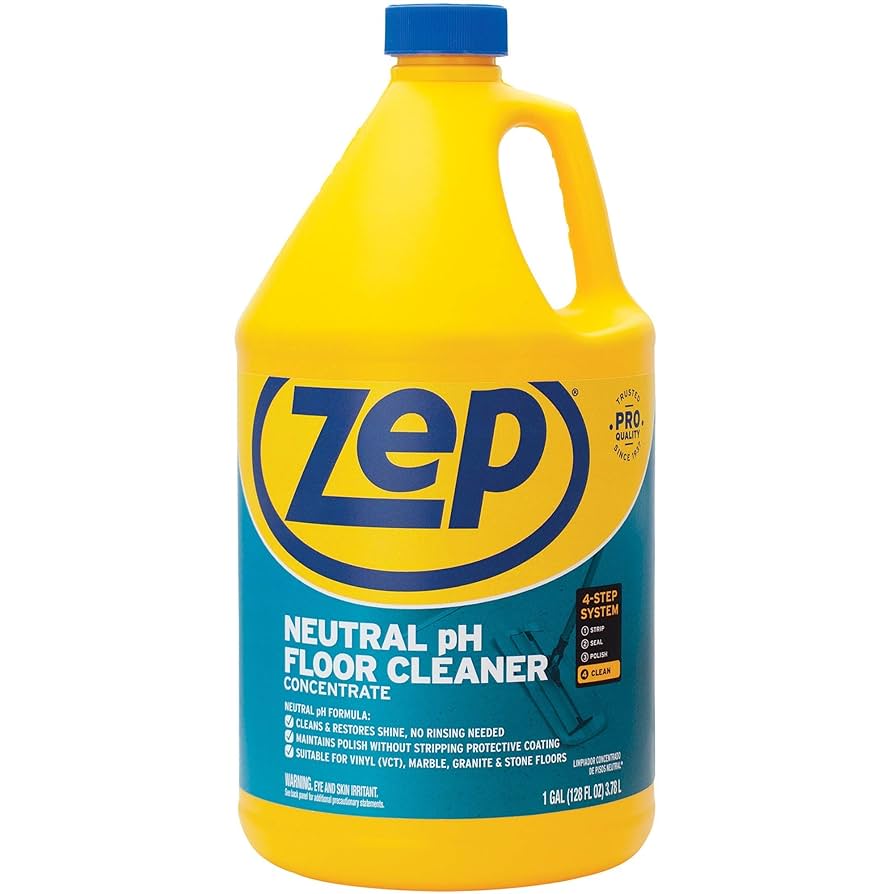
Are you tired of using harsh floor cleaners that leave streaks, damage your surfaces, or irritate your skin? You’re not alone.
Finding the right cleaner that protects your floors while keeping them spotless can be tricky. That’s where a pH neutral floor cleaner comes in. It’s gentle, effective, and safe for almost every type of floor. You’ll discover exactly what a pH neutral floor cleaner is and why it might be the best choice for your home or workplace.
Keep reading to learn how to keep your floors looking their best without any damage or hassle.
Ph Neutral Floor Cleaner Basics
Understanding the basics of a pH neutral floor cleaner can change how you care for your floors. These cleaners offer a gentle yet effective way to maintain cleanliness without causing damage. Knowing what pH neutral means and why it matters will help you choose the right product for your space.
What Ph Neutral Means
The term pH neutral refers to a substance that has a pH level of 7. This means it is neither acidic nor alkaline. In cleaning products, this balance helps prevent harsh reactions that could harm surfaces or your health.
Think about the last time you used a strong cleaner that left your floors sticky or dull. That often happens with products that are too acidic or too basic. A pH neutral cleaner avoids these issues, making it safe for most floor types.
Why Ph Neutral Matters For Floors
Your floors face constant wear and tear, and the wrong cleaner can speed up their deterioration. Acidic or alkaline cleaners can strip away finishes and cause discoloration over time.
Using a pH neutral floor cleaner protects finishes and keeps floors looking new longer. It’s especially important for delicate surfaces like hardwood, laminate, and natural stone.
Have you noticed how some floors feel rough or look faded after cleaning? Switching to a pH neutral cleaner might be the simple fix you need to maintain their original shine and texture.

Credit: www.amazon.com
Types Of Ph Neutral Floor Cleaners
PH neutral floor cleaners come in various types to suit different cleaning needs. Each type offers unique benefits and suits specific floor surfaces. Understanding these types helps you choose the right cleaner for safe and effective floor care.
Liquid Cleaners
Liquid PH neutral cleaners are popular for their ease of use. They dissolve quickly in water and clean surfaces evenly. These cleaners are gentle on floors and do not leave residues. Ideal for hardwood, laminate, and tile floors, they maintain shine without damage.
Powdered Cleaners
Powdered PH neutral cleaners are concentrated and cost-effective. You mix them with water before use, allowing control over cleaning strength. These cleaners work well for tough stains and heavy dirt. They are safe for most floor types and often last longer than liquid options.
Eco-friendly Options
Eco-friendly PH neutral cleaners focus on natural ingredients and biodegradability. They reduce chemical exposure and environmental impact. These cleaners are free from harsh toxins and safe for homes with children and pets. Using eco-friendly options supports green cleaning practices while protecting floors.
Benefits Of Ph Neutral Cleaners
PH neutral cleaners offer many benefits for floor care. They maintain cleanliness without harsh chemicals. Their balanced pH prevents damage to floors and surfaces. These cleaners work well in homes, offices, and commercial spaces. Using them supports long-lasting floor health and appearance.
Safe For All Floor Types
PH neutral cleaners suit all floor materials. They clean hardwood, tile, laminate, and vinyl safely. These cleaners avoid discoloration or corrosion. You can use them on sensitive floors without worry. Their gentle formula prevents stains and marks.
Gentle On Surfaces
These cleaners do not harm floor surfaces. They avoid stripping wax or polish layers. The mild ingredients reduce wear and tear. Surfaces stay smooth and intact after cleaning. This helps keep floors looking new longer.
Protects Floor Finish
PH neutral cleaners help maintain the floor’s finish. They avoid dulling or peeling of coatings. The finish remains shiny and protective. This protects floors from water and dirt damage. Regular use preserves the floor’s original beauty.

Credit: www.odoban.com
How To Use Ph Neutral Floor Cleaners
Using a pH neutral floor cleaner properly keeps floors safe and clean. These cleaners balance cleaning power with gentle care. They work well on many floor types without damage.
Follow simple steps for best results. The right dilution, application, and cleaning frequency matter. This ensures floors stay spotless and last longer.
Proper Dilution Techniques
Always read the product label for dilution instructions. Mix cleaner with water in the suggested ratio. Use clean water to avoid residue on floors.
Too strong a solution can leave streaks or damage finishes. Too weak may not clean well. Use measuring tools for accuracy.
Application Methods
Apply the cleaner using a mop, cloth, or spray bottle. For large areas, a mop works best. Spray small spots directly and wipe with a cloth.
Use gentle strokes to avoid scratching the floor. Avoid soaking floors with excess liquid. Let floors dry naturally or wipe with a dry cloth.
Frequency Of Use
Clean floors regularly to prevent dirt build-up. High-traffic areas may need daily cleaning. Less used areas can be cleaned weekly.
Adjust frequency based on floor type and dirt levels. Over-cleaning can wear finishes. Under-cleaning leaves floors dull and dirty.
Common Mistakes To Avoid
Using a pH neutral floor cleaner might sound simple, but many people make avoidable mistakes that reduce its effectiveness or even damage their floors. Recognizing these common errors can save you time, money, and frustration. Let’s look at key missteps to steer clear of when using these cleaners.
Using Harsh Chemicals Together
Combining a pH neutral cleaner with harsh chemicals like bleach or ammonia can cause unexpected reactions that harm your floor’s surface. I once mixed a neutral cleaner with vinegar, thinking it would boost cleaning power, but it left a dull residue instead. Always use your pH neutral cleaner alone to protect your flooring’s finish and avoid damaging it.
Overusing The Cleaner
More cleaner doesn’t mean a better clean. Applying too much product can leave sticky residues that attract dirt and make floors slippery. I noticed this after scrubbing my kitchen floor twice with the cleaner in one day—my floors felt greasy for hours. Stick to the recommended amount and use water to dilute when necessary.
Ignoring Manufacturer Instructions
Each pH neutral cleaner comes with specific guidelines that matter. Skipping these instructions can lead to poor results or damage. For example, some products are meant for certain floor types only. Have you ever ignored a label and regretted it? Taking a moment to read instructions ensures you use the cleaner safely and effectively.
Choosing The Right Ph Neutral Cleaner
Choosing the right pH neutral floor cleaner is crucial for maintaining your floors without causing damage. The perfect cleaner balances effectiveness with safety for your specific flooring type. Understanding what to look for can save you from costly repairs and keep your floors looking fresh.
Checking Ingredients
Look closely at the ingredients list on your cleaner’s label. Avoid harsh chemicals like ammonia or bleach, which can strip finish or discolor floors.
Instead, seek out natural surfactants and mild detergents designed to lift dirt without altering the floor’s surface. If the label mentions “pH neutral,” double-check that the pH level is around 7, as some products may claim neutrality but still lean acidic or alkaline.
Have you noticed some cleaners leave a sticky residue? That’s often a sign of additives that don’t fully rinse away.
Considering Floor Material
Different floors react uniquely to cleaning products. Hardwood floors, for example, are sensitive to water and harsh chemicals.
Use a pH neutral cleaner specifically formulated for wood to avoid warping or dulling the finish. For tiles or vinyl, check if the cleaner offers protection against grout discoloration or surface wear.
Have you ever used a cleaner that made your floor feel slippery? This could mean the product isn’t suitable for your floor type.
Evaluating Environmental Impact
Choosing a cleaner that is eco-friendly helps reduce your environmental footprint. Look for biodegradable formulas and packaging made from recycled materials.
Products free from phosphates and synthetic fragrances are less likely to harm aquatic life when rinsed away. Also, consider brands that disclose their ingredient sourcing and manufacturing practices.
What difference could small changes in your cleaning routine make for the planet? Opting for greener products supports healthier homes and communities.
Diy Ph Neutral Floor Cleaner Recipes
Making your own pH neutral floor cleaner can save money and give you control over the ingredients used in your home. These DIY recipes are gentle on surfaces and safe for frequent use, especially on delicate floors like hardwood and laminate. Let’s dive into some simple and effective homemade solutions you can try today.
Simple Homemade Solutions
One easy recipe combines warm water with a few drops of mild dish soap. This mixture cleans without stripping your floor’s finish or causing damage. Another option is mixing water with white vinegar, but only in small amounts to keep the solution neutral enough for sensitive floors.
You can also add a little baking soda for extra scrubbing power on tough spots. Remember, always test your cleaner on a small, hidden area first to make sure it doesn’t harm your floor.
Natural Ingredients To Use
- Castile soap:A gentle, plant-based soap that cleans effectively without harsh chemicals.
- White vinegar:Helps cut grease but must be diluted to keep the pH balanced.
- Baking soda:Acts as a mild abrasive to lift stains safely.
- Essential oils:Add a pleasant scent and some antibacterial properties. Tea tree or lavender oils work well.
These ingredients are easy to find and safe for both your floors and your family. Have you ever checked the label on commercial cleaners to see what’s really inside?
Storage Tips
Store your homemade cleaner in a clean, airtight container to keep it fresh. Glass spray bottles are ideal because they don’t react with natural ingredients. Label your bottle clearly and keep it out of reach of children and pets.
Use the cleaner within a week or two to maintain its effectiveness. If you notice any change in smell or appearance, it’s best to make a fresh batch. How often do you refresh your cleaning supplies to avoid using ineffective or expired products?

Credit: www.amazon.com
Frequently Asked Questions
What Does Ph Neutral Mean In Floor Cleaners?
PH neutral means the cleaner’s pH level is around 7, neither acidic nor alkaline. This balance makes it safe for most floor types, preventing damage or discoloration while effectively cleaning.
Are Ph Neutral Floor Cleaners Safe For All Floors?
Yes, pH neutral cleaners are generally safe for wood, tile, laminate, and vinyl floors. They clean gently without harming the surface or finish, making them ideal for delicate or sealed flooring.
How Does A Ph Neutral Floor Cleaner Work?
These cleaners remove dirt and grime using balanced ingredients that don’t react harshly with floor surfaces. Their neutral pH ensures effective cleaning without stripping protective coatings or causing wear.
Why Choose A Ph Neutral Floor Cleaner Over Others?
Choosing a pH neutral cleaner protects your floors from damage and extends their life. They are eco-friendly, safe for frequent use, and reduce the risk of residue buildup compared to acidic or alkaline products.
Conclusion
Choosing a pH neutral floor cleaner ensures safe and effective cleaning. It protects your floors from damage and maintains their shine. These cleaners work well on various surfaces, offering versatility. They are gentle on skin, reducing irritation risks. A pH neutral formula helps prevent residue, leaving floors spotless.
Consider your specific floor type when selecting a cleaner. Consistent use promotes a clean, healthy environment. This choice supports long-term floor care and maintenance. Simple, effective, and practical for everyday cleaning needs. Your floors deserve careful attention and the right products.
Keep them in top condition effortlessly.