Have you ever wondered what your plastic cutting board is really made of? You use it every day, chopping vegetables, slicing meat, and preparing meals for your loved ones.
But do you know what materials make it safe, durable, and easy to clean? Understanding what’s inside your cutting board can help you choose the best one for your kitchen and keep your food preparation safe and healthy. Keep reading, and you’ll discover the surprising facts about plastic cutting boards that could change the way you cook forever.
Types Of Plastics Used
Plastic cutting boards come from different types of plastics. Each plastic has its own qualities. These qualities affect how the board looks and lasts.
This guide explains the main plastics used for cutting boards. You will learn about polyethylene, polypropylene, and other materials.
Polyethylene Varieties
Polyethylene is the most common plastic for cutting boards. It is tough and safe for food contact. There are two main types used in cutting boards.
- High-Density Polyethylene (HDPE):Strong and durable. It resists cuts and scratches well.
- Low-Density Polyethylene (LDPE):Softer and flexible. Used less often for cutting boards.
HDPE boards are easy to clean and do not absorb water. This makes them hygienic and long-lasting.
Polypropylene Features
Polypropylene is another plastic used in cutting boards. It is lighter and more flexible than polyethylene. This plastic resists stains and chemicals well.
| Feature | Polypropylene |
| Flexibility | High |
| Strength | Moderate |
| Stain Resistance | Good |
| Water Absorption | Low |
| Common Use | Flexible cutting boards |
Other Plastic Materials
Besides polyethylene and polypropylene, some cutting boards use other plastics. These include acrylic and nylon. They offer different benefits and costs.
- Acrylic:Clear and smooth. It looks good but can scratch easily.
- Nylon:Hard and durable. It resists cuts well but can be costly.

Credit: www.foodandwine.com
Manufacturing Process
Plastic cutting boards are made through a careful manufacturing process. This process ensures the board is strong and safe for kitchen use.
The process involves selecting the right materials, shaping the plastic, and adding final touches for durability.
Material Selection
Manufacturers choose plastics that are food safe and tough. Common plastics include polyethylene and polypropylene.
These materials resist cuts and do not absorb liquids, making them ideal for cutting boards.
- High-density polyethylene (HDPE)
- Low-density polyethylene (LDPE)
- Polypropylene (PP)
- Food-grade plastic additives
Molding Techniques
Plastic sheets are formed using molding methods. Injection molding and compression molding are common choices.
These techniques shape the plastic into flat, sturdy boards that meet size and thickness needs.
- Injection molding: melts plastic and injects into molds
- Compression molding: presses heated plastic into shape
- Extrusion: pushes plastic through a shaped die for sheets
Finishing Touches
After molding, the boards get smooth edges and surfaces. This step makes them safe and easy to clean.
Manufacturers may add texture to prevent slipping. They also test each board for quality.
- Trimming rough edges
- Sanding surfaces smooth
- Adding non-slip texture
- Quality checks for safety
Durability And Safety
Plastic cutting boards are popular in kitchens. They are known for lasting a long time and being safe to use.
This article explains what makes plastic boards strong and safe for food preparation.
Resistance To Cuts And Scratches
Plastic cutting boards resist cuts and scratches well. This helps them stay smooth and clean for longer.
These boards are made from dense plastic materials that do not easily get damaged by knives.
Non-toxic Properties
Plastic cutting boards are made from food-safe plastics. They do not release harmful chemicals into food.
Manufacturers use plastics that meet safety standards to keep food fresh and healthy.
Heat Resistance
Plastic cutting boards can handle some heat but not very high temperatures. They should not touch hot pots or pans.
The plastic materials used provide moderate heat resistance to avoid warping or melting during normal use.
Environmental Impact
Plastic cutting boards are common in many kitchens. They are made from different types of plastic materials.
Understanding their environmental impact helps us make better choices for the planet.
Recyclability Of Plastic Boards
Many plastic cutting boards are made from polypropylene or polyethylene. These plastics can be recycled in some places.
Recycling depends on local facilities and the board’s condition. Worn or damaged boards are harder to recycle.
- Check local recycling rules before disposal
- Clean boards before recycling
- Some boards have recycling symbols to guide users
Sustainability Concerns
Plastic cutting boards come from fossil fuels, which are not renewable. This adds to pollution and waste.
When plastic boards break down, they can release microplastics into the environment. These tiny particles harm animals and water quality.
- Plastic production uses a lot of energy
- Waste plastic can take hundreds of years to degrade
- Improper disposal harms wildlife and ecosystems
Alternatives To Traditional Plastics
Some cutting boards use materials that are better for the environment. These include bamboo, wood, and recycled plastics.
Biodegradable and compostable options also reduce waste and pollution.
- Bamboo boards grow quickly and are renewable
- Wood boards can last long and be recycled or composted
- Recycled plastic boards reuse waste materials
- Biodegradable boards break down naturally after use
Care And Maintenance
Plastic cutting boards need proper care to stay safe and last long. Cleaning and handling them right keeps bacteria away.
Simple steps help avoid damage and keep the board useful for years.
Cleaning Methods
Wash plastic cutting boards after each use. Use warm, soapy water and a scrub brush to remove food bits.
Rinse well and dry the board completely before storing. This stops germs from growing.
- Use dishwasher if the board is dishwasher safe
- Sanitize with a vinegar or diluted bleach solution
- Avoid harsh cleaners that can damage the board
Avoiding Damage
Do not cut on the plastic board with very sharp or serrated knives too hard. This causes deep grooves where bacteria hide.
Keep the board away from high heat or open flames. Heat can melt or warp plastic boards.
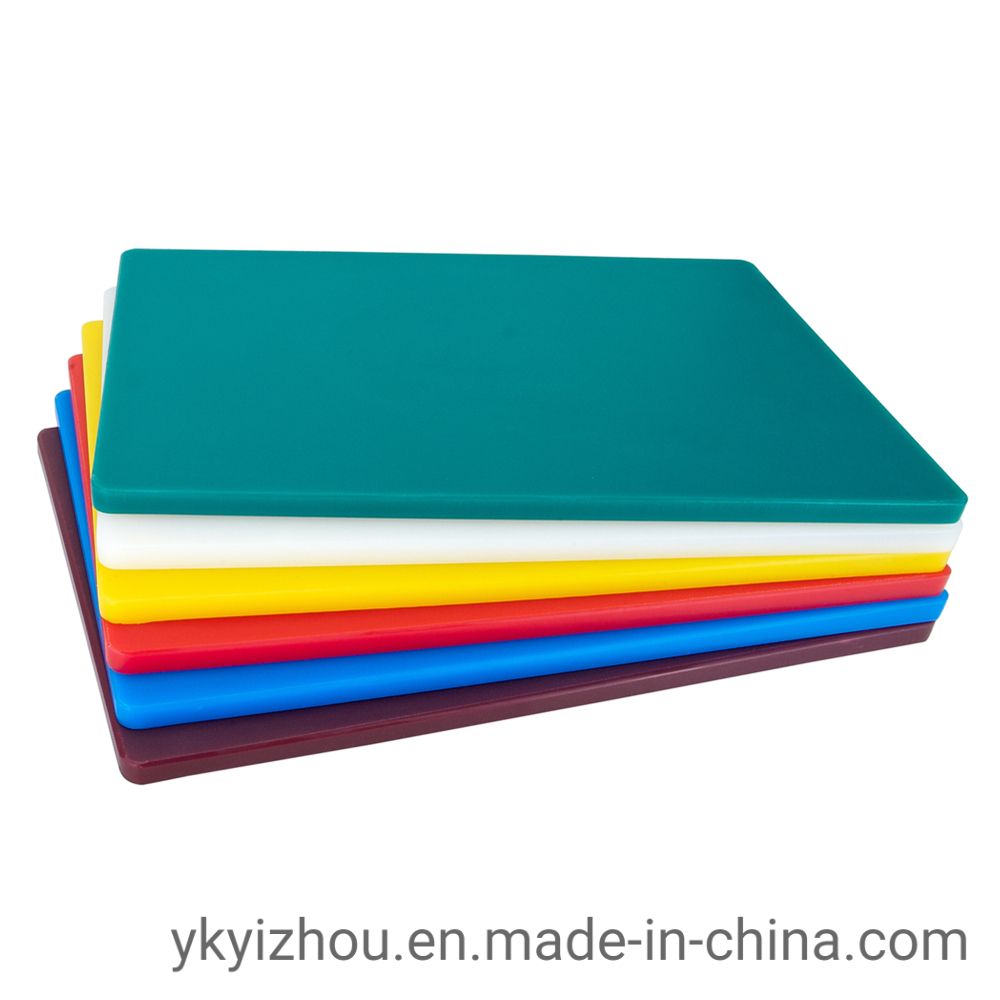
- Use a separate board for raw meat and vegetables
- Replace boards with many deep cuts
- Store boards flat to avoid bending
Extending Board Lifespan
Use both sides of the plastic cutting board to spread wear evenly. Switch sides often to delay damage.
Clean and dry the board right after use. Proper care prevents stains and odors that shorten the board’s life.
- Store in a dry place with good air flow
- Regularly inspect the board for cracks or deep cuts
- Replace the board every 1-2 years or as needed

Credit: ykyizhou.en.made-in-china.com

Credit: wondrwood.com
Frequently Asked Questions
What Materials Are Plastic Cutting Boards Made From?
Plastic cutting boards are typically made from polyethylene or polypropylene. These materials are durable, non-porous, and resistant to moisture and bacteria, making them safe and easy to clean.
Are Plastic Cutting Boards Food-safe?
Yes, plastic cutting boards are food-safe when made from FDA-approved materials like HDPE. They resist bacteria growth and are dishwasher safe for thorough cleaning.
How Do Plastic Cutting Boards Differ From Wooden Ones?
Plastic boards are non-porous, easier to sanitize, and dishwasher safe. Wooden boards are more porous, require hand washing, but are gentler on knives.
Can Plastic Cutting Boards Withstand Heat?
Plastic cutting boards can tolerate moderate heat but may warp at high temperatures. Avoid placing hot pots or pans directly on them to maintain their shape.
Conclusion
Plastic cutting boards are mainly made from different types of plastic materials. These include polyethylene and polypropylene, which are safe and durable. They resist stains and cuts well, making them ideal for kitchen use. Plastic boards are easy to clean and maintain.
Choosing the right material helps keep your food safe and your kitchen tidy. Now you know what makes plastic cutting boards useful and popular in many homes. Keep this in mind when picking a board for your cooking needs. Simple, practical, and effective.