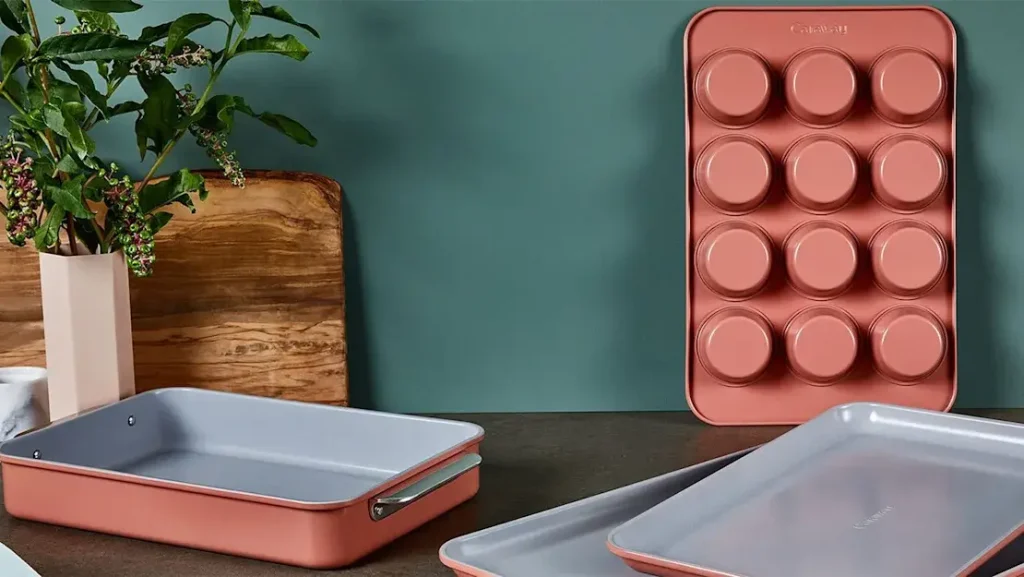
Have you ever wondered why some baked goods come out perfectly crisp and others stick or burn? The secret often lies in one simple step: using a prepared baking sheet.
But what exactly is a prepared baking sheet, and why should you care? Understanding this small yet powerful technique can transform your baking results and save you time and frustration. Keep reading to discover how preparing your baking sheet can make your baking easier, cleaner, and more delicious every single time.
Credit: www.foodnetwork.com
Purpose Of A Prepared Baking Sheet
A prepared baking sheet is a baking tray that is lined or greased before use. It helps make baking easier and more successful.
Using a prepared baking sheet improves the cooking process and the final results of your baked goods.
Preventing Sticking
A prepared baking sheet stops food from sticking to the surface. This keeps your baked goods whole and easy to remove.
Common ways to prepare a sheet include greasing with butter or oil and using parchment paper or silicone mats.
- Greasing adds a thin layer of fat to prevent sticking
- Parchment paper creates a non-stick barrier
- Silicone mats provide a reusable non-stick surface
Even Heat Distribution
Preparing a baking sheet helps spread heat evenly across the surface. This ensures your food cooks consistently.
Even heat prevents hot spots that can burn food or leave some parts undercooked.
- Parchment paper insulates food from direct heat
- Silicone mats distribute heat well over the sheet
- Grease helps food brown evenly by creating a smooth surface
Easy Cleanup
A prepared baking sheet makes cleaning faster and simpler. Food and grease do not stick to the pan.
Using parchment paper or silicone mats means you can often just lift off leftovers and wipe the sheet.
- Greased sheets need less scrubbing
- Parchment paper can be thrown away after use
- Silicone mats clean easily with soap and water
Types Of Baking Sheets
Baking sheets come in many styles and materials. Choosing the right one helps you bake better.
Each type has unique features. Knowing these can make cooking easier and results better.
Material Options
Baking sheets are made from different materials. Each affects heat and baking results.
- Aluminum: Heats evenly and is lightweight.
- Stainless Steel: Durable but heats slower.
- Non-stick Coated: Easy to clean and prevents sticking.
- Silicone: Flexible and heat resistant.
- Copper: Great heat conductor but expensive.
Sizes And Shapes
Baking sheets come in different sizes and shapes for various cooking needs.
| Size | Common Use | Typical Dimensions |
| Half Sheet | Everyday baking and roasting | 18 x 13 inches |
| Quarter Sheet | Small batches or cookies | 9 x 13 inches |
| Jelly Roll Pan | Thin cakes and rolls | 15 x 10 inches |
| Round Baking Sheet | Pizza and round pastries | 12 to 16 inches diameter |
Non-stick Vs. Standard
Non-stick sheets prevent food from sticking. Standard sheets need lining or oil.
- Non-stick: Easy food release and cleaning.
- Standard: More durable and can handle high heat.
- Non-stick coatings may wear off over time.
- Standard sheets can be seasoned for better performance.
Common Preparation Methods
A prepared baking sheet helps food cook evenly and prevents sticking. It also makes cleaning easier after baking.
There are several ways to prepare a baking sheet. Each method works well for different recipes and preferences.
Greasing Techniques
Greasing means coating the baking sheet with fat to stop food from sticking. Common fats include butter, oil, or shortening.
You can use a brush, paper towel, or your fingers to spread the fat evenly. Make sure to cover the entire surface for best results.
- Butter adds flavor and browns the edges
- Vegetable oil has a neutral taste and high smoke point
- Shortening works well for sticky doughs
Using Parchment Paper
Parchment paper is a non-stick paper that fits on the baking sheet. It stops food from sticking and makes cleanup simple.
Place the paper flat on the sheet, trimming edges if needed. You do not need to grease the paper because it is already non-stick.
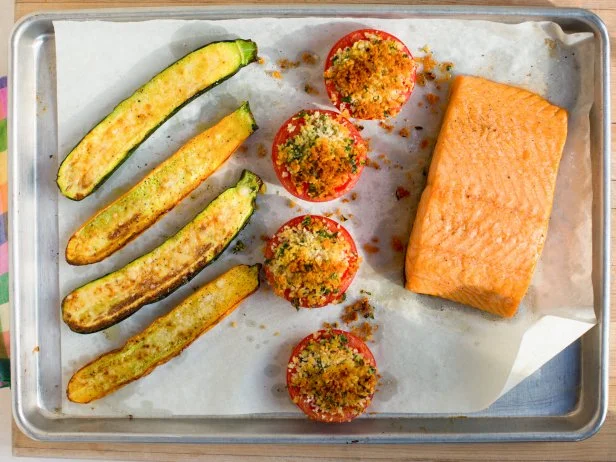
- Good for cookies, roasting vegetables, and baking fish
- Resists heat up to about 420°F (215°C)
- Disposable and easy to use
Silicone Baking Mats
Silicone baking mats are reusable sheets that fit on baking pans. They create a non-stick surface without extra fat.
These mats help bake cookies evenly and keep foods from burning on the bottom. Clean them with warm soapy water after use.
- Works well for cookies, pastries, and roasting
- Can withstand heat up to 480°F (250°C)
- Environmentally friendly and cost-effective over time

Credit: www.amazon.ca
Choosing The Right Preparation Method
A prepared baking sheet helps your food cook evenly and prevents sticking. Choosing the right way to prepare it depends on your recipe and preferences.
Different methods can affect your food’s texture and flavor. This guide will help you pick the best option for your baking needs.
Recipe Considerations
Some recipes need a non-stick surface, while others require a crispy base. Knowing your recipe’s needs helps you prepare the baking sheet correctly.
- Use parchment paper for delicate cookies or cakes.
- Grease the sheet for roasting vegetables or meats.
- Sprinkle flour on greased sheets for bread and dough.
- Silicone mats work well for even baking and easy cleanup.
Temperature And Duration Impact
The baking temperature and time can change how the sheet prep works. Some methods hold up better in high heat.
| Preparation Method | Best Temperature Range | Typical Use |
| Parchment Paper | Up to 425°F (220°C) | Cookies, cakes, roasting |
| Greased Sheet | Any temperature | Roasting, frying, baking |
| Silicone Mat | Up to 480°F (250°C) | Cookies, pastries, roasting |
| Floured Surface | Up to 375°F (190°C) | Breads, doughs |
Health And Dietary Preferences
Some people prefer certain preparation methods based on health or diet. Choose options that fit your needs.
Consider these points:
- Use non-stick mats or parchment to avoid added fats.
- Greasing with healthy oils can add flavor and nutrition.
- Check for allergens in parchment or mats if you have sensitivities.
- Choose organic or unbleached parchment for cleaner baking.
Tips For Maintaining Baking Sheets
A prepared baking sheet is ready for use with a non-stick layer or liner. Keeping your baking sheets in good shape helps them last longer and bake better.
Simple care and cleaning keep your sheets working well. This guide shares easy tips to maintain your baking sheets.
Cleaning Best Practices
Clean your baking sheets soon after use. This stops food from sticking and prevents stains. Use warm water and mild soap to wash them.
Avoid harsh scrubbing or metal tools. They can scratch the surface. For tough spots, soak the sheet in warm soapy water before cleaning.
- Wash with soft sponge and gentle soap
- Soak to loosen stuck food
- Dry completely to prevent rust
Avoiding Warping
Warping happens when baking sheets heat or cool too fast. Avoid placing a hot sheet on a cold surface. Let it cool naturally on a rack.
Do not use very high oven temperatures unless the sheet is made for that heat. Warping can change the sheet’s shape and affect baking.
- Let sheets cool before washing
- Use oven temperatures within sheet limits
- Place on heat-safe rack after use
Storage Suggestions
Store baking sheets flat or upright to keep them from bending. Avoid stacking heavy items on top to prevent dents or warping.
If you stack sheets, place a paper towel or cloth between them. This protects the surface from scratches and helps air flow.
- Store sheets flat or upright
- Use cloth or paper towel between stacked sheets
- Avoid heavy items on top
Troubleshooting Common Issues
Using a prepared baking sheet can make baking easier. It helps food cook evenly and stops it from sticking.
Sometimes, you may face problems like burning, sticking, or uneven baking. Here are some tips to fix these issues.
Burning Or Overbrowning
Burning happens when the baking sheet or food gets too hot. Overbrowning means the food’s surface turns too dark.
- Use parchment paper to protect the food.
- Lower oven temperature by 10-20°F.
- Check food earlier than recipe time.
- Use a light-colored baking sheet to reflect heat.
- Place the rack in the middle of the oven.
Sticking Problems
Food can stick to the baking sheet if it’s not prepared well. This makes cleaning hard and ruins the food’s shape.
| Cause | Solution |
| No grease or oil | Apply butter, oil, or non-stick spray |
| Skipping parchment paper | Use parchment or silicone mats |
| Food too wet | Pat dry before baking |
| Old or damaged non-stick sheet | Replace baking sheet |
Uneven Baking
Uneven baking causes some parts to cook faster than others. This leads to burnt edges and raw centers.
- Spread food in a single, even layer.
- Rotate the baking sheet halfway through baking.
- Use an oven thermometer to check temperature.
- Choose a heavy baking sheet for better heat distribution.
Credit: www.surlatable.com
Frequently Asked Questions
What Is A Prepared Baking Sheet?
A prepared baking sheet is a baking tray lined with parchment paper or a silicone mat. This prevents food from sticking and ensures even baking. It also makes cleanup easier and can improve the texture of baked goods. Proper preparation is essential for optimal baking results.
How To Prepare A Baking Sheet?
To prepare a baking sheet, line it with parchment paper or a silicone baking mat. Ensure the liner fits the tray properly. This helps prevent sticking and promotes even baking. If a recipe requires, you can also lightly grease the liner to further prevent sticking and enhance results.
Why Use A Prepared Baking Sheet?
Using a prepared baking sheet prevents food from sticking and ensures even cooking. It also simplifies cleanup and maintains the integrity of baked goods. A properly prepared sheet can improve texture and appearance. It’s a simple step that enhances baking outcomes and saves time.
Can I Reuse Parchment Paper?
Yes, parchment paper can be reused if it’s clean and undamaged. Check for any burnt or stuck-on bits before reuse. Reusing helps reduce waste and is cost-effective. However, replace it if it becomes too greasy or torn, as it may affect baking results.
Conclusion
A prepared baking sheet helps food cook evenly and prevents sticking. You can use parchment paper, foil, or a light layer of oil. This simple step saves time and makes cleaning easier. Baking sheets keep your baked goods perfect every time.
Try preparing your baking sheet before cooking to see the difference. It’s a small tip that brings better results and less hassle. Baking becomes more fun and less messy with this easy trick.