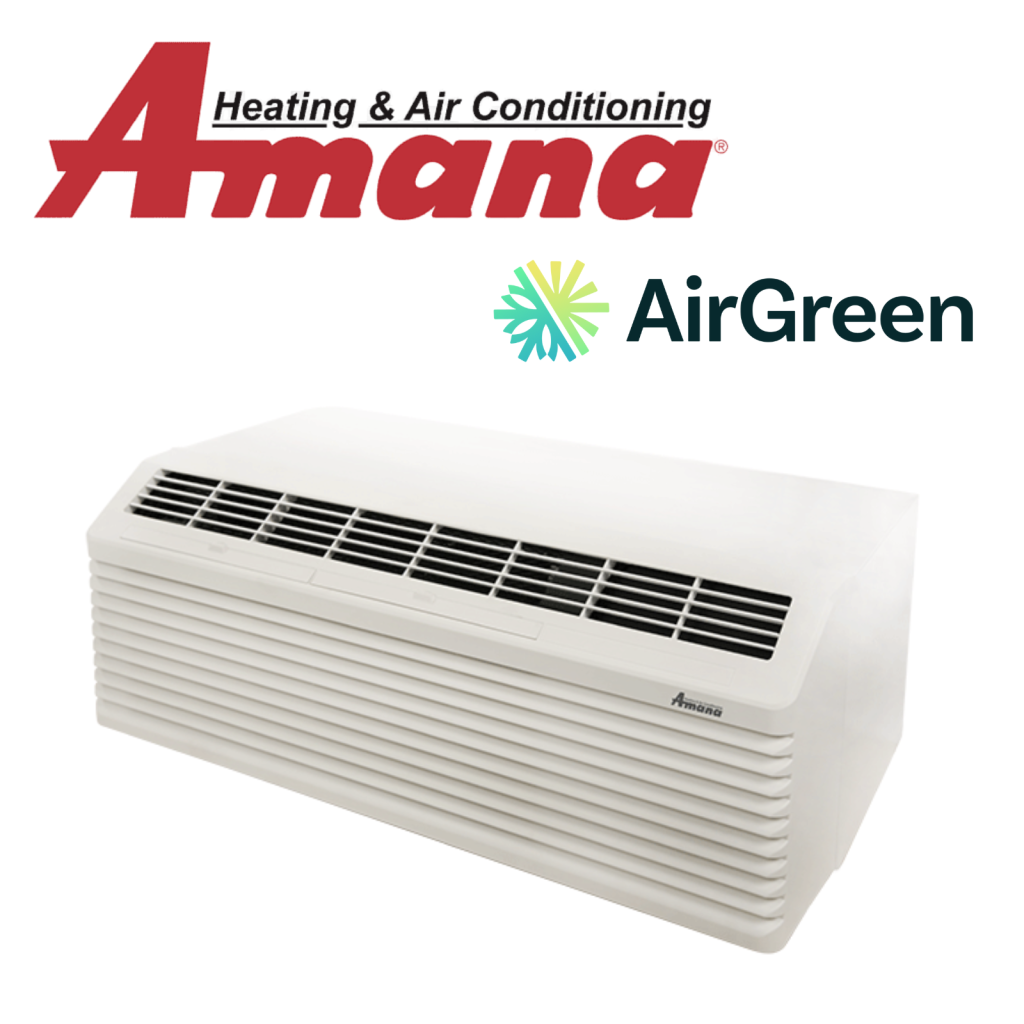
Are you looking for a cooling solution that fits perfectly into your space without taking up much room? A PTAC air conditioner might be exactly what you need.
You’ve probably seen these units in hotels or apartments but may not know how they work or why they’re so popular. Understanding what a PTAC air conditioner is can help you make smarter choices for your comfort and energy bills.
Keep reading, and you’ll discover how this powerful yet compact cooling system can change the way you stay cool.
Ptac Air Conditioner Basics
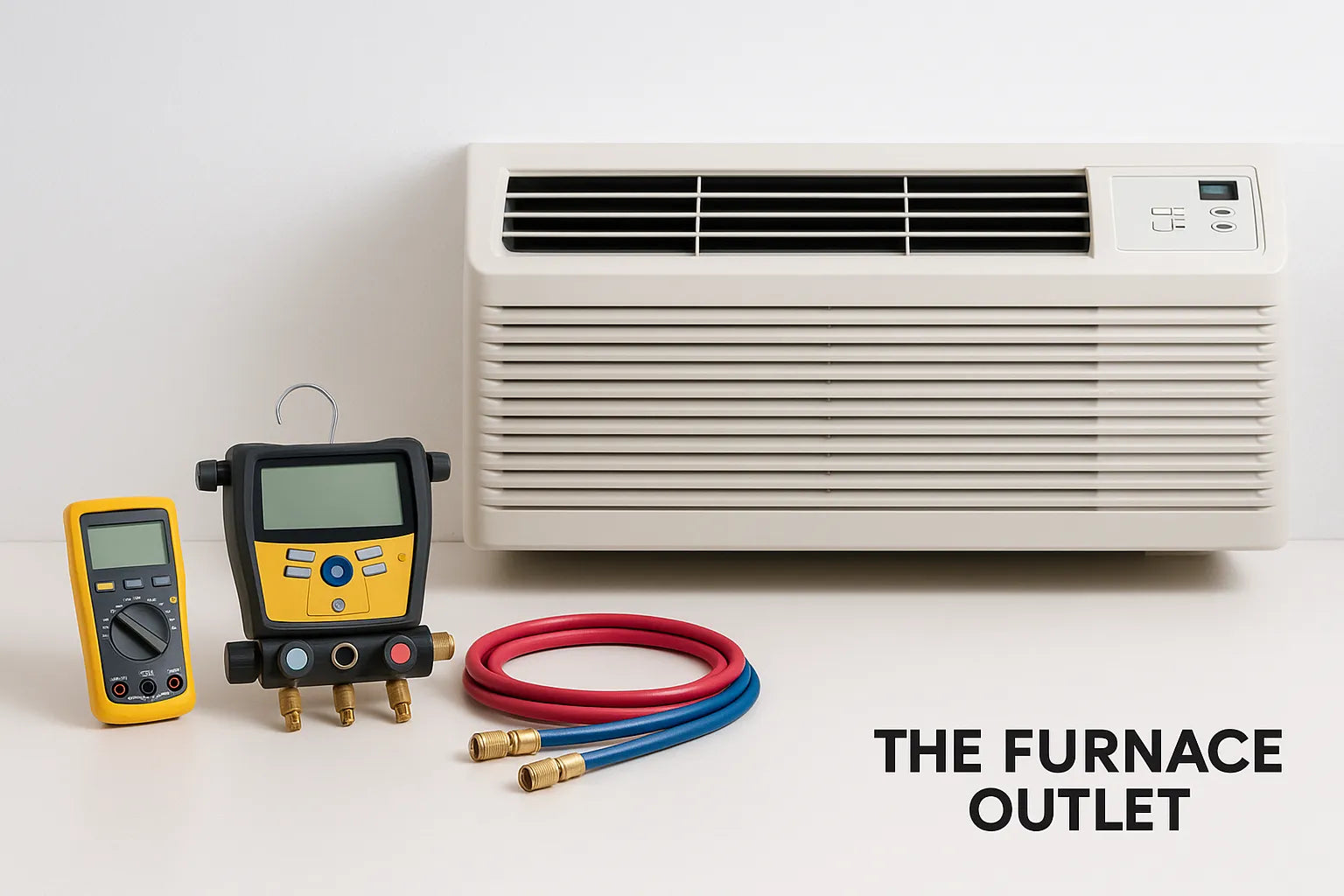
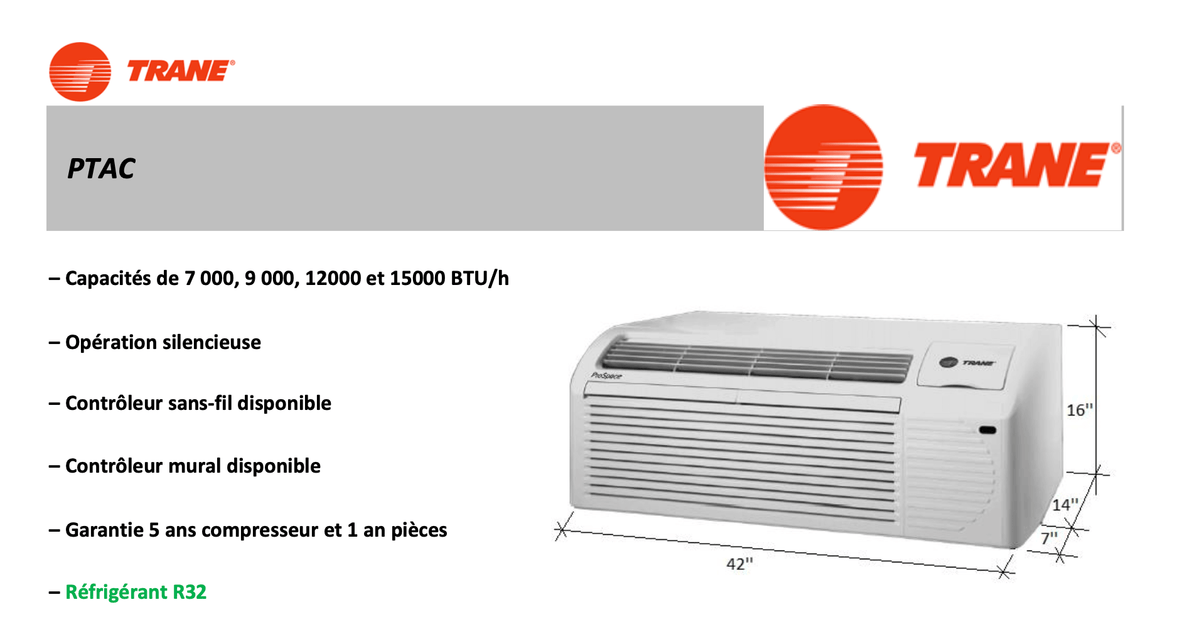
A PTAC air conditioneris a self-contained unit used to cool or heat a single room. It fits into a wall sleeve and does not need ducts. The design is compact and easy to install.
The main parts include:
- Evaporator coilinside the room to cool air.
- Condenser coiloutside to release heat.
- Compressor to move refrigerant between coils.
- Fan to circulate air inside the room.
PTAC units work by pulling warm air from the room. The air passes over the cold evaporator coil and cools down. The warm air’s heat moves outside through the condenser coil. This cycle repeats to keep the room comfortable.
Credit: thefurnaceoutlet.com
Types Of Ptac Units
Electric Ptac Systemsare common in hotels and apartments. They use electricity to power the heating and cooling parts. These units are easy to install and maintain. They provide quick cooling and heating. But, they can use more energy during cold months.
Heat Pump Ptac Modelswork by moving heat instead of creating it. They are more energy efficient than electric systems. Heat pumps cool in summer and warm in winter. They save money on energy bills. Still, they may not work well in very cold places.
Key Features Of Ptac Air Conditioners
Ptac air conditionersare known for their energy efficiency. They use less electricity compared to traditional units, helping to lower utility bills. Their design allows them to cool or heat a room quickly without using too much power.
Installation flexibilityis another key feature. Ptac units fit easily into walls or windows. This makes them ideal for hotels, apartments, or small offices. They don’t need much space and can be installed without major changes to the building.
These air conditioners operate with low noise levels. This helps keep rooms quiet and comfortable. The sound is soft, so it won’t disturb sleep or work. Quiet operation is a big plus in places where peace is important.
Benefits Of Using Ptac Air Conditioners
Ptac air conditionershelp save money by using less energy. They cool rooms quickly, which cuts down on electricity bills.
Their space-saving designfits well in small spaces. This means they don’t take up much room on walls or windows.
- Zone coolinglets you cool only the rooms you use.
- This saves energy by not cooling empty rooms.
- You can set different temperatures in different rooms.
Common Ptac Applications
Ptac air conditionersare widely used in different places. They offer easy installation and individual room control. In hotels and hospitality, Ptac units help cool guest rooms quietly and efficiently. Each room can have its own temperature setting, which saves energy and keeps guests comfortable.
For residential use, Ptac units are great for apartments or small homes. They fit well in window spaces and do not take up much room. People like them for their simple design and easy maintenance.
Commercial buildingsalso benefit from Ptac air conditioners. Offices, stores, and small businesses use them to cool separate areas. This allows better control over energy use and keeps workspaces comfortable for employees and customers.
Credit: airgreen.ca
Choosing The Right Ptac Unit
Sizing and capacityare key for comfort and efficiency. Choose a unit that fits the room size. Too small, it won’t cool well. Too big, it wastes energy and can cause humidity issues.
Energy ratingsshow how much electricity the unit uses. Look for higher ratings to save money on bills. Efficient units use less power and help the environment.
| Energy Rating | Meaning | Benefit |
|---|---|---|
| High | Uses less electricity | Lower energy bills |
| Medium | Moderate power use | Balanced cost and comfort |
| Low | Uses more electricity | Higher bills, less eco-friendly |
- Additional featureslike timers and remote control add convenience.
- Some units have built-in heaters for year-round use.
- Look for noise levels if quiet operation is important.
- Easy maintenance options save time and effort.
Installation And Maintenance Tips
Installing a PTAC air conditionerrequires a firm wall opening. The unit should fit snugly to avoid air leaks. Make sure to seal gaps with weatherproof materials. Proper electrical connections are essential for safety. Use a dedicated power outlet to prevent overloads.
Regular maintenance keeps the PTAC running well. Clean or replace the air filter every month. Wipe down the exterior to remove dust and dirt. Check the drain for blockages to avoid water damage. Inspect electrical parts for wear or loose wires.
Troubleshooting common issues is simple. If the unit won’t start, check the power supply. Strange noises could mean loose parts or debris inside. Poor cooling might be due to a dirty filter or blocked vents. Reset the unit by turning it off and on again.
Comparing Ptac With Other Cooling Systems
Ptac air conditioners are self-contained units commonly used in hotels and small spaces. They offer easy installation and individual room control. Compared to central systems, Ptacs are more compact and energy-efficient for single-room cooling.
Vs. Central Air Conditioning
Ptac unitscool single rooms independently. Central air cools whole buildings. Ptac is easier to install and fixes room by room. Central air needs ducts and a big outdoor unit. Ptac is cheaper upfront but can cost more for many rooms. Central air is quieter and often more energy efficient for large spaces.
Vs. Window Units
Ptac units fit through walls, not windows. Window units block window views and light. Ptac offers better air distributionand usually runs quieter. Window units are cheaper and easy to move. Ptac units are more durable and made for long-term use.
Vs. Ductless Mini-splits
Ductless mini-splits have separate indoor and outdoor parts. Ptac combines all parts in one box. Mini-splits are more efficient and quieter. Ptac units need less space and are easier to install. Mini-splits cost more but cool better for bigger areas.

Credit: www.master.ca
Frequently Asked Questions
What Is A Ptac Air Conditioner?
A PTAC air conditioner is a self-contained unit used for heating and cooling. It’s common in hotels and apartments. PTAC stands for Packaged Terminal Air Conditioner. These units are installed through walls and are efficient for individual room temperature control.
How Does A Ptac Unit Work?
PTAC units work by pulling in air from the room, cooling or heating it, then circulating it back. They have both cooling and heating capabilities. The units are controlled independently, making them ideal for spaces where individual temperature control is necessary.
Are Ptac Units Energy Efficient?
Yes, PTAC units are generally energy efficient, especially in commercial settings. They allow for targeted heating and cooling. This reduces energy wastage compared to centralized systems. Many models come with energy-saving features like programmable thermostats and occupancy sensors.
Where Are Ptac Units Typically Used?
PTAC units are commonly used in hotels, motels, and apartments. They’re ideal for spaces requiring individual temperature control. Their compact design and efficiency make them popular in commercial and residential settings.
Conclusion
A PTAC air conditioner offers a simple way to cool individual rooms. It fits directly into a wall or window, saving space. Many hotels and apartments use PTAC units for easy temperature control. These units are easy to install and maintain.
They work quietly, making rooms comfortable without disturbance. Choosing a PTAC can be smart for small spaces that need reliable cooling. Now you know what a PTAC air conditioner is and how it works. It might be the right choice for your cooling needs.