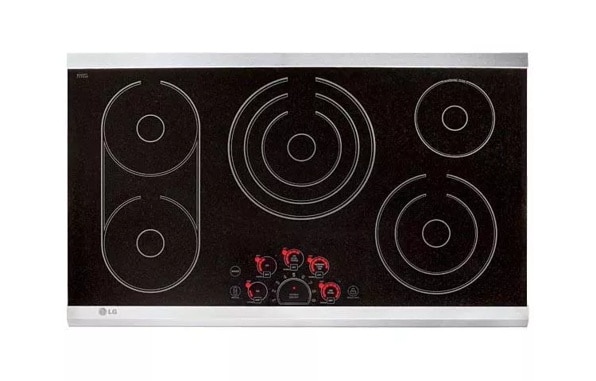
Imagine effortlessly whipping up your favorite meals with precision and style, all while enjoying a sleek and modern kitchen aesthetic. That’s exactly what a radiant cooktop offers.
If you’ve ever wondered what sets a radiant cooktop apart from other cooking surfaces, you’re in the right place. This revolutionary appliance might just be the kitchen upgrade you’ve been searching for. We’ll dive into what a radiant cooktop is, how it works, and why it could be the perfect addition to your culinary space.
Get ready to discover a cooking experience that combines efficiency with elegance, making every meal a masterpiece. Curious? Let’s unravel the magic behind radiant cooktops and see how they can transform your cooking adventures.
Radiant Cooktop Basics
Radiant cooktops offer a smooth, modern way to cook. They heat food using invisible heat beneath a glass surface. These cooktops combine style with simple, effective cooking.
How Radiant Cooktops Work
Radiant cooktops use electric heating elements under a glass surface. When turned on, the elements heat up and transfer warmth to pots and pans. The glass stays smooth and easy to clean. Heat spreads evenly for steady cooking.
Key Features
- Flat, glass surface for easy cleaning
- Quick and even heating
- Controls that adjust temperature precisely
- Safety features like hot surface indicators
- Works with most types of cookware
Types Of Radiant Elements
Radiant cooktops use different heating elements:
- Coil elements:Metal coils under glass, traditional and reliable.
- Ribbon elements:Flat metal strips, heat evenly and quickly.
- Halogen elements:Use halogen lamps for fast heat, often found in premium models.
Advantages Of Radiant Cooktops
Radiant cooktops offer several advantages that can enhance your cooking experience. They combine sleek design with practical features that make cooking easier and more efficient. Understanding these benefits can help you decide if a radiant cooktop fits your kitchen needs.
Energy Efficiency
Radiant cooktops heat up quickly and use less energy compared to traditional electric coil stoves. The smooth surface transfers heat directly to your cookware, reducing wasted heat. This means you save on your electricity bill while cooking faster.
Have you noticed how your meals cook unevenly on some stoves? Radiant cooktops avoid this by focusing heat precisely where you need it. This efficient energy use also means less heat escapes into your kitchen, keeping your space cooler.
Even Heat Distribution
One of the biggest perks is the consistent heat spread across the cooking surface. You won’t find hot spots or cold areas that can burn food or leave it undercooked. This evenness helps you prepare meals with better texture and taste.
Imagine making pancakes that brown perfectly every time. Radiant cooktops provide that kind of control. This feature is especially useful if you enjoy cooking dishes that require steady temperatures.
Easy Cleaning And Maintenance
The smooth glass surface of radiant cooktops makes cleaning simple and quick. Unlike coil burners, there are no crevices where food can get stuck. A quick wipe with a damp cloth is usually enough to keep it spotless.
This ease of cleaning encourages you to maintain a tidy kitchen without extra effort. If you’ve ever spent ages scrubbing around burners, you’ll appreciate how radiant cooktops save you time and frustration.
Comparing Radiant Cooktops With Other Cooktops
Radiant cooktops have unique features that set them apart from other cooktops. Comparing them helps to see which fits best in your kitchen. Each type has pros and cons related to cooking style, energy use, and cleaning. Understanding these differences guides a smart choice.
Radiant Vs. Induction
Radiant cooktops use electric heating elements below a glass surface. They heat up the cookware directly by radiant heat. Induction cooktops use magnetic fields to heat pots and pans. This makes induction faster and more energy-efficient.
- Radiant cooktops work with any cookware type.
- Induction requires magnetic cookware like cast iron or stainless steel.
- Induction cooktops cool down faster after cooking.
- Radiant surfaces stay hot longer, which can cause burns.
- Induction offers precise temperature control.
Radiant Vs. Gas
Gas cooktops use open flames to cook food. They offer instant heat and visual control. Radiant cooktops provide a smooth surface with electric heat. Gas stoves need more cleaning due to burners and grates.
- Gas cooktops work with all cookware types.
- Radiant cooktops have a flat surface, easy to clean.
- Gas offers quick heat changes for cooking techniques.
- Radiant cooktops heat slower and cool down more slowly.
- Gas requires a gas line; radiant only needs electricity.
Radiant Vs. Coil
Coil cooktops use exposed metal coils to heat cookware. Radiant cooktops hide heating elements under glass. Coil cooktops are often less expensive but harder to clean. Radiant cooktops look modern and offer a smooth surface.
- Radiant cooktops heat more evenly than coil elements.
- Coil cooktops can cause uneven cooking spots.
- Radiant surfaces are easier to wipe clean.
- Coil elements take longer to heat and cool.
- Radiant cooktops provide a sleeker kitchen appearance.

Credit: www.bellinghamelectric.com
Choosing The Right Radiant Cooktop
Choosing the right radiant cooktop is key for a smooth cooking experience. It affects how well you cook and how your kitchen looks. Think about your cooking needs and kitchen space before buying. Consider features that match your style and safety needs.
Size And Burner Configuration
Pick a cooktop size that fits your kitchen space. Small kitchens need compact models. Large kitchens benefit from wider cooktops with more burners. Burner configuration matters for cooking different dishes at once. Look for varied burner sizes for flexibility.
Control Options
Controls should be easy to use and understand. Choose between knobs or touch controls. Knobs offer tactile feedback and quick adjustment. Touch controls provide a sleek look and easy cleaning. Consider your comfort and kitchen style when choosing controls.
Safety Features
Safety is vital in any kitchen appliance. Look for features like automatic shut-off to prevent accidents. Child lock functions keep curious hands safe. Heat indicators show when the cooktop is hot. These features protect your family and ensure safe cooking.
Tips For Efficient Cooking
Efficient cooking on a radiant cooktop saves time and energy. It also keeps your kitchen safer and cleaner. Small changes make a big difference in how your cooktop performs. These tips help you get the best results from your radiant cooktop.
Optimal Cookware For Radiant Cooktops
Use flat-bottomed pots and pans for better contact with the cooktop surface. Materials like stainless steel, cast iron, and heavy aluminum work well. Avoid warped or thin cookware that can cause uneven heating. Glass or ceramic cookware can slow down cooking. Choose cookware with smooth, clean bottoms to protect the cooktop.
Maximizing Heat Efficiency
Match the size of your cookware to the heating element. Turn off the burner a few minutes before finishing to use residual heat. Keep pot lids on to trap heat and cook faster. Use medium heat settings for most dishes to avoid burning food. Stir food regularly to ensure even cooking.
Maintenance For Longevity
Clean the cooktop after each use to avoid stains and buildup. Use soft cloths and non-abrasive cleaners for the surface. Check for cracks or damage regularly and avoid dragging cookware. Avoid spilling sugary or acidic foods, which can damage the cooktop. Keep the cooktop dry to prevent electrical issues.

Credit: www.bellinghamelectric.com
Common Issues And Troubleshooting
Radiant cooktops offer smooth surfaces and easy cleaning. Yet, some common issues can affect their performance. Knowing these problems helps in quick fixes and better use. Troubleshooting saves time and keeps cooking safe and efficient.
Burner Not Heating
Sometimes a burner may not heat at all. This can happen due to a faulty heating element or wiring issues. Check if the burner glows red when turned on. If not, the element might need replacement. Also, ensure the cooktop is properly plugged in and the circuit breaker is on.
Uneven Cooking
Uneven cooking happens when heat spreads irregularly. Dirt or food spills under the burner can cause this. Clean the cooktop surface thoroughly to fix the problem. Using pots that match the burner size helps heat food evenly. Avoid sliding pots, as this can scratch and affect heating.
Cooktop Surface Damage
Cracks or scratches may appear on the glass surface. Heavy pots or dropping objects cause most damage. Avoid dragging cookware on the cooktop. Clean spills quickly to prevent stains and burns. If cracks appear, stop using the cooktop and call a technician to avoid safety hazards.

Credit: www.jennair.com
Frequently Asked Questions
What Is A Radiant Cooktop?
A radiant cooktop uses electric heating elements beneath a smooth glass surface. It heats cookware by glowing red, providing even and consistent heat.
How Does A Radiant Cooktop Work?
It heats coils under the glass surface, which transfer heat to pots. The glass remains hot, offering quick and precise temperature control.
Are Radiant Cooktops Energy Efficient?
Radiant cooktops are moderately energy efficient. They heat quickly but retain heat longer, which can waste energy if not managed properly.
What Are The Benefits Of Radiant Cooktops?
They offer easy cleaning, even heating, and a sleek design. Radiant cooktops are safer due to a smooth surface and no open flames.
Conclusion
A radiant cooktop heats food quickly and evenly. It uses electric coils beneath a smooth glass surface. This type of cooktop is easy to clean and looks modern. Many people prefer it for its steady heat. It works well for everyday cooking tasks.
Choosing a radiant cooktop means simple use and good results. It fits well in most kitchens. Now you know what a radiant cooktop offers. Simple, reliable cooking is just a switch away.