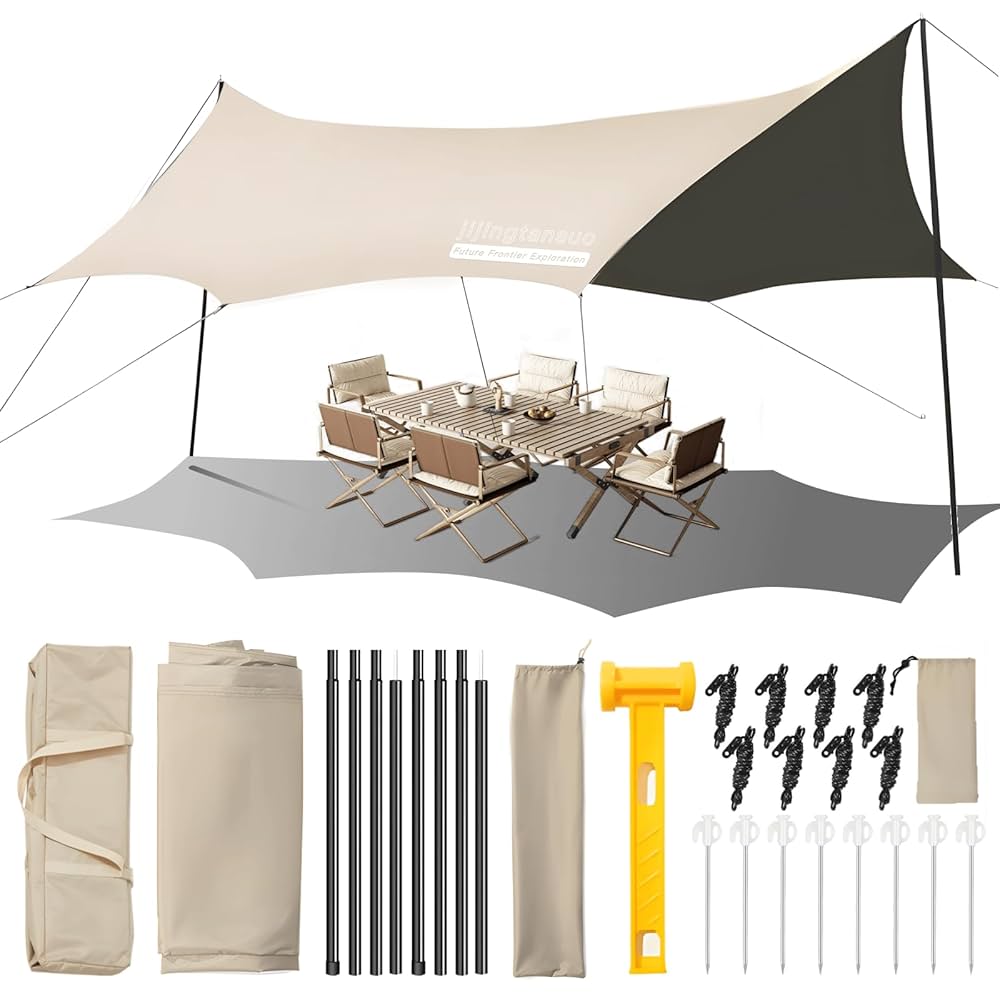
Have you ever wondered how to keep your tent dry and comfortable when the rain starts pouring? That’s where a rain fly comes in.
It’s a simple piece of gear that can make a huge difference in your camping experience. If you want to protect yourself and your belongings from unexpected weather, understanding what a rain fly is and how it works is essential.
Keep reading, and you’ll discover why this small addition can be your tent’s best friend on any adventure.
Purpose Of A Rain Fly
A rain fly is an extra cover that goes over a tent. It keeps water out during rain. It helps campers stay dry and comfortable inside the tent.
Besides keeping rain off, a rain fly offers other benefits. It adds extra space and protection from wind and sun.
Protection From Rain
The main job of a rain fly is to stop rain from entering the tent. It acts like a shield. The rain fly covers the tent’s roof and walls, so water runs off.
- Prevents leaks inside the tent
- Reduces moisture buildup
- Keeps sleeping bags and gear dry
- Helps avoid damage to tent fabric
Additional Shelter Benefits
A rain fly also offers other shelter benefits. It can block wind, give shade, and add extra covered space outside the tent.
| Benefit | Explanation |
| Wind Protection | Blocks strong winds from hitting tent walls |
| Shade | Provides sun protection for tent and campers |
| Extra Shelter | Creates a covered porch area outside the tent |

Credit: www.ebay.ca
Types Of Rain Flies
A rain fly is an essential part of any camping tent. It protects the tent from rain and provides an extra layer of insulation. Different types of rain flies offer various levels of protection and coverage.
There are three main types of rain flies: full-coverage, partial, and tarp-style. Each type has unique features that make it suitable for different camping needs.
Full-coverage Rain Flies
Full-coverage rain flies wrap around the entire tent. They offer maximum protection against rain and wind. This type is ideal for harsh weather conditions.
- Wraps around the entire tent
- Provides maximum rain protection
- Ideal for windy conditions
Partial Rain Flies
Partial rain flies cover the top of the tent. They allow for more ventilation but offer less protection. These are best for camping in mild weather.
| Feature | Partial Rain Fly |
| Coverage | Top of the tent |
| Protection Level | Moderate |
| Best for | Mild weather |
Tarp-style Rain Flies
Tarp-style rain flies are versatile and can be used in various setups. They provide flexible coverage and are easy to set up. This style is perfect for lightweight camping.
Consider using a tarp-style rain fly for a quick and adaptable shelter. It can be set up in multiple configurations depending on your needs.
Materials Used In Rain Flies
A rain fly protects tents from rain and moisture. Its material must be strong and water-resistant.
Different fabrics and coatings are used to keep the rain fly light and waterproof.
Common Fabrics
Rain flies use fabrics that resist water and tears. The most common fabrics are nylon and polyester.
- Nylon:Lightweight and strong. It dries fast but can stretch when wet.
- Polyester:Durable and resists UV rays well. It keeps shape better in rain.
- Ripstop Fabrics:These have a special weave that stops small tears from growing.
Waterproof Coatings
Coatings make fabrics waterproof. They stop water from soaking through the rain fly.
| Coating Type | Description | Common Use |
| Polyurethane (PU) | A flexible, water-resistant layer. | Used on nylon and polyester fabrics. |
| Silicone | Strong water resistance and durability. | Often added to nylon for lightweight rain flies. |
| DWR (Durable Water Repellent) | Helps water bead off the fabric surface. | Applied on top of coatings for extra protection. |
How To Set Up A Rain Fly
A rain fly is a waterproof cover for your tent. It keeps rain and moisture out while camping.
Setting up a rain fly properly helps keep you dry and comfortable during wet weather.
Attaching To Tent
Start by laying the rain fly over the top of your tent. Make sure it covers all sides.
Use the clips, Velcro, or ties on the rain fly to secure it to the tent poles or loops.
- Check that all corners are attached firmly
- Secure any extra straps or cords
- Ensure the rain fly does not touch the tent fabric
Adjusting For Weather
Adjust the rain fly to create space for air to flow. This helps stop condensation inside the tent.
If it is windy, lower the rain fly edges closer to the ground. This gives better wind protection.
- Lift the rain fly edges for ventilation on calm days
- Tighten straps to prevent flapping in strong wind
- Extend the fly over the tent door for extra rain protection
Benefits Of Using A Rain Fly
A rain fly is an extra cover for your tent. It protects you from rain and bad weather. Using a rain fly can make camping more comfortable.
This cover adds many benefits, such as keeping you dry, improving air flow, and protecting the tent fabric. These benefits help your tent last longer and keep you safe.
Keeping Dry
A rain fly stops rain from reaching your tent. It acts like a roof that covers the whole tent. This keeps the inside dry even in heavy rain.
The rain fly also helps prevent water from entering through the tent’s seams and zippers. This is important for a good night’s sleep and staying warm.
Enhancing Tent Ventilation
A rain fly creates a small space between it and the tent. This space allows air to flow around the tent walls. Good airflow stops condensation inside the tent.
Proper ventilation keeps the tent fresh and reduces dampness. This makes camping more pleasant and keeps your gear dry.
Protecting Tent Fabric
The rain fly shields the tent’s fabric from sun, rain, and dirt. This protection helps the tent fabric last longer. It stops damage from UV rays and wet conditions.
Using a rain fly can save money by reducing wear and tear. It keeps the tent strong and ready for many camping trips.

Credit: www.amazon.ca
Choosing The Right Rain Fly
A rain fly protects your tent from rain and wind. Picking the right one keeps you dry and comfortable outdoors.
Consider your tent type, weather, and how much you carry when choosing a rain fly.
Matching Tent Models
Rain flies come in many shapes and sizes. Match the fly to your tent model for the best fit.
- Check the tent brand and model before buying a rain fly.
- Look for flies designed for your tent’s shape and size.
- A well-fitting rain fly offers full coverage without gaps.
Considering Weather Conditions
Think about the weather where you camp. Heavy rain, wind, or light showers need different rain flies.
| Weather Type | Recommended Rain Fly Features |
| Heavy Rain | Full coverage, waterproof material, sealed seams |
| Windy Conditions | Strong, durable fabric with secure tie-down points |
| Light Showers | Lightweight, easy to set up, basic water resistance |
Portability And Weight
Carry weight matters for backpackers. Choose a rain fly that is light and easy to pack.
- Look for rain flies made of lightweight nylon or polyester.
- Check if the fly packs into a small stuff sack.
- Balance weight with protection based on your trip length.
Maintenance And Care Tips
A rain fly protects your tent from rain and moisture. Taking care of it helps keep it strong and useful.
Follow simple steps to clean, store, and repair your rain fly. This keeps it ready for your next trip.
Cleaning Methods
Clean your rain fly gently to avoid damage. Use mild soap and water only.
- Remove dirt with a soft brush or cloth
- Mix mild soap with warm water
- Wipe the rain fly carefully, do not scrub hard
- Rinse with clean water to remove soap
- Air dry completely before storing
Storage Recommendations
Store your rain fly in a cool, dry place. Avoid folding it tightly to prevent creases.
| Storage Tip | Reason |
| Keep away from direct sunlight | Prevents fabric fading and weakening |
| Store loosely folded or rolled | Reduces permanent creases |
| Use breathable bags or containers | Stops moisture build-up and mildew |
| Check for pests before storing | Protects fabric from damage |
Repair Tips
Fix small tears and holes quickly to keep your rain fly waterproof. Use patches made for tent fabric.
- Clean the damaged area and let it dry
- Cut a patch slightly larger than the tear
- Apply fabric glue or adhesive on patch
- Press patch firmly on the tear
- Let glue dry fully before use

Credit: www.amazon.ca
Frequently Asked Questions
What Is The Purpose Of A Rain Fly For A Tent?
A rain fly protects the tent from rain, wind, and moisture. It creates a waterproof barrier, keeping the interior dry. It also improves ventilation and reduces condensation inside the tent.
How Do I Install A Rain Fly On A Tent?
To install a rain fly, first unfold it and align it over the tent. Secure the fly using hooks, Velcro, or clips on the tent poles. Ensure it is taut to prevent water pooling and to allow airflow.
Can I Use A Rain Fly In All Weather Conditions?
Yes, a rain fly is useful in rain, wind, and light snow. It enhances protection and comfort. However, in hot weather, you may remove or adjust it for better ventilation.
Does Every Tent Come With A Rain Fly Included?
Most tents include a rain fly, but not all. Check product details before purchase. Some ultralight or minimalist tents may require separate rain fly purchase.
Conclusion
A rain fly protects your tent from rain and wind. It keeps you dry and comfortable outdoors. Using one extends your camping time in bad weather. It also helps with tent ventilation. Choose a rain fly that fits your tent well.
Set it up tightly to stop water from leaking. A rain fly is a simple, useful tool for camping. It makes outdoor trips safer and more enjoyable. Don’t forget to bring one on your next adventure.