When you’re setting up your tent, you might come across something called a rain fly. But what exactly is a rain fly, and why does it matter for your camping experience?
If you want to keep dry and comfortable no matter the weather, understanding this simple piece of gear is a game changer. You’ll discover what a rain fly is, how it works, and why it’s one of the most important parts of your tent setup.
Keep reading to make sure your next camping trip stays dry and hassle-free.
Purpose Of A Rain Fly
A rain fly is an extra layer of fabric that covers a tent. It helps protect the tent and its occupants from wet weather.
Many tents come with a rain fly to improve comfort and safety during rain or damp conditions. It keeps the inside of the tent dry and cozy.
Protection From Rain
The main job of a rain fly is to stop rain from getting inside the tent. It acts as a waterproof shield over the tent.
When rain falls, the rain fly lets water slide off its surface. This keeps the tent fabric and the inside dry for campers.
Shield Against Dew And Moisture
Besides rain, a rain fly also protects the tent from morning dew and damp air. This helps stop moisture from building up on the tent.
The rain fly creates a barrier that reduces wetness caused by humidity. This keeps the tent fresher and more comfortable.
Enhancing Tent Durability
A rain fly helps extend the life of a tent by protecting it from harsh weather. It reduces wear and tear on the tent fabric.
By keeping rain and moisture away, the rain fly prevents damage like mold, mildew, and fabric weakening. This keeps the tent strong.

Credit: www.amazon.ca
Types Of Rain Flies
A rain fly is a waterproof cover for a tent. It helps keep water out during rain.
There are different types of rain flies. Each type offers different levels of protection and coverage.
Full Coverage Rain Flies
Full coverage rain flies cover the entire tent. They protect the tent walls, roof, and sometimes the ground.
This type gives the best protection from heavy rain and wind. It also helps with insulation and keeps bugs out.
Partial Coverage Rain Flies
Partial coverage rain flies cover only the top part of a tent. They protect mainly the roof from rain.
These rain flies are lighter and easier to carry. They work well in light rain or mild weather.
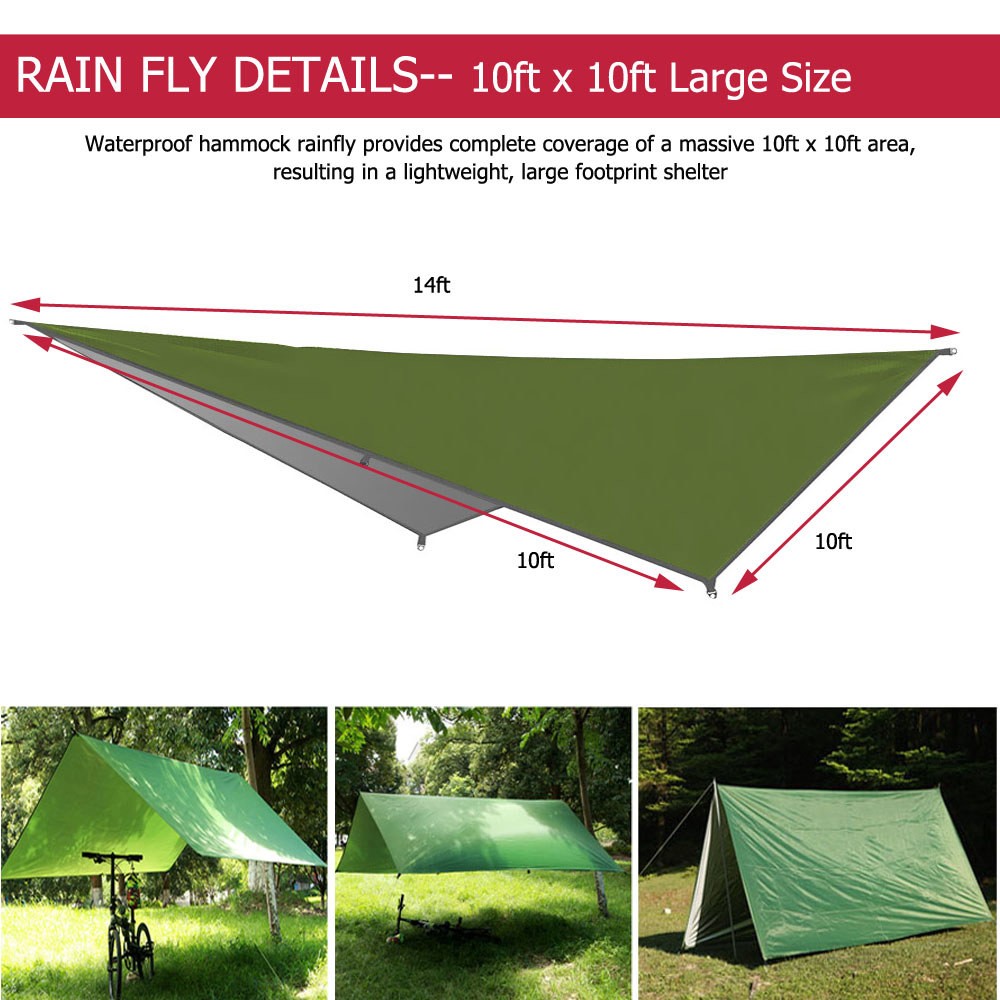
Tarp-style Rain Flies
Tarp-style rain flies are simple sheets of waterproof material. You can set them up above or around your tent.
They offer flexible protection and extra covered space. Tarps are good for camping in mild rain or for shade.
Materials Used In Rain Flies
A rain fly protects tents from rain and wind. It keeps the inside dry and comfortable.
Materials used in rain flies must be waterproof and strong. They also need to breathe to reduce moisture inside.
Waterproof Fabrics
Waterproof fabrics stop water from passing through the rain fly. They use coatings or laminates to block water.
Common waterproof fabrics include nylon and polyester with special coatings. These fabrics keep rain out effectively.
- Nylon with polyurethane coating
- Polyester with silicone treatment
- Ripstop fabrics for added strength
Breathable Membranes
Breathable membranes let moisture escape from inside the tent. This helps stop condensation build-up.
These membranes have tiny pores. They block water drops but allow water vapor to pass through.
- Gore-Tex
- eVent
- Pertex Shield
Durability Factors
Durability is important for rain flies to last through rough weather. Strong fabrics resist tears and wear.
Seams and coatings must also hold up well. Reinforced stitching and tough coatings increase lifespan.
- Ripstop weaving prevents fabric tears
- UV resistant coatings stop sun damage
- Double-stitched seams add strength
How To Set Up A Rain Fly
A rain fly is a waterproof cover that goes over your tent. It helps keep rain and wind out. Setting it up correctly keeps you dry and comfortable.
Follow these steps to install your rain fly properly. This guide will help you attach, secure, and avoid common mistakes.
Attaching To The Tent
First, unfold the rain fly and place it over the tent. Make sure it covers all sides, including the door and windows.
Use the clips, Velcro, or loops on the rain fly to connect it to the tent poles or fabric. Align the fly evenly so it stays in place.
Securing With Stakes And Guy Lines
Next, use stakes to secure the rain fly to the ground. Insert stakes at each corner and at any loops along the sides.
Tighten the guy lines attached to the rain fly. Pull them away from the tent and stake them firmly. This prevents sagging and flapping in wind.
- Place stakes at a 45-degree angle for better hold
- Adjust guy lines to keep the fly taut
- Check tension after strong wind or rain
Common Setup Mistakes
People often forget to cover the tent door fully. This lets rain inside. Always check that the fly extends past the door.
Another mistake is leaving the rain fly loose. A loose fly can flap and cause noise or damage in wind. Make sure it is tight and secured.
- Not covering the tent door or windows
- Ignoring loose corners or guy lines
- Placing stakes in soft or uneven ground
Benefits Of Using A Rain Fly
A rain fly is a waterproof cover that goes over a tent. It helps keep the inside dry during rain.
Using a rain fly adds extra protection and comfort while camping. It is useful in many weather conditions.
Improved Weather Protection
A rain fly blocks rain from reaching your tent. It stops water from seeping inside and wetting your gear.
It also protects against wind and snow. The rain fly acts as a shield against harsh weather outdoors.
Better Ventilation
A rain fly allows air to flow between it and the tent. This reduces inside humidity and prevents condensation.
Good ventilation keeps the tent fresh and comfortable. It helps campers breathe easier during warm or cold weather.
Extended Tent Lifespan
Using a rain fly protects the tent fabric from sun damage and dirt. This helps the tent last longer.
The rain fly reduces wear and tear on the tent’s surface. It keeps your gear in better condition over time.
Credit: www.walmart.com
Choosing The Right Rain Fly
A rain fly is essential for keeping your tent dry. It protects against rain and wind. Choosing the right one is crucial for a pleasant camping trip.
Consider factors like tent size, weather, and weight. These will help you select the best rain fly for your needs.
Matching Tent Size And Shape
Your rain fly should fit your tent’s size and shape. This ensures maximum protection from the elements.
| Rain Fly Size | Tent Size |
| Small | 1-2 person tents |
| Medium | 3-4 person tents |
| Large | 5+ person tents |
Considering Weather Conditions
Weather can change quickly. Choose a rain fly that can handle the worst conditions you may face.
- For heavy rain, select a fly with full coverage.
- In windy areas, look for reinforced edges.
- If camping in summer, opt for a breathable material.
Portability And Weight
Weight is important if you are hiking. A lighter rain fly is easier to carry, but ensure it still provides adequate protection.
Maintaining Your Rain Fly
A rain fly protects your tent from rain and wind. Taking care of it helps keep your gear dry. Proper maintenance makes it last longer.
Clean, store, and repair your rain fly regularly. These simple steps keep it strong and ready for your next trip.
Cleaning Tips
Clean your rain fly after each use to remove dirt and mildew. Use mild soap and cold water. Avoid harsh chemicals that damage the fabric.
- Set up the rain fly on a clean surface.
- Use a soft brush or sponge to scrub gently.
- Rinse with cold water until all soap is gone.
- Let it dry completely in the shade before storing.
Storage Recommendations
Store your rain fly in a cool, dry place. Avoid folding it tightly to prevent creases. Use a large, breathable bag or hang it loosely.
| Storage Tip | Reason |
| Keep it dry | Prevents mold and mildew |
| Store loosely folded | Avoids fabric damage |
| Use breathable bag | Allows air circulation |
| Choose cool place | Protects fabric from heat |
Repairing Tears And Holes
Fix small tears to keep your rain fly waterproof. Use repair tape or patches made for tent fabric. Clean the area before applying any patch.
Follow these steps for a quick repair:
- Clean the damaged area with rubbing alcohol.
- Cut a patch slightly larger than the tear.
- Apply the patch firmly, smoothing out bubbles.
- Let it dry for at least 24 hours before use.

Credit: www.amazon.ca
Frequently Asked Questions
What Is The Purpose Of A Rain Fly On A Tent?
A rain fly protects the tent from rain and moisture. It creates an extra waterproof layer to keep the interior dry. It also helps reduce condensation inside the tent during wet weather.
How Does A Rain Fly Improve Tent Ventilation?
Rain flies often have vents or mesh panels that promote airflow. This reduces humidity and prevents stuffiness inside the tent. Proper ventilation also helps prevent mold and mildew growth.
Can I Use A Rain Fly In Dry Weather?
Yes, a rain fly can provide shade and protect against UV rays. It can also shield the tent from dirt, dust, and falling debris. Using a rain fly year-round extends your tent’s lifespan.
Are All Rain Flies Compatible With Every Tent?
No, rain flies are designed for specific tent models or sizes. Using the wrong fly may cause poor fit and reduced protection. Always check compatibility before purchasing a rain fly.
Conclusion
A rain fly protects your tent from rain and wind. It keeps the inside dry and comfortable. Using one helps you enjoy camping in wet weather. It is easy to set up and take down. A rain fly also adds a layer of warmth.
Choosing the right size and material matters. Remember, a good rain fly extends your camping time. Stay dry, stay happy!