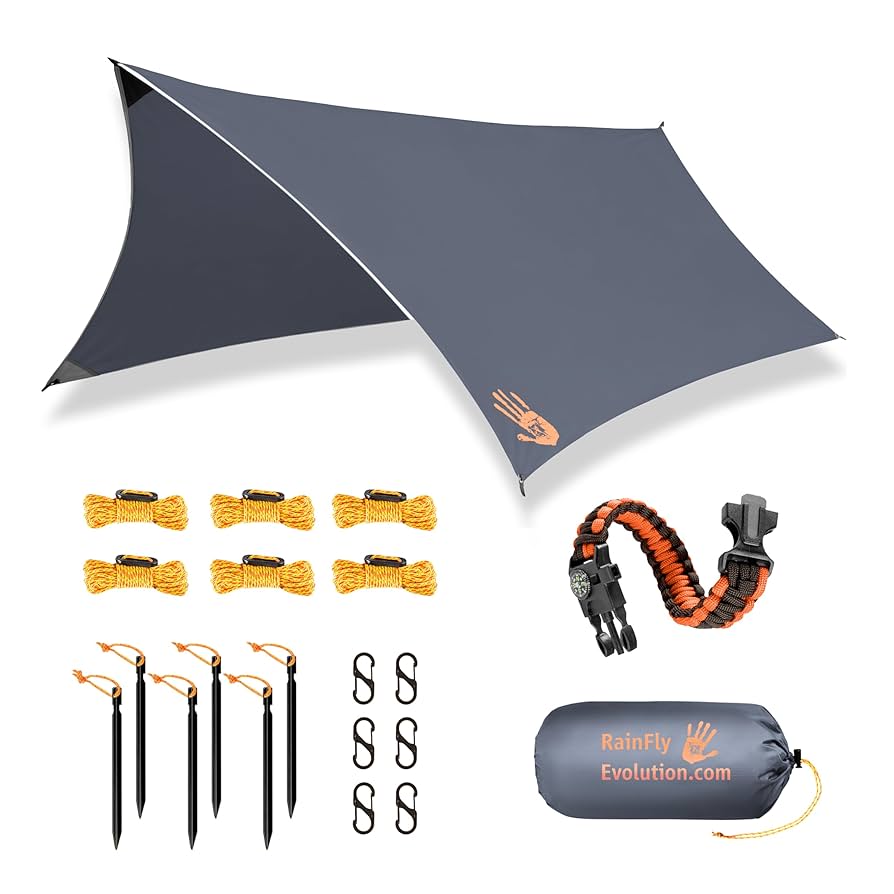
When you’re setting up your tent, have you ever wondered what that extra layer of fabric is for? That’s called a rain fly, and it can make all the difference between a dry, comfortable night and waking up to a soggy, cold tent.
Understanding what a rain fly does and why it’s important can change how you camp for the better. If you want to protect your gear and yourself from the rain, keep reading to discover everything you need to know about rain flies and how they work.
Rain Fly Basics
A rain fly is an extra layer of fabric that covers a tent. It protects the tent from rain and moisture.
It helps keep the inside of the tent dry during wet weather. Many campers use a rain fly for better shelter.
Purpose And Function
The main purpose of a rain fly is to block rain from reaching the tent’s body. It acts as a waterproof shield.
It also helps reduce condensation inside the tent. This keeps the air inside fresh and dry for comfort.
- Keeps rain off the tent walls
- Prevents water from seeping inside
- Reduces moisture buildup inside
- Provides extra shade and wind protection
Materials Used
Rain flies are made from waterproof or water-resistant materials. These fabrics help keep water out.
Common materials include nylon and polyester. These fabrics often have a special coating for extra protection.
- Nylon: Lightweight and strong
- Polyester: Durable and less stretchable
- Polyurethane coating: Adds waterproofing
- Silicone coating: Improves water resistance
Common Designs
Rain flies come in different shapes and sizes to fit tents well. The design depends on the tent type.
Some rain flies cover the whole tent. Others cover only the top to save weight and space.
- Full-coverage fly: Covers entire tent for full protection
- Partial fly: Covers just the roof and vents
- Double-wall tents: Fly and tent body are separate
- Single-wall tents: Fly and tent body combined
Importance For Campers
A rain fly is a piece of waterproof fabric that covers your tent. It is a key part of camping gear. It helps keep the inside of your tent dry.
Many campers do not realize how important a rain fly is. It protects you from rain and wind. It also helps your tent last longer and feel more comfortable.
Weather Protection
The rain fly shields your tent from rain, snow, and wind. It acts as a barrier to stop water from entering. This keeps your sleeping area dry and safe.
It also helps block wind. This keeps the tent warmer and stops rain from blowing inside. Without a rain fly, your tent may leak or feel cold.
Enhancing Tent Durability
The rain fly protects the tent fabric from sun damage. UV rays can weaken tent materials over time. The rain fly acts like a shield against these rays.
It also stops dirt and debris from hitting the tent. This reduces wear and tear. With a rain fly, your tent will last longer and stay in good shape.
Improving Comfort
The rain fly adds a layer of insulation. This helps keep the tent warmer in cold weather. It also helps reduce condensation inside the tent.
Campers feel more comfortable with a dry and warm tent. The rain fly also creates a shaded area outside the tent. This gives extra space for gear or relaxing.
Types Of Rain Flies
A rain fly is a cover that goes over a tent to protect it from rain and wind. It helps keep the inside dry and comfortable.
There are different types of rain flies. Each type offers a different level of coverage and protection.
Full Coverage Flies
Full coverage flies cover the entire tent, including the doors and windows. They offer the best protection from rain and wind.
These flies help keep the tent dry even in heavy storms. They also add an extra layer of insulation.
Partial Coverage Flies
Partial coverage flies cover only the top and sides of the tent. They protect the tent from rain but leave some parts exposed.
These flies are lighter and easier to pack. They work well in mild weather with light rain.
Double-wall Tent Flies
Double-wall tents have a built-in rain fly as the outer layer. This design combines the tent and fly into one unit.
The fly helps keep rain out while the inner tent allows air to flow. This reduces condensation inside the tent.

Credit: www.amazon.com
Choosing The Right Rain Fly
A rain fly protects your tent from rain and moisture. It keeps you dry during wet weather. Picking the right rain fly is important for a good camping experience.
Consider your tent type, weight limits, and setup ease. These factors help you find a rain fly that fits well and works best for you.
Tent Compatibility
Not all rain flies fit every tent. Make sure the rain fly matches your tent’s size and shape. Some rain flies cover only the roof, while others cover the whole tent.
Check if the rain fly has the right attachment points for your tent. A wrong fit can cause leaks or poor protection.
Weight Considerations
Weight matters if you carry your gear long distances. A lighter rain fly makes hiking easier. But very light ones may be less durable.
- Heavy rain flies offer strong protection but add weight.
- Light rain flies are easy to carry but may wear out faster.
- Choose based on your trip length and weather risks.
Ease Of Setup
A rain fly should be quick and simple to set up. This saves time and effort in bad weather. Look for designs with clear attachment points and fewer parts.
| Feature | Benefit |
| Simple clips | Fast attachment |
| Color-coded tabs | Easy alignment |
| Integrated poles | Less gear to carry |
Setting Up A Rain Fly
A rain fly is a waterproof cover that goes over your tent. It protects you from rain and wind.
Setting up a rain fly helps keep your tent dry and comfortable. It also helps with ventilation.
Step-by-step Guide
First, lay out your tent and rain fly separately. Make sure the fly is the right size for your tent.
Next, secure the rain fly over the tent. Attach it to the tent poles or clips as shown in the instructions.
- Align the rain fly so it covers all mesh parts of the tent.
- Attach the fly’s corners to the tent’s corners or stakes.
- Tighten the guy lines to keep the fly stable.
- Check for any sagging areas where water can pool.
Common Mistakes To Avoid
Do not place the rain fly too tight or too loose. Too tight can tear the fabric. Too loose can cause water to pool.
Avoid covering the tent vents fully. This blocks airflow and causes condensation inside the tent.
- Not staking the rain fly properly leads to flapping in wind.
- Ignoring instructions can cause poor fit and leaks.
- Forgetting to adjust guy lines after rain can cause damage.
Tips For Different Weather Conditions
In heavy rain, make sure the rain fly extends well past the tent walls. This keeps water out.
On windy days, use all guy lines and stakes to secure the fly tightly. This prevents it from blowing away.
- In hot weather, lift edges of the rain fly for more airflow.
- During snow, clear snow off the rain fly regularly to avoid collapse.
- For light rain, a loose setup can improve ventilation.
Maintenance And Care
A rain fly protects your tent from rain and wind. Proper care helps it last longer.
Cleaning and storing the rain fly correctly keeps it strong and ready to use.
Cleaning Tips
Clean your rain fly after each trip to remove dirt and debris. Use mild soap and water only.
Avoid harsh chemicals that can damage the waterproof coating.
- Use a soft brush or cloth for cleaning
- Rinse thoroughly with clean water
- Let it air dry completely before storing
Storage Recommendations
Store the rain fly in a cool, dry place. Avoid direct sunlight to prevent fabric damage.
Keep it loosely folded or rolled to avoid creases that weaken the fabric over time.
- Do not store when wet or damp
- Use a breathable storage bag if possible
- Keep away from sharp objects and pests
Repairing Damage
Check your rain fly for holes or tears before and after trips. Fix small damage quickly.
Use repair tape or patches made for waterproof fabrics to seal holes.
- Clean and dry the area before repair
- Apply patch smoothly to avoid air bubbles
- Press firmly and let it set as instructed
Rain Fly Alternatives
A rain fly is a cover that keeps a tent dry during rain. You can use other options to protect your tent from water.
These alternatives can work well if you don’t have a rain fly or want extra protection.
Tarps And Canopies
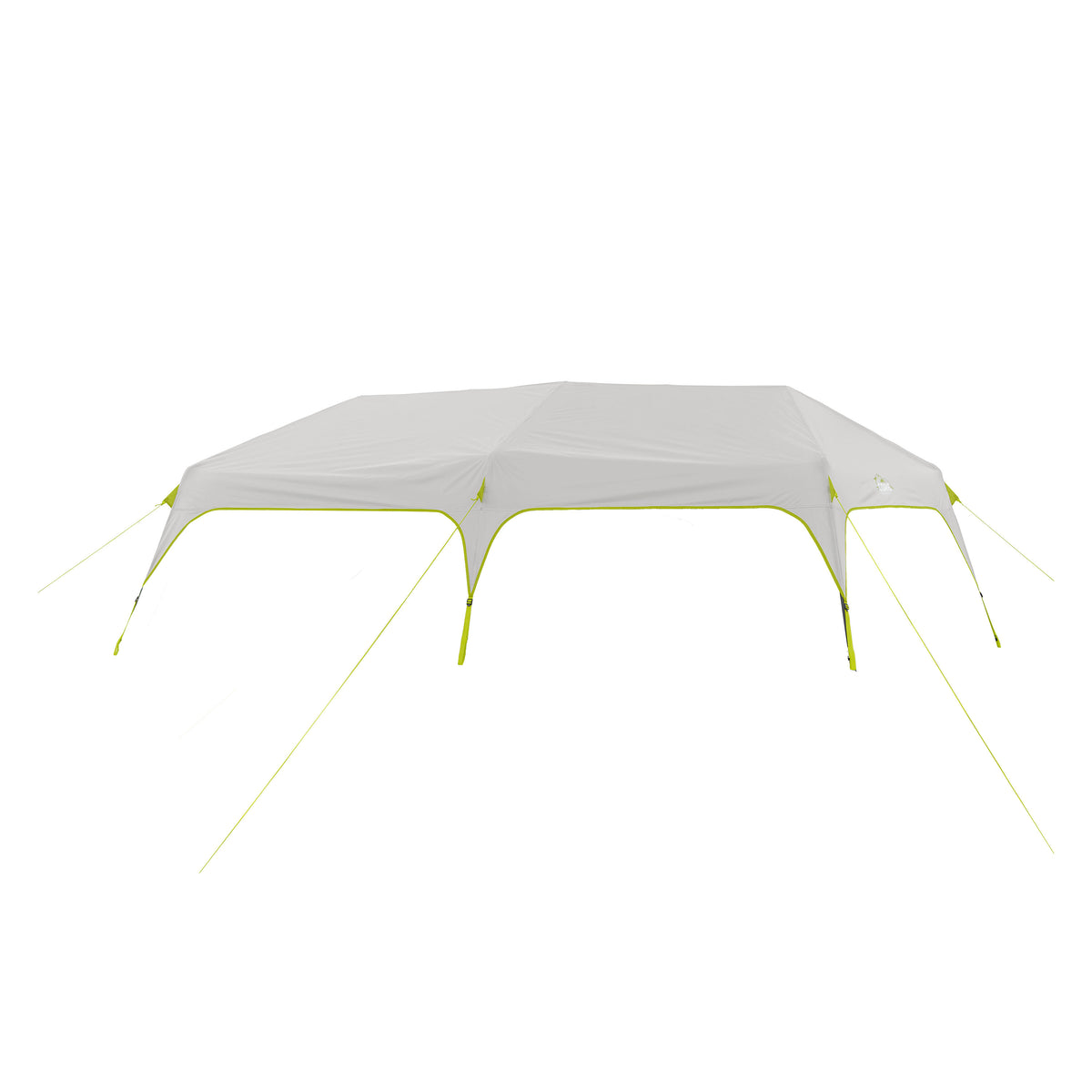
Tarps are large sheets made of waterproof material. You can place a tarp over your tent to stop rain.
Canopies are bigger covers that stand on poles. They create a dry space over your tent and around it.
- Tarps are light and easy to carry
- Canopies offer more space and ventilation
- Both can be tied to trees or poles
- Make sure to secure edges to stop wind
Built-in Tent Waterproofing
Some tents come with waterproof fabric built in. This helps keep rain from soaking the tent walls.
Sealed seams and waterproof zippers add extra protection from water leaks.
- Look for tents labeled as waterproof
- Check if seams are sealed or taped
- Waterproof zippers stop rain from entering
- Use a groundsheet to prevent water from below
Using Natural Shelter
Natural shelters like trees and rocks can help protect your tent from rain. They block wind and rain if placed right.
Choose a spot with a thick tree cover or a rock overhang to keep your tent dry.
- Set up under large tree branches
- Avoid low spots where water pools
- Use rocks as windbreaks
- Clear ground of leaves and sticks before pitching

Credit: litefighter.com
Credit: www.coreequipment.com
Frequently Asked Questions
What Is The Purpose Of A Tent Rain Fly?
A tent rain fly protects your tent from rain and moisture. It acts as a waterproof shield, keeping the interior dry. It also helps reduce condensation inside the tent for a comfortable camping experience.
How Does A Rain Fly Improve Tent Ventilation?
A rain fly allows airflow by creating a gap between it and the tent. This gap helps reduce heat buildup and moisture inside the tent. Proper ventilation prevents mold, mildew, and discomfort during camping.
Can A Rain Fly Protect Against Wind And Sun?
Yes, a rain fly provides additional protection against wind and sun. It acts as a barrier, reducing wind chill and blocking harmful UV rays. This keeps the tent cooler and more stable in varying weather conditions.
Is A Rain Fly Necessary For All Types Of Tents?
While not mandatory, a rain fly is highly recommended for most tents. It enhances weather protection and comfort. Some tents come with an integrated fly, but separate rain flies offer better versatility and coverage.
Conclusion
A rain fly protects your tent from rain and wind. It keeps you dry and comfortable outdoors. Simple to set up, it adds an extra layer of shelter. Choosing the right rain fly suits your camping needs best. Always carry one for unpredictable weather.
Enjoy your adventure without worrying about wet gear. A small addition with big benefits.