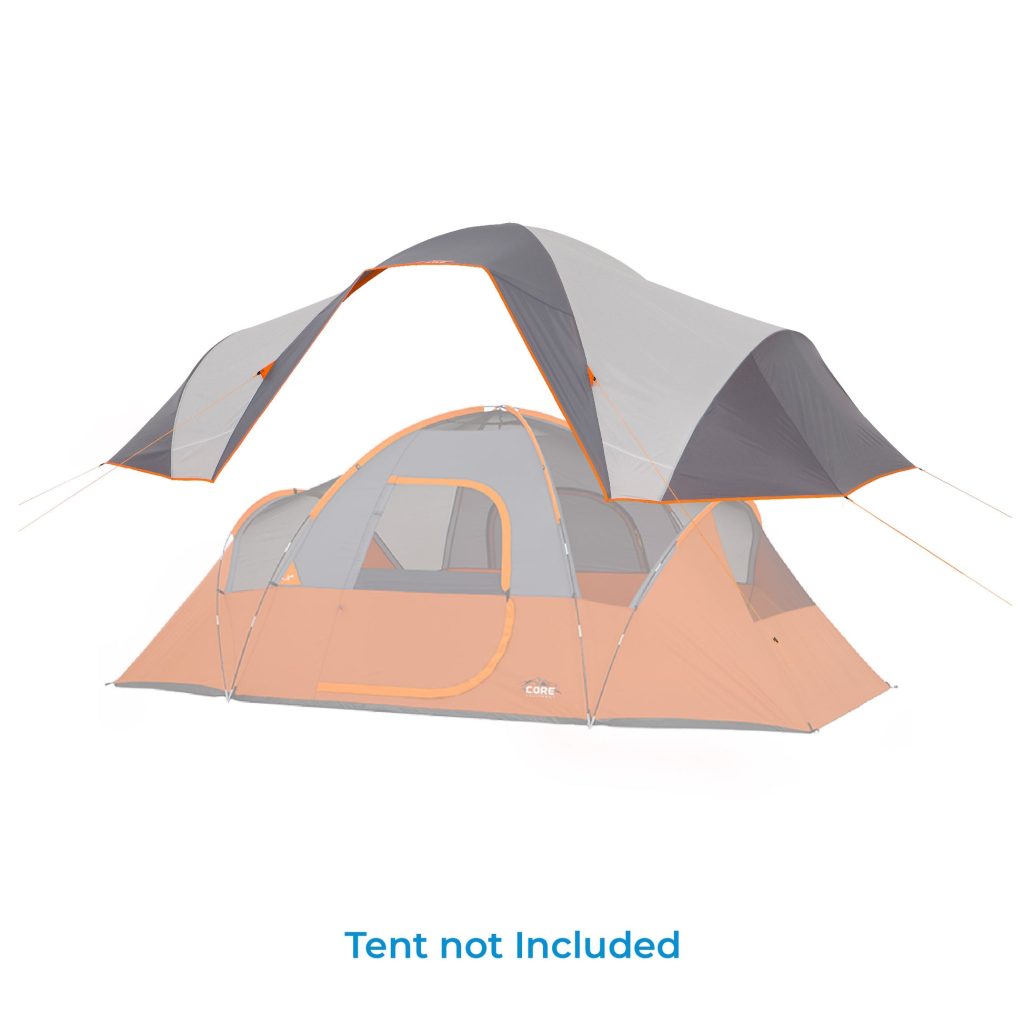
Have you ever wondered what that extra layer on top of your tent is for? That’s called a rainfly, and it’s more important than you might think.
Whether you’re new to camping or looking to improve your setup, understanding what a rainfly does can make a big difference in your comfort and protection outdoors. Keep reading to discover how a rainfly works, why you need one, and how it can keep you dry even when the weather turns against you.
Your next camping trip could be much better with this simple piece of gear.
Purpose Of A Rainfly
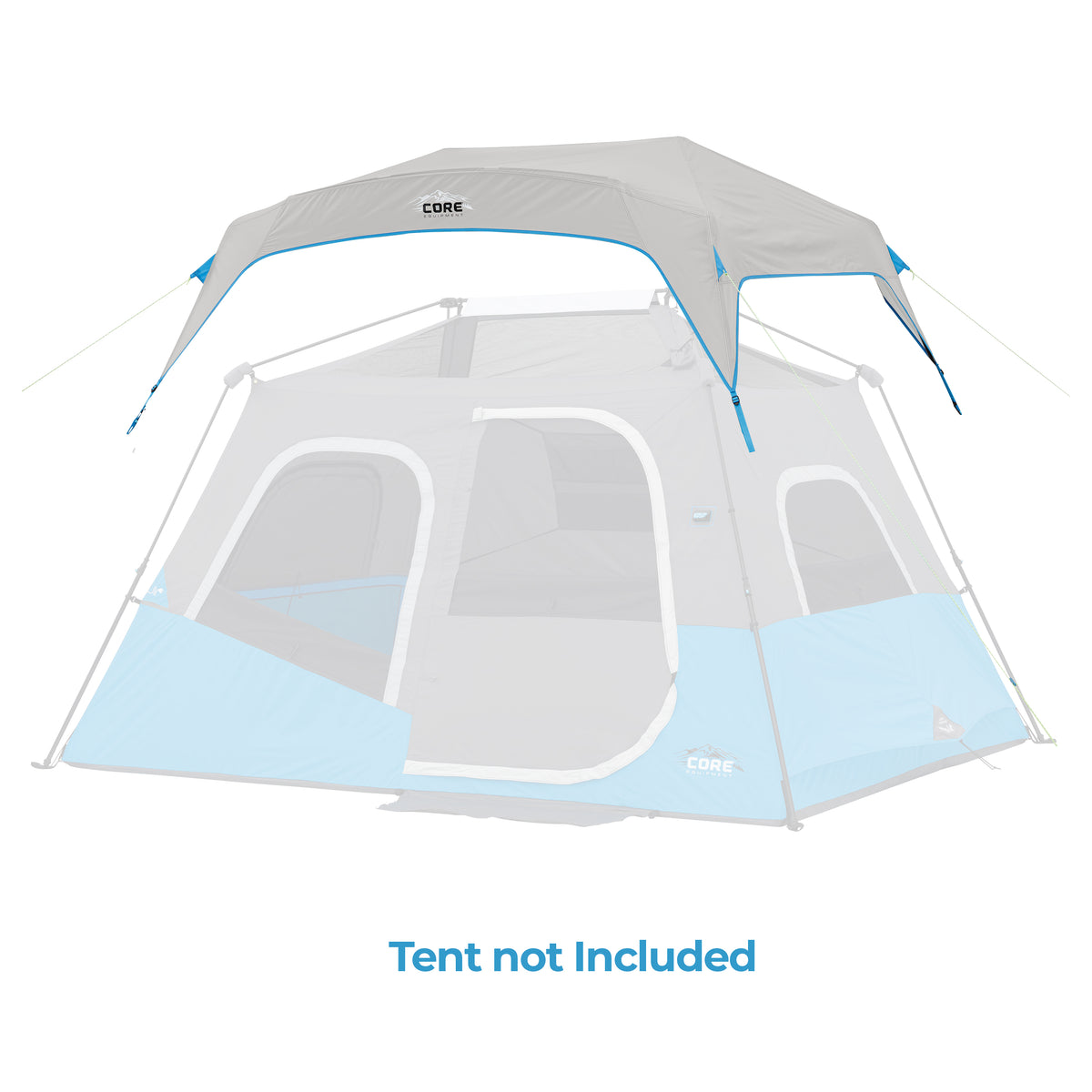
A rainfly is a separate cover that fits over a tent. It protects the tent from weather elements. It helps campers stay dry and comfortable.
Rainflies also improve airflow and block sunlight. They add an extra layer of protection for your tent and gear.
Protection From Rain
The main role of a rainfly is to keep rain out. It forms a waterproof barrier over the tent fabric. This stops water from leaking inside.
- Blocks rain from falling directly on the tent
- Prevents water from seeping through tent seams
- Allows water to run off the sides safely
- Keeps the tent dry during heavy storms
Enhancing Tent Ventilation
Rainflies help air move inside the tent. They create space between the tent and the fly. This space allows moisture and heat to escape.
| Ventilation Feature | Benefit |
|---|---|
| Raised Rainfly Edges | Air flows under the fly and cools the tent |
| Mesh Panels | Help moisture escape while keeping bugs out |
| Gap Between Fly and Tent | Prevents condensation build-up inside |
Shielding From Sun And Dew
A rainfly also protects the tent from sun and dew. It blocks harsh sunlight that can heat the tent. It keeps the tent cooler during the day.
At night, the rainfly stops dew from settling on the tent fabric. This helps keep the tent dry and comfortable for sleeping.
Credit: www.coreequipment.com
Types Of Rainflies
A rainfly is a waterproof cover that protects your tent from rain. It helps keep you dry and your gear safe. Different types of rainflies fit tents in various ways.
Choosing the right rainfly depends on your needs, weather, and tent style. Below are common types you will find for tents.
Full-coverage Rainflies
Full-coverage rainflies cover the entire tent, including the walls and roof. They offer the best protection against heavy rain and strong wind. These rainflies often extend to the ground or close to it.
They also help with insulation and reduce condensation inside the tent. Many backpackers prefer full-coverage rainflies for harsh weather conditions.
Partial Rainflies
Partial rainflies cover only the top part of the tent. They protect from rain falling from above but leave the sides open for airflow. This design reduces weight and improves ventilation.
- Lightweight and easy to pack
- Good for mild rain and warm weather
- Less protection from wind-driven rain
- Allows better views and fresh air
Tarp-style Rainflies
Tarp-style rainflies are large sheets of waterproof material. You can set them up in many ways to cover your tent or create a shelter. They are very versatile and often used by campers who want extra space outside the tent.
| Feature | Benefit | Consideration |
|---|---|---|
| Adjustable setup | Can cover tent or create a porch area | Needs skill to pitch properly |
| Lightweight | Easy to carry on long hikes | Less protection in strong winds |
| Multiple uses | Works as groundsheet or sunshade | May require extra poles or ropes |
Materials And Durability
A rainfly is an extra cover that protects a tent from rain and wind. Its strength and material affect how well it works. Choosing the right material makes the rainfly last longer.
Durability depends on the fabric, coatings, and how tough the material is. These factors keep you dry and safe during bad weather.
Common Fabrics Used
Rainflies use fabrics that resist water and wear. The most common are nylon and polyester. Both are light and strong, but they have differences.
- Nylon:Lightweight and flexible, dries fast.
- Polyester:Holds shape well, resists UV damage.
- Ripstop fabrics:Woven to stop small tears from growing.
Waterproof Coatings
Coatings make rainflies waterproof. They seal the fabric to stop water from passing through. Common coatings include polyurethane and silicone.
| Coating Type | Key Feature | Durability |
| Polyurethane (PU) | Good waterproofing | Moderate, can wear off |
| Silicone | Strong water resistance | High, lasts longer |
Tear Resistance
Tear resistance helps rainflies handle rough use. It stops holes from growing bigger. Fabrics with ripstop patterns add strength.
Key factors for tear resistance:
- Fabric weave tightness
- Use of ripstop threads
- Quality of coatings

Credit: www.davistent.com
How To Choose The Right Rainfly
A rainfly is a protective cover that goes over your tent. It keeps you dry during rain and blocks wind. Choosing the right rainfly helps make camping more comfortable and safe.
Not all rainflies fit every tent. You need to think about size, shape, weather, and how much weight you can carry. This guide helps you pick the best rainfly for your needs.
Matching Tent Size And Shape
Rainflies come in many shapes and sizes. It is important to match the rainfly to your tent’s size and shape. A good fit keeps water away and lets air flow.
- Check the length, width, and height of your tent.
- Look for rainflies made for your tent model or similar shapes.
- Choose a rainfly that covers the tent fully, including the vestibule if needed.
- Ensure the rainfly has attachment points that match your tent’s poles or loops.
Considering Weather Conditions
Think about the weather where you camp. Some rainflies are made for light rain, others for heavy storms. Wind resistance and ventilation are key factors.
| Weather Type | Recommended Rainfly Features |
| Light Rain | Lightweight, basic water resistance |
| Heavy Rain | Full coverage, strong waterproof fabric |
| Windy Conditions | Secure attachments, windproof design |
| Hot Weather | Good ventilation, breathable fabric |
Weight And Packability
Backpackers need rainflies that are light and easy to pack. Bulky rainflies add weight and take space. Look for materials that fold small but stay strong.
- Choose nylon or polyester fabrics with waterproof coating.
- Consider minimalist rainflies without extra layers.
- Check the packed size to fit your backpack.
- Look for rainflies with simple attachment systems to save time.
Setting Up A Rainfly
A rainfly is a waterproof cover that goes over your tent. It keeps rain and moisture out while camping.
Setting up a rainfly right helps keep your tent dry and comfortable. It also protects against wind and cold.
Attaching To Tent Frame
Start by unfolding the rainfly over the tent. Make sure it covers the whole tent roof and sides.
Attach the rainfly to the tent frame using clips, hooks, or Velcro strips. Secure each point firmly to avoid gaps.
- Align rainfly with tent poles
- Fasten clips or hooks at tent corners
- Check for tight fit without tears
Securing With Guy Lines
Guy lines are ropes that hold the rainfly tight and stable. Tie them to loops on the rainfly edges.
Secure the other end to stakes in the ground. Pull the lines tight to keep the rainfly from flapping.
- Find loops on rainfly edges
- Tie guy lines to loops
- Drive stakes into the ground
- Tighten lines for stability
Adjusting For Ventilation
Good ventilation stops moisture inside the tent. Lift parts of the rainfly to create air gaps.
Use vents or mesh panels if your rainfly has them. This keeps fresh air flowing while blocking rain.
- Check for vent openings on rainfly
- Lift rainfly edges slightly if needed
- Secure vents open with toggles or ties
- Avoid sealing rainfly flat against tent

Credit: litefighter.com
Maintenance And Storage Tips
Taking care of your tent’s rainfly helps keep it durable and ready for your next trip. Proper maintenance and storage prevent damage and extend its life.
Learn how to clean, dry, and store your rainfly correctly. These simple steps protect the fabric and waterproof coating.
Cleaning After Use
Remove dirt and debris from the rainfly after every use. Gentle cleaning preserves its waterproof layer and fabric strength.
- Shake off loose dirt and leaves.
- Use a soft brush to remove stuck mud.
- Spot clean with mild soap and water.
- Avoid harsh detergents or bleach.
- Rinse thoroughly to remove all soap.
Proper Drying Methods
Dry your rainfly fully before packing. Moisture can cause mold, mildew, and fabric damage.
| Drying Method | Instructions |
|---|---|
| Air Dry | Hang the rainfly in a shaded, breezy area to dry naturally. |
| Flat Dry | Spread it on a clean surface away from direct sunlight to avoid fabric fading. |
| Check for Dampness | Press gently to detect hidden moisture before storage. |
Storage Recommendations
Store the rainfly in a cool, dry place. Proper storage keeps it safe from damage and ready for use.
- Keep it loosely folded or rolled to avoid creases.
- Use a breathable storage bag or cotton sack.
- Avoid plastic bags, which trap moisture.
- Store away from direct sunlight and heat sources.
- Inspect periodically for pests or damage.
Common Rainfly Issues
A rainfly is a cover that protects your tent from rain and wind. It helps keep the inside dry. But rainflies can have problems that affect their function.
Knowing these common issues can help you fix your rainfly and stay comfortable outdoors.
Leaks And Waterproofing Fixes
Rainflies can develop leaks due to wear or damage. Water can seep through holes or weak spots. Poor waterproofing causes wet spots inside your tent.
Fix leaks by patching holes with waterproof tape or sealant. Reapply waterproof spray to improve water resistance. Check seams for loose stitching and reinforce them if needed.
- Use waterproof tape on small holes.
- Apply seam sealer to stitched areas.
- Spray water repellent regularly.
- Replace rainfly if damage is severe.
Wind Resistance Problems
Strong winds can cause rainflies to flap or tear. A loose rainfly may blow off or shift, exposing the tent to rain. Poorly anchored rainflies fail to protect well.
Secure your rainfly tightly with all straps and guylines. Use extra stakes in windy spots. Adjust tension to reduce flapping and prevent damage.
- Always fasten all rainfly straps.
- Add guylines for extra support.
- Use strong stakes for anchoring.
- Check tension during wind changes.
Wear And Tear Signs
Rainflies show wear over time. Look for frayed edges, holes, and thinning fabric. UV rays can weaken material and cause color fading.
Replace or repair worn rainflies before trips. Store rainflies dry and folded to prevent damage. Regular checks help catch problems early.
- Check for holes and tears regularly.
- Look for fabric thinning and fading.
- Store rainfly in a dry place.
- Repair small damage before it worsens.
Frequently Asked Questions
What Is The Purpose Of A Rainfly?
A rainfly is designed to protect a tent from rain and moisture. It acts as a waterproof layer over the tent. This helps keep the interior dry during wet weather conditions. Additionally, a rainfly can provide extra insulation and shade.
How Do You Attach A Rainfly To A Tent?
To attach a rainfly, spread it over the tent and align it with the poles. Secure it using clips or ties provided. Ensure the rainfly is taut to prevent water pooling. Some tents have specific attachment points for the rainfly.
Can You Use A Tent Without A Rainfly?
Yes, you can use a tent without a rainfly in dry weather. However, using a rainfly provides added protection against unexpected rain. It also offers extra insulation and privacy. Without it, the tent may be prone to leaks and less comfortable.
How To Choose The Right Rainfly For A Tent?
When choosing a rainfly, consider its size, material, and waterproof rating. Ensure it fits your tent model and offers adequate coverage. A higher waterproof rating ensures better protection. Lightweight and durable materials are preferable for easy handling and longevity.
Conclusion
A rainfly keeps your tent dry during rain or snow. It adds an extra layer of protection from wind and moisture. Using a rainfly makes camping more comfortable and safe. It helps keep your gear and sleeping area clean and dry.
Choosing the right rainfly depends on your tent and weather. Now you understand why a rainfly matters for every camper. Simple but important for a good camping experience.