
Have you ever wondered what makes your car’s exhaust sound just right—loud enough to feel powerful, but not so loud it’s annoying? The secret often lies in a part called the resonator.
If you’re curious about how your exhaust system controls noise and improves your driving experience, understanding the resonator is key. You’ll discover what a resonator is, how it works, and why it matters for your vehicle. By the end, you’ll know exactly how this small component can make a big difference in your ride.
Keep reading to find out!
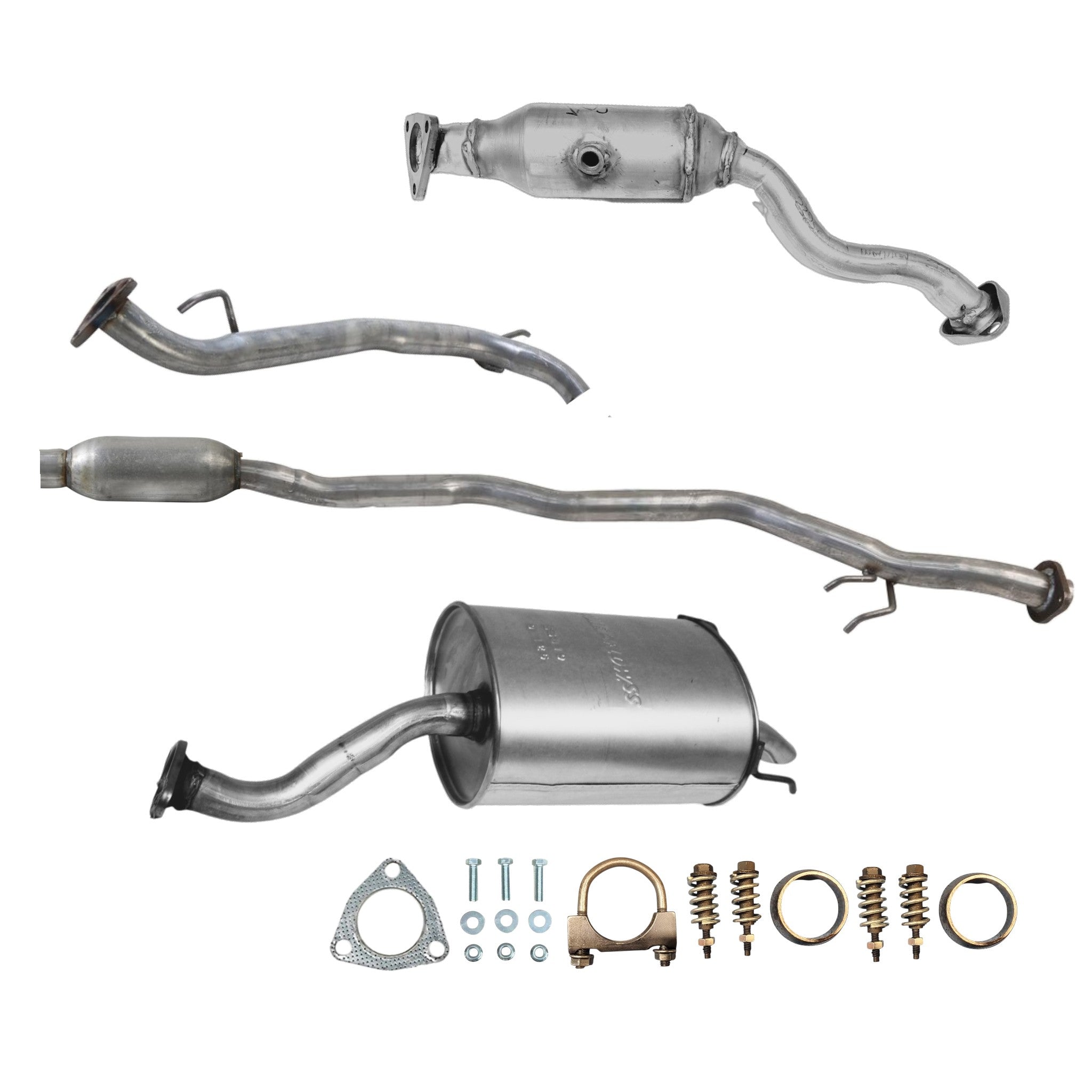
Credit: globalmuffler.ca
Role Of A Resonator
A resonator is an important part of an exhaust system in many vehicles. It helps control the sound and performance of the engine.
By working with the muffler, the resonator adjusts noise levels and improves how the exhaust gases flow out.
Noise Reduction
The resonator reduces unpleasant noises coming from the engine. It cancels out certain sound waves to make the exhaust quieter.
- Blocks harsh engine sounds
- Reduces drone during steady speeds
- Works with the muffler for smoother noise
Sound Tuning
The resonator helps shape the exhaust sound to make it more pleasant. It can make the engine noise deeper or softer.
| Effect | Description |
| Deep Tone | Resonator adjusts sound waves to lower pitch |
| Soft Sound | Reduces sharp noises for smooth exhaust noise |
| Balanced Volume | Keeps noise levels comfortable inside and outside |
Improving Exhaust Flow
The resonator also helps exhaust gases flow better through the system. This can improve engine efficiency and performance.
Key benefits of improved exhaust flow:
- Reduces back pressure on the engine
- Helps engine breathe better
- May increase fuel efficiency
- Supports cleaner emissions
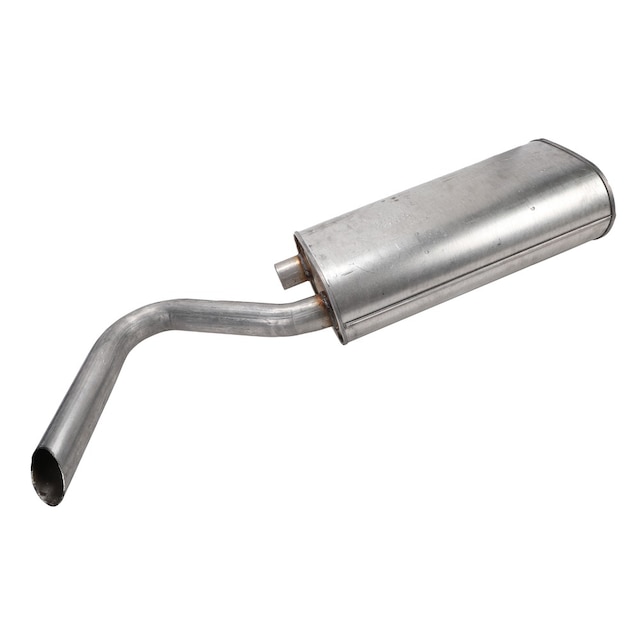
Credit: parts.cadillac.com
Types Of Exhaust Resonators
Exhaust resonators help reduce noise from the engine. They work by changing sound waves in the exhaust system.
There are different types of resonators used. Each type changes the sound in its own way.
Chambered Resonators
Chambered resonators have a hollow chamber inside. This chamber reflects sound waves to cancel out noise.
They often look like a small box or oval shape. The size and shape affect how well they reduce sound.
Straight-through Resonators
Straight-through resonators let exhaust gases flow straight. They use a perforated tube surrounded by sound-absorbing material.
These resonators reduce noise while keeping good exhaust flow. They are common in performance exhaust systems.
- Perforated tube inside
- Sound-absorbing packing around tube
- Allows smooth gas flow
- Reduces harsh noise
Helmholtz Resonators
Helmholtz resonators work like air chambers tuned to cancel specific sound frequencies. They target problem noises in the exhaust.
These resonators are smaller and often hidden inside the exhaust pipe. They improve sound quality without blocking flow.
How Resonators Work
A resonator is a part of an exhaust system. It helps change the sound of the engine. It works by changing how sound waves move through the exhaust.
Resonators make the exhaust noise smoother and less harsh. They work with mufflers to control engine sound.
Sound Wave Cancellation
Resonators cancel certain sound waves in the exhaust. They use chambers or tubes to reflect sound waves back. These reflected waves cancel out some noise.
This process lowers the loud, sharp sounds. It helps make the exhaust noise quieter and nicer to hear.
Frequency Targeting
Resonators focus on specific sound frequencies. They are designed to reduce sounds in certain frequency ranges. This targets the most annoying engine noises.
By tuning the resonator size and shape, it can block these frequencies. This improves the overall sound quality of the exhaust.

Credit: www.motortrend.com
Differences Between Resonators And Mufflers
Resonators and mufflers are parts of an exhaust system. They help control the sound and emissions of a vehicle. Many people confuse them because both reduce noise, but their roles are different.
This article explains how resonators and mufflers differ in function, sound impact, and performance effects. Understanding these differences can help you choose the right part for your vehicle.
Function Comparison
Both resonators and mufflers reduce noise, but they work differently. Resonators are tuned chambers that cancel out specific sound frequencies. Mufflers use chambers and baffles to lower the volume of all exhaust noise.
- Resonators:Designed to reduce drone and certain tones.
- Mufflers:Designed to lower overall noise levels.
- Placement:Resonators usually sit before or after the muffler.
- Construction:Mufflers have complex internal parts; resonators have simpler chambers.
Sound Impact
Resonators make the exhaust sound smoother. They target annoying frequencies that cause droning inside the car. Mufflers make the exhaust quieter by reducing all noise levels.
| Aspect | Resonator | Muffler |
| Noise Type Reduced | Specific frequencies (drone) | Overall exhaust volume |
| Sound Quality | Smoother, less harsh | Quieter, muffled |
| Effect on Engine Sound | Less change | More change |
Performance Effects
Resonators usually have little effect on engine power and exhaust flow. Mufflers can affect performance more because of their internal parts that slow down exhaust gases.
- Resonators keep exhaust flow smooth with minimal restriction.
- Mufflers may add backpressure, which can reduce engine efficiency.
- Removing or changing mufflers impacts noise and performance more than resonators.
Benefits Of Adding A Resonator
A resonator is a part of the exhaust system that changes the sound of the engine. It helps make the exhaust noise smoother and less harsh.
Adding a resonator brings several benefits to your vehicle. It improves sound quality, reduces noise inside the cabin, and helps the engine run better.
Enhanced Exhaust Sound
The resonator changes the tone of your exhaust sound. It removes unpleasant noises and makes the engine sound deeper and nicer.
This helps give your car a more balanced and enjoyable sound without being too loud or annoying.
Reduced Drone
Drone is the constant, low noise inside the car that gets tiring on long drives. A resonator reduces this drone by canceling certain sound waves.
This makes your trips more comfortable and less noisy for everyone inside the vehicle.
- Less tired ears during long drives
- Quieter cabin environment
- Better focus while driving
Improved Engine Efficiency
A resonator helps smooth the flow of exhaust gases out of the engine. This reduces back pressure and allows the engine to breathe better.
Better exhaust flow can improve engine power and fuel efficiency in some cases.
Signs Your Exhaust Needs A Resonator
A resonator is an important part of a car’s exhaust system. It helps reduce noise and improve sound quality. If your exhaust system lacks a good resonator, you may notice some issues.
Knowing the signs that your exhaust needs a resonator can help you fix problems early. This keeps your car running smoothly and quietly.
Excessive Noise
One clear sign you need a resonator is loud exhaust noise. Without a resonator, your car sounds much louder than normal. This noise can be harsh and annoying.
The resonator helps lower the volume by canceling sound waves. If your car is too noisy, it may mean the resonator is missing or damaged.
Unpleasant Sound Frequency
Your exhaust may make strange sounds if it needs a resonator. These sounds can be high-pitched or raspy. They are not the smooth engine sounds you expect.
A resonator changes the sound frequency to make it more pleasant. If the sound is sharp or weird, it shows the resonator is not working well.
Vibration And Drone Issues
Vibrations or a droning noise inside your car can mean your exhaust needs a resonator. This drone is a low, constant sound that makes driving less comfortable.
The resonator reduces these vibrations by balancing sound waves. If you feel or hear this drone, check your resonator for problems.
Installation And Maintenance Tips
A resonator is a part of the exhaust system that reduces noise. It helps make your car quieter and smoother.
Proper installation and regular care of the resonator keep your exhaust system working well. This guide explains how to choose, install, and maintain it.
Choosing The Right Resonator
Select a resonator that fits your vehicle’s make and model. It should match the size and shape of your exhaust system.
Consider the sound level you want. Some resonators reduce more noise, while others allow a louder engine sound.
- Check compatibility with your exhaust pipe diameter
- Pick a resonator material that resists rust, like stainless steel
- Decide on sound preference: quiet or sporty
Professional Vs Diy Installation
Installing a resonator needs tools and some mechanical skill. Professionals have experience and proper equipment.
If you are confident, DIY installation can save money. Follow instructions carefully and work safely under the vehicle.
- Professional installation is faster and ensures correct fit
- DIY saves cost but requires time and safety measures
- Use jack stands and safety glasses for DIY work
- Double-check all clamps and seals after installation
Regular Inspection
Check your resonator regularly to avoid leaks and rust. Look for holes, cracks, or loose parts.
Inspect it every few months or after rough driving. Early fixes prevent bigger problems and costly repairs.
- Look for unusual noises from the exhaust
- Check for visible damage or rust
- Ensure clamps and hangers are tight
- Replace the resonator if damaged or worn out
Popular Resonator Brands And Models
A resonator is a key part of an exhaust system that helps reduce noise. It works by canceling sound waves inside the exhaust pipe. Many brands offer resonators with different designs and features.
Choosing the right resonator depends on what you need. Some focus on sound quality, while others focus on cost. Below are popular options to consider.
Top Market Options
Several brands lead the market with well-known resonator models. These include high-quality materials and proven designs. Here are some popular choices:
- Borla Resonators – Known for stainless steel and deep sound tuning
- MagnaFlow Resonators – Offer durable construction and smooth sound
- Flowmaster Resonators – Focus on balanced sound and performance
- JBA Resonators – Provide affordable options with good noise reduction
- HKS Resonators – Popular in performance tuning for sport cars
Performance Vs Budget Choices
Resonators vary in price and performance. Some cost more but offer better sound and durability. Others are cheaper but still reduce noise well. The table below compares common options.
| Brand | Price Range | Material | Sound Quality | Durability |
|---|---|---|---|---|
| Borla | High | Stainless Steel | Excellent | High |
| MagnaFlow | Medium | Stainless Steel | Good | High |
| Flowmaster | Medium | Aluminized Steel | Good | Medium |
| JBA | Low | Aluminized Steel | Fair | Medium |
| HKS | High | Stainless Steel | Excellent | High |
Frequently Asked Questions
What Is The Purpose Of A Resonator In Exhaust Systems?
A resonator reduces exhaust noise by canceling specific sound frequencies. It improves sound quality without affecting engine performance. Resonators help create a smoother, quieter exhaust tone for a better driving experience.
How Does A Resonator Differ From A Muffler?
A resonator targets specific sound waves to reduce drone, while a muffler reduces overall noise. Resonators fine-tune exhaust sound, mufflers primarily lower volume. Both work together to enhance exhaust system performance and sound.
Can A Resonator Improve Vehicle Performance?
A resonator mainly affects sound, not power or fuel efficiency. It reduces unwanted noise without restricting exhaust flow. While it won’t boost performance, it enhances the driving experience through better exhaust tone.
Is It Necessary To Have A Resonator On All Exhaust Systems?
Not all vehicles require a resonator; it depends on design and noise regulations. Some cars use mufflers alone, while others add resonators for noise control. Resonators are common in performance or luxury vehicles for sound refinement.
Conclusion
Understanding a resonator on an exhaust system is important. It reduces noise and improves sound quality. A resonator tunes the exhaust sound. This creates a smoother driving experience. It also helps with engine efficiency. Not everyone needs a resonator, though.
Consider your vehicle’s needs and preferences. They play a key role in exhaust systems. This makes them a crucial part of car maintenance. Keep these points in mind for better vehicle performance. Happy driving!