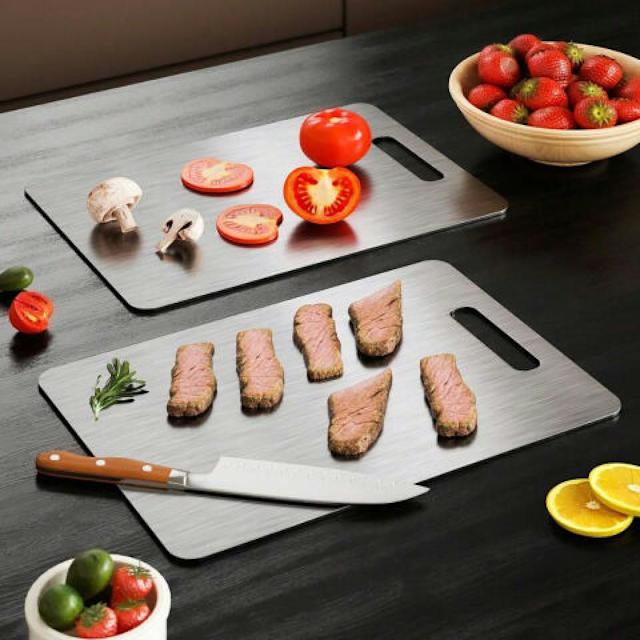
When it comes to preparing your meals, the cutting board you use plays a bigger role than you might think. Have you ever wondered if your cutting board is truly safe?
Choosing the right one can protect you from harmful bacteria and keep your kitchen clean. You’ll discover what makes a cutting board safe, how to pick the best one for your needs, and simple tips to keep it in top shape.
Read on to make sure your cutting board is working for your health, not against it.
Choosing The Right Material
Picking a safe cutting board is important for your kitchen. The material affects how clean and durable the board is.
Some materials keep knives sharper and resist bacteria better than others. Let’s look at common options.
Wood Vs Plastic
Wood cutting boards are gentle on knives and can last a long time. They absorb water, which can cause germs if not cleaned well.
Plastic boards are easy to clean and do not absorb water. They can get deep cuts where bacteria hide, so replace them often.
- Wood is durable and knife-friendly
- Plastic is dishwasher safe and non-porous
- Wood needs careful cleaning to avoid bacteria
- Plastic may wear out faster with cuts
Bamboo Benefits
Bamboo is a strong and eco-friendly option. It resists water and does not dull knives quickly.
Bamboo boards are harder than wood, so they last longer but may cause more knife wear. They are easy to clean and naturally antibacterial.
- Eco-friendly and sustainable
- Resists water and bacteria
- Harder surface can dull knives faster
- Easy to clean with mild soap
Composite Options
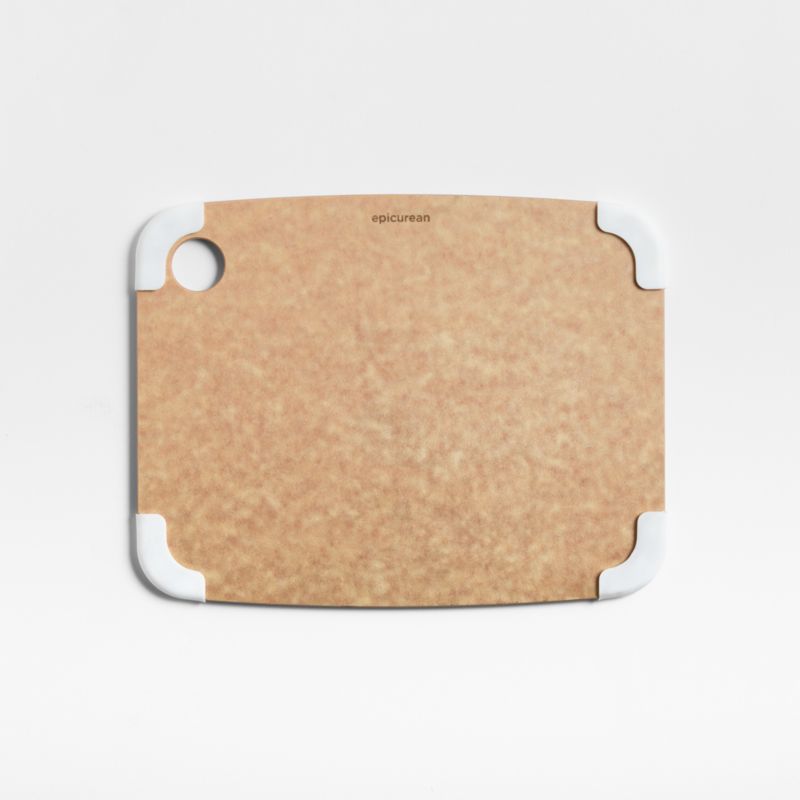
Composite boards are made from wood fibers and resin. They combine features of wood and plastic.
These boards are durable, heat resistant, and dishwasher safe. They do not absorb water and are less likely to crack or warp.
- Strong and long-lasting
- Heat and water resistant
- Dishwasher safe for easy cleaning
- Gentle on knives compared to plastic

Credit: titancuttingboard.com
Size And Thickness Considerations
Choosing the right size and thickness for a cutting board helps keep your kitchen safe and clean. The board should fit the tasks you do most often. It also needs to be strong enough to last long and stay stable during use.
Both size and thickness affect how easy and safe it is to chop, slice, or dice. Picking the best board means thinking about what you cut and how you work in the kitchen.
Matching Board Size To Tasks
Different cooking tasks need different board sizes. Using the right size helps keep your workspace clean and avoids accidents. Small boards are good for fruits and quick jobs. Large boards suit big vegetables and meat.
- Small boards (8-10 inches): best for fruits, nuts, and small veggies.
- Medium boards (11-15 inches): good for most daily chopping and slicing.
- Large boards (16+ inches): ideal for big cuts like roasts or large vegetables.
Durability And Stability
Thickness adds strength and helps the board stay steady. Thin boards may slip or warp. Thick boards last longer and resist dents from knives. Stability is key to safe cutting and to protect your counters.
| Thickness | Benefits | Drawbacks |
| Less than 0.5 inch | Lightweight, easy to store | Can bend, less stable |
| 0.5 to 1 inch | Good balance of weight and strength | May slip if not used with a grip |
| Over 1 inch | Very stable and durable | Heavier, needs more space |
Cleaning And Maintenance Tips
Keeping your cutting board safe means cleaning it well. Dirt and germs can hide in small cuts.
Good care helps stop bacteria from spreading and keeps food safe to eat.
Proper Washing Techniques
Wash your cutting board right after use. Use hot, soapy water to clean all surfaces.
Scrub with a brush or sponge to remove food bits stuck in grooves.
- Use warm water and dish soap
- Scrub all sides, including edges
- Rinse well to remove soap
- Dry the board completely before storing
Sanitizing Methods
Sanitize your cutting board to kill germs. Use safe household items to do this.
White vinegar and hydrogen peroxide work well as natural sanitizers.
- Spray white vinegar on the surface and let sit for a few minutes
- Rinse with water and dry
- Or apply hydrogen peroxide, wait, then rinse
- For plastic boards, use diluted bleach solution carefully
Avoiding Cross-contamination
Use separate cutting boards for raw meat, vegetables, and cooked food. This stops germs from spreading.
Clean boards well after each use to keep food safe and fresh.
- Mark boards by use or color
- Wash boards after cutting raw meat
- Never place cooked food on a board used for raw meat without cleaning
- Replace boards when deeply scratched or damaged
Credit: www.crateandbarrel.ca
Signs To Replace Your Cutting Board
Your cutting board can hide bacteria if damaged or worn out. Watch for signs that it needs to be replaced.
Using a safe cutting board helps keep your food clean and healthy. Check your board often for damage or stains.
Deep Grooves And Cracks
Deep cuts or cracks on your cutting board can trap food particles and germs. These areas are hard to clean and can cause contamination.
- Look for deep knife marks on the surface.
- Check if cracks are wide enough to hold moisture.
- Replace the board if grooves cannot be sanded down.
Persistent Stains And Odors
Stains and smells that do not go away after washing show your cutting board is absorbing liquids. This can lead to bacteria growth.
| Sign | What It Means |
| Dark Stains | Board soaks in juices and dyes from food |
| Strong Odors | Bacteria or mold may be growing inside |
| Sticky or Slimy Texture | Board is not drying properly and is unsafe |
Safe Cutting Practices
Using a safe cutting board helps keep food clean and safe. It stops germs from spreading.
Good cutting habits protect you and your family from food sickness. Always follow safe rules.
Using Separate Boards For Different Foods
Use different cutting boards for meat, vegetables, and fruits. This stops germs from moving between foods.
Red boards are often for raw meat, green for vegetables, and yellow for poultry. This helps you remember.
- Raw meat can carry harmful bacteria.
- Vegetables need to stay clean to be safe.
- Fruits are often eaten raw, so keep them separate.
Proper Storage To Prevent Contamination
Store cutting boards in a clean, dry place after washing. This stops bacteria from growing.
Keep boards upright or in a rack to air dry. Do not stack them while wet to avoid germs.
- Wash boards with hot, soapy water after use.
- Dry completely before storing.
- Replace boards that have deep cuts or cracks.

Credit: www.amazon.ca
Frequently Asked Questions
What Materials Make A Cutting Board Safe?
A safe cutting board is typically made from materials like bamboo, plastic, or hardwood. These materials are non-porous, preventing bacteria absorption. Bamboo and plastic boards are particularly popular for their durability and ease of cleaning. Always choose materials that are free from harmful chemicals and ensure they’re food-grade certified.
How Often Should I Replace My Cutting Board?
Replace your cutting board when it shows deep grooves, warping, or excessive wear. Deep cuts can harbor bacteria, posing a health risk. For plastic boards, consider replacing every few years. Wooden boards can last longer with proper maintenance. Regularly inspect your board for signs of damage.
Are Wooden Cutting Boards Safe For Meat?
Yes, wooden cutting boards are safe for meat if properly maintained. They have natural antibacterial properties. Ensure you clean them thoroughly after each use. Use hot soapy water and dry immediately. It’s also wise to have separate boards for raw meat and other foods to prevent cross-contamination.
How Can I Sanitize My Cutting Board?
To sanitize a cutting board, wash it with hot, soapy water after each use. For deeper cleaning, use a solution of one tablespoon of bleach per gallon of water. Alternatively, vinegar or hydrogen peroxide can be used. Always rinse thoroughly and dry completely to prevent bacteria growth.
Conclusion
Choosing a safe cutting board protects your health every day. Wood and plastic are common safe options. Clean boards well to stop bacteria growth. Replace boards that have deep cuts or cracks. Separate boards for meat and vegetables to avoid germs.
Using the right board makes cooking safer and easier. Small steps keep your kitchen clean and healthy. Safe cutting boards matter for your family’s well-being. Keep these tips in mind for better food safety.