Are you exploring the features of gas cooktops and stumbled upon the term “sealed burner”? You might be wondering what it means and why it matters for your kitchen.
A sealed burner can make a significant difference in your cooking experience, offering benefits that could change how you view gas cooking. By understanding what a sealed burner is, you can make informed decisions that enhance your culinary adventures and simplify your kitchen maintenance.
Dive into this article to discover the ins and outs of sealed burners, and find out why they might be the perfect addition to your kitchen setup. Keep reading to unlock the secrets of these innovative cooktop components and how they can elevate your cooking game.
Sealed Burner Basics
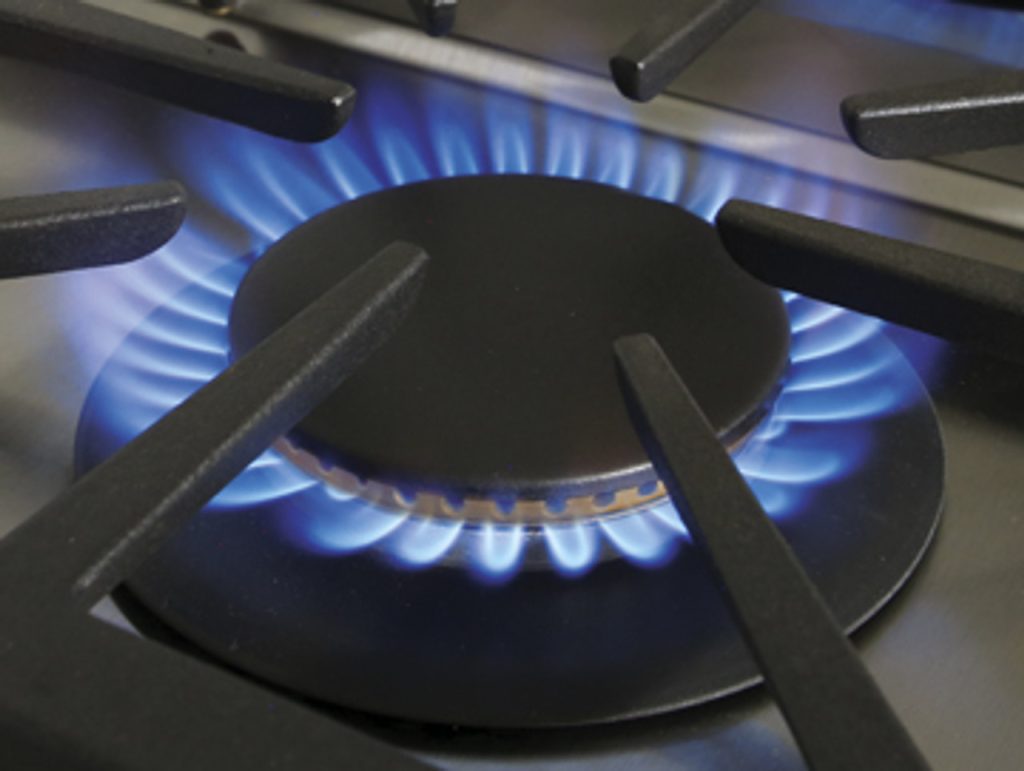
A sealed burner is a common feature on modern gas cooktops. It helps keep the cooktop cleaner and makes cooking safer. The design stops food and spills from falling inside the cooktop. This makes cleaning easier and protects the internal parts.
Understanding the basics of a sealed burner helps you appreciate its benefits. The design and working parts are simple yet effective. Let’s look at how sealed burners are built and how they work.
Design And Components
A sealed burner has a few key parts that work together. These parts include:
- Burner cap:Sits on top and spreads the flame evenly.
- Burner base:Holds the gas jets and connects to the gas supply.
- Sealing ring or gasket:Creates a tight seal to block spills.
- Cooktop surface:Usually made of glass or metal, it surrounds the burner.
The sealing ring is the main feature. It stops liquid or food bits from falling inside the cooktop. This keeps the cooktop clean and safe to use.
How It Works
Gas flows from the supply line into the burner base. The burner cap spreads the gas flame evenly across the cooking area. The sealed design traps spills on the cooktop surface.
Any food or liquid stays on top of the cooktop. This makes wiping spills quick and simple. The seal also stops liquids from reaching electrical parts. This reduces the risk of damage or fire.
The sealed burner helps keep your cooktop cleaner for longer. It improves safety and makes cooking more convenient.
Credit: ranein.net
Benefits Of Sealed Burners
Sealed burners offer several advantages that can make your cooking experience more enjoyable and efficient. They are designed to prevent spills from reaching the internal components of your cooktop, which brings noticeable benefits in terms of maintenance, safety, and cooking results. Understanding these benefits can help you decide if a gas cooktop with sealed burners fits your kitchen needs.
Easy Cleaning
Sealed burners keep spills and crumbs from slipping into hard-to-reach areas under the burner. This means you can simply wipe down the cooktop surface without dismantling parts. Imagine how much time you save after cooking a messy dinner and only needing a quick wipe to clean up!
Have you ever struggled with food residue stuck beneath a burner? Sealed burners eliminate that hassle, making daily cleanup straightforward and less frustrating.
Improved Safety
Because sealed burners prevent food and liquids from entering the burner box, they reduce the risk of flare-ups and gas blockages. This containment helps avoid potential fire hazards that can occur with spills reaching the ignition system.
Plus, sealed burners tend to have fewer exposed parts, which means less chance of accidental contact with hot or moving components. This design can be especially helpful if you have kids in the kitchen.
Enhanced Cooking Performance
Sealed burners provide more consistent heat distribution because they maintain better control over airflow around the flame. This results in more even cooking and less wasted energy.
When you cook dishes that require precise temperature control, such as sauces or delicate simmering, sealed burners give you the reliability you need. Have you noticed how uneven flames can affect your cooking results? Sealed burners help solve that problem.
Comparison With Open Burners
Sealed burners and open burners are two common types on gas cooktops. Each type has unique features that affect cooking experience and maintenance. Comparing them helps choose the right option for your kitchen needs.
Durability Differences
Sealed burners have a sealed design that prevents food and liquid spills from entering the burner area. This design protects the internal parts from damage and corrosion. Open burners leave the burner parts exposed, which makes them more vulnerable to wear and tear. Sealed burners usually last longer because they stay cleaner and safer from damage.
Maintenance Needs
Cleaning sealed burners is easier and faster. The sealed surface stops spills from dripping inside, reducing deep cleaning needs. Open burners require more frequent disassembly and cleaning to remove food debris and grease. This can be time-consuming and tricky. Sealed burners save time and effort in daily maintenance.
Heat Distribution
Open burners provide direct flame exposure, which can create hot spots under pots and pans. This may cause uneven cooking if heat is not spread well. Sealed burners have a more controlled flame path, helping distribute heat evenly. This leads to better cooking results and less chance of burning food.

Credit: www.hamiltonsappliance.com
Installation And Compatibility
Installing a sealed burner on your gas cooktop requires attention to detail and understanding of compatibility factors. Getting the fit right ensures safety and optimal performance. Compatibility depends largely on the gas type your cooktop uses and the burner design.
Fitting Sealed Burners
Sealed burners are designed to fit snugly into the cooktop surface, which helps prevent spills from entering the burner box. When fitting a sealed burner, you need to check the size and shape of the burner base to match your cooktop’s openings.
Some burners come with universal bases that fit a range of models, but many require specific dimensions. If you try to force a burner that doesn’t fit, you risk gas leaks or uneven flames. Have you ever struggled with a burner that just wouldn’t sit correctly? That’s a sign you need to verify compatibility before purchase.
- Remove the old burner carefully to inspect mounting points.
- Compare the new burner’s base diameter with your cooktop’s burner opening.
- Confirm that electrical igniters align properly if your cooktop uses them.
Gas Types Supported
Sealed burners typically support natural gas or propane, but not all burners work interchangeably. Your burner must match the gas type supplied to your kitchen to function safely and efficiently.
If you switch fuel types, you may need new orifices that control the gas flow. Using the wrong burner for your gas type can cause weak flames or dangerous gas buildup.
| Gas Type | Compatibility | Adjustment Needed |
|---|---|---|
| Natural Gas | Most common in urban homes | Standard orifice size |
| Propane (LP Gas) | Used in rural or off-grid locations | Smaller orifice, possible pressure regulator change |
Have you checked the type of gas your cooktop uses before buying replacement parts? It’s a simple step that avoids costly mistakes and keeps your kitchen safe.
Common Issues And Fixes
Sealed burners on gas cooktops offer a sleek design and easier cleaning. Yet, they can face common issues that affect performance. Knowing these problems and their solutions helps maintain a smooth cooking experience.
Ignition Problems
Ignition problems often occur due to dirt blocking the spark or gas flow. Check for food crumbs or grease near the igniter. Cleaning this area usually restores proper ignition. Ensure the burner cap is correctly placed. Misalignment can prevent sparks from lighting the gas.
Flame Irregularities
Uneven or weak flames may signal clogged burner ports. Use a soft brush or pin to clear small holes. Avoid using sharp tools that can damage the burner. A blue flame indicates good combustion, while yellow or orange flames suggest blockage or gas issues. Adjust air shutters if flames flicker or lift off.
Cleaning Tips
- Allow burners to cool before cleaning.
- Remove burner caps and wash with warm, soapy water.
- Use a soft brush to clean burner heads and ports.
- Wipe surfaces with a damp cloth to remove grease.
- Dry all parts completely before reassembling.
- Regular cleaning prevents buildup that causes ignition and flame problems.
Choosing The Right Sealed Burner
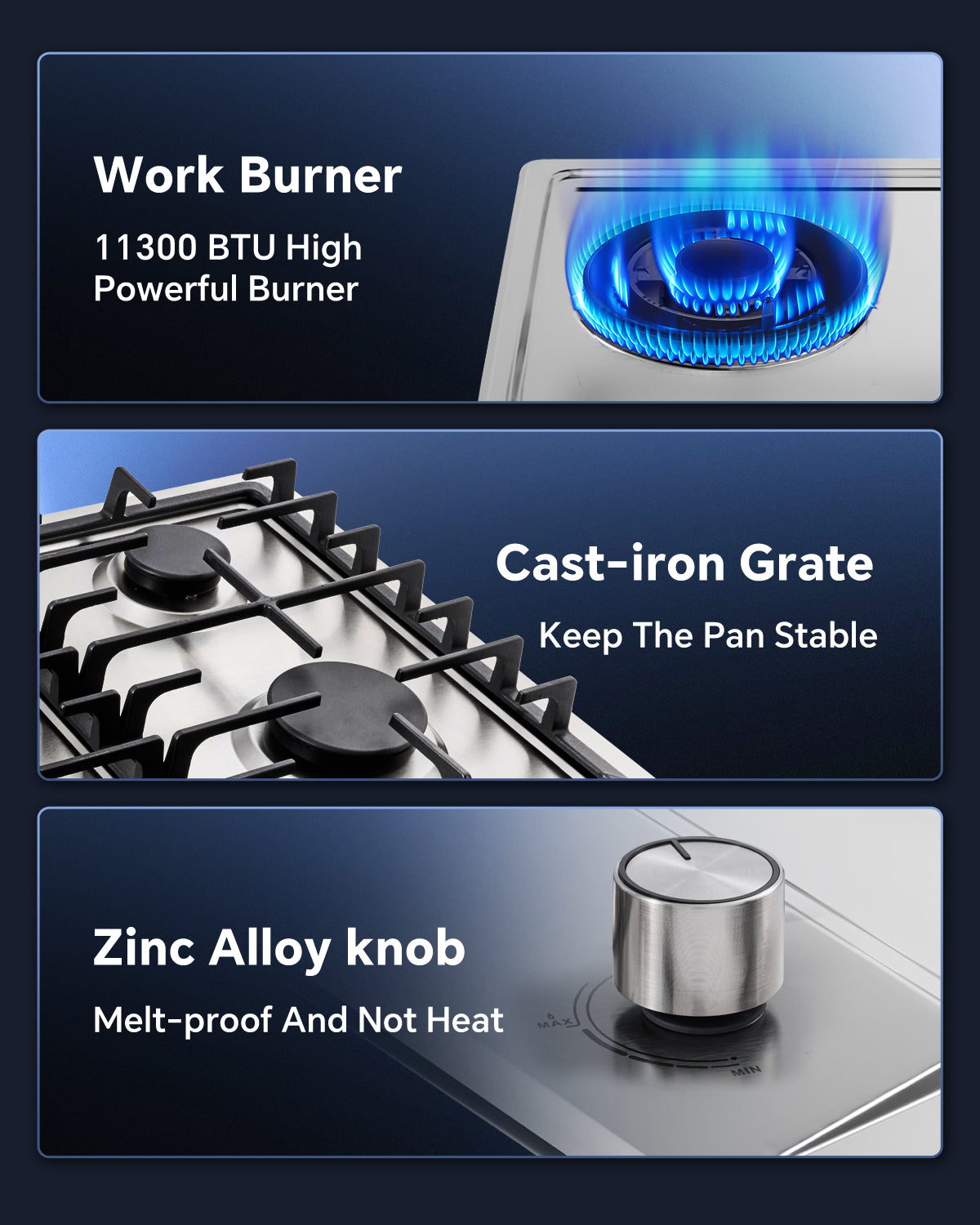
Choosing the right sealed burner for your gas cooktop can make a big difference in your cooking experience. It’s not just about style or price; the burner’s size, power, and brand quality affect how well you can control heat and how easy it is to clean. Consider what kind of cooking you do most often and how the burner can support that.
Size And Power Options
Sealed burners come in various sizes, each designed for different cooking needs. Smaller burners are great for simmering sauces or melting chocolate, while larger ones deliver high heat for boiling water or stir-frying.
Think about your daily cooking habits. Do you often prepare large meals or need quick heat adjustments? Choosing the right burner size can save you time and improve energy use.
- Low-power burners:Ideal for slow cooking and delicate dishes.
- High-power burners:Perfect for fast boiling and searing.
- Medium burners:Versatile for everyday cooking tasks.
Matching burner size to your cookware also matters. A burner too small for your pan wastes energy, while one too large may cause uneven heating.
Brand Considerations
Not all sealed burners are created equal. Brands differ in quality, durability, and design features.
Some brands focus on easy cleaning features, like smooth surfaces that prevent food buildup. Others prioritize safety with flame failure devices or automatic shutoff systems.
Look for brands that offer good customer support and warranty services. Reading user reviews can reveal how well a burner performs over time.
Ask yourself: Does this brand have a reputation for reliability? Will replacement parts be easy to find? Your choice here affects long-term satisfaction.

Credit: www.amazon.ca
Frequently Asked Questions
What Is A Sealed Burner On A Gas Cooktop?
A sealed burner is a gas cooktop burner designed with a sealed surface. It prevents spills from entering the burner area, making cleaning easier and enhancing safety by reducing gas leaks.
How Does A Sealed Burner Improve Cooktop Cleaning?
Sealed burners have a smooth, sealed surface that stops food and liquid spills from reaching the burner base. This design simplifies cleaning and prevents clogged burners, maintaining cooktop efficiency.
Are Sealed Burners More Energy-efficient Than Open Burners?
Sealed burners offer better heat distribution and retain heat more effectively. This can lead to slightly improved energy efficiency compared to open burners, saving energy during cooking.
Can Sealed Burners Prevent Gas Leaks On Cooktops?
Yes, sealed burners reduce the risk of gas leaks. The sealed design contains the gas flow and prevents spills from interfering with the burner’s gas connections.
Conclusion
A sealed burner on a gas cooktop keeps spills from going inside. It makes cleaning faster and easier. This type of burner also helps food cook more evenly. Many people prefer sealed burners for their safety and convenience. Knowing this helps you choose the right cooktop.
It’s a small feature that makes a big difference in your kitchen. Think about how much time you save cleaning. Simple and smart design matters when cooking every day.