Are you wondering how to choose the best air conditioner for your home? Understanding the Seer rating can make a big difference in your comfort and energy bills.
But what exactly is a Seer rating, and why should you care about it? You’ll discover how this simple number affects your air conditioner’s efficiency and your wallet. Keep reading to learn how to pick the right AC that keeps you cool without wasting energy or money.
Seer Rating Basics
The SEER rating helps you understand how efficient an air conditioner is. It shows how much cooling the unit provides for each unit of energy used.
Knowing the SEER rating can help you pick an air conditioner that saves energy and reduces costs.
Definition Of Seer
SEER stands for Seasonal Energy Efficiency Ratio. It measures the cooling output of an air conditioner during a typical cooling season.
A higher SEER rating means the air conditioner uses less energy to cool your home.
How Seer Is Measured
SEER is calculated by dividing the cooling output by the total energy used over a season. It uses BTUs for cooling and watt-hours for energy.
- Cooling output is measured in British Thermal Units (BTUs)
- Energy used is measured in watt-hours
- The rating shows efficiency over many hours of operation
Importance In Air Conditioning
A high SEER rating means lower electricity bills. It also helps reduce your home’s carbon footprint.
Choosing an air conditioner with a good SEER rating saves money and helps the environment over time.

Credit: hvacdirect.com
Energy Efficiency Impact
The SEER rating shows how energy efficient an air conditioner is. It measures cooling output against electricity used. A higher SEER means better efficiency.
Understanding SEER helps you save money and reduce energy use. It also helps compare different air conditioners easily.
Effect On Electricity Bills
A higher SEER rating lowers your electricity bills. This happens because the air conditioner uses less power to cool the same space.
- Air conditioners with low SEER use more electricity.
- Units with high SEER save energy and cost less to run.
- Choosing a higher SEER unit can reduce monthly bills.
- Energy savings add up over the cooling season.
Comparison With Other Ratings
| Rating | What It Measures | Unit | Focus |
|---|---|---|---|
| SEER | Energy efficiency during cooling season | Btu/Watt-hour | Seasonal energy use |
| EER | Energy efficiency at a single outdoor temperature | Btu/Watt-hour | Instant efficiency |
| HSPF | Heating efficiency for heat pumps | Btu/Watt-hour | Heating energy use |
SEER is best for comparing cooling efficiency over time. Other ratings like EER and HSPF focus on specific conditions or heating.
Environmental Benefits
Using air conditioners with high SEER ratings helps protect the environment. They use less electricity, which lowers greenhouse gas emissions.
- Lower energy use reduces fossil fuel demand.
- Less pollution improves air quality.
- High SEER units support climate change goals.
- Efficient cooling saves natural resources.
Choosing The Right Seer Rating
SEER stands for Seasonal Energy Efficiency Ratio. It measures how well an air conditioner uses energy. Picking the right SEER rating helps you save money and stay comfortable.
Different factors affect which SEER rating is best for your home. Let’s look at three important points to guide your choice.
Climate Considerations
Where you live changes how much cooling you need. Hotter climates use air conditioners more often. A higher SEER rating is better for warm places because it saves more energy.
- Hot and humid areas benefit from SEER 16 or above.
- Mild climates can use SEER 13 to 15 efficiently.
- Cooler regions may not need very high SEER ratings.
Initial Cost Vs Long-term Savings
Air conditioners with high SEER ratings cost more at first. But they use less electricity and lower your bills. Think about how long you plan to use the unit before buying.
| SEER Rating | Average Initial Cost | Energy Savings |
| 13 – 15 | Lower | Moderate |
| 16 – 18 | Higher | Good |
| 19+ | Highest | Best |
Recommended Seer Levels
Experts suggest SEER levels based on home size and use. Choosing the right level helps balance cost and comfort.
- Small homes or apartments: SEER 13 to 15
- Medium homes with regular use: SEER 16 to 18
- Large homes or heavy use: SEER 19 or higher

Credit: thefurnaceoutlet.com
Improving Air Conditioner Efficiency
SEER rating shows how efficiently an air conditioner uses energy. Higher SEER means better cooling with less power.
Improving your AC efficiency lowers energy bills and helps the environment.
Maintenance Tips
Regular maintenance keeps your air conditioner working well. Clean filters and coils often. Check refrigerant levels and fix leaks.
- Replace or clean air filters every 1–3 months
- Clear debris around the outdoor unit
- Schedule professional tune-ups yearly
- Inspect and clean evaporator and condenser coils
- Check ductwork for leaks or blockages
Upgrading Components
Older parts may lower your AC’s efficiency. New components can improve performance and save energy.
| Component | Benefit | Typical Upgrade |
| Compressor | Better cooling and energy use | High-efficiency model |
| Fan Motor | Quieter and lower power | Variable speed motor |
| Thermostatic Expansion Valve | Improves refrigerant flow | Electronic expansion valve |
Smart Thermostat Integration
Smart thermostats can learn your schedule. They adjust temperatures to save energy without losing comfort.
- Control AC remotely via smartphone apps
- Set schedules for cooling based on your routine
- Receive alerts for maintenance or unusual usage
- Track energy use to find saving opportunities
Regulations And Standards
SEER stands for Seasonal Energy Efficiency Ratio. It measures how efficient an air conditioner is over a cooling season. Governments use SEER ratings to set rules and standards for air conditioners.
These regulations help reduce energy use and lower environmental impact. They guide manufacturers and consumers in choosing efficient air conditioners.
Government Efficiency Requirements
Governments set minimum SEER ratings that air conditioners must meet. These rules vary by region and climate zone. They ensure products use less electricity and save money for users.
Manufacturers must follow these standards to sell their units. Higher SEER ratings mean better efficiency and lower energy costs for consumers.
- Minimum SEER ratings depend on local laws
- Standards change as technology improves
- Rules help reduce greenhouse gas emissions
Seer Rating Trends
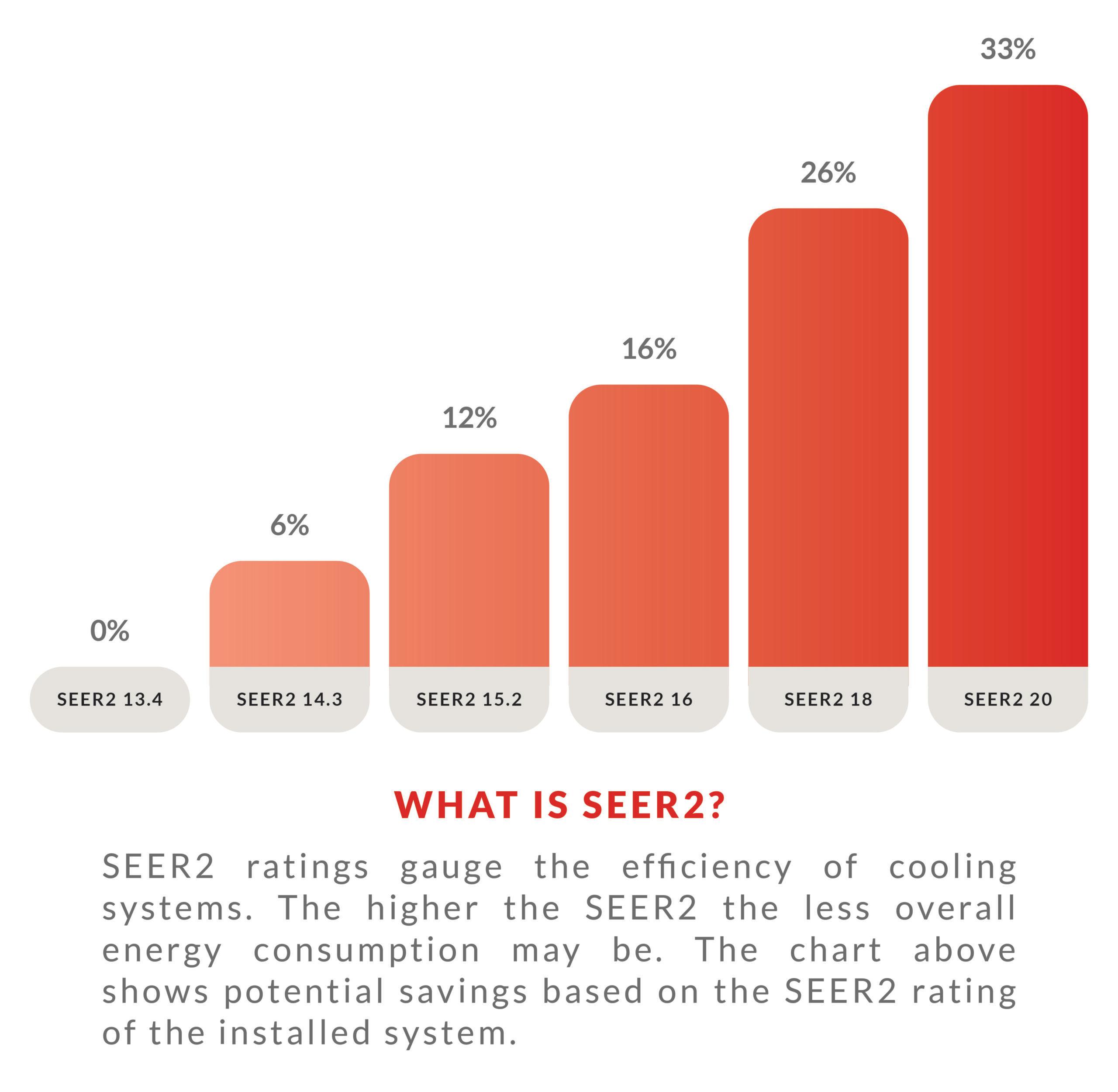
Over time, SEER ratings have increased. New rules push manufacturers to improve energy efficiency. This trend benefits both buyers and the environment.
Modern air conditioners often have SEER ratings above 14 or 15. Older models may have ratings near 10 or lower. Higher numbers show better performance.
- SEER ratings rise with technology advances
- Energy-saving features become common
- Higher SEER means less energy used
Labeling And Certification
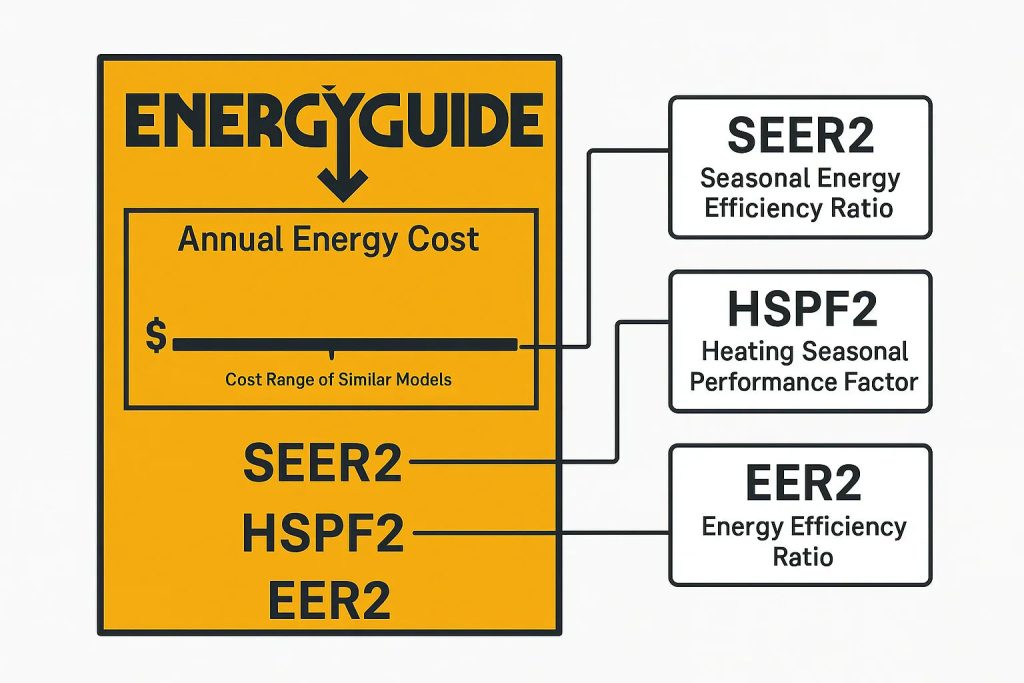
Air conditioners must show SEER ratings on labels. These labels help buyers compare efficiency easily. Certification programs test and verify these ratings.
Labels often include energy cost estimates and efficiency info. Certified products meet strict government or industry standards. This builds trust in the rating system.
- Labels show SEER and energy use details
- Certification ensures accurate ratings
- Helps consumers pick efficient units
Credit: www.trane.com
Frequently Asked Questions
What Does Seer Rating Mean For Air Conditioners?
SEER stands for Seasonal Energy Efficiency Ratio. It measures an AC’s cooling output divided by energy used. Higher SEER means better energy efficiency and lower electricity bills.
How Does Seer Rating Affect Energy Consumption?
A higher SEER rating means the air conditioner uses less energy to cool your home. This reduces electricity bills and lowers environmental impact.
What Is A Good Seer Rating For Air Conditioners?
A SEER rating of 14 or above is considered efficient. Modern AC units often range from 14 to 25 SEER, with higher ratings saving more energy.
Does Seer Rating Impact Air Conditioner Performance?
Yes, SEER rating affects how efficiently your AC cools. Higher SEER units maintain temperature better while using less power, improving overall comfort.
Conclusion
Seer rating shows how well an air conditioner saves energy. Higher ratings mean lower electricity bills and less waste. Choosing the right SEER helps you stay comfortable and save money. Understanding this number makes buying easier and smarter. Remember, a good SEER rating benefits both your home and the environment.
Keep this in mind when picking your next air conditioner. Simple and clear—it’s a small step with big rewards.