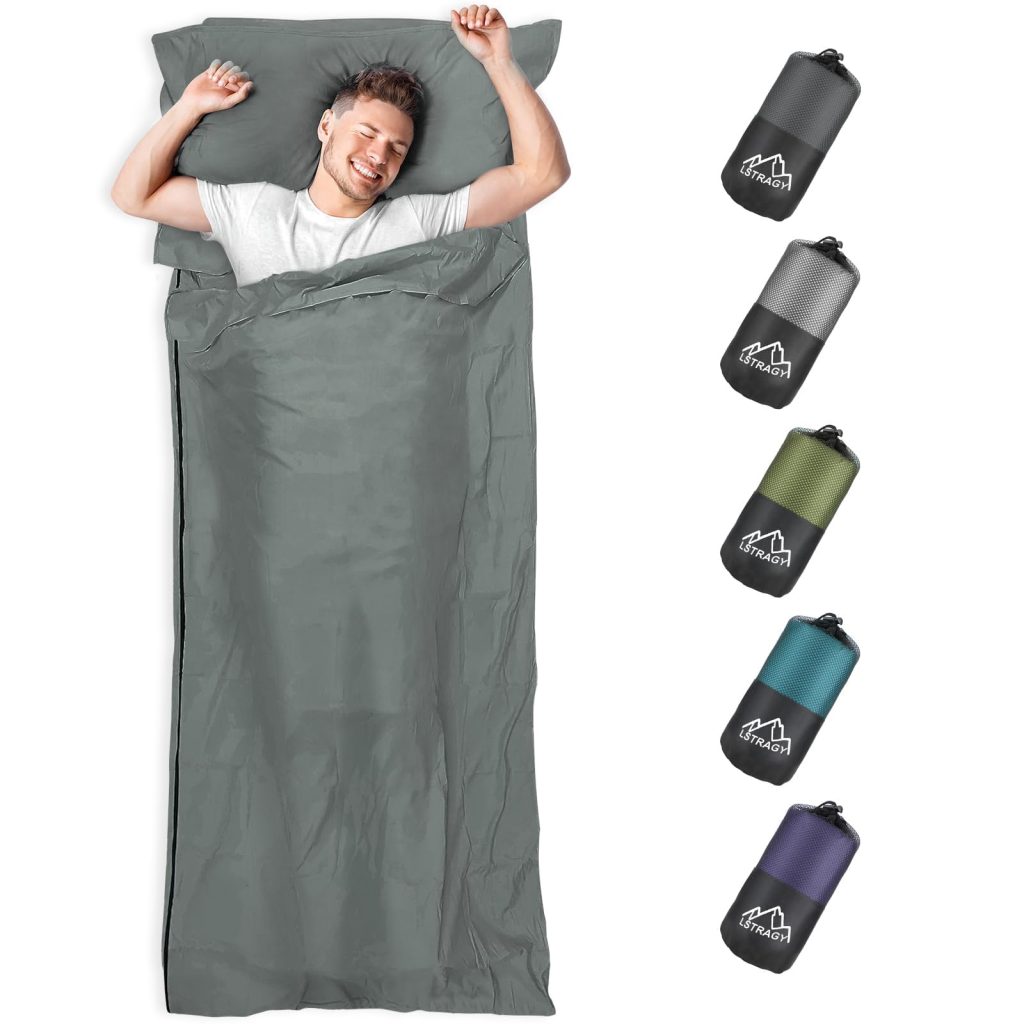
Are you tired of waking up cold or waking up to a sleeping bag that feels dirty or uncomfortable? A sleeping bag liner might be exactly what you need.
It’s a simple, lightweight addition that can change how you sleep outdoors or even at home. Imagine adding extra warmth, keeping your sleeping bag clean, and feeling softer fabric against your skin—all with one small item. Curious how it works and why you should have one?
Keep reading to discover everything you need to know about sleeping bag liners and how they can improve your comfort on every trip.
Sleeping Bag Liner Basics
A sleeping bag liner is a thin layer you put inside your sleeping bag. It adds comfort and keeps your sleeping bag clean.
Linens also help keep you warm by adding extra insulation. Many campers use liners to improve their sleep outdoors.
Material Types
Sleeping bag liners come in different materials. Each type feels different and offers unique benefits.
Common materials include cotton, silk, fleece, and synthetic fabrics. Cotton is soft but heavier. Silk is lightweight and smooth.
- Cotton:Breathable, durable, but heavier and slower to dry.
- Silk:Lightweight, smooth, and warm but more delicate.
- Fleece:Warm and soft but bulkier.
- Synthetic:Quick-drying and light, good for wet conditions.
Sizes And Fits
Linens come in different sizes to fit various sleeping bags. Some liners are shaped like a mummy bag or rectangular.
Choosing the right size helps you stay comfortable. A too-small liner may feel tight. A too-large liner can bunch up inside your bag.
- Standard size fits most sleeping bags
- Extra-long liners for tall campers
- Wide liners for more room and comfort
- Shaped liners match specific sleeping bag styles
How Liners Enhance Warmth
Linens add warmth by trapping body heat inside your sleeping bag. This extra layer helps keep cold air out.
Some liners add a few degrees of warmth. This can be very helpful in cool weather or when camping in colder places.
- Extra insulation keeps your body heat inside
- Protects your sleeping bag from sweat and dirt
- Allows you to use lighter sleeping bags in colder weather
- Quick-drying liners help keep you warm even if you sweat

Credit: us.alpkit.com
Benefits Of Using Liners
Sleeping bag liners are thin layers placed inside your sleeping bag. They add extra comfort and protect your bag.
Using a liner can improve your sleep experience and keep your sleeping bag clean and lasting longer.
Added Comfort
Liners provide a soft, smooth surface to sleep on. They can make your sleeping bag feel warmer and cozier.
Some liners are made from materials that help wick away sweat and moisture. This keeps you dry and comfortable all night.
- Soft fabric feels nice on your skin
- Extra warmth without bulk
- Moisture-wicking keeps you dry
Improved Hygiene
Sleeping bag liners create a barrier between your body and the sleeping bag. This stops dirt and sweat from reaching the bag.
It is easier to wash a liner often than to clean a whole sleeping bag. This keeps your sleeping area clean and fresh.
- Protects sleeping bag from sweat and oils
- Liners are easy to wash regularly
- Reduces bacteria and odor buildup
Extended Sleeping Bag Life
A liner reduces wear and tear on your sleeping bag. It keeps the inside fabric cleaner and less damaged.
Using a liner means you wash your sleeping bag less. This helps keep the insulation fluffy and effective for longer.
- Protects sleeping bag fabric from damage
- Reduces frequency of washing the bag
- Helps keep insulation warm and full
Choosing The Right Liner
Sleeping bag liners add comfort and warmth to your sleep. Picking the right liner helps you enjoy your camping trips more.
Consider your needs carefully before choosing a liner. This guide covers important factors to help you decide.
Matching Climate Conditions
Think about the weather where you camp. Some liners work better in cold places. Others suit warm or mild climates.
Choose a liner that keeps you warm without overheating. Breathable materials help in hot weather.
- Silk liners are lightweight and good for warm weather
- Fleece liners add extra warmth in cold climates
- Cotton liners are best for dry and mild weather
Considering Sleeping Bag Type
Match your liner to your sleeping bag type. Different bags work well with certain liners.
Use liners that fit well inside your bag without bulk. This keeps your sleeping setup comfortable.
- Down sleeping bags pair well with silk liners to keep loft
- Synthetic bags can use fleece liners for extra warmth
- Compact bags benefit from thin, light liners
Personal Preferences
Your comfort matters most when picking a liner. Think about feel, weight, and ease of cleaning.
Some prefer soft fabrics, while others want easy-care liners. Choose what feels best for you.
- Soft liners like fleece feel cozy on skin
- Silk liners are smooth and pack small
- Cotton liners are easy to wash and durable

Credit: www.amazon.com
Popular Liner Materials
Sleeping bag liners add comfort and warmth to your sleep. They can also keep your sleeping bag clean. Different materials offer different benefits.
Here are some popular materials used for sleeping bag liners. Each has its own features for comfort, warmth, and care.
Silk Liners
Silk liners are lightweight and soft. They feel smooth against the skin and help regulate temperature. Silk is good for warm weather but less warm in cold conditions.
Fleece Liners
Fleece liners provide extra warmth. They are thicker and help insulate heat well. Fleece is cozy but can be bulkier than other liners.
- Soft and warm
- Good for cold weather
- Bulky and heavier
- Dries quickly
Cotton Liners
Cotton liners are breathable and natural. They feel soft but can hold moisture. Cotton is easy to wash but takes longer to dry.
| Material | Weight | Warmth | Care |
|---|---|---|---|
| Silk | Light | Moderate | Hand wash preferred |
| Fleece | Heavy | High | Machine washable |
| Cotton | Medium | Low | Machine washable |
| Synthetic | Light to Medium | Moderate to High | Machine washable |
Synthetic Liners
Synthetic liners use man-made fibers. They dry fast and resist moisture. These liners keep you warm and are easy to clean.
- Quick drying
- Good warmth
- Durable
- Lightweight
Care And Maintenance Tips
Sleeping bag liners keep your sleeping bag clean and add warmth. Proper care helps them last longer.
Follow simple steps to clean, store, and fix your liner. This keeps it fresh and ready for use.
Cleaning Guidelines
Wash your sleeping bag liner regularly to remove dirt and sweat. Use mild detergent and cold water.
- Hand wash or use a gentle machine cycle
- Avoid bleach or fabric softeners
- Air dry flat or hang in shade
- Do not use a dryer or iron
Storage Advice
Store your liner dry and loose. Avoid tight compression to keep fabric fibers healthy.
| Do | Don’t |
|---|---|
| Store in a cotton or mesh bag | Keep in plastic bags long term |
| Keep in a cool, dry place | Store where it can get damp or moldy |
| Shake out before storing | Store while still wet |
Repair And Replacement
Fix small tears quickly to avoid bigger damage. Use fabric tape or patches for repairs.
- Clean the area before patching
- Apply repair tape on inside and outside
- Replace liner if damage is large or fabric is worn out
- Check seams and zippers regularly
Liner Alternatives And Add-ons
Sleeping bag liners add comfort and warmth inside your sleeping bag. Many options exist beyond the basic liner. Some alternatives and add-ons offer different benefits for your camping needs.
Choosing the right liner or add-on can improve your sleep. It can also protect your sleeping bag and make cleaning easier.
Sleeping Bag Sheets
Sleeping bag sheets are thin, lightweight covers. They fit inside your sleeping bag to keep it clean. Sheets also add a soft layer against your skin.
Sheets come in cotton, silk, or synthetic materials. They are easy to wash and dry quickly. Some sheets have zippers or buttons for a snug fit.
Thermal Blankets
Thermal blankets add extra warmth inside your sleeping bag. They reflect body heat back to you. These blankets are thin but very warm.
Thermal blankets can be used alone or with a liner. They help in cold weather or high-altitude camping. They also reduce bulk compared to extra clothing.
Integrated Liners
Integrated liners are built into some sleeping bags. They add warmth and comfort without extra pieces. These liners stay attached and do not shift during sleep.
These liners can be made of fleece or synthetic fabric. They are good for campers who want a simple setup. Some models allow you to unzip the liner for washing.

Credit: www.amazon.com
Frequently Asked Questions
What Is The Purpose Of A Sleeping Bag Liner?
A sleeping bag liner adds warmth and comfort inside your sleeping bag. It helps keep the bag clean and extends its life. Liners are lightweight, easy to pack, and improve hygiene during camping or travel. They also allow for temperature regulation in different weather.
How Does A Sleeping Bag Liner Improve Warmth?
A liner provides an extra insulating layer inside the sleeping bag. It traps body heat more efficiently, increasing overall warmth. This is especially useful in cold conditions or when your sleeping bag isn’t very thick. Liners can add up to 10°F (5-6°C) of additional warmth.
Can A Sleeping Bag Liner Keep You Clean?
Yes, liners act as a barrier between your body and the sleeping bag. They absorb sweat and dirt, preventing your bag from getting dirty. This reduces the need for frequent washing and helps maintain the bag’s insulation and durability over time.
What Materials Are Sleeping Bag Liners Made From?
Sleeping bag liners commonly come in cotton, silk, fleece, or synthetic fabrics. Silk liners are lightweight and compact, while fleece liners add warmth. Cotton liners are breathable and comfortable but bulkier. Choose a liner material based on your camping needs and temperature preferences.
Conclusion
Sleeping bag liners offer great benefits for outdoor enthusiasts. They keep your sleeping bag clean and extend its life. Liners add extra warmth on chilly nights. They are lightweight and easy to pack. A variety of materials suit different needs and preferences.
Choosing the right liner improves comfort during trips. It’s an affordable investment for campers and hikers. Whether you camp often or occasionally, a liner is useful. It enhances sleep quality in the wild. Consider adding one to your gear. Enjoy more comfortable nights under the stars.