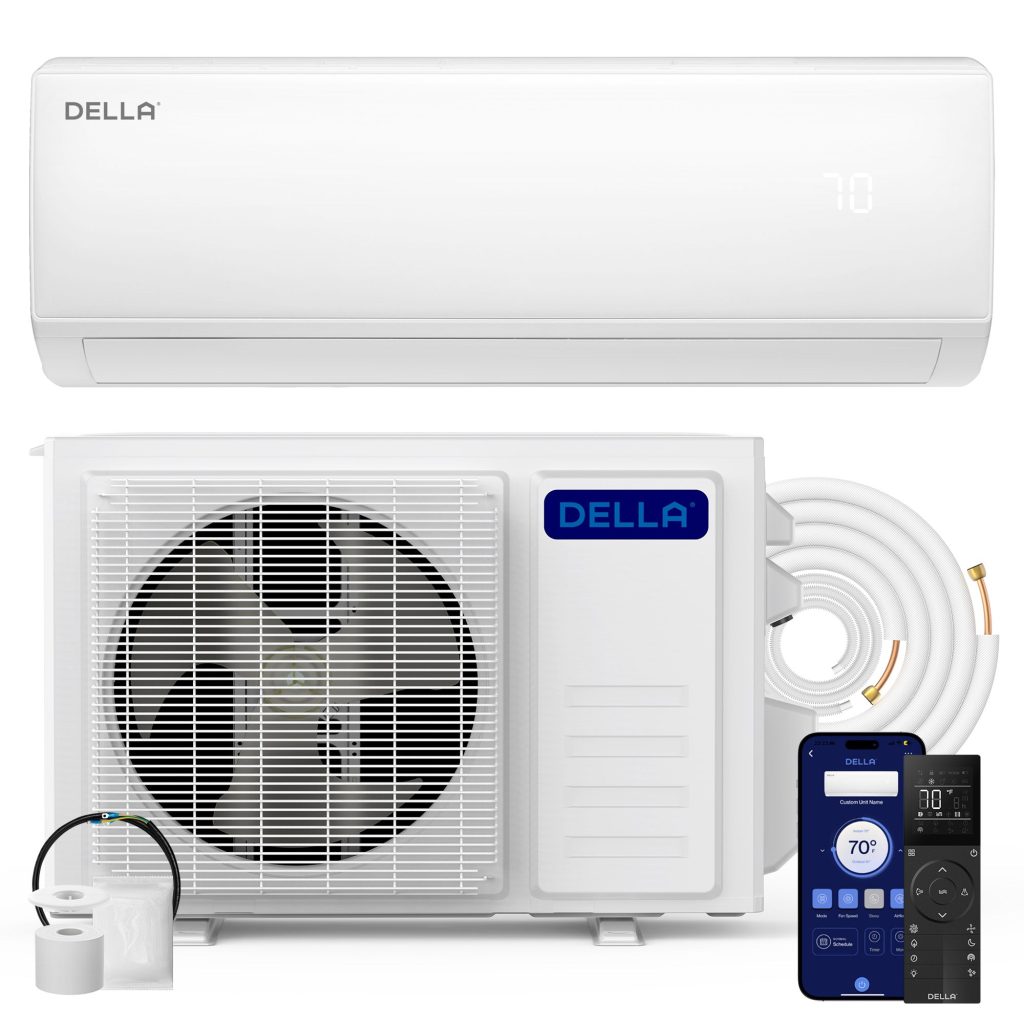
Are you tired of battling with noisy, bulky air conditioners that take up too much space? Imagine having a cooling system that keeps your room comfortable without the hassle.
That’s where a split unit air conditioner comes in. But what exactly is it, and how can it make your life easier? Keep reading, and you’ll discover how this smart cooling solution works, why it might be perfect for your home, and how it can help you enjoy cool, fresh air effortlessly.
Don’t miss out on learning the key benefits that could change the way you beat the heat.

Credit: www.pioneerminisplit.com
Basics Of Split Unit Air Conditioners
A split unit air conditioner cools indoor spaces efficiently. It has two main parts working together. This system is popular in homes and offices.
Split AC units save space and reduce noise. They are easier to install than window ACs. Let’s learn how they work and their key parts.
How Split Systems Work
The split system has an indoor and an outdoor unit. The indoor unit blows cool air inside your room. The outdoor unit releases heat outside.
The system uses a refrigerant to absorb heat from indoors. The refrigerant moves between the two units to cool the air. A compressor in the outdoor unit pumps the refrigerant.
Key Components Explained
| Component | Description |
| Indoor Unit | Contains evaporator coil and fan to cool the air. |
| Outdoor Unit | Houses compressor and condenser to release heat. |
| Compressor | Pumps refrigerant through the system. |
| Evaporator Coil | Absorbs heat from inside air. |
| Condenser Coil | Releases absorbed heat outside. |
| Refrigerant | Fluid that carries heat between coils. |
Types Of Split Ac Units
Split AC units come in different types. Each type suits different room sizes and needs. Here are common types you can choose from.
- Wall-Mounted: Fixed on walls, most common type.
- Ceiling Cassette: Mounted on ceiling for even air flow.
- Floor-Mounted: Installed near the floor, good for rooms without wall space.
- Ducted Split: Connected to ducts to cool multiple rooms.
Advantages Over Other Ac Types
Split unit air conditioners offer several benefits compared to other types of ACs. They are popular in homes and offices for their smart design and performance.
Understanding these advantages can help you choose the right cooling system for your space and needs.
Energy Efficiency Benefits
Split AC units use less power than many window or central air conditioners. They cool rooms faster and maintain temperature better. This leads to lower energy bills.
- Separate indoor and outdoor units improve airflow.
- Inverter technology saves electricity by adjusting compressor speed.
- Targeted cooling reduces wasted energy in unused spaces.
Space-saving Design
The split unit design saves indoor space by placing the bulky compressor outside. The indoor unit is sleek and mounts high on a wall.
| AC Type | Indoor Space Used | Outdoor Unit Required |
| Window AC | Large window slot | No |
| Central AC | None (ducts used) | Yes, large unit |
| Split Unit AC | Small wall space | Yes, compact |
Quieter Operation
Split ACs run quietly because the compressor is outside the room. Indoor units use quiet fans and smooth air flow systems.
- Low noise levels improve comfort.
- Ideal for bedrooms and study rooms.
- Reduces disturbance compared to window units.
Choosing The Right Split Unit
A split unit air conditioner cools your room efficiently. It has two parts: an indoor unit and an outdoor unit.
Choosing the right split unit depends on your room size, features, and brand options. This guide helps you pick the best one.
Sizing Your Air Conditioner
It is important to select the correct size of your air conditioner. A unit that is too small will not cool well. A unit that is too large will waste energy.
- Measure your room’s square footage.
- Calculate the cooling capacity needed in BTUs.
- Consider room factors like sunlight and insulation.
- Choose a unit with the right BTU rating.
Features To Consider
Different split units offer various features. Some features help you save energy and improve comfort.
- Energy efficiency rating (look for higher SEER numbers).
- Noise levels of the indoor and outdoor units.
- Remote control and smart home compatibility.
- Air filters for cleaner air.
- Dehumidification functions.
Brands And Models Comparison
Many brands offer split air conditioners. Their models vary in price, features, and energy use.
| Brand | Model | SEER Rating | Noise Level (dB) |
| CoolAir | CA-5000 | 16 | 45 |
| FreshBreeze | FB-350 | 18 | 42 |
| AirFlow | AF-720 | 15 | 47 |
| EcoChill | EC-900 | 20 | 40 |

Credit: www.acdirect.com
Installation Process
Installing a split unit air conditioner requires careful steps. The process connects indoor and outdoor units for efficient cooling.
Proper installation helps the air conditioner work well and last longer. It involves electrical and plumbing work.
Professional Vs Diy Installation
Hiring a professional ensures the split unit is installed correctly. They have tools and experience for safe work.
DIY installation can save money but risks mistakes. Lack of skills may cause leaks or electrical problems.
- Professionals handle complex wiring and piping safely
- DIY installers must follow all instructions carefully
- Incorrect setup can reduce cooling efficiency
- Professionals often provide warranty on their work
- DIY work may void the product warranty
Placement Tips For Efficiency
Place the indoor unit high on a wall away from heat sources. This helps cool air spread evenly.
The outdoor unit needs space for airflow and must be on a flat surface. Avoid direct sunlight and heavy dust.
- Keep indoor unit clear of curtains or furniture
- Outdoor unit should have at least 12 inches of clearance
- Avoid placing units near noisy areas
- Ensure easy access for cleaning and maintenance
Common Installation Mistakes
Many installation errors reduce the air conditioner’s performance. Avoid these mistakes to keep the system running well.
- Incorrect refrigerant charging causes poor cooling
- Poor sealing of pipes leads to leaks
- Improper electrical connections can cause hazards
- Placing units in direct sunlight lowers efficiency
- Not leveling the outdoor unit causes vibration and noise
Maintenance Tips
Keeping your split unit air conditioner in good shape saves energy and money. Regular care helps it cool better and last longer.
Simple maintenance tasks can prevent big problems. Follow these tips to keep your AC running smoothly.
Cleaning And Filter Replacement
Clean the filters every two weeks to keep air flowing well. Dirty filters make the AC work harder and use more power.
Remove filters carefully and wash them with water. Let them dry completely before putting them back in place.
- Turn off the AC before cleaning.
- Use a soft brush or vacuum for dust.
- Replace filters if they are damaged.
- Check the outdoor unit and clean debris around it.
Troubleshooting Common Issues
If the AC does not cool well, check if the filter is clean. Blocked filters reduce cooling power.
Listen for unusual noises or check if the unit stops suddenly. These signs may show a problem inside.
- Check if the remote control has working batteries.
- Make sure the temperature settings are correct.
- Inspect power supply and plugs for damage.
- Clear any ice buildup on the indoor unit.
When To Call A Technician
Call a technician if the AC leaks water or refrigerant. These issues need expert repair to avoid damage.
Also get help when the unit does not turn on or makes loud noises. Professionals can fix electrical and mechanical faults safely.
- Refrigerant leaks or low cooling power.
- Strange smells or burning odors.
- Frequent on/off cycling.
- Electrical problems or tripped circuit breakers.
Improving Cooling Efficiency
A split unit air conditioner can cool your home well. Using it right helps save energy and money.
Small changes in how you use it improve its cooling power. This saves energy and keeps your home cool.
Optimizing Thermostat Settings
Set your thermostat at a comfortable but not too cold temperature. Around 24°C (75°F) is good for most rooms.
Avoid setting the temperature too low. It makes the AC work harder and wastes energy.
- Use a consistent temperature setting
- Raise the temperature slightly when no one is home
- Turn off the AC when rooms are not in use
Insulation And Ventilation Tips
Good insulation keeps cool air inside and hot air outside. Check windows and doors for leaks.
Proper ventilation helps remove warm air and bring in fresh air. Use exhaust fans or open windows at night if safe.
- Seal gaps around windows and doors
- Use curtains or blinds to block sunlight
- Ensure vents are not blocked by furniture
Using Smart Controls
Smart controls let you manage your AC from a phone or remote. They help you save energy by adjusting settings automatically.
Timers and sensors can turn the AC off when no one is in the room. This avoids cooling empty spaces.
- Set schedules for cooling times
- Use motion sensors to detect room occupancy
- Control temperature remotely for convenience
Environmental Impact
Split unit air conditioners affect the environment in several ways. It is important to know how they use energy and chemicals. This helps us choose better options.
This article explains key areas: refrigerants, energy use, and disposal methods. Each part plays a role in the overall impact on nature.
Refrigerants And Eco-friendliness
Split units use refrigerants to cool air. Some refrigerants can harm the ozone layer or cause global warming. Newer models use safer refrigerants.
- Older units used CFCs and HCFCs, which deplete ozone.
- Modern units use R-410A or R-32, which have less ozone impact.
- R-32 has a lower global warming potential than R-410A.
- Proper handling of refrigerants reduces leaks and damage.
Energy Consumption Insights
Energy use in split units affects electricity demand and carbon emissions. Efficient units save energy and reduce environmental damage.
| Feature | Impact on Environment |
|---|---|
| High Energy Efficiency Ratio (EER) | Uses less electricity, lowers emissions |
| Inverter Technology | Adjusts compressor speed, saves energy |
| Proper Sizing | Prevents overuse and waste of power |
Recycling And Disposal
Disposing of split units incorrectly harms the environment. Recycling parts and safe disposal of refrigerants help reduce pollution.
- Recycle metal and plastic parts to reduce waste.
- Recover refrigerants to prevent release into air.
- Use certified disposal services for old units.
- Follow local regulations for e-waste management.

Credit: www.amazon.com
Frequently Asked Questions
What Is A Split Unit Air Conditioner?
A split unit air conditioner is a cooling system with two main parts. It consists of an indoor unit and an outdoor unit. The indoor unit blows cool air into the room, while the outdoor unit expels heat outside. This type of air conditioner is efficient and quiet, making it popular for homes and offices.
How Does A Split Unit Ac Work?
A split unit AC works by circulating refrigerant between two units. The indoor unit absorbs heat from the room, cooling the air. The refrigerant carries the heat to the outdoor unit, which releases it outside. This cycle continues until the desired room temperature is achieved.
What Are The Benefits Of Split Ac?
Split ACs offer several benefits, including quiet operation, energy efficiency, and easy installation. They provide effective cooling without the need for ductwork. The two-unit system allows for flexible placement and minimal noise, making them ideal for residential and commercial spaces.
Is A Split Ac Better Than A Window Ac?
A split AC is often better than a window AC in terms of noise and efficiency. Split units are quieter and more energy-efficient, providing better cooling. They also offer more flexibility in placement, as they don’t block windows. However, they may have higher installation costs compared to window units.
Conclusion
A split unit air conditioner cools your home quietly and efficiently. It has two parts: one inside, one outside. This design saves space and reduces noise. You can control the temperature easily. It uses less energy than some other types.
Many people choose it for comfort and convenience. Understanding how it works helps you make a good choice. A split unit is a smart way to stay cool. Simple, effective, and easy to use.