Are you tired of buying garden hoses that don’t quite fit your needs? Knowing the standard garden hose size can save you time, money, and frustration.
Whether you’re watering your plants or washing your car, the right hose size makes all the difference. You’ll discover exactly what the standard garden hose size is and why it matters for your everyday tasks. Keep reading to make sure your next hose is the perfect match for your garden and home.
Common Garden Hose Sizes
Garden hoses come in different sizes to fit many uses. Choosing the right size helps water flow well.
The two main size features are diameter and length. Both affect how easy the hose is to use.
Diameter Options
Garden hose diameter means the width inside the hose. It changes how much water flows through.
Common diameters are 1/2 inch, 5/8 inch, and 3/4 inch. Each fits different watering needs.
- 1/2 inch:Smallest size, good for light watering and watering plants.
- 5/8 inch:Most popular size for general garden use and watering lawns.
- 3/4 inch:Larger size, best for heavy watering and filling pools faster.
Length Variations
Hose length is how far you can reach with water. It varies from short to long hoses.
Common lengths are 25, 50, 75, and 100 feet. Pick a length that fits your yard size.
- 25 feet:Good for small gardens or close watering spots.
- 50 feet:Most common length for medium yards and flower beds.
- 75 feet:Ideal for larger yards and reaching distant plants.
- 100 feet:Best for very large properties or multiple watering areas.

Credit: www.homedepot.com
Factors Affecting Hose Size Choice
Choosing the right garden hose size is important for efficient watering. Several factors can affect your choice.
Consider aspects like water pressure and the intended use to find the best fit.
Water Pressure And Flow Rate
Water pressure and flow rate impact hose performance. A larger hose diameter can handle higher flow rates.
- High water pressure: Opt for a thicker hose.
- Low water pressure: A smaller diameter may be sufficient.
- Check your home’s water pressure for better decisions.
Intended Use And Application
The purpose of your hose affects the size choice. Knowing what you need helps in selecting the right diameter.
For example, use a 1/2-inchhose for light watering tasks. For heavy-duty use, a 3/4-inchhose might be better.
Material Types And Their Impact
Garden hoses come in different materials that affect their use and life. Choosing the right material helps in watering plants and cleaning tasks. The two common types are rubber and vinyl.
This guide explains the differences between rubber and vinyl hoses. It also covers how durability and flexibility vary by material.
Rubber Vs. Vinyl Hoses
Rubber hoses are heavier and last longer than vinyl hoses. Vinyl hoses are lighter and cheaper but can crack in cold weather. Both types have uses depending on your needs.
- Rubber Hoses:Strong, flexible, and resistant to wear.
- Vinyl Hoses:Lightweight, affordable, but less durable.
- Use Cases:Rubber is good for heavy work; vinyl fits light gardening.
- Weather:Rubber handles cold better; vinyl may crack.
Durability And Flexibility
| Material | Durability | Flexibility | Typical Weight |
|---|---|---|---|
| Rubber | High | Very Flexible | Heavier |
| Vinyl | Moderate | Less Flexible | Lighter |
Rubber hoses bend easily and last through many seasons. Vinyl hoses are stiffer and can break if bent too much. Your choice depends on how you plan to use the hose.

Credit: www.nytimes.com
Connector And Fitting Sizes
Garden hoses need the right connectors and fittings to work properly. These sizes ensure a tight seal and prevent leaks. Knowing the standard sizes helps you pick compatible parts easily.
Connectors and fittings come in common thread sizes. These sizes match the hose ends and water sources. Using the correct thread size keeps your garden hose secure and efficient.
Standard Thread Sizes
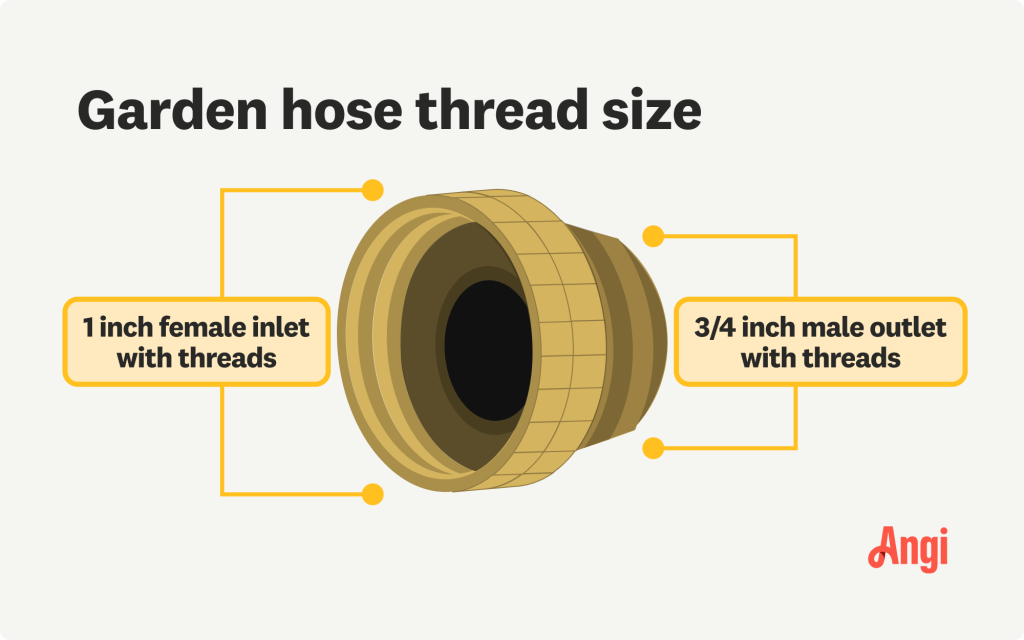
The most common thread sizes for garden hose fittings are 3/4 inch and 1/2 inch. These sizes refer to the diameter of the threaded connector. The 3/4 inch size is the most typical for garden hoses.
| Thread Size | Diameter | Common Use |
|---|---|---|
| 3/4 inch (GHT) | 0.75 inches | Standard garden hoses and outdoor faucets |
| 1/2 inch | 0.5 inches | Smaller hoses and some indoor fittings |
| 5/8 inch | 0.625 inches | Specialty hoses and accessories |
Compatibility Tips
Check your hose and faucet threads before buying connectors. Using adapters can help if sizes differ. Make sure the threads match to avoid leaks and damage.
- Measure the thread diameter with a ruler or caliper
- Look for GHT (Garden Hose Thread) labels on fittings
- Use adapters for mismatched thread sizes
- Hand-tighten fittings first to avoid cross-threading
- Replace worn washers for better sealing
How To Measure Your Garden Hose
Knowing the size of your garden hose is important for choosing the right fittings and accessories. Two main measurements are needed: diameter and length.
Measuring your garden hose is easy and helps you avoid buying the wrong size.
Measuring Diameter
The diameter is the width of the hose opening. It shows how much water can flow through the hose.
Use a ruler or tape measure to find the diameter. Measure across the inside of the hose, not the outside.
- Place the ruler straight across the hose opening.
- Measure the inside width from one edge to the other.
- Common hose diameters are 1/2 inch, 5/8 inch, and 3/4 inch.
Determining Length
Length is how long the hose is from one end to the other. It affects how far you can water.
To measure length, lay the hose flat and stretch it out. Use a tape measure to find the total length.
- Start at one end of the hose.
- Run the tape measure along the hose to the other end.
- Note the length in feet or meters.
Choosing The Right Hose For Your Garden
Picking the right garden hose size helps you water your plants easily. The hose size affects water flow and reach.
Standard garden hose sizes come in different lengths and diameters. Choose one based on your garden’s needs.
Small Gardens
Small gardens need hoses that are easy to handle and store. A thinner hose works well for limited space.
A 5/8 inch diameter hose is common for small gardens. It offers good water flow without being heavy.
- Length: 25 to 50 feet
- Diameter: 5/8 inch
- Lightweight and flexible
- Easy to coil and store
Large Gardens
Large gardens need hoses with greater length and water capacity. A wider diameter hose helps water flow faster.
Use a 5/8 or 3/4 inch diameter hose for big gardens. Choose a length that covers all areas without dragging.
- Length: 75 to 100 feet
- Diameter: 5/8 or 3/4 inch
- Durable material to avoid kinks
- Good for longer reach and flow
Commercial Use
Commercial use requires strong hoses with large diameters. These hoses handle high water pressure and heavy use.
A 3/4 inch or 1 inch diameter hose works best. Length varies by job but often exceeds 100 feet.
- Diameter: 3/4 inch or 1 inch
- Length: 100 feet or more
- Heavy-duty and kink-resistant
- Suitable for high water volume
Maintenance Tips For Garden Hoses
Garden hoses need care to last longer. Proper maintenance keeps them working well.
Simple steps help prevent leaks and cracks. This saves money and effort.
Storage Best Practices
Store your garden hose in a cool, dry place. Avoid direct sunlight to prevent damage.
Use a hose reel or hanger to keep it off the ground. This stops kinks and tangles.
- Drain water from the hose before storing
- Coil the hose loosely to avoid bends
- Keep the hose away from sharp objects
- Store indoors during cold weather to avoid freezing
Avoiding Damage
Check the hose regularly for cracks and leaks. Fix small problems before they grow.
Do not drag the hose over rough surfaces. This causes abrasion and weak spots.
- Use hose connectors that fit well
- Do not stretch the hose too far
- Avoid stepping or driving over the hose
- Keep the hose clean from dirt and debris

Credit: www.homehardware.ca
Frequently Asked Questions
What Is The Most Common Garden Hose Size?
The most common garden hose size is 5/8 inch in diameter. It balances water flow and flexibility well. This size suits most general watering tasks and fits standard outdoor faucets.
How Long Is A Standard Garden Hose?
Standard garden hoses typically range from 25 to 100 feet. The most popular length is 50 feet, offering convenience and reach for most gardens and yards.
Why Does Garden Hose Size Matter?
Hose size affects water pressure and flow rate. Larger diameters allow more water but can be less flexible. Choosing the right size ensures efficient watering and easy handling.
Can I Use A Smaller Garden Hose Size?
Yes, smaller hoses like 1/2 inch are lighter and more flexible. They suit light watering but reduce water flow, making them less ideal for heavy tasks.
Conclusion
Choosing the right garden hose size makes watering easier and faster. Most standard hoses have a diameter of 5/8 inch. This size works well for many garden tasks. A smaller hose might save space but reduce water flow. A larger hose delivers more water but can be heavy.
Think about your garden’s needs before buying. Proper hose size helps save water and effort. Simple choices lead to better gardening results. Keep your garden healthy with the right hose. Easy watering starts with understanding hose sizes.