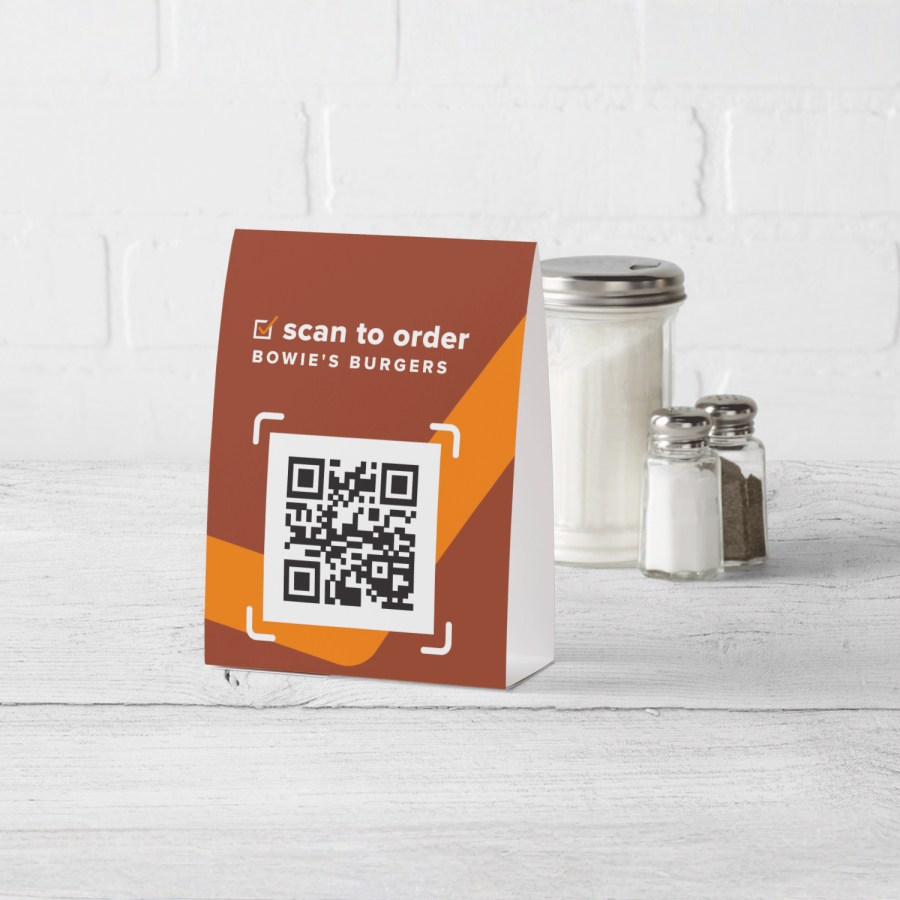
Have you ever noticed those small, folded cards standing on tables at restaurants or events? Those are called table tents, and they do a lot more than just hold a place.
If you want to grab attention quickly and share important information right where people are looking, a table tent might be exactly what you need. Keep reading to discover how these simple tools can boost your message, attract customers, and make your space work harder for you.
Table Tent Basics
Table tents are small, folded signs that stand on tables. They display messages or promotions clearly.
Businesses use table tents to share important information in a simple way.
What Is A Table Tent
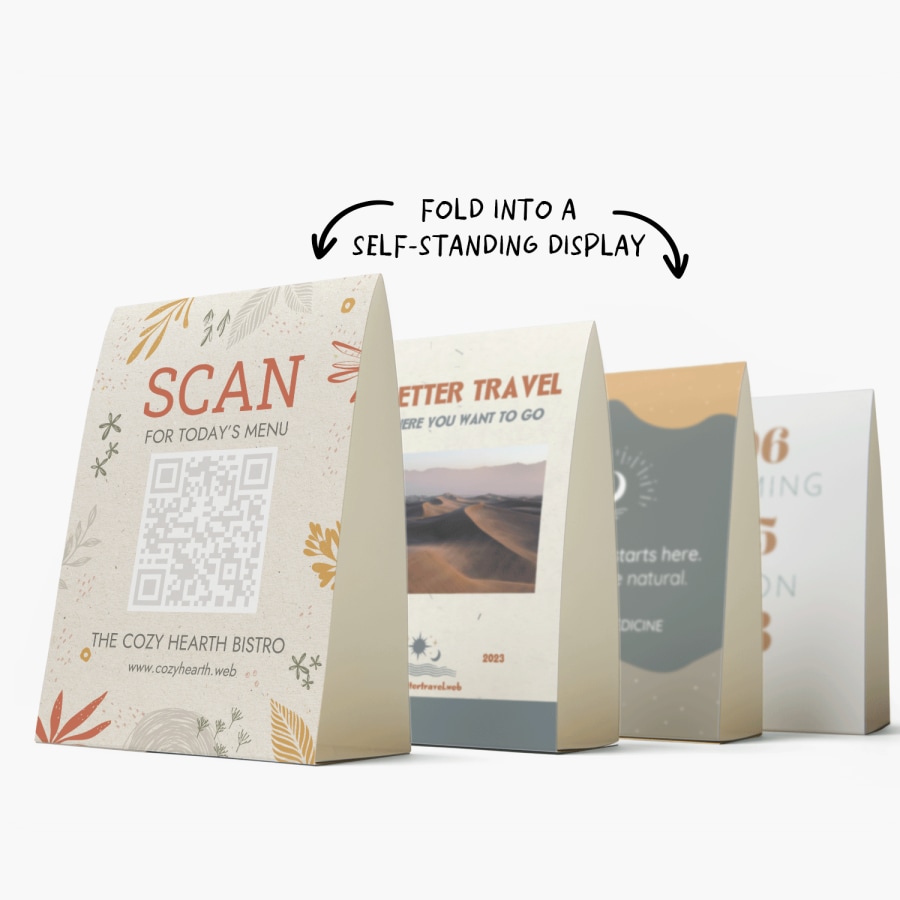
A table tent is a folded card placed on flat surfaces. It usually has two or three panels.
It stands upright to catch the eye of people sitting at tables or counters.
Common Uses In Marketing
Table tents help businesses communicate messages quickly. They often promote products or events.
- Show daily specials in restaurants
- Advertise upcoming events or sales
- Provide contact information or social media links
- Highlight new products or services
- Share important announcements or policies
Types Of Table Tents
| Type | Description | Common Use |
| Two-Panel | Simple fold with two sides | Menus and specials |
| Three-Panel | Triangular shape for stability | Promotions and events |
| Custom Shapes | Unique shapes for branding | Special campaigns |
| Digital Table Tents | Electronic displays | Dynamic advertising |
Design Elements
A table tent is a small display set on tables. It shares important information with customers. Design is crucial for making it effective.
Table tents can boost customer engagement when designed well. Let’s explore key design elements.
Size And Shape Options
Table tents come in different sizes and shapes. Choose the right one for your message.
Common shapes include triangular, tent card, and pyramid. Consider space and content length.
- Triangular tents are stable and easy to read
- Tent cards offer more sides for information
- Pyramids are unique and eye-catching
Effective Visuals
Visuals grab attention quickly. Use images and colors wisely to attract viewers.
Images should be high quality and relevant. Colors need to match your brand style.
- High-quality images enhance appeal
- Consistent colors build brand identity
- Clear fonts improve readability
Message Placement
Where you place the message is important. It should be the first thing people see.
Place key information at eye level. Ensure text is clear and concise.
| Front | Core message |
| Back | Additional details |
Materials And Printing
A table tent is a small display that stands on tables. It shows messages, menus, or promotions clearly.
Choosing the right materials and printing methods helps table tents last longer and look good.
Popular Materials
Table tents use different materials based on where they will be placed. Some materials are better for indoor use, others for outdoor.
- Cardstock: Thick paper that is affordable and easy to print on.
- Plastic: Durable and water-resistant, good for long-term use.
- Foam board: Lightweight and sturdy, ideal for a professional look.
- Acrylic: Clear and modern, great for high-end displays.
- Corrugated cardboard: Strong and recyclable, perfect for temporary displays.
Printing Techniques
Printing affects how vibrant and clear the table tent looks. Different techniques suit different materials and budgets.
- Digital printing: Fast and good for small runs with many colors.
- Offset printing: Best for large quantities and sharp images.
- Screen printing: Works well on plastic and thick materials.
- UV printing: Prints directly on plastic and resists fading.
- Letterpress: Adds texture and style but is more costly.
Durability Considerations
Durability depends on material, printing type, and usage. Choose options that match how long the table tent will be used.
Water resistance and scratch resistance help maintain the look during use. Laminating can protect paper materials.
- Use plastic or laminated paper for spills and moisture.
- Choose UV printing for outdoor use to avoid fading.
- Foam board and acrylic resist bending and damage.
- Cardstock works well for short-term, indoor use.
Credit: www.vistaprint.ca
Placement Strategies
Table tents are small, folded signs that show messages to customers. Where you place them can change how well they work.
Good placement helps catch attention and deliver your message clearly. This guide explains smart ways to place table tents.
Ideal Locations
Choose spots where people stop or look closely. Tables, counters, and waiting areas are great places.
Put table tents where they do not block views or get lost among other items.
- Dining tables in restaurants or cafes
- Reception desks or checkout counters
- Hotel lobbies and waiting rooms
- Bars and lounges near drink stations
- Trade show booths and event tables
Target Audience Engagement
Think about who will see the table tent. Match the message to their interests and needs.
Use simple language and clear visuals to attract your audience quickly.
- Use fun facts or offers for casual diners
- Highlight product benefits for shoppers
- Share event details for visitors
- Show menu specials for food lovers
- Include contact info for service seekers
Timing And Rotation
Change your table tents regularly to keep messages fresh and relevant. Use timing to fit special events or seasons.
Rotate designs to avoid message fatigue and catch repeat visitors’ attention.
- Swap out tents for holidays or promotions
- Update information for new products or services
- Rotate messages weekly or monthly
- Use different tents for breakfast, lunch, or dinner
- Test different designs to see what works best
Marketing Benefits
Table tents are small, folded cards placed on tables. They catch attention in places like cafes, restaurants, or events. These tents help businesses share messages directly with customers.
Using table tents can improve marketing by making information easy to see and read. They work well for different goals, such as building brand presence and boosting sales.
Increasing Brand Visibility
Table tents display your logo and colors in a clear way. They stay in front of customers while they wait or eat. This constant exposure helps people remember your brand better.
- Show your brand name and logo
- Use brand colors and fonts
- Place tents in high-traffic areas
- Update designs to keep them fresh
Promoting Offers And Events
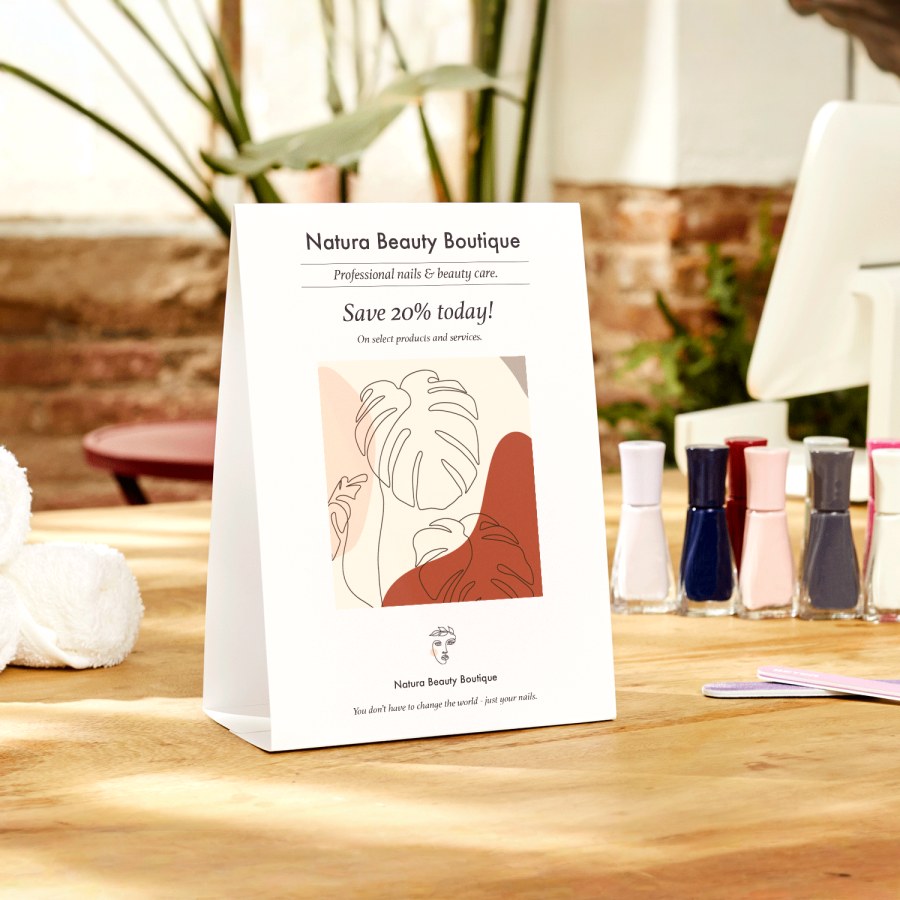
Table tents are great to share special deals or upcoming events. They catch eyes quickly and guide customers to take action. You can change the message often to match your marketing plans.
| Type | Example | Benefit |
| Discount Offer | Buy one get one free | Increases sales |
| New Product | Try our new smoothie | Encourages trials |
| Event | Live music Friday night | Draws crowds |
Encouraging Customer Interaction
Table tents invite customers to join actions like surveys or social media. They make customers feel involved and valued. This can improve loyalty and feedback.
Ways to increase interaction:
- Ask questions or run contests
- Share QR codes for quick responses
- Encourage social media sharing
Credit: www.vistaprint.ca
Cost And Budgeting
Table tents are small, foldable displays placed on tables. They help share messages or promotions clearly.
Understanding the cost and budgeting for table tents helps you plan effectively. It ensures you get good value for your money.
Pricing Factors
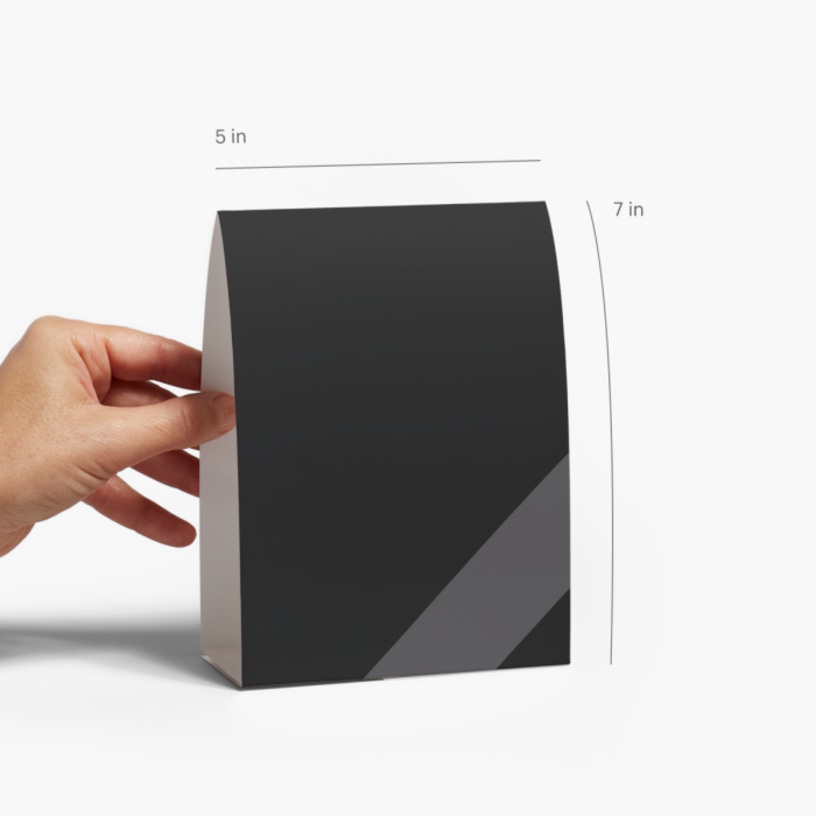
The price of table tents depends on size, material, and printing quality. Larger tents or thicker materials cost more.
Design complexity and quantity also affect pricing. Custom shapes and colors raise the price. Buying in bulk lowers it.
- Size of the table tent
- Material type and thickness
- Printing quality and colors
- Design complexity
- Quantity ordered
Budget-friendly Tips
Choose simple designs to reduce printing costs. Use standard sizes and materials for affordability.
Order larger quantities to get discounts. Reuse table tents for multiple events to save money.
- Pick simple and clear designs
- Use common sizes and materials
- Order in bulk for lower prices
- Reuse tents for different occasions
Return On Investment
Table tents can increase sales by attracting customer attention. They promote offers and important information.
Good quality tents last longer, giving more value. Tracking sales changes helps measure the investment’s success.
- Attracts customer attention
- Promotes special offers
- Durable tents provide longer use
- Track sales to check success
Creating Effective Table Tents
Table tents are small displays placed on tables to share information. They are useful in restaurants, events, and stores.
Good table tents catch attention and deliver a clear message fast. This helps customers understand your offer or idea quickly.
Crafting Clear Messages
Use short sentences that explain your main point. Avoid clutter and focus on one idea per table tent.
Write in simple language so everyone can understand. Make the text big enough to read from a short distance.
- Use bold headings to highlight the topic
- Keep text brief and to the point
- Use bullet points to organize information
Using Eye-catching Graphics
Images and colors draw the eye to your table tent. Use bright but balanced colors to keep it pleasant to look at.
Choose graphics that support the message. Avoid using too many pictures that can confuse or distract readers.
- Use high-quality images related to your message
- Pick colors that match your brand or theme
- Keep the design clean and simple
Incorporating Calls To Action
A call to action tells people what to do next. It can be a simple phrase or instruction that guides them.
Make your call to action clear and easy to follow. Use action words like “Try,” “Ask,” or “Order” to encourage response.
- Use short phrases like “Order now” or “Ask for details”
- Place the call to action where it is easy to see
- Use contrasting colors to highlight it
Common Mistakes To Avoid
Table tents are useful tools for sharing information. They help catch attention on tables in restaurants or events. But some errors can make them less effective.
Avoid these common mistakes to make your table tents clear and helpful. Good design and placement matter a lot.
Overloading Information
Adding too much information makes your table tent hard to read. People only spend a few seconds looking at it. Too many words can confuse them.
Keep the message short and clear. Focus on one main idea. Use bullet points or short sentences for easier reading.
- Limit text to important points only
- Avoid long paragraphs or detailed explanations
- Use simple words and clear fonts
Ignoring Brand Consistency
Your table tent should match your brand style. Using different colors, fonts, or logos can confuse customers. It makes your message look less professional.
Keep your brand colors and fonts on the table tent. Use your logo in the right size and place. This helps customers recognize your business easily.
- Use the same colors as your brand palette
- Choose fonts that match your other marketing materials
- Place your logo clearly but not too big
Poor Placement Choices
Placing the table tent in the wrong spot makes it useless. If people cannot see or reach it, your message is lost. It needs a visible and stable place.
Put table tents where people naturally look or wait. Avoid cluttered areas or places with bad lighting. Make sure they do not fall over or get moved easily.
- Place tents at eye level on tables or counters
- Keep them near the point of sale or service
- Check they stay upright and clean
Case Studies
Table tents are small, folded cards placed on tables. They aim to share messages or promote offers clearly.
This section explores real-life examples of table tents in action. We look at success, failure, and creative use.
Successful Campaigns
A local cafe used table tents to promote a new coffee blend. The tents featured bright colors and simple text.
- Placed tents on every table
- Included a QR code for easy ordering
- Offered a discount for the first purchase
- Changed design every month to keep interest
Lessons From Failures
A restaurant tried table tents to announce a new menu. They used too much text and small fonts, making it hard to read.
| Issue | Effect |
|---|---|
| Too much text | Customers ignored the message |
| Small font size | Hard to read from a distance |
| Poor placement | Tents got hidden behind other objects |
Creative Table Tent Examples
Some businesses use unique shapes and interactive elements in table tents. This catches attention and invites interaction.
- Pop-up 3D designs that stand out
- Scratch-off panels revealing prizes
- Built-in holders for business cards
- Mini chalkboards for daily specials
Credit: www.vistaprint.ca
Frequently Asked Questions
What Is The Purpose Of A Table Tent?
A table tent is used to display promotional messages or menus on tables. It grabs customer attention effectively in cafes, restaurants, and events. It helps communicate offers, specials, or important information in a compact, eye-catching format.
Where Are Table Tents Commonly Used?
Table tents are commonly found in restaurants, cafes, bars, hotels, and trade shows. They serve to promote menu items, special deals, events, or brand messages right at the customer’s table, enhancing engagement and boosting sales.
What Materials Are Table Tents Made From?
Table tents are typically made from sturdy cardstock, plastic, or laminated paper. These materials provide durability and allow for vibrant printing, ensuring the tent stands upright and maintains a professional appearance.
How Do Table Tents Improve Customer Experience?
Table tents provide quick access to important information without needing staff assistance. They promote offers or new products, making it easier for customers to decide and enhancing overall satisfaction and engagement.
Conclusion
Table tents help share messages clearly and attract attention. They fit well on tables in restaurants, cafes, or events. People read them easily while waiting or sitting. They show menus, promotions, or important information simply. Using table tents can improve customer experience and boost sales.
Small and cost-effective, they serve many purposes. Try adding table tents to your space for better communication. Simple tools often make a big difference.