
Have you ever noticed those small, folded cards standing upright on tables at restaurants, events, or offices? Those are called tent cards.
They might seem simple, but they play a powerful role in catching your attention and delivering important messages right where you need them. If you’ve ever wondered what a tent card is and how it can benefit your business or event, you’re in the right place.
Keep reading to discover how this small tool can make a big impact on your communication and marketing efforts.
Tent Card Basics
Tent cards are small, folded signs that stand on tables or counters. They are easy to see from both sides because they form a tent shape.
These cards help share important information in a clear and simple way. They are often used in places like restaurants, events, and offices.
Definition And Purpose
A tent card is a piece of card stock or paper folded into a triangle shape. It stands on flat surfaces without extra support.
The main purpose of a tent card is to display messages, promotions, or instructions where people can easily see them from a distance.
- Display product names or prices
- Show special offers or discounts
- Provide directions or instructions
- Share event schedules or menus
Common Uses
Tent cards are used in many different settings. They help communicate short messages quickly and effectively.
| Place | Use |
| Restaurants | Menu highlights and specials |
| Hotels | Room service or event information |
| Events | Seating arrangements or schedules |
| Offices | Meeting room names or notices |
Design Elements
Tent cards are small signs that stand on tables or counters. They give important information in a clear way. Good design helps tent cards get noticed quickly.
The design includes size, shape, material, and how it looks. These parts work together to make the card useful and attractive.
Size And Shape Options
Tent cards come in many sizes and shapes. Choose one that fits your space and message. Common sizes include small, medium, and large. Shapes can be square, rectangle, or custom.
- Small cards fit tight spaces and short messages
- Medium cards balance space and visibility
- Large cards show detailed information
- Rectangular shapes are classic and easy to read
- Custom shapes add uniqueness and catch attention
Material Choices
Material affects the look and durability of tent cards. Choose between paper, cardstock, plastic, or wood. Each material has pros and cons for different uses.
| Material | Durability | Cost | Best Use |
| Paper | Low | Low | Short-term, indoor |
| Cardstock | Medium | Medium | Indoor, medium-term |
| Plastic | High | High | Long-term, outdoor |
| Wood | High | High | Decorative, premium look |
Visual Appeal Tips
Good visuals help tent cards stand out. Use clear fonts and colors that match your brand or setting. Keep text short and easy to read from a distance.
- Use bold fonts for headings
- Choose contrasting colors for text and background
- Include simple images or icons
- Leave space around text for clarity
- Test visibility from different angles
Printing Techniques
Tent cards are popular in marketing and events. They stand upright on tables, catching the eye. Understanding printing techniques can enhance their look.
Choosing the right printing method affects quality and cost. Let’s explore the differences and options available.
Digital Vs. Offset Printing
Digital printing is fast and great for small batches. Offset printing is better for larger quantities with consistent quality.
| Feature | Digital Printing | Offset Printing |
| Setup Time | Quick | Longer |
| Cost | Lower for small runs | Economical for large runs |
| Quality | Good for most needs | Excellent for high detail |
Color And Finish Options
Choosing colors and finishes can make your tent card stand out. Options vary based on the printing technique you choose.
- Glossy finish for vibrant colors
- Matte finish for a sophisticated look
- Spot UV to highlight specific areas
- Full-color printing for detailed images
- Black and white for a classic feel
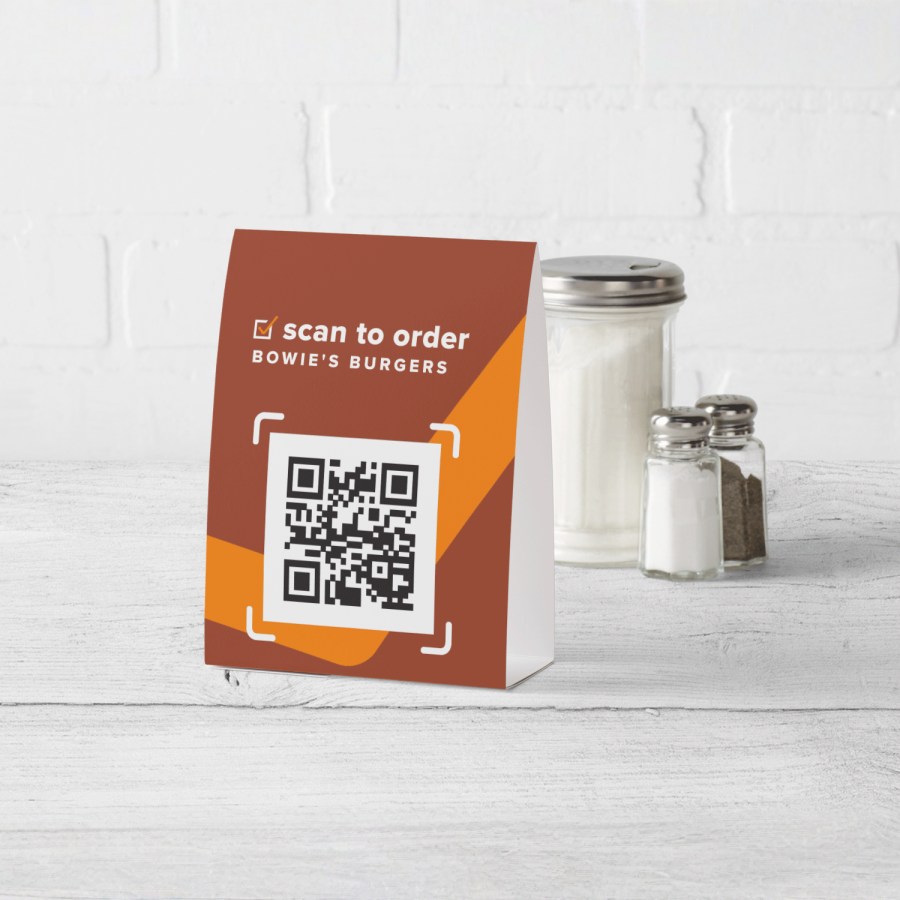
Credit: www.vistaprint.ca
Placement Strategies
Tent cards are small, folded signs used to share messages or information. Placing them correctly helps catch people’s attention quickly.
Good placement makes tent cards more visible and effective in any setting.
Ideal Locations
Choose spots where people naturally look or gather. Tables, counters, and shelves work well for tent cards. These places let people see the message while they wait or pass by.
- Restaurant tables for menus or specials
- Reception desks to greet visitors
- Store checkout counters to show offers
- Conference tables for event details
- Hotel lobbies to highlight services
Maximizing Visibility
Make sure the tent card stands out with clear text and bright colors. Position it at eye level or slightly below for easy reading. Avoid cluttered areas where the card might get lost.
| Placement | Visibility Tip |
| Eye level on tables | Easy to see without bending |
| Near entrances | First thing visitors notice |
| On counters | Close to where transactions happen |
| Next to product displays | Highlights related items |
Branding Benefits
Tent cards are small, folded displays that stand on tables. They show messages or branding clearly.
Using tent cards helps businesses share their brand with customers in simple ways.
Enhancing Customer Engagement
Tent cards catch the eye and invite customers to learn more about products or services.
- Draw attention with clear, bold designs
- Provide quick information to spark interest
- Encourage questions or conversations
- Create a friendly, approachable brand feel
Promoting Special Offers
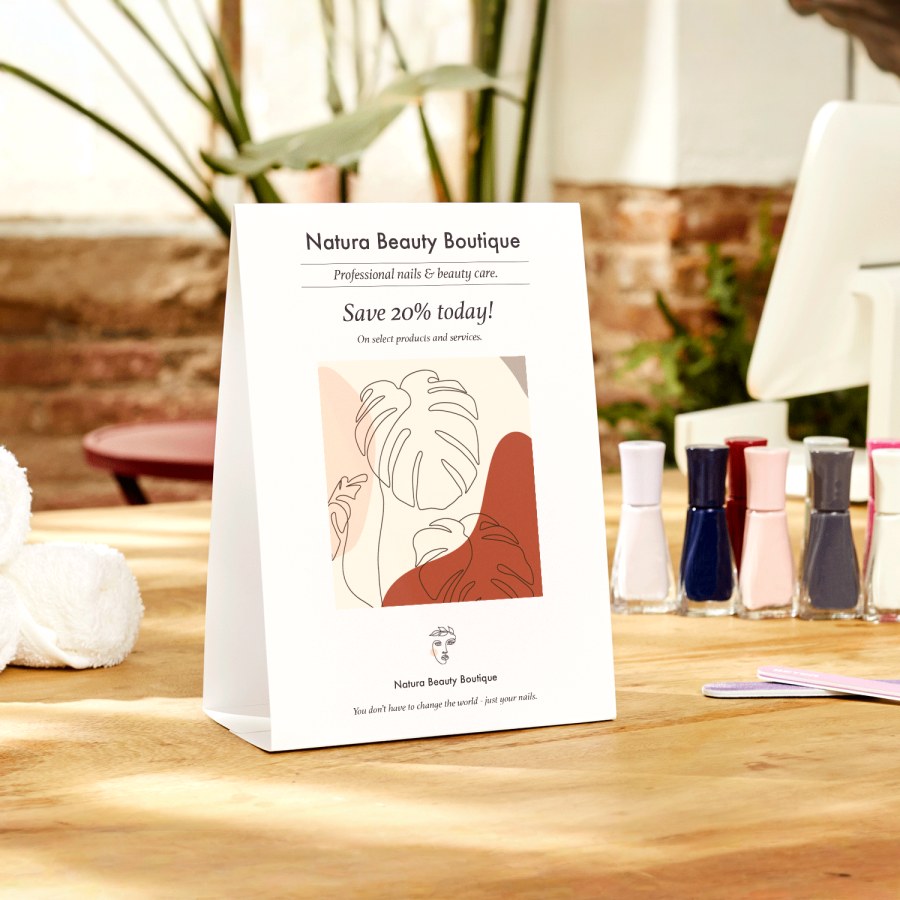
Tent cards work well to highlight deals and discounts. They make offers easy to spot.
| Offer Type | Example | Benefit |
| Discount | 10% off all items | Attracts bargain shoppers |
| Limited Time | Happy hour specials | Creates urgency to buy |
| New Product | Try our new coffee blend | Introduces products easily |
Cost Considerations
Understanding the cost factors of tent cards helps manage your budget. Tent cards vary in price depending on materials, size, and quantity.
Choosing the right option can balance quality and expense. Let’s explore budget-friendly choices and what to expect in return on investment.
Budget-friendly Options
Basic tent cards use simple cardstock and standard printing. These are cost-effective for short-term use or small events.
- Matte finish cardstock lowers printing costs
- Standard sizes reduce custom cutting fees
- Ordering in bulk decreases price per unit
- Minimal color printing saves on ink expenses
Roi Expectations
Return on investment depends on how well your tent cards attract attention and convey your message. Effective design can increase customer engagement.
| Factor | Impact on ROI |
| Design quality | Higher engagement and interest |
| Material durability | Longer use and repeated exposure |
| Print clarity | Easier to read and more professional look |
| Placement | Better visibility improves effectiveness |
Creative Ideas
A tent card is a folded piece of card that stands on tables or counters. It shows messages, menus, or promotions clearly.
Using creative tent card ideas can make your display more eye-catching and useful. Let’s explore some fun designs and themes.
Interactive Designs
Interactive tent cards invite people to engage with them. They can include features that make users curious or involved.
- Include QR codes that link to videos or websites.
- Add scratch-off areas for surprise discounts or messages.
- Use fold-out panels to reveal more information.
- Design cards with removable parts or tokens.
- Incorporate writable surfaces for guest notes or votes.
Seasonal Themes
Seasonal tent cards match the time of year and create a festive mood. Colors, images, and messages change with seasons or holidays.
| Season | Color Scheme | Design Elements | Message Ideas |
| Spring | Pastels | Flowers, butterflies | “Fresh Deals Blooming!” |
| Summer | Bright, warm | Sun, beach icons | “Cool Offers to Beat Heat” |
| Autumn | Orange, brown | Leaves, pumpkins | “Fall into Savings” |
| Winter | Blue, white | Snowflakes, pine trees | “Warm Up with Specials” |
| Holiday | Red, green | Ornaments, gifts | “Season’s Greetings and Deals” |
Credit: www.vistaprint.ca

Credit: www.helixgram.com
Frequently Asked Questions
What Is A Tent Card Used For?
A tent card is used for displaying information in a clear, visible way. It’s commonly placed on tables or counters. Businesses use it to promote products, menus, events, or instructions. Its foldable design allows it to stand upright, making it eye-catching and practical.
How Do Tent Cards Improve Marketing?
Tent cards attract attention by presenting key messages directly at customer points. They enhance brand visibility and encourage engagement. Their strategic placement boosts product awareness and prompts quick decisions. Tent cards are cost-effective tools that effectively support promotional efforts in any setting.
What Materials Are Tent Cards Made From?
Tent cards are typically made from sturdy paper or cardstock. Some use laminated or coated materials for durability and a glossy finish. These materials ensure the card stands upright and withstands regular handling. The choice of material depends on usage frequency and environment.
Can Tent Cards Be Customized?
Yes, tent cards can be fully customized. You can choose size, shape, colors, and design elements. Customization allows branding consistency and tailored messaging for specific campaigns. Many printers and online services offer easy customization options to meet business needs.
Conclusion
Tent cards serve as simple, effective tools to share information. They catch attention on tables, counters, and desks. Businesses use them to display menus, promotions, or event details. Their small size makes them easy to place anywhere. Tent cards help guide customers and create a neat look.
They also save space while providing clear messages. Choosing the right design boosts their impact. Overall, tent cards remain useful for many settings. They offer an easy way to communicate without being loud. Consider using tent cards to enhance your space’s clarity.