Have you ever noticed those small, folded cards standing on tables at cafes or events? Those are tent cards, and they hold more power than you might think.
Whether you want to catch someone’s eye, share important information, or promote a special offer, a tent card can be your secret weapon. If you’re wondering how this simple tool can boost your message and grab attention effortlessly, keep reading.
You’ll discover exactly what a tent card is and why it might be the perfect addition to your marketing strategy.

Credit: www.amazon.com
Tent Card Basics
Tent cards are small signs that stand on tables or counters. They fold to form a tent shape and show messages or information.
People use tent cards in many places like restaurants, offices, and events. They help share details clearly and quickly.
Definition And Purpose
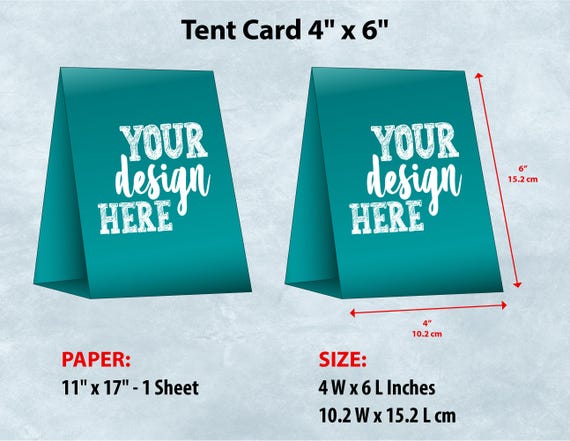
A tent card is a folded card that stands on its own. It usually has two sides that display text or images. The card forms a triangle when placed on a surface.
Tent cards serve many purposes. They can show menus, prices, promotions, or directions. They make information easy to see without taking up much space.
- Display product details in shops
- Show table numbers in restaurants
- Provide event schedules or speaker names
- Promote offers or discounts
- Guide visitors in offices or hotels
Common Materials Used
Tent cards come in different materials. The choice depends on how long they will be used and where they will be placed.
| Material | Description | Best Use |
|---|---|---|
| Cardstock | Thick paper, easy to print on | Short-term indoor use |
| Plastic | Durable and water-resistant | Long-term or outdoor use |
| Foam Board | Lightweight and sturdy | Events and displays |
| Corrugated Plastic | Strong and weatherproof | Outdoor signage |
Design Elements
Tent cards are small, folded signs that stand on tables or counters. Their design helps share messages clearly and attract attention.
Good design makes a tent card easy to read and visually appealing. It includes choices about size, shape, color, and fonts.
Size And Shape Options
Tent cards come in many sizes. Smaller ones fit tight spaces, while larger ones hold more information.
The shape can be simple or creative. Common shapes include rectangles and triangles, but custom shapes add style.
- Standard sizes: 4×6 inches, 5×7 inches
- Triangular or tent fold shapes
- Custom shapes like circles or hexagons
- Double-sided for more message space
Color And Typography Choices
Colors set the mood and highlight key points. Choose colors that match your brand or message.
Typography affects readability. Use clear fonts and proper sizes so people can read from a distance.
- Use high contrast colors for text and background
- Limit to two or three colors for clarity
- Choose simple fonts like Arial or Helvetica
- Use bold or larger fonts for headings
Practical Uses
Tent cards are small, folded signs that stand on flat surfaces. They serve as an easy way to share information clearly. People use tent cards in many places to catch attention and provide details.
They are lightweight and easy to move. Tent cards often show menus, schedules, or special offers. Their shape lets them stand without support, making them very practical.
Events And Conferences
Tent cards help organize events by giving important information. They show agendas, speaker names, or table numbers. Guests find it easier to follow the event with these clear signs.
- Display session times and topics
- Mark reserved seats or tables
- Highlight sponsors or partners
- Guide attendees to different rooms
Restaurants And Cafes
In dining places, tent cards show menu highlights or special dishes. They can also remind customers about safety rules or payment options. These cards fit well on tables without taking space.
| Use | Example |
| Menu Features | Today’s Specials |
| Promotions | Discount on Coffee |
| Instructions | Scan QR Code to Order |
Retail And Promotions
Tent cards attract customers in stores by showing deals or product info. They fit well on shelves or counters. Bright colors and clear text help catch the eye quickly.
- Place near sale items
- Use bold fonts for prices
- Include call to action like “Try Me”
- Keep text short and clear
Marketing Advantages
Tent cards are small, folded signs that stand on tables or counters. They show messages or promotions to customers directly.
These cards help businesses share information easily and attract attention in busy places.
Cost-effective Branding
Tent cards are cheap to produce but offer great value. They let businesses promote their brand without spending much.
You can print your logo and message on tent cards to keep your brand visible all the time.
- Low printing costs
- Reusable for different events
- Easy to update with new designs
Enhancing Customer Engagement
Tent cards catch the eyes of customers while they wait or browse. They invite people to learn about products or offers.
Clear and simple messages on tent cards make customers curious and encourage them to act.
- Highlight special deals or new items
- Provide quick information without staff help
- Create a friendly and welcoming space
Customization Tips
Customizing a tent card helps it stand out and serve its purpose well. You can change its look and features to fit your needs.
Good customization makes the tent card clear and interesting for people who see it. It can also help share more information easily.
Tailoring For Target Audience
Think about who will see the tent card. Use words and images they understand and like. This helps grab their attention.
Use simple language and clear fonts. Choose colors and styles that match the audience’s taste and interests.
- Use bold text for key points
- Pick images that relate to the audience
- Match colors with the event or brand
- Keep the design clean and easy to read
Incorporating Qr Codes And Interactive Features
Add a QR code to your tent card for quick access to websites or menus. This makes it easy for people to get more details.
You can also include simple interactive features like scratch-off areas or small puzzles. This can make the card more fun and engaging.
- Place QR codes where they are easy to scan
- Use clear instructions for interactive parts
- Test QR codes before printing
- Keep interactive elements simple and neat
Credit: www.etsy.com
Printing Techniques
Tent cards are small displays used for advertising or information. The printing technique affects their look and quality.
Choosing the right printing method helps make your tent cards clear and attractive.
Digital Vs Offset Printing
Digital printing uses digital files to print directly on the card. It is fast and good for small orders.
Offset printing uses plates and ink to print. It works better for large orders and offers high detail.
- Digital printing suits quick, small runs
- Offset printing fits large quantities well
- Digital prints can be changed easily
- Offset prints have sharper images
- Cost per unit is lower with offset printing
Finishing Options
Finishing options protect the card and improve its look. They make the tent card last longer.
Common finishes include gloss, matte, and UV coating. Each finish changes the card’s feel and shine.
- Gloss finish adds shine and bright colors
- Matte finish reduces glare and looks soft
- UV coating protects from scratches and water
- Spot UV highlights certain areas with shine
- Lamination increases strength and durability
Environmental Impact
Tent cards are small displays used for communication or decoration. They are found in many places like restaurants and events.
Understanding their environmental impact helps us make better choices. This guide looks at materials and reuse.
Eco-friendly Materials
Many tent cards use paper, cardboard, or plastic. Choosing eco-friendly materials lowers harm to nature.
- Recycled paper reduces tree cutting.
- Biodegradable cardboard breaks down quickly.
- Plant-based plastics cut fossil fuel use.
- Water-based inks avoid toxic chemicals.
- Natural coatings replace plastic laminates.
Recycling And Reusability
Recycling tent cards saves resources and energy. Reusing cards cuts waste and cost.
| Action | Benefit |
|---|---|
| Recycling | Reduces landfill space and pollution |
| Reusing | Extends product life and saves money |
| Proper disposal | Prevents harmful chemicals from spreading |

Credit: birdieproducts.com
Frequently Asked Questions
What Is The Primary Use Of A Tent Card?
A tent card is mainly used for advertising or information display. It stands on tables or counters. Businesses use it to highlight promotions, menus, or important messages. It is eye-catching and easy to place.
How Are Tent Cards Made And Designed?
Tent cards are typically made from cardstock or thick paper. They are folded into a tent-like shape. Designs include logos, text, and images. Custom printing allows brands to create attractive, relevant visuals for marketing purposes.
Where Are Tent Cards Commonly Used?
Tent cards are commonly found in restaurants, cafes, trade shows, and offices. They help communicate offers, menus, schedules, or event details. Their portable and visible nature makes them ideal for many settings.
Can Tent Cards Be Reused Or Recycled?
Yes, tent cards can be reused if made from durable material. Many are recyclable, especially those made from paper or cardboard. Reusing or recycling tent cards supports eco-friendly marketing practices.
Conclusion
Tent cards are small but useful tools for sharing information. They fit well on tables, desks, or counters. People use them to show menus, prices, or special offers. They help grab attention without being loud or intrusive. Easy to make and affordable, they suit many businesses and events.
A simple way to communicate clearly and quickly. Remember, a good tent card can make a big difference. Try using them to keep your message visible and neat.