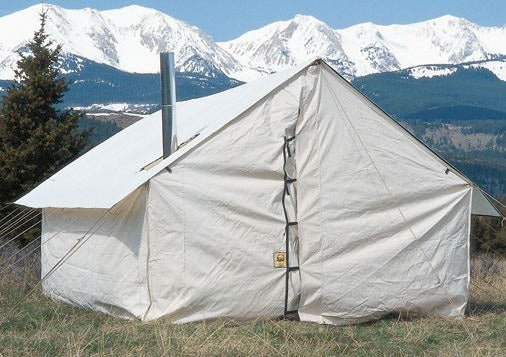
Have you ever wondered what keeps your tent dry and cozy during unexpected rain? The answer lies in something called a tent fly.
If you’re planning to camp or just want to understand your gear better, knowing what a tent fly is can make a big difference in your outdoor comfort. This simple piece of fabric can protect you from rain, wind, and even bugs, making your camping experience much more enjoyable.
Keep reading, and you’ll discover exactly what a tent fly does and why it’s so important for your next adventure.

Credit: www.davistent.com
Tent Fly Basics
A tent fly is an extra layer that covers your tent. It helps keep you dry and protected outdoors. Understanding what a tent fly does can improve your camping experience.
This guide explains the purpose of a tent fly, the materials used, and the different types you can find.
Purpose Of A Tent Fly
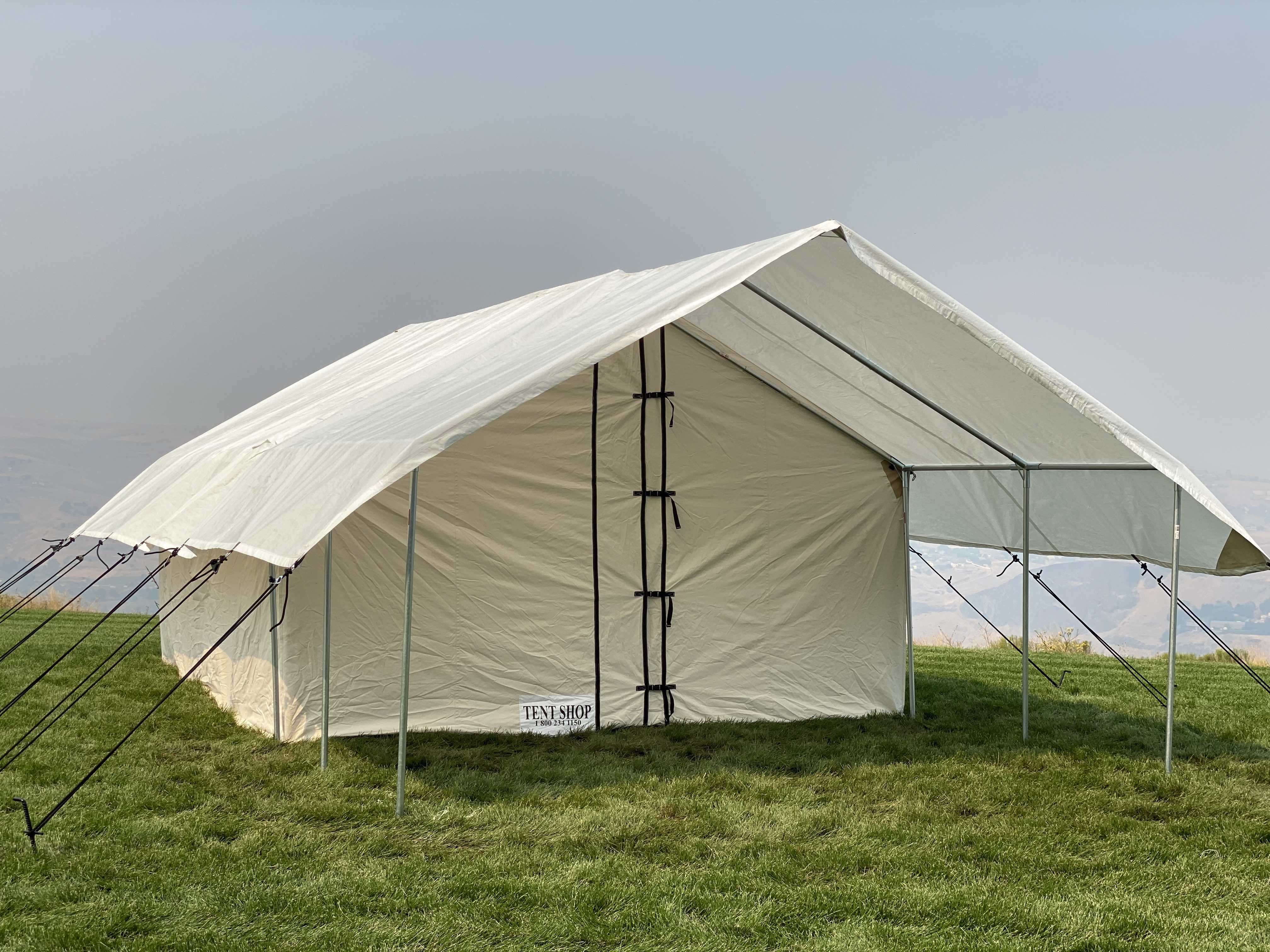
The main purpose of a tent fly is to protect the tent and its occupants from weather. It shields against rain, wind, and sun. It also helps keep the tent cooler and can add extra space outside the tent.
- Prevents rainwater from reaching the tent
- Blocks wind to keep the tent stable
- Provides shade from the sun
- Keeps the tent cooler in hot weather
- Creates a sheltered area outside the tent
Materials Used
Tent flies are made from strong, weather-resistant fabrics. These materials keep water out and resist tears. They also dry quickly and are light to carry.
| Material | Features | Common Use |
| Polyester | Waterproof, lightweight | Most common for camping |
| Nylon | Strong, water-resistant | Used in lightweight tents |
| Canvas | Durable, heavy | Used in large or traditional tents |
| Silicone-coated fabrics | Highly waterproof, light | Used in high-end tents |
Types Of Tent Flies
There are several types of tent flies. Each type fits different tents and camping needs. Choosing the right type helps improve comfort and protection.
- Full Fly:Covers the entire tent for maximum protection.
- Partial Fly:Covers only the top part of the tent to save weight.
- Rain Fly:Specifically designed to block rain and keep water out.
- Sun Fly:Made to provide shade and reduce heat inside the tent.
Choosing The Right Tent Fly
A tent fly is a protective cover that goes over your tent. It helps keep rain, wind, and sun away from your tent’s fabric.
Picking the right tent fly is important. It makes your camping experience safer and more comfortable.
Size And Fit Considerations
The tent fly should match your tent’s size. If it is too small, it won’t cover well. If it is too big, it may flap in the wind.
Look for a fly that fits your tent’s shape. Some tents are dome-shaped, others are rectangular or tunnel-shaped. Fit affects how well the fly protects your tent.
- Measure your tent’s length, width, and height
- Choose a fly with extra material for ground coverage
- Match the fly shape to your tent design
Weather Conditions
Consider the weather where you camp. A strong rain fly should keep water out during storms. It should also resist wind and sun damage.
Some flies are made with thicker, waterproof fabric. Others have vents to reduce condensation inside the tent. Choose based on the climate you expect.
- Waterproof material for rainy areas
- UV-resistant fabric for sunny spots
- Good ventilation for humid weather
Compatibility With Tent Models
Not all tent flies fit every tent brand or model. Check if the fly is made for your tent type. Some are universal, but many are custom fit.
Look at the attachment points and poles. The fly should connect easily and stay secure. This helps keep your tent stable in bad weather.
- Verify fly fits your tent’s brand and model
- Check if poles and clips match your tent
- Choose a fly designed for your tent’s shape
Setting Up A Tent Fly
A tent fly is an extra layer of waterproof fabric that goes over your tent. It protects you from rain, wind, and sun. Setting up a tent fly helps keep the inside of your tent dry and comfortable.
Knowing how to set up a tent fly correctly makes your camping experience better. It also adds extra space outside your tent for gear or sitting.
Tools And Accessories Needed
- Tent fly sheet that fits your tent model
- Rope or guy lines for securing the fly
- Tent stakes or pegs to fix the fly to the ground
- Poles or trekking poles to support the fly
- Hammer or mallet for driving stakes
- Carabiners or clips to attach fly to tent
Having these tools ready before you start makes the setup easier and faster.
Step-by-step Setup Guide
- Lay your tent on a flat, clear surface.
- Spread the tent fly evenly over the tent.
- Attach the fly to the tent using clips or carabiners.
- Secure the fly corners to the ground with stakes.
- Use poles or trekking poles to lift the fly, creating space underneath.
- Tighten the guy lines to keep the fly taut and stable.
- Check all connections and stakes to ensure no gaps or loose areas.
Follow each step carefully to get a tight and secure fly setup.
Common Mistakes To Avoid
| Mistake | Why to Avoid | How to Fix |
|---|---|---|
| Not tightening guy lines | Fly can flap and tear in wind | Make sure all lines are pulled tight |
| Using wrong size fly | Fly may not cover tent properly | Choose fly that fits your tent model |
| Skipping stakes | Fly can lift off in wind | Always use stakes to secure corners |
| Setting up on uneven ground | Water can pool under tent | Pick flat, dry spot for setup |
| Attaching fly incorrectly | Water can leak inside tent | Follow manufacturer’s attachment points |
Benefits Of Using A Tent Fly
A tent fly is a separate layer of fabric that covers your tent. It helps keep the inside dry and comfortable. Using a tent fly adds extra protection to your camping shelter.
This simple addition can improve your outdoor experience by shielding you from rain, controlling temperature, and protecting your tent itself.
Protection From Rain And Moisture
A tent fly acts as a shield against rain and moisture. It stops water from reaching the tent’s main fabric. This helps keep your gear and sleeping area dry during wet weather.
- Prevents leaks by covering seams and zippers
- Reduces condensation inside the tent
- Keeps the groundsheet dry for a comfortable floor
- Allows rain to run off quickly and safely away
Temperature Regulation
The tent fly helps control the temperature inside the tent. It blocks sunlight during hot days, keeping the tent cooler. At night, it provides an extra layer that traps warm air inside.
| Time of Day | Effect of Tent Fly |
|---|---|
| Day | Blocks sun rays, keeps tent cooler |
| Night | Acts as insulation to retain heat |
Extended Tent Lifespan
Using a tent fly protects your tent fabric from damage. It reduces wear caused by sun, rain, and dirt. This helps your tent last longer and stay in good condition.
- Shields tent fabric from harmful UV rays
- Prevents dirt and debris from rubbing on the tent
- Reduces risk of mold and mildew growth
- Protects zippers and seams from weather damage
Maintaining And Caring For Tent Flies
A tent fly is a protective cover used over tents to shield them from rain and sun. Proper care helps keep the fly durable and useful for many trips.
Regular cleaning, correct storage, and timely repairs are key to extending the life of your tent fly.
Cleaning Tips
Clean your tent fly after each use to remove dirt and prevent mold. Use mild soap and water instead of harsh chemicals.
- Shake off loose dirt before washing
- Use a soft brush to scrub gently
- Rinse thoroughly with clean water
- Air dry completely before packing
- Avoid direct sunlight during drying to prevent damage
Storage Recommendations
Store your tent fly in a cool, dry place to avoid moisture buildup. Folding it loosely prevents creases and fabric wear.
| Storage Tip | Reason |
| Dry completely before storage | Prevents mold and mildew |
| Keep away from direct sunlight | Avoids fabric fading and weakening |
| Store loosely folded | Reduces fabric stress and creases |
| Use breathable bags | Allows air circulation to keep dry |
Repairing Small Damages
Small tears and holes can be fixed quickly to stop them from growing. Use patch kits made for tent fabrics.
- Clean the damaged area before repair
- Cut a patch slightly larger than the hole
- Apply waterproof adhesive under the patch
- Press firmly and let it dry fully
- Check the repair before your next trip
Credit: www.walltentshop.com
Alternative Uses For Tent Flies
A tent fly is a piece of fabric that covers a tent. It protects from rain and sun. You can use it in many other ways too.
Knowing different uses helps you stay safe and comfortable outdoors. Tent flies are lightweight and easy to carry.
Creating Shade
A tent fly can create shade in sunny places. It helps keep you cool during hot days. Set it up between trees or poles.
You can use it to cover picnic areas or resting spots. It blocks harmful sun rays and lowers temperature under it.
Emergency Shelters
In emergencies, a tent fly can become a quick shelter. It protects from rain, wind, and cold. You only need some rope or sticks.
Use it as a lean-to or a simple tent. It offers fast protection if you have no other gear available.
Ground Covers
A tent fly works well as a ground cover. It keeps your sleeping bag dry and clean. It also protects from rocks and dirt.
Lay it under your tent or use it alone for a quick rest spot. This keeps moisture and insects away from you.

Credit: www.walltentshop.com
Frequently Asked Questions
What Is A Tent Fly Used For?
A tent fly protects your tent from rain, wind, and sun. It adds an extra waterproof layer. It helps keep the tent dry and comfortable during bad weather.
How Does A Tent Fly Improve Camping Comfort?
A tent fly creates shade and reduces heat inside the tent. It also prevents condensation by allowing airflow. This makes camping cooler and more comfortable in warm or wet conditions.
Can A Tent Fly Protect From Heavy Rain?
Yes, a tent fly acts as a rain shield. It prevents water from soaking through the tent fabric. Properly pitched, it keeps the interior dry even in heavy rain.
Is A Tent Fly Necessary For Every Camping Trip?
While not always required, a tent fly is highly recommended. It offers extra protection and durability. Using a fly increases your tent’s lifespan and comfort in various weather.
Conclusion
A tent fly is a critical camping accessory. It shields from rain, wind, and sun. This extra layer ensures warmth and dryness inside. Choosing the right tent fly enhances your outdoor experience. Always consider size, material, and weather compatibility. Proper setup is essential for maximum protection.
Be sure to practice setting it up before heading out. A well-chosen tent fly extends your tent’s lifespan. It also provides comfort during unpredictable weather. Invest in a good tent fly for a better camping adventure. Your next trip will be more enjoyable and stress-free.
Happy camping!