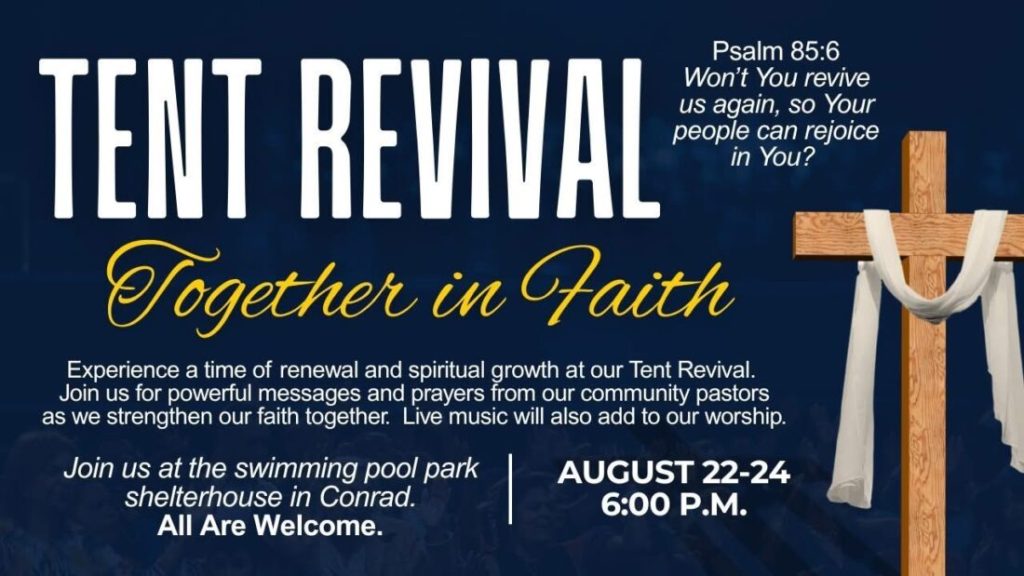
Have you ever heard of a tent revival and wondered what it really means? Maybe you’ve seen pictures of large gatherings under big tents, filled with energy and hope.
But what makes these events so special? If you’re curious about how tent revivals bring people together, inspire change, and create powerful moments, you’re in the right place. Keep reading, and you’ll discover the heart of a tent revival and why it continues to touch so many lives today.

Credit: www.youtube.com
Origins Of Tent Revivals
Tent revivals are religious meetings held in large tents. They bring many people together for worship and preaching.
This practice started many years ago. It grew from older traditions of outdoor religious gatherings.
Historical Background
Tent revivals began in the 19th century in the United States. People moved to cities and towns quickly. Churches could not hold all the new worshippers inside their buildings.
Preachers used large tents to hold meetings. This way, they could reach more people at once. The tents became a symbol of open and accessible worship.
Early Influences
Several factors helped tent revivals grow. The Second Great Awakening was a key influence. It was a religious movement that encouraged public worship and personal faith.
- Camp meetings with open-air preaching
- Traveling evangelists spreading messages
- Desire to reach rural and frontier communities
- Use of tents for shelter and gathering
These influences combined to create the tent revival tradition. It allowed large groups to gather for spiritual renewal and community.
Key Features Of Tent Revivals
Tent revivals are special outdoor religious gatherings. They bring many people together for worship and prayer.
These events have unique features that make them different from regular church services. They often last several days or weeks.
Outdoor Setting
Tent revivals take place outside in large tents. This setting allows more people to join and worship together.
The open air creates a relaxed and inviting atmosphere. People can feel closer to nature while they pray.
Large Congregations
Many people attend tent revivals. The large space helps host big crowds comfortably.
These gatherings bring together people from different places. They share faith and support each other.
- Hundreds or thousands of attendees
- Community bonding and fellowship
- Opportunities for new friendships
Music And Worship
Music plays a big role in tent revivals. Singers and musicians lead worship songs that inspire the crowd.
The lively music helps people feel joyful and connected. Worship creates a strong spiritual experience.
- Live bands or choirs
- Traditional and contemporary songs
- Opportunities for audience participation
Purpose And Impact
A tent revival is a religious meeting held in a large tent. It brings people together for worship and spiritual growth.
These events often last several days. They aim to renew faith and build a strong community.
Spiritual Renewal
Tent revivals help people reconnect with their faith. They offer a chance to pray, listen to sermons, and reflect.
- Encourage personal reflection
- Provide hope and encouragement
- Strengthen belief through shared worship
Community Building
These gatherings create a sense of belonging. People meet neighbors and make new friends.
| Activity | Community Benefit |
| Group prayers | Unity in faith |
| Shared meals | Friendship and support |
| Volunteer work | Helping others together |
Evangelism
Tent revivals spread religious messages to many people. They invite those who do not attend church often.
Common ways tent revivals share faith include:
- Preaching clear and simple messages
- Inviting guests to join and ask questions
- Offering follow-up support after the event

Credit: www.nppbc.com
Notable Tent Revival Leaders
Tent revivals are large outdoor religious meetings. They often last several days or weeks. These events bring many people together to hear preaching and worship.
Many leaders became famous for holding tent revivals. Their messages inspired and changed many lives. Here are some well-known tent revival preachers.
Famous Preachers
Billy Graham is one of the most famous tent revival preachers. He preached to millions around the world. His simple message focused on faith and hope.
Another key figure was Aimee Semple McPherson. She used tents to reach people in big cities. Her lively services included music and drama to attract crowds.
Oral Roberts also led many tent revivals. He combined healing prayers with preaching. His events helped spread Pentecostal beliefs widely.
Their Contributions
Billy Graham helped bring evangelism to a global audience. His tent meetings were large and well-organized. He used media to share his message beyond the tents.
Aimee Semple McPherson made tent revivals popular in urban areas. She used creative ways to engage listeners. Her work helped women gain roles in ministry.
Oral Roberts introduced healing as a key part of revival meetings. His tent revivals often included testimonies of cures. This approach attracted many seeking physical and spiritual help.
Modern Tent Revivals
Tent revivals are large religious meetings held in tents. They bring people together to worship and hear sermons.
Modern tent revivals keep this tradition alive but use new ideas. They adapt to today’s culture and technology.
Current Trends
Today, tent revivals focus on community and family. They often include music, food, and activities for all ages.
Many revivals now invite guest speakers and local artists. This helps attract more people and keeps events lively.
- Family-friendly programs
- Guest speakers and artists
- Outdoor and indoor events
- Shorter, more frequent meetings
Technological Integration
Technology plays a big role in modern tent revivals. Organizers use sound systems and lighting to improve the experience.
Many revivals stream their events online. This helps people who cannot attend join from home or other locations.
- High-quality audio and lighting
- Live streaming on social media
- Mobile apps for event updates
- Online donations and registrations
Challenges And Criticisms
Tent revivals face several challenges that affect their success. These issues often limit the reach and impact of the events.
Critics also raise concerns about some practices and effects of tent revivals. These controversies shape public opinion on this tradition.
Logistical Issues
Organizing a tent revival takes a lot of planning and resources. Setting up tents, sound systems, and seating can be difficult.
- Finding a suitable location with enough space
- Dealing with weather conditions like rain or wind
- Ensuring safety and comfort for large crowds
- Arranging parking and transportation for attendees
- Coordinating volunteers and staff for event tasks
Controversies
Some people criticize tent revivals for their fundraising methods and emotional appeals. Others question the long-term benefits for the community.
| Criticism | Description | Possible Impact |
| Financial Transparency | Lack of clear reporting on donations | Loss of trust among supporters |
| Emotional Pressure | Use of strong emotional appeals to gain converts | Questions about sincerity of decisions |
| Noise Complaints | Loud music and speeches disturbing neighbors | Community complaints and restrictions |
| Short-Term Focus | Limited follow-up after the event ends | Temporary impact on participants |
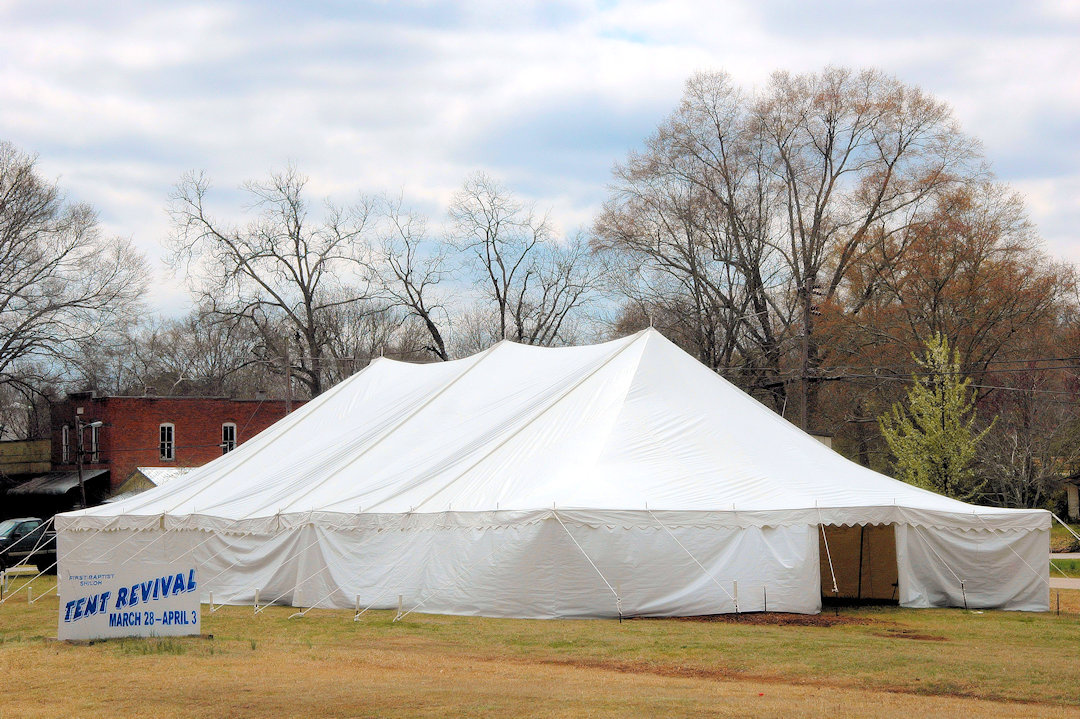
Credit: vanishinggeorgia.com
Frequently Asked Questions
What Is A Tent Revival In Christianity?
A tent revival is a religious gathering held in a large tent. It features preaching, worship, and community fellowship. These events focus on spiritual renewal and often aim to inspire faith and conversions.
How Long Do Tent Revivals Usually Last?
Tent revivals typically last from a few days up to two weeks. The duration depends on the organizer and the community’s needs. They often include nightly services with special speakers and music.
Why Are Tent Revivals Important Today?
Tent revivals foster community and spiritual growth. They offer an accessible, engaging way to share faith. These events revive traditions and bring people together for worship and inspiration.
Who Typically Leads A Tent Revival Event?
Tent revivals are usually led by pastors, evangelists, or guest preachers. These leaders focus on delivering powerful sermons and encouraging spiritual commitment. They often travel to different locations for such events.
Conclusion
Tent revivals bring people together to share faith and hope. These events create a strong sense of community and joy. Many find comfort and inspiration under the large tent. Singing, preaching, and fellowship fill the air with energy. Tent revivals have a long history in many cultures.
They continue to offer a space for spiritual growth and connection. Attending a tent revival can be a meaningful experience. It shows how simple gatherings still touch many hearts today.