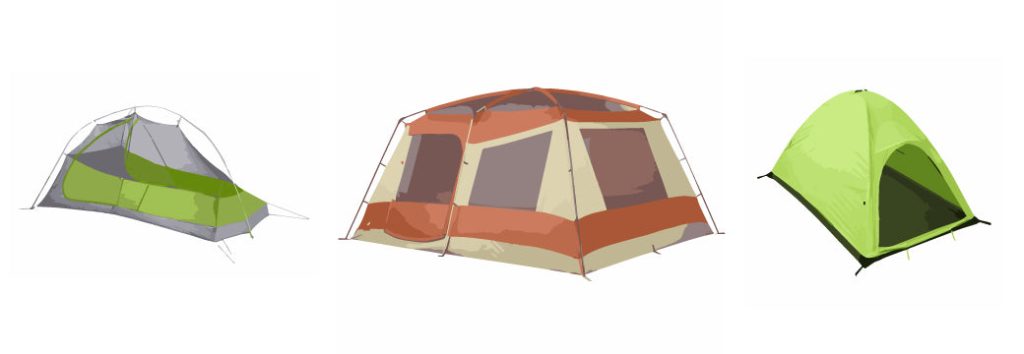
Have you ever struggled to keep your gear dry and organized while camping? A tent vestibule might be the simple solution you didn’t know you needed.
This small but powerful feature can change the way you experience the outdoors by giving you extra space and protection. If you want to make your camping trips more comfortable and hassle-free, understanding what a tent vestibule is will help you get the most out of your gear.
Keep reading to discover why this little addition could make a big difference for your next adventure.
Tent Vestibule Basics
A tent vestibule is an extra space attached to a tent. It provides a covered area outside the main sleeping area.
This space helps protect gear and offers shelter from weather. Many campers find vestibules useful for storage and entry.
Definition And Purpose
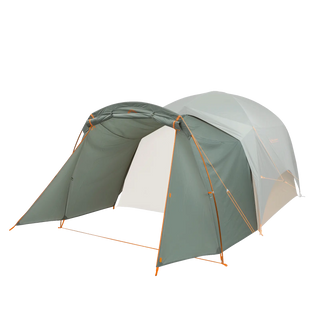
A tent vestibule is an extension at a tent’s door. It acts as a small porch or shelter outside the tent.
The main purpose is to keep rain, snow, and dirt away from the tent’s inside. It also stores boots, backpacks, and cooking gear.
Common Designs
Vestibules come in different shapes and sizes. Some are simple awnings, while others are fully enclosed spaces.
- Single-door vestibules attach to one tent entrance
- Double-door vestibules cover both front and back doors
- Large vestibules create extra room for gear or sitting
- Simple rain flaps provide minimal shelter outside the door
Materials Used
Vestibules use the same materials as tents for weather protection. They are usually made from waterproof fabrics.
- Ripstop nylon for durability and light weight
- Polyester treated with waterproof coatings
- Mesh panels for ventilation in some designs
- Water-resistant zippers and seams to keep moisture out
Benefits Of A Vestibule
A tent vestibule is an essential part of camping gear. It offers several benefits that enhance your outdoor experience. Let’s explore why a vestibule is useful.
Extra Storage Space
A vestibule provides extra space outside the main tent area. You can store gear here without crowding your sleeping space.
- Keep muddy boots outside
- Store backpacks and cooking gear
- Organize items for easy access
Weather Protection
The vestibule acts as a barrier against rain and wind. It helps keep your tent dry and comfortable.
- Shield against rain and snow
- Block strong winds
- Keep dirt and debris out
Improved Ventilation
A vestibule can improve airflow in your tent. It helps reduce condensation and keeps the tent fresh.
- Allow fresh air to circulate
- Reduce moisture build-up
- Enhance comfort during sleep
Types Of Vestibules
A tent vestibule is a small covered area attached to the tent’s entrance. It provides extra space for gear, shoes, or shelter from weather.
There are different types of vestibules. Each type fits different camping needs and tent styles.
Attached Vestibules
Attached vestibules are part of the tent’s design. They connect directly to the main tent fabric. This makes them easy to set up with the tent.
- Provide extra storage space
- Protect gear from rain and wind
- Keep the tent entrance clear
- Usually made of the same material as the tent
Detached Vestibules
Detached vestibules are separate from the tent. They can be set up nearby but are not sewn onto the tent fabric.
This type offers flexibility. Campers can choose when and where to use the vestibule. Detached vestibules often work well for larger groups or extra storage.
Convertible Vestibules
Convertible vestibules can change form. They may switch between an attached and detached setup.
| Feature | Benefit |
|---|---|
| Flexible setup | Use as attached or detached vestibule |
| Multiple uses | Can become extra tent space or gear room |
| Adapt to weather | Close up or open for ventilation |
Credit: ca.bigagnes.com
Choosing The Right Vestibule
A tent vestibule is an extra space outside the main tent area. It helps keep your gear dry and clean. Picking the right vestibule adds comfort to your camping trip.
Think about size, compatibility, weight, and how easy it is to carry. These factors help you choose a good vestibule for your tent.
Size Considerations
The vestibule size should fit your gear and camping needs. It must be large enough for your shoes, backpacks, or cooking tools. A small vestibule may not protect your items well.
Check the vestibule dimensions before buying. Some tents offer different vestibule sizes. Match the vestibule size with how much extra space you want.
Compatibility With Tent
Make sure the vestibule fits your tent model. Not all vestibules work with every tent shape or size. Check if the attachment points match your tent’s poles and fabric.
Using a vestibule made for your tent gives better protection from rain and wind. It also makes setup easier and faster.
Weight And Portability
Consider how much the vestibule weighs. A heavy vestibule adds extra load to your backpack. Lightweight options are better for hiking and long trips.
Look for materials that are light but strong. A compact vestibule that folds small saves space in your bag.
Setting Up A Vestibule
A tent vestibule is a small covered area outside the main tent. It helps keep your gear dry and gives you extra space. Setting up a vestibule properly makes your camping more comfortable.
Follow easy steps to set up your vestibule safely and avoid common mistakes. Use tips to keep it stable during your trip.
Step-by-step Setup
Choose a flat spot outside your tent door for the vestibule.
Unfold the vestibule fabric and align it with the tent entrance.
Attach the vestibule to the tent poles or loops as per your model.
Secure the vestibule corners with stakes into the ground.
Tighten all straps and ropes to keep the vestibule firm.
Check the vestibule door to make sure it opens and closes easily.
Common Mistakes To Avoid
Do not set up the vestibule on uneven or rocky ground.
Avoid loose stakes; they can make the vestibule collapse.
Do not forget to tighten all straps and ropes well.
Do not block the tent door with gear inside the vestibule.
Do not set up too close to trees that can drop branches.
Tips For Stability
| Tip | Reason |
|---|---|
| Use strong stakes | They hold the vestibule firmly in windy weather |
| Angle ropes away from the tent | This adds extra tension and support |
| Check and tighten ropes daily | Ropes stretch and loosen over time |
| Remove snow or debris regularly | Prevents damage and extra weight |
Maintenance And Care
Taking care of your tent vestibule helps it last longer. Regular maintenance keeps it clean and safe to use.
Simple steps can protect your vestibule from damage and wear over time.
Cleaning Tips
Clean your tent vestibule after each trip to remove dirt and dust. Use mild soap and water for best results.
Avoid harsh chemicals that can harm the fabric or waterproof coating.
- Brush off loose dirt before washing
- Use a soft cloth or sponge with mild soap
- Rinse thoroughly with clean water
- Let it air dry completely before storing
Storage Advice
Store your vestibule in a cool, dry place to prevent mold and mildew. Avoid leaving it in direct sunlight for long periods.
Keep it loosely folded or rolled to avoid creases that weaken the fabric.
- Make sure the vestibule is dry before packing
- Use a breathable storage bag if possible
- Store away from sharp objects or pests
- Check stored vestibules regularly for damage
Repairing Damage
Fix small tears and holes quickly to keep your vestibule waterproof. Use patch kits made for tent fabrics.
Check seams and zippers often and replace parts if needed to maintain function.
- Clean the damaged area before patching
- Apply patches firmly and let them dry
- Use seam sealer on stitched areas if leaks appear
- Replace broken zippers or sliders promptly
Vestibule Accessories
A tent vestibule adds extra space outside your tent. It protects your gear from rain and dirt. Using accessories makes the vestibule more useful.
These accessories help keep your camping area organized and comfortable. They improve shelter and storage options for your trip.
Ground Tarps
Ground tarps go under the vestibule floor. They protect from wet or rough ground. A tarp keeps the vestibule clean and dry inside.
- Prevents moisture from soaking through
- Protects the tent floor from holes and tears
- Makes cleaning easier after camping
- Keeps dirt and mud outside the tent
Extra Poles
Extra poles support the vestibule roof and walls. They add stability in wind or rain. Some poles let you adjust the vestibule size.
| Type | Use | Benefit |
| Aluminum Poles | Strong support | Lightweight and durable |
| Fiberglass Poles | Flexible frame | Cost-effective and easy to replace |
| Adjustable Poles | Height control | Custom vestibule shape |
Storage Pockets
Storage pockets attach inside the vestibule. They hold small items like keys, phones, or flashlights. Pockets keep things off the floor.
- Organize camping gear
- Easy access to essentials
- Keep the space neat and tidy
- Protect items from moisture and dirt

Credit: www.coreequipment.com

Credit: www.coreequipment.com
Frequently Asked Questions
What Is A Tent Vestibule Used For?
A tent vestibule provides extra sheltered space outside the tent. It stores gear and keeps rain and dirt out. It helps keep the tent interior clean and dry during camping.
How Does A Tent Vestibule Improve Camping Comfort?
A vestibule offers protection from wind and rain when entering or exiting. It creates a dry area for shoes and backpacks. This added space enhances convenience and comfort during outdoor trips.
Can All Tents Have Vestibules Attached?
Not all tents come with vestibules, but many models support attachments. Vestibules can be integrated or added separately. Always check tent specifications to confirm vestibule compatibility before purchase.
Are Tent Vestibules Waterproof?
Most tent vestibules are made from waterproof materials like nylon or polyester. They protect against rain and moisture effectively. Proper setup ensures the vestibule keeps your gear dry in wet conditions.
Conclusion
A tent vestibule gives extra space outside your tent. It keeps gear dry and protected from rain. You can store shoes, bags, or cooking tools there. It helps keep your tent clean and organized. Vestibules add comfort during camping trips.
Choosing a tent with a vestibule is smart for many campers. It makes outdoor living easier and more pleasant. Simple, useful, and practical—now you know what a tent vestibule is.