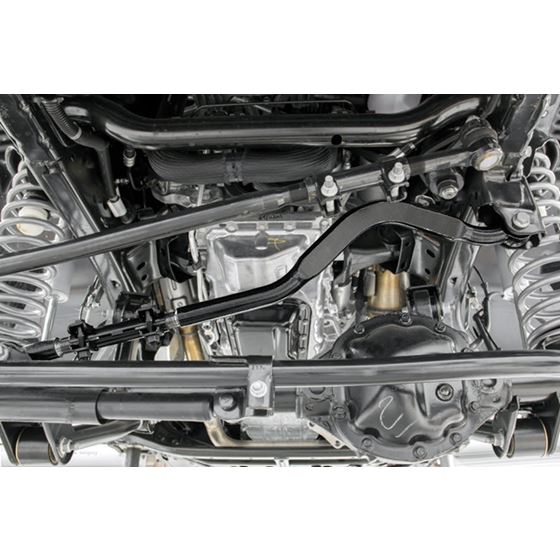
If you own a Jeep or are thinking about getting one, you’ve probably heard the term “track bar” thrown around. But what exactly is a track bar, and why does it matter for your Jeep’s performance?
Understanding this simple yet crucial part can make a big difference in how your Jeep handles rough trails and sharp turns. Keep reading to discover how the track bar works, why it’s important for your ride, and what you need to know to keep your Jeep running smoothly.
This knowledge could change the way you drive—and maintain—your Jeep forever.
Track Bar Basics
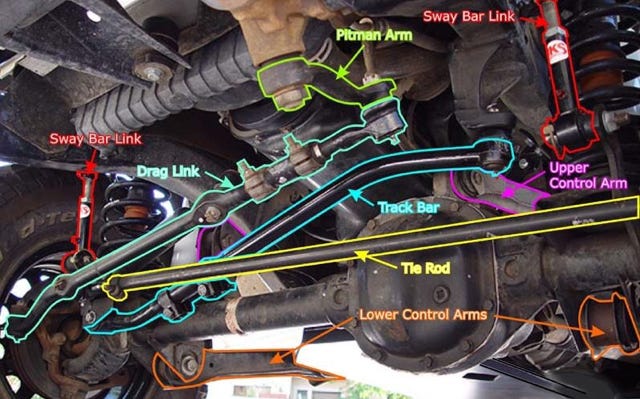
A track bar on a Jeep is a metal rod that keeps the axle centered under the vehicle. It helps control side-to-side movement during driving, improving stability. This part is important for safe handling, especially on rough or uneven terrain.
When you think about the vital components of a Jeep, the track bar might not be the first thing that comes to mind. However, it plays a crucial role in ensuring your ride remains stable, especially when you’re tackling those rugged trails. Understanding the basics of a track bar can enhance your off-road experience and keep you safe on your adventures.Purpose Of A Track Bar
The track bar, also known as a Panhard rod, is essential for maintaining lateral stability. It prevents the axle from shifting side to side, which is vital when your Jeep is navigating uneven terrain. Without a track bar, steering would become unpredictable, making your off-road journey risky.How It Works
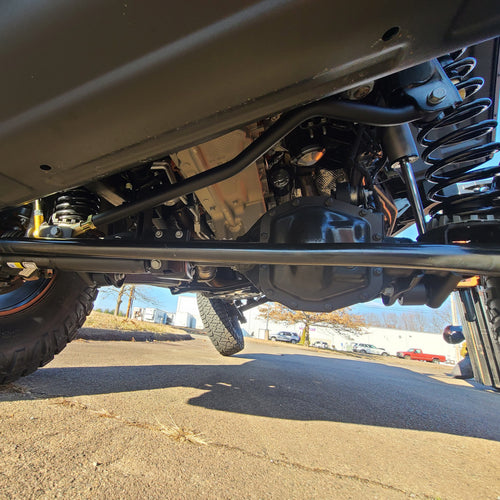
The track bar connects the axle to the frame on the opposite side. This setup allows it to counteract lateral movements. Imagine driving over a rocky path; the track bar keeps your Jeep’s wheels aligned, ensuring you maintain control. It’s this simple mechanism that provides stability and a smoother ride.Types Of Track Bars
Not all track bars are created equal. There are adjustable and fixed track bars available. Adjustable track bars are ideal if you’ve lifted your Jeep, allowing you to fine-tune the alignment for better performance. Fixed track bars, on the other hand, are best suited for Jeeps that maintain their original height. Each type serves a specific purpose, so choose one that fits your driving style and Jeep setup. Have you ever noticed your steering feeling loose after modifying your Jeep? It could be time to look at your track bar. Adjusting or upgrading this component might be the key to restoring that firm, confident handling you remember.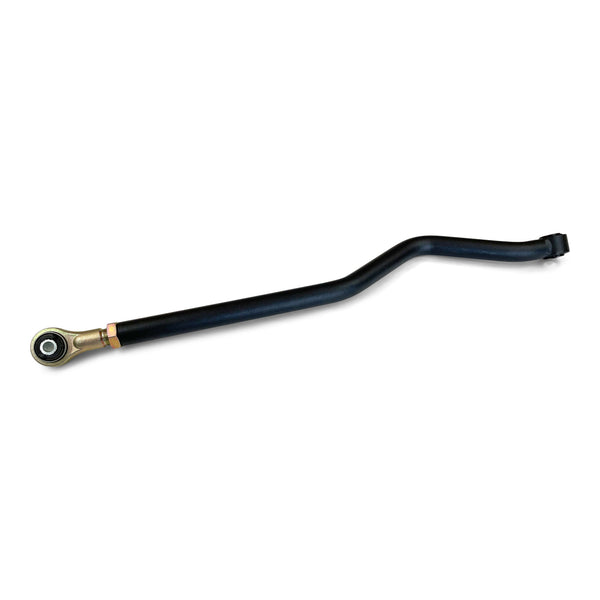
Credit: claytonoffroad.com
Track Bars On Jeeps
The track bar is a crucial part of your Jeep’s suspension system. It keeps the axle aligned properly under the vehicle, preventing unwanted side-to-side movement. Without a solid track bar, your Jeep’s handling and stability on rough terrain can suffer significantly.
Common Jeep Models With Track Bars
Most Jeep models that feature solid front or rear axles come equipped with track bars. These include popular models like the Jeep Wrangler (all JK, JL, and TJ generations), Jeep Grand Cherokee (older models with solid axles), and Jeep Cherokee XJ.
The Wrangler’s solid front axle especially depends on a front track bar to maintain steering precision. Rear track bars are also common on lifted Jeeps to maintain axle alignment after suspension modifications. Have you checked if your Jeep’s model uses one, and where it’s located?
Factory Vs Aftermarket Options
Factory track bars are designed to meet the basic needs of daily driving and light off-roading. They typically offer decent durability but might bend or wear out faster once you add a lift or take your Jeep on tough trails.
Aftermarket track bars come in stronger materials and often feature adjustability. This lets you fine-tune your suspension geometry after lift kits or heavy modifications. Choosing the right aftermarket option can improve your Jeep’s performance and prevent premature wear.
Signs Of A Worn Track Bar
You might notice your Jeep pulling to one side while driving straight—that’s a classic sign of a worn or bent track bar. Another indicator is excessive axle movement or clunking noises when going over bumps.
Wear in the track bar bushings also causes loose steering feel and uneven tire wear. If you spot any of these symptoms, inspecting or replacing your track bar could save you from more costly suspension damage down the road.
Installation And Adjustment
Installing and adjusting a track bar on your Jeep can significantly improve your vehicle’s handling and stability. While the process might seem technical, breaking it down into manageable steps makes it approachable. Understanding the tools and techniques involved will help you achieve a smooth, safe ride.
Tools Needed
- Socket wrench set with various sizes
- Torque wrench for precise tightening
- Breaker bar for loosening stubborn bolts
- Jack and jack stands to safely elevate your Jeep
- Measuring tape or ruler for alignment checks
- Penetrating oil to loosen rusted parts
- Safety gloves and eye protection
Having these tools ready before you start saves time and frustration. You’ll want to make sure everything is within reach before lifting your Jeep off the ground.
Step-by-step Installation
- Start by safely lifting your Jeep and securing it on jack stands.
- Spray penetrating oil on the existing track bar bolts to ease removal.
- Use the breaker bar and socket wrench to remove the old track bar carefully.
- Compare the new track bar with the old one to confirm correct size and length.
- Attach the new track bar to the mounting points, loosely tightening bolts by hand.
- Lower the Jeep so the suspension is at normal ride height before fully tightening the bolts.
- Use the torque wrench to tighten bolts to manufacturer specifications to avoid damage.
One time, I skipped lowering the suspension before tightening bolts and ended up with a misaligned bar that caused vibration. Don’t make that mistake—you want the track bar tight at the natural ride height.
Alignment And Tuning Tips
After installation, check your Jeep’s alignment carefully. The track bar should be parallel to the axle to prevent steering pull.
- Measure the distance from the track bar to a fixed point on the axle on both sides.
- If the bar isn’t centered, adjust the length if you have an adjustable track bar or reposition mounting brackets if possible.
- Test drive your Jeep on a straight road to feel if it pulls to one side.
- Fine-tune the track bar position as needed to eliminate pull and improve handling.
Have you noticed your Jeep pulling to one side after a lift? The track bar is often the culprit, and adjusting it can solve that problem quickly.
Remember, the right installation and adjustment not only improve performance but also extend the life of your suspension components. Take your time, double-check your work, and enjoy the benefits of a well-tuned Jeep.
Benefits For Off-roading
Adding a track bar to your Jeep can make a noticeable difference when you’re tackling off-road trails. It provides key benefits that improve your vehicle’s overall performance and durability in rough terrain. Understanding these advantages helps you decide if a track bar upgrade is right for your off-road adventures.
Improved Stability
A track bar keeps your Jeep’s axle centered under the vehicle, which directly improves stability. This is crucial when navigating uneven surfaces or steep inclines where balance is easily lost.
Without a track bar, your axle can shift side to side, making the ride feel unpredictable and unsafe. Have you ever felt your Jeep sway unexpectedly on a rocky trail? A track bar helps prevent that wobble, giving you more confidence behind the wheel.
Enhanced Handling
Off-road handling is about control, and a track bar contributes significantly to this. It reduces unwanted movements and keeps your Jeep responding precisely to your steering inputs.
Whether you’re maneuvering around tight corners or avoiding obstacles, a stable axle means your Jeep behaves exactly as you expect. This can make the difference between a smooth ride and getting stuck or damaged.
Reducing Axle Wrap
Axle wrap happens when torque causes your axle to twist, leading to wheel hop and potential drivetrain damage. A track bar helps reduce this by stabilizing the axle during acceleration and braking.
Have you noticed your wheels bouncing on hard acceleration? That’s axle wrap at work. Installing a track bar minimizes this effect, protecting your Jeep’s components and improving traction on rough terrain.
Upgrading Your Track Bar
Upgrading your Jeep’s track bar can make a noticeable difference in how your vehicle handles rough terrain and heavy loads. A better track bar enhances stability and keeps your axle aligned, especially after lifting your Jeep. But with several options available, it’s important to understand which upgrade suits your driving style and needs.
Heavy-duty Track Bars
Heavy-duty track bars are built to withstand more stress and abuse than stock versions. They often use thicker steel and stronger bushings to provide improved durability. If you frequently take your Jeep off-road or carry heavy gear, this upgrade can prevent bending and maintain proper alignment under tough conditions.
One time, I pushed my Jeep through rocky trails, and the stock track bar started to flex noticeably. After switching to a heavy-duty model, the difference was clear—the Jeep felt more controlled, and I didn’t have to worry about constant adjustments.
Adjustable Track Bars
Adjustable track bars give you the ability to fine-tune your Jeep’s suspension alignment. This is especially useful if you have a lift kit installed or plan to change tire sizes. Being able to adjust the length helps keep your axle centered, reducing wear on tires and suspension parts.
Imagine adjusting your track bar at home without needing a shop visit. It saves time and money, and you can adapt quickly to different driving conditions. Plus, some adjustable track bars come with greaseable joints, making maintenance easier and extending their lifespan.
Choosing The Right Upgrade
Think about how you use your Jeep most often. Do you need extra strength for rock crawling, or do you want more flexibility for daily driving and occasional off-roading? Your budget also plays a role—heavy-duty bars tend to cost more, while adjustable ones offer more customization.
Here’s a quick comparison table to help you decide:
| Feature | Heavy-Duty Track Bar | Adjustable Track Bar |
|---|---|---|
| Strength | High | Moderate to High |
| Adjustability | Fixed length | Length can be adjusted |
| Best For | Extreme off-roading, heavy loads | Lifts, tire size changes, alignment tuning |
| Maintenance | Standard bushings | Often greaseable joints |
What’s more important for your Jeep—strength or flexibility? Your answer will guide you toward the right track bar upgrade.
Credit: claytonoffroad.com
Common Issues And Maintenance
The track bar on a Jeep plays a vital role in keeping the axle centered. Over time, wear and tear can cause issues affecting your vehicle’s handling. Regular maintenance helps avoid serious problems and keeps your Jeep running smoothly.
Ignoring common issues can lead to uneven tire wear and poor steering control. Knowing how to spot problems early is important for safety and performance.
Diagnosing Problems
- Listen for clunking sounds during turns or over bumps.
- Check for noticeable side-to-side movement in the axle.
- Inspect for loose or worn track bar bushings.
- Look for visible bends or damage on the track bar itself.
- Watch for uneven tire wear patterns.
Routine Maintenance Tips
- Regularly inspect the track bar and bushings for wear.
- Tighten bolts and nuts to factory torque specifications.
- Clean the area around the track bar to prevent rust build-up.
- Lubricate bushings if they are serviceable type.
- Check alignment after suspension changes or off-road use.
When To Replace Your Track Bar
- Visible cracks or severe bends in the track bar.
- Persistent looseness even after tightening hardware.
- Excessive play detected in the bushings causing poor control.
- After major suspension upgrades requiring longer or adjustable track bars.
- Repeated alignment problems linked to track bar failure.
Credit: www.wranglerforum.com
Frequently Asked Questions
What Does A Track Bar Do On A Jeep?
A track bar keeps the Jeep’s axle aligned with the frame. It prevents side-to-side movement during driving. This improves stability and handling, especially off-road. Without it, the axle could shift, causing poor control.
How To Know If Jeep Track Bar Is Bad?
Common signs include clunking noises, uneven tire wear, and poor steering control. If the Jeep pulls to one side, the track bar may be worn. Regular inspections help catch issues early for safety.
Can I Drive Without A Track Bar On Jeep?
Driving without a track bar is unsafe and not recommended. It causes axle misalignment and unstable handling. This increases the risk of accidents, especially on rough terrain. Always ensure the track bar is properly installed and maintained.
Is A Track Bar Necessary For Jeep Lift Kits?
Yes, when lifting a Jeep, a track bar is essential. It maintains proper axle alignment after suspension changes. Without it, the Jeep can experience poor handling and increased wear. Lift kits often require upgraded or adjustable track bars.
Conclusion
A track bar helps keep your Jeep’s axle centered. It improves steering and stability on rough roads. Without it, your Jeep may feel loose or wobbly. Understanding this part helps you maintain your vehicle better. It’s a small but important piece for safe driving.
Knowing what a track bar does makes Jeep care easier. Keep it in good shape for smoother rides. Simple, right?