Imagine this: you’re ready to tackle the dust and debris taking over your home, armed with your trusty vacuum cleaner. But as you glide it over your floors, you wonder, “Is this really the best tool for the job?”
Enter the vacuum beater bar, a game-changer in the world of home cleaning. You might be asking yourself, “What exactly is a vacuum beater bar, and why does it matter to me? ” This is where things get interesting. We’ll uncover the secrets behind the vacuum beater bar and how it can dramatically enhance your cleaning routine.
By the end, you’ll not only understand its role but also feel confident in making your vacuum work smarter, not harder. Ready to discover the hidden power of the vacuum beater bar? Keep reading to transform your cleaning experience.

Credit: us.narwal.com
Vacuum Beater Bar Basics
Understanding the basics of a vacuum beater bar can change how you clean your home. This handy attachment boosts your vacuum’s power, especially on carpets. Knowing what it is and how it works helps you get the most out of your cleaning routine.
What It Is
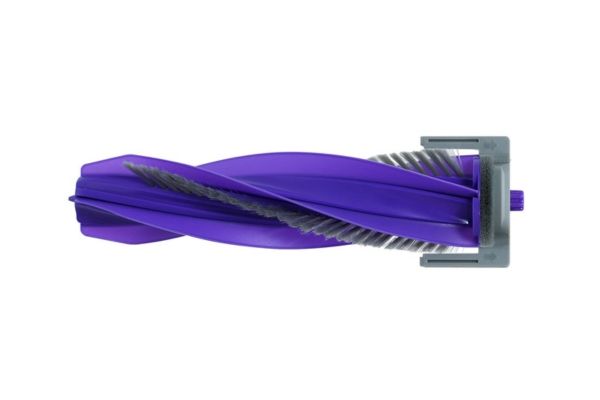
A vacuum beater bar is a rotating brush located at the bottom of many vacuum cleaners. It has stiff bristles designed to agitate carpet fibers and loosen dirt. This tool is especially useful for deep cleaning carpets and rugs where dust and debris hide.
Think of it as your vacuum’s secret weapon against stubborn dirt. Without a beater bar, your vacuum might only skim the surface. The bar helps pull dirt up, making your carpet look fresher and cleaner.
How It Works
The beater bar spins quickly while the vacuum is running. Its bristles beat the carpet fibers, shaking loose dirt and dust trapped deep inside. As the bar agitates the carpet, the vacuum’s suction sucks up the dislodged particles.
Some models let you turn the beater bar on or off. This is handy when cleaning hard floors, where the bar could scatter debris instead of picking it up. Have you noticed how much better your carpet looks after using a vacuum with a beater bar? That’s the power of this simple but effective tool.

Credit: www.searspartsdirect.com
Types Of Beater Bars
Understanding the different types of beater bars can help you choose the right vacuum attachment for your cleaning needs. Each type offers unique benefits and works best on specific surfaces. Let’s break down the main categories so you can make an informed choice for your home.
Rotating Brush Bars
Rotating brush bars spin rapidly to loosen dirt and debris from carpets. They are especially effective on thick or high-pile carpets where dirt gets trapped deep within the fibers. If you’ve ever struggled to remove pet hair or ground-in dust, a rotating brush bar can make a noticeable difference.
Keep in mind, these bars require a power source to rotate, so they usually appear on powered vacuum heads. They might not be ideal for delicate rugs or hard floors, as the rotation can sometimes cause damage or scatter debris.
Fixed Beater Bars
Fixed beater bars don’t rotate but still provide strong agitation to lift dirt. They are often built with sturdy brushes or rubber paddles that beat the carpet fibers as you push the vacuum forward. This simple design means fewer moving parts, which can translate to less maintenance for you.
If your priority is durability and straightforward cleaning on medium-pile carpets, a fixed beater bar might suit your style. They also work well on hard floors without the risk of scratching.
Hybrid Models
Hybrid beater bars combine features from both rotating and fixed types. They may include rotating brushes that can be turned off, or adjustable settings to switch between agitation modes. This flexibility lets you tailor your vacuum’s performance to different surfaces.
Imagine cleaning a mixed-floor home without swapping tools—hybrid models give you that convenience. Have you considered whether your vacuum cleaner can adapt to your cleaning habits? A hybrid beater bar might just be the answer.
Benefits For Carpet Cleaning
Vacuum beater bars bring many benefits for cleaning carpets. They help lift dirt and dust trapped deep inside carpet fibers. This tool makes vacuuming more effective, leaving carpets cleaner and fresher. Using a beater bar improves the overall health and look of your carpet over time.
Deep Dirt Removal
Beater bars use fast spinning brushes to shake loose dirt. They reach deep into carpet fibers where regular vacuuming misses. This action removes embedded dust, crumbs, and debris effectively. The result is a more thorough clean that refreshes your carpet.
Improved Carpet Appearance
The beating action lifts carpet fibers, making them look fluffy and full. This restores the carpet’s original texture and color. Carpets appear brighter and more inviting after using a vacuum with a beater bar. It helps maintain the carpet’s new look for longer.
Allergen Reduction
Beater bars help remove allergens hidden deep in carpets. Dust mites, pet dander, and pollen get dislodged and sucked up easily. This reduces allergy triggers in your home environment. Cleaner carpets mean healthier air and a safer space for sensitive individuals.
Choosing The Right Beater Bar
Choosing the right beater bar for your vacuum cleaner can make a significant difference in cleaning performance. Not all beater bars are created equal, and picking one that matches your needs helps you get the most out of your vacuum. Let’s break down what you should consider before making a choice.
Carpet Types Compatibility
Your carpet type affects which beater bar works best. Some beater bars have stiff bristles designed to dig deep into thick, plush carpets, while others have softer bristles for delicate rugs.
If you have a high-pile carpet, a beater bar with adjustable height and softer bristles prevents damage. For low-pile or hard floors, a bar with firmer bristles offers better dirt pickup without scratching surfaces.
Ask yourself: Is your carpet delicate or rugged? Choosing the right bristle stiffness ensures effective cleaning without wear and tear.
Vacuum Model Considerations
Not every beater bar fits every vacuum model. Some are designed specifically for certain brands or models, so compatibility is key.
Check your vacuum’s manual or manufacturer’s website for recommended beater bars. Using an incompatible bar can reduce suction power or cause motor strain.
If you recently upgraded your vacuum, make sure the beater bar matches the motor’s speed and size. This ensures smooth operation and avoids unnecessary repairs.
Maintenance Needs
Beater bars require regular cleaning to keep working well. Some models are easier to remove and clean than others.
Consider how often you’re willing to maintain your vacuum. A beater bar with quick-release features saves time and hassle.
Also, look for bars made with durable materials that resist hair and debris buildup. You want to avoid frequent replacements or complicated upkeep.
Common Issues And Fixes
Vacuum beater bars are essential for deep cleaning carpets, but they can face a few common problems that reduce their effectiveness. Recognizing these issues early helps you maintain your vacuum’s performance. Let’s look at some typical problems and how you can fix them quickly.
Clogs And Blockages
Have you noticed your vacuum losing suction or picking up less dirt? Clogs in the beater bar or hose are often the cause. Hair, threads, and debris can wrap around the bar or get stuck inside the tube, blocking airflow.
To fix this, switch off and unplug your vacuum first. Remove the beater bar and clear away any tangled hair or fibers using scissors or your fingers. Check the hose and nozzle for blockages and clear them with a flexible brush or a broomstick. Regular cleaning prevents buildup and keeps suction strong.
Brush Wear And Tear
Your vacuum’s beater bar brushes can wear down over time, reducing their ability to agitate and lift dirt. If the bristles look thin, bent, or missing, it’s time to replace the brush. Worn brushes mean less effective carpet cleaning.
Look for replacement brushes specific to your vacuum model. Installing a new beater bar brush is usually straightforward—most just snap or screw into place. Keep an eye on brush condition every few months to avoid frustrating cleaning results.
Noise Problems
Strange noises during vacuuming can signal issues with the beater bar. A rattling or grinding sound often means the bar is loose, misaligned, or the bearings are worn out. Ignoring these sounds can lead to bigger damage.
Inspect the beater bar for loose parts and tighten any screws or fittings. If the noise persists, check the bearings or motor belt and replace them if needed. Quiet operation means your vacuum is running smoothly and efficiently.
Tips For Effective Use
Using a vacuum beater bar effectively can make a big difference in how clean your carpets look and last. It’s not just about turning it on and moving it around; there are smart ways to get the best results without causing harm. Here are some tips to help you use your vacuum beater bar with confidence and care.
Optimal Settings
Adjust your vacuum’s beater bar speed and height according to the carpet type. Too high a speed can damage delicate fibers, while too low might not pick up dirt efficiently.
Experiment with the settings on a small carpet patch first to see what works best. Have you checked if your vacuum has different modes for rugs and hard floors? Using these modes can protect your floors and improve cleaning power.
Regular Cleaning
Keep the beater bar free from hair, threads, and debris to maintain its effectiveness. A clogged beater bar reduces suction and can strain your vacuum motor.
Make it a habit to inspect and clean the bar after every few uses. You’ll notice a difference in performance and your vacuum will last longer.
Avoiding Carpet Damage
Don’t press too hard or stay in one spot for too long; this can wear down carpet fibers or create unwanted grooves. Move the vacuum gently and steadily.
If your carpet is delicate or antique, consider turning off the beater bar or using a softer brush attachment. Have you ever felt your carpet fibers becoming rough after vacuuming? That’s a sign to adjust your approach.
Alternatives To Beater Bars
Vacuum beater bars help remove dirt by beating carpet fibers. Some carpets or floors need gentler tools. Many alternatives work well without a beater bar. These tools clean different surfaces safely and effectively. Explore options that fit your cleaning needs and floor types.
Brushless Vacuum Heads
Brushless vacuum heads use suction without a spinning brush. They prevent damage to delicate carpets and rugs. These heads work well on low-pile carpets and hard floors. They reduce the risk of tangling hair or fibers. Easy to maintain and gentle on surfaces.
Hard Floor Attachments
Hard floor attachments come with soft bristles or pads. They clean tiles, hardwood, and laminate floors carefully. These tools avoid scratching or scuffing delicate surfaces. They often include wheels for smooth movement. Perfect for homes with mixed floor types.
Handheld Options
Handheld vacuums offer portability and precision cleaning. Great for stairs, upholstery, and tight spaces. Many models come with specialized nozzles and brushes. They allow focused cleaning without heavy equipment. Ideal for quick cleanups and spot removal.

Credit: www.amazon.com.au
Frequently Asked Questions
What Is A Vacuum Beater Bar Used For?
A vacuum beater bar helps loosen dirt and debris from carpets. It agitates fibers, making vacuuming more effective. This tool improves carpet cleaning by reaching deep into fibers.
How Does A Vacuum Beater Bar Work?
It rotates rapidly, beating carpet fibers to dislodge dirt. The motion lifts dust and debris, allowing the vacuum to suction them effectively. This results in a deeper clean than suction alone.
Can A Vacuum Beater Bar Damage Carpets?
When used properly, it is safe for most carpets. However, excessive force or using it on delicate carpets may cause wear. Always check your carpet type before use to avoid damage.
Are Vacuum Beater Bars Included With All Vacuums?
Not all vacuums come with beater bars. Some models offer them as attachments or accessories. Check product details to confirm if a beater bar is included.
Conclusion
A vacuum beater bar helps remove dirt and dust from carpets. It works by beating the carpet fibers to loosen debris. This tool makes vacuuming more effective and faster. Using a vacuum with a beater bar keeps your home cleaner.
It is especially good for thick or high-pile carpets. Remember to check your vacuum settings to avoid damage. Understanding what a vacuum beater bar does can improve your cleaning routine. Simple, effective, and useful for many homes.