Ever noticed that little attachment on your outdoor faucet and wondered what it’s for? That’s a vacuum breaker on your hose bib, and it’s more important than you might think.
You might be asking yourself, why should I care about this tiny device? Well, understanding its role can save you from potential plumbing headaches and keep your water supply safe. Curious to know how? Let’s dive into the details and uncover why this small component is a big deal for your home’s plumbing system.
Stick around, because what you discover might just change the way you view your garden hose setup forever.
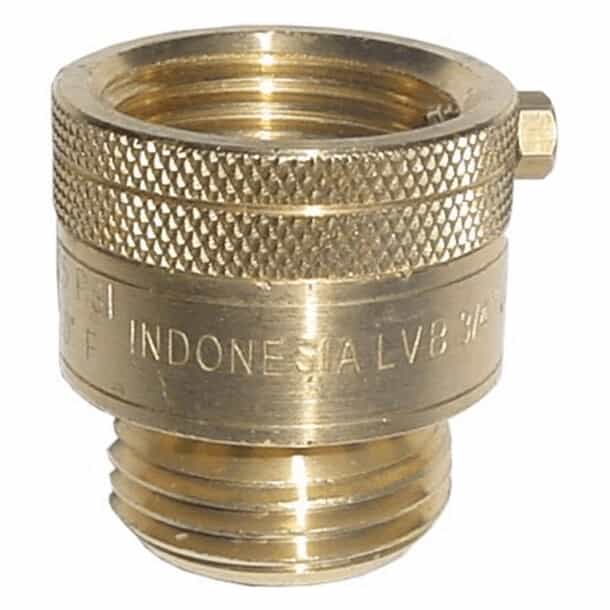
Credit: www.homehardware.ca
Vacuum Breaker Basics
A vacuum breaker on a hose bib is a small but vital device. It protects your water supply from contamination. This simple tool stops dirty water from flowing backward into clean pipes. Understanding how it works helps you see its importance in everyday use.
Purpose And Function
A vacuum breaker prevents backflow of water into your home’s plumbing. Backflow can bring harmful bacteria or chemicals into clean water. The device keeps your water safe and healthy. It is usually installed on outdoor faucets or hose bibs. This ensures garden hoses or sprinkler systems do not pollute the water supply.
How It Works
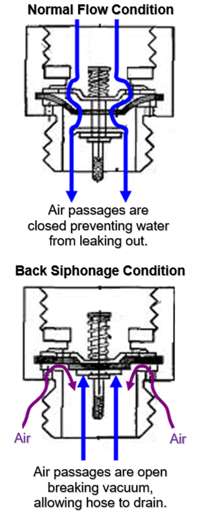
The vacuum breaker allows air into the pipe when water flow stops. This air breaks the vacuum that can suck water backward. Inside, a small valve opens to let air in. When water flows normally, the valve stays closed. The valve only opens if negative pressure appears, preventing back siphonage. This simple action keeps water flowing in one direction only.
Importance For Hose Bibs
Understanding the importance of a vacuum breaker on a hose bib can save you from costly water contamination and plumbing issues. This small device plays a crucial role in maintaining the safety and integrity of your water supply. Let’s look at why it’s essential for your outdoor water connections.
Preventing Backflow
Have you ever wondered what keeps dirty water from flowing back into your clean water supply? A vacuum breaker stops this by allowing air to enter the hose bib when water flow slows or stops. This breaks any vacuum that could pull contaminated water backward.
Without a vacuum breaker, substances like fertilizers, pesticides, or even garden debris could enter your home’s water system. This risk isn’t just theoretical—many homeowners have faced serious plumbing repairs after backflow contamination. Protecting your water starts with preventing backflow at the source.
Protecting Water Supply
Your water supply is more vulnerable than you might think. Even a small leak or pressure drop can cause back-siphoning, pulling unsafe water into your pipes. A vacuum breaker acts as a shield, ensuring that outdoor hoses don’t compromise the quality of your drinking water.
Installing a vacuum breaker is a simple step that guards against costly health hazards and plumbing damage. It’s an easy way to keep your water safe and your mind at ease, especially if you frequently use fertilizers or chemicals in your garden.
Types Of Vacuum Breakers
Vacuum breakers come in different types, each designed to stop water from flowing backward into your clean water supply. Choosing the right one for your hose bib can protect your home’s plumbing and maintain water safety. Understanding the differences can help you decide which vacuum breaker fits your needs best.
Atmospheric Vacuum Breakers
Atmospheric vacuum breakers are simple devices that allow air into the water line to break the vacuum. They don’t need pressure to work and usually install right after the hose bib. These are perfect for low-pressure systems but shouldn’t be used where water flows continuously for long periods.
Pressure Vacuum Breakers
Pressure vacuum breakers handle higher pressure and can be installed where water flows constantly. They use a spring-loaded valve to open and let air in when negative pressure occurs. If your irrigation system runs for a while, this type offers better protection against backflow.
Anti-siphon Valves
Anti-siphon valves combine vacuum breaking with a built-in check valve to prevent backflow in both low and high-pressure scenarios. They’re often used in outdoor faucets and hose bibs where you attach sprinklers or hoses. Have you checked if your hose bib has one? It might already be keeping your water safe without you realizing it.

Credit: www.pmmag.com
Installation Tips
Installing a vacuum breaker on your hose bib is crucial for preventing backflow and keeping your water supply safe. However, a proper installation ensures it works effectively without leaks or damage. Paying attention to placement and having the right tools on hand can save you time and frustration.
Proper Placement
Place the vacuum breaker directly on the hose bib, close to the water source. This location ensures any potential backflow is stopped before it reaches your home’s plumbing. Avoid installing it far from the bib or after any hose connectors, as this can reduce its effectiveness.
Make sure the vacuum breaker is upright and level. Installing it at an angle can cause malfunctions or water leakage. Check that it’s easily accessible for future maintenance or replacement—this makes your life easier.
Tools And Materials Needed
Gather the right tools before you start to avoid interruptions. You’ll need:
- Adjustable wrench or pliers
- Thread seal tape (Teflon tape)
- Vacuum breaker compatible with your hose bib size
- A clean cloth for wiping threads
Using thread seal tape on the hose bib threads helps create a watertight seal. Wrap the tape clockwise around the threads two to three times before screwing on the vacuum breaker. This simple step can prevent leaks and save you from extra repairs later.
Maintenance And Troubleshooting
Maintenance and troubleshooting are key to keeping a vacuum breaker on a hose bib working well. Regular care prevents water contamination and system damage. Quick fixes save time and money. Knowing how to check and solve common problems helps maintain safe water flow.
Regular Inspection
Check the vacuum breaker every few months. Look for cracks, leaks, or wear on the device. Make sure it is tightly attached to the hose bib. Clean away dirt or debris that may block the valve. Test by running water and watching for proper flow. Replace any damaged parts immediately to avoid failure.
Common Issues And Fixes
- Leaking:Tighten connections or replace worn washers to stop leaks.
- Backflow:Clean or replace the internal valve if water flows backward.
- Sticking Valve:Remove debris or mineral buildup using vinegar or mild cleaner.
- Cracks or Damage:Replace the entire vacuum breaker to ensure safety.
Legal And Safety Requirements
Understanding the legal and safety requirements for vacuum breakers on hose bibs is essential. These devices prevent contaminated water from flowing back into the clean water supply. Laws and rules ensure proper installation and protect public health. Ignoring these requirements can lead to water pollution and legal penalties.
Local Plumbing Codes
Local plumbing codes set the rules for installing vacuum breakers. These codes vary by city or state. They often require vacuum breakers on outdoor faucets to stop backflow. Compliance with these codes avoids fines and ensures safe water use. Plumbers and homeowners must follow these regulations carefully.
Health And Safety Standards
Health standards focus on preventing water contamination. Vacuum breakers are key to meeting these standards. They stop dirty water from mixing with drinking water. Public health agencies may inspect systems to check compliance. Using approved vacuum breakers helps protect families and communities.
Choosing The Right Vacuum Breaker
Choosing the right vacuum breaker for your hose bib is essential to protect your water supply from contamination. The right choice ensures safety, durability, and ease of use. Let’s look at two key factors that can help you decide which vacuum breaker fits your needs best.
Compatibility With Hose Bibs
Not all vacuum breakers fit every hose bib. You need to check the size and type of your hose bib before buying a vacuum breaker. Most hose bibs are either threaded or compression type, so matching the connection style is crucial.
Material compatibility matters, too. Brass vacuum breakers work well with metal hose bibs, while plastic ones are better suited for plastic bibs. Have you measured the threads on your hose bib lately? A simple tape measure or ruler can save you from a costly mismatch.
Budget Considerations
Your budget can guide your choice but don’t let it limit your safety. Basic vacuum breakers are affordable and reliable for most home uses. However, higher-priced models often offer better durability and longer warranties.
Think about how often you use your hose bib. If it’s daily, investing in a higher-quality vacuum breaker can save money on replacements. Would you rather replace a cheap device every year or spend a bit more once and forget about it for years?

Credit: www.amazon.ca
Frequently Asked Questions
What Is A Vacuum Breaker On A Hose Bib?
A vacuum breaker is a device that prevents backflow of contaminated water into the main supply. It protects drinking water from pollutants by stopping siphoning when water pressure drops.
Why Is A Vacuum Breaker Important For Hose Bibs?
It ensures safe water by stopping dirty water from flowing back. This prevents contamination and maintains clean, potable water in your plumbing system.
How Does A Vacuum Breaker Work On A Hose Bib?
It uses a valve that opens to let air in when water pressure drops. This breaks the vacuum and stops dirty water from being sucked back.
Can I Install A Vacuum Breaker Myself?
Yes, many vacuum breakers are easy to install with basic tools. Make sure to follow manufacturer instructions and local plumbing codes for proper installation.
Conclusion
A vacuum breaker on a hose bib stops dirty water from flowing back. It keeps water safe and clean. This small device helps protect your home’s water supply. Installing one is simple and smart. It works without any extra power or tools.
Everyone who uses a hose should think about adding it. Clean water matters, and a vacuum breaker helps ensure that. Don’t overlook this easy way to protect your family’s health. A little effort goes a long way.