Imagine you’re working on a construction site, trying to dig around delicate underground utilities without damaging anything. Sounds tricky, right?
That’s where a vacuum excavator comes in. This incredible machine is designed to make excavation safer and more efficient by using powerful suction to remove soil and debris. But why should you care about vacuum excavators? Because understanding how they work can save you time, money, and a whole lot of headaches on your projects.
Dive deeper into this article to discover how a vacuum excavator can transform the way you approach digging tasks, and learn why it’s becoming an essential tool in the industry. Your next big project might just depend on it!
Vacuum Excavator Basics
A vacuum excavator is a machine used to dig and move soil or debris safely. It uses air or water to loosen the ground and then sucks up the material. This process is less likely to damage underground utilities than traditional digging methods. Vacuum excavators work in many industries, such as construction and utility maintenance. Understanding how these machines work helps to see their benefits and uses.
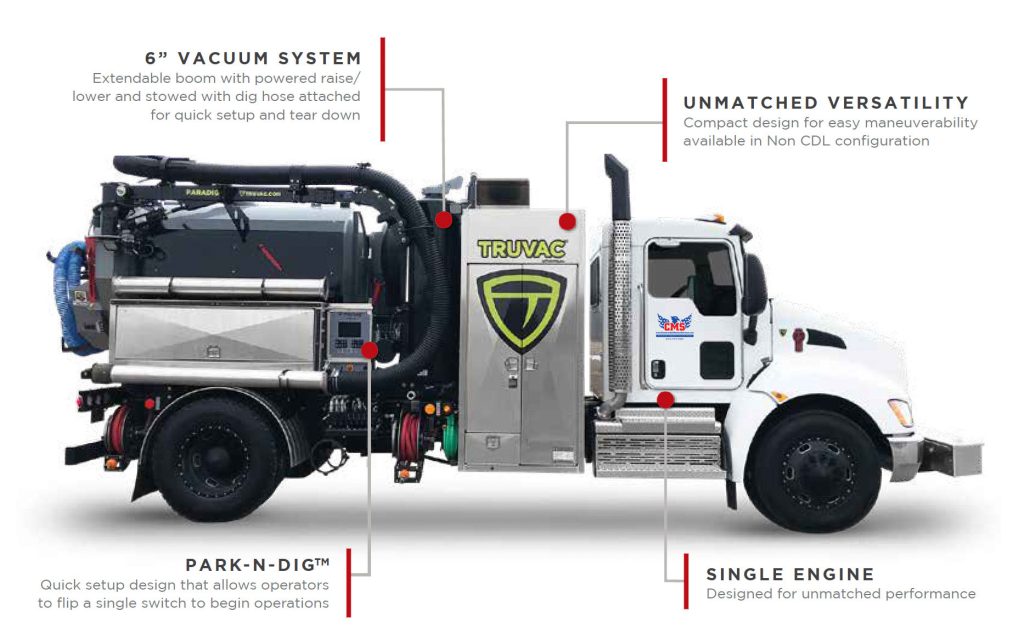
How Vacuum Excavators Work
Vacuum excavators create a strong suction to remove soil or debris. They use compressed air or water to break up the ground. The loose material is then sucked into a tank. This method avoids heavy digging tools that might damage pipes or cables. Operators guide the suction hose to the target area. The process is precise and fast. It also reduces the risk of accidents near underground lines.
Types Of Vacuum Excavators
- Air Vacuum Excavators:Use high-pressure air to loosen soil and vacuum it up.
- Hydro Excavators:Use high-pressure water to break up the ground before suction.
- Combination Excavators:Can switch between air and water methods depending on the soil type.
Each type suits different soil conditions and job needs. Air vacuum excavators work well in dry soil. Hydro excavators are better for clay or harder soils.
Key Components
- Suction Hose:The main tool for sucking up soil and debris.
- Water or Air Pressure System:Breaks up the soil before suction.
- Vacuum Tank:Stores the collected material safely.
- Control Panel:Lets the operator manage suction power and pressure.
- Engine:Powers the entire system, usually diesel or electric.
These parts work together to ensure safe and effective excavation. Regular maintenance keeps the machine working well.

Credit: constructionmastersservices.com
Benefits Of Vacuum Excavation
Vacuum excavation offers several clear benefits that can change how you approach digging and trenching tasks. It’s not just about digging faster; it’s about doing it smarter, safer, and with less impact on the environment. Understanding these advantages can help you decide if vacuum excavation fits your project needs.
Safety Advantages
Vacuum excavation reduces the risk of damaging underground utilities like gas lines and cables. Traditional digging methods rely heavily on manual labor or heavy machinery, which can accidentally cause dangerous strikes.
With vacuum excavation, you use high-powered suction to remove soil carefully, keeping underground utilities intact. This method lowers the chance of accidents, protecting both workers and nearby residents.
Environmental Impact
Vacuum excavation minimizes ground disturbance by targeting only the specific area where digging is necessary. This precision means less damage to surrounding vegetation and soil structure.
It also reduces the amount of waste soil and debris, making cleanup easier and more eco-friendly. If you care about preserving the environment around your site, vacuum excavation offers a cleaner, greener solution.
Cost Efficiency
You might think specialized equipment means higher costs, but vacuum excavation often saves money overall. Faster excavation times and fewer utility damages translate to less downtime and fewer repair expenses.
Moreover, because it reduces the need for extensive restoration work after digging, you save on labor and material costs. Have you considered how much your project budget could improve by avoiding unexpected delays and repairs?
Applications In Various Industries
Vacuum excavators have carved out a vital role across multiple industries. Their ability to safely and efficiently remove soil and debris without damaging underground utilities makes them indispensable. Let’s look at how different sectors put this technology to work and why it might be the right tool for your next project.
Utility And Construction
In utility and construction, vacuum excavators are essential for digging around underground pipes and cables. They reduce the risk of damaging critical infrastructure, which can lead to costly repairs and dangerous outages.
Workers use these machines for precise potholing, exposing utilities with minimal disruption. This precision keeps projects on schedule and helps you avoid unexpected downtime.
Landscaping And Maintenance
Landscapers rely on vacuum excavators to prepare sites without harming existing plants or irrigation systems. These machines clear away soil and debris quickly, making it easier to install new features or maintain current ones.
Imagine being able to remove tree roots or clean out drainage systems without heavy digging tools. This reduces damage and saves time, letting you focus on enhancing your outdoor space.
Emergency And Repair Work
In emergency situations like gas leaks or water main breaks, speed and safety are critical. Vacuum excavators help crews uncover damaged areas quickly without causing further harm.
This fast response can prevent accidents and limit service interruptions. If you’re ever managing an urgent repair, having access to a vacuum excavator could make all the difference in how smoothly the job goes.

Credit: trenchlesstechnology.com
Safety Tips For Operators
Operating a vacuum excavator demands strict attention to safety. Your well-being and the success of the job depend on how carefully you prepare and handle the equipment. Ignoring safety can lead to costly mistakes or serious injuries, so it’s crucial to know the right steps before and during operation.
Pre-operation Checks
Start by inspecting your vacuum excavator thoroughly. Check hoses for cracks or leaks and ensure all connections are secure. Verify that the vacuum tank is empty and free of debris to avoid blockages.
Test the control panel and safety switches before use. Are emergency shut-offs functioning correctly? Confirm that all warning lights and alarms work as expected to keep you alert during operation.
Proper Handling Techniques
Always maintain a firm grip on the wand to control suction power and direction precisely. Move slowly and deliberately to prevent sudden pressure changes that could damage underground utilities.
Wear protective gear like gloves and eye protection. This minimizes the risk of injury from flying debris or accidental contact with sharp objects hidden in the soil.
Common Hazards To Avoid
- Never operate near live electrical lines without proper clearance and safety measures.
- Avoid working on unstable ground to prevent tipping or equipment damage.
- Watch out for underground utilities marked by local services—striking a pipe or cable can be dangerous and expensive.
Have you ever paused to consider what could go wrong if you skip these safety steps? Taking the time to prepare can save you from downtime and serious accidents.
Choosing The Right Equipment
Choosing the right vacuum excavator is key to completing your job safely and efficiently. Different projects need different equipment sizes, power sources, and features. Picking the right model saves time and reduces costs. It also improves safety on the site.
Size And Capacity Considerations
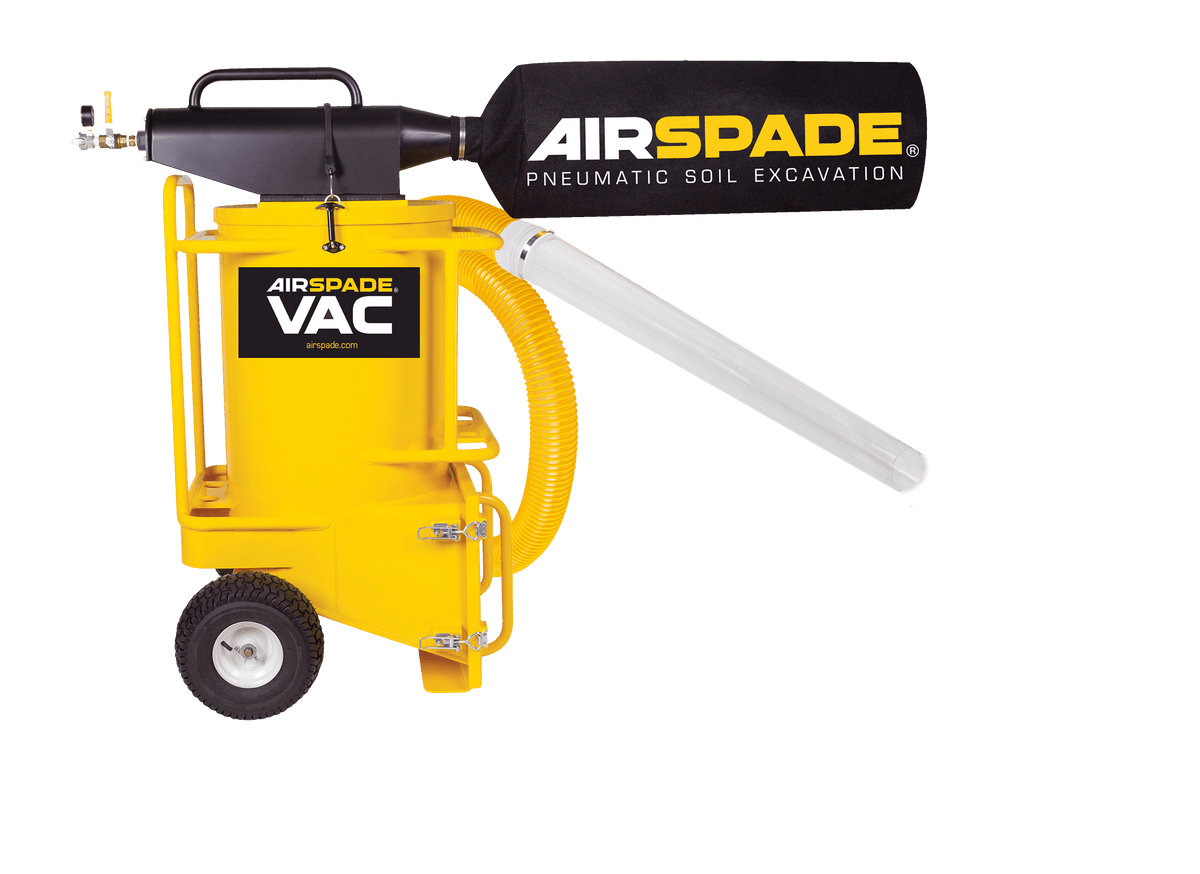
Size matters in vacuum excavation. Larger tanks hold more debris, reducing trips to empty the load. Smaller units fit into tight spaces and are easier to move around. Think about the type of soil and job size. This helps pick the best tank volume and hose diameter. Capacity must match the work demand for smooth operation.
Power Source Options
Vacuum excavators come with different power options. Diesel engines offer strong suction and long work hours. Electric models run quieter and produce less pollution. Battery-powered units are portable and good for indoor jobs. Choose a power source that fits your site conditions and environmental rules. Fuel availability and noise limits also affect the choice.
Additional Features
Extra features add value and improve performance. Look for adjustable suction controls for delicate digs. Water tanks and pressure controls help loosen tough soil. Some models have remote controls for easier handling. Safety features like emergency shut-off switches are important. Consider features that make the work faster and safer.
Maintenance And Troubleshooting
Maintaining your vacuum excavator is key to keeping it running smoothly and avoiding costly downtime. Regular care not only extends the machine’s life but also ensures safety on the job site. Troubleshooting issues early can save you hours of frustration and unexpected repairs.
Routine Maintenance Tasks
Keep your vacuum excavator in top shape by performing these routine tasks:
- Check and clean filters daily to prevent clogging and maintain suction power.
- Inspect hoses for cracks or leaks before each use to avoid loss of pressure.
- Lubricate moving parts weekly to reduce wear and tear.
- Empty debris tanks regularly to prevent overload and maintain efficiency.
- Test the engine oil and coolant levels and refill as needed.
Simple daily checks help you catch small issues before they become big problems. Have you ever ignored a quick inspection only to face a breakdown later?
Signs Of Equipment Issues
Knowing when your vacuum excavator needs attention is crucial. Watch for these warning signs:
- Decreased suction power, which could indicate clogged filters or leaks.
- Unusual noises during operation, possibly pointing to worn-out parts.
- Overheating engines or frequent stalls, signaling cooling or fuel system problems.
- Visible damage like cracks on hoses or loose fittings.
- Smoke or strange smells coming from the machine.
Ignoring these signs often results in longer repair times. Have you ever noticed a small noise and thought it wasn’t important, only to find out it was a major issue?
Troubleshooting Common Problems
If your vacuum excavator isn’t working right, try these fixes first:
| Problem | Possible Cause | Suggested Fix |
|---|---|---|
| Low suction power | Clogged filters or damaged hoses | Clean or replace filters; check and replace hoses if needed |
| Engine overheating | Low coolant level or blocked radiator | Refill coolant; clean radiator fins to improve airflow |
| Unusual noises | Worn bearings or loose parts | Inspect bearings and tighten or replace loose components |
| Frequent stalling | Fuel contamination or clogged fuel filter | Drain and replace fuel; clean or replace fuel filter |
Have you tried a quick troubleshooting step before calling for professional help? Often, simple fixes restore your equipment fast and save money.
Future Trends In Vacuum Excavation
The vacuum excavation industry is evolving rapidly. New technologies and stricter rules shape its future. These changes aim to improve safety, efficiency, and environmental impact. Understanding these trends helps businesses stay competitive and responsible.
Technological Innovations
Advances in sensors and automation enhance vacuum excavators. Machines now detect underground utilities with higher accuracy. Remote controls and GPS improve operator precision. Data collection tools help monitor job progress and equipment health. These tech improvements reduce damage and downtime.
Sustainability Improvements
Eco-friendly designs reduce fuel consumption and emissions. Electric and hybrid vacuum excavators are gaining popularity. Recycling of excavated materials limits waste. Noise reduction technologies create quieter work environments. These efforts support greener construction and maintenance projects.
Industry Regulations
Rules for excavation safety are becoming stricter worldwide. Compliance with utility marking standards is mandatory. Operators must follow guidelines to protect workers and infrastructure. Training programs focus on safe and efficient vacuum excavation. Adhering to regulations reduces accidents and legal risks.
Credit: www.airspade.com
Frequently Asked Questions
What Is A Vacuum Excavator Used For?
A vacuum excavator safely removes soil using high-pressure air or water. It exposes underground utilities without damage. It is widely used in construction, utilities, and environmental cleanup.
How Does A Vacuum Excavator Work?
It uses a powerful vacuum to suck debris into a tank. Air or water loosens soil, which is then collected. This method is non-destructive and precise.
What Are The Benefits Of Vacuum Excavation?
Vacuum excavation reduces utility strikes and project downtime. It is safer, faster, and environmentally friendly. It also minimizes surface damage compared to traditional digging.
Is Vacuum Excavation Better Than Traditional Digging?
Yes, vacuum excavation is safer and more accurate. It avoids damage to underground infrastructure. It is cost-effective by reducing repair and labor costs.
Conclusion
A vacuum excavator uses suction to dig safely and cleanly. It works well near underground pipes and cables. This tool reduces damage and speeds up work on sites. Operators can dig with less effort and more control. Using a vacuum excavator helps keep projects safe and efficient.
It is a smart choice for many digging tasks. Understanding its benefits can improve your work results. Simple, safe, and effective—that sums up this machine.