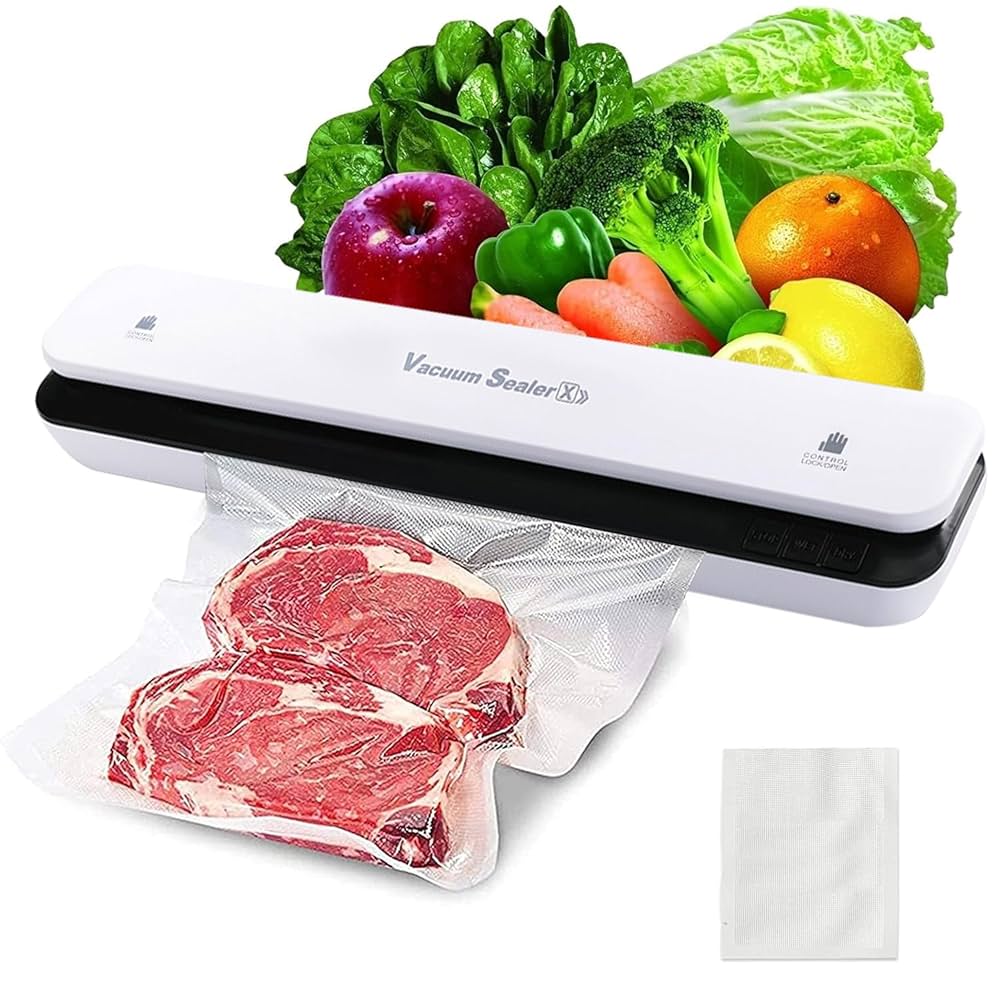
Imagine opening a bag of chips, only to find them stale and disappointing. It’s a frustrating experience, right?
But what if there was a way to keep your snacks, meats, and other perishables fresh for much longer? Enter the magic of vacuum sealing. You might have heard the term, but do you really know what a vacuum seal is and how it can benefit you?
This simple yet powerful technique could be the game-changer for your kitchen, saving you money and reducing food waste. Dive into this article, and discover how a vacuum seal works, why it’s essential for modern households, and how it can transform your food storage practices. Keep reading to unlock the secret to fresher, longer-lasting food.
Vacuum Seal Basics
Understanding the basics of vacuum sealing is essential for preserving food and other items efficiently. Vacuum sealing removes air from a package, which slows down the growth of bacteria and mold. This process keeps food fresh longer and helps avoid freezer burn. It also saves space by compressing the contents tightly.
Vacuum sealing is simple but effective. It creates a tight seal that protects the contents from air, moisture, and contaminants. This method is widely used in homes, restaurants, and industries for safe storage and transport.
How Vacuum Sealing Works
Vacuum sealing starts by placing food inside a special bag or container. The machine then removes all the air from the package. Without air, bacteria and mold cannot grow easily. Next, the machine seals the bag tightly to keep air out.
This process helps keep food fresh by slowing down spoilage and oxidation. It also prevents freezer burn by stopping moisture loss. Vacuum sealing works best with dry or moist foods like meat, cheese, fruits, and vegetables.
Types Of Vacuum Sealers
- External Vacuum Sealers:These machines remove air through the bag’s open end and seal it. They are easy to use and good for home kitchens.
- Chamber Vacuum Sealers:These sealers place the whole bag inside a chamber. They remove air from the entire chamber before sealing. This method works well for liquids and delicate items.
- Handheld Vacuum Sealers:Small and portable, these sealers work with special bags. They are ideal for quick sealing tasks and travel use.

Credit: www.amazon.ca
Benefits Of Vacuum Sealing
Vacuum sealing offers several practical benefits that can transform how you store and preserve your food. It’s more than just a kitchen gadget—it’s a smart way to keep your groceries fresher, reduce waste, and save space. Let’s look at some key advantages that might change the way you think about food storage.
Extending Food Freshness
Vacuum sealing removes air, which slows down the natural process of food spoilage. Without oxygen, bacteria and mold growth are significantly reduced, helping your food last much longer. Imagine keeping fresh meat or vegetables for weeks instead of days—this means fewer trips to the store and less food thrown away.
Have you ever thrown out leftovers just because they went bad too quickly? Vacuum sealing can help you avoid that frustration by preserving flavor and texture better than regular storage methods.
Preventing Freezer Burn
Freezer burn happens when air reaches your frozen food, drying it out and ruining its taste and texture. Vacuum sealing creates an airtight barrier that protects your food from exposure to cold, dry air. This means frozen fruits, meats, and even bread stay moist and flavorful longer.
Next time you freeze leftovers, try vacuum sealing them—you might be surprised how much better they taste when reheated. It’s a simple step that can save you money and improve your meals.
Saving Storage Space
Vacuum-sealed bags shrink your food packages by removing the air around them. This compact form takes up less room in your fridge, freezer, or pantry. You can stack items more efficiently, making it easier to organize your storage areas.
Think about how much cluttered space you currently have in your freezer. Wouldn’t it be great to fit more food in the same area? Vacuum sealing helps you do exactly that, giving you more control over your kitchen space.
Materials For Vacuum Sealing
Choosing the right materials for vacuum sealing can make a big difference in preserving your food’s freshness and preventing waste. Different materials serve different needs, whether you’re storing dry goods, liquids, or bulky items. Understanding these materials helps you get the most out of your vacuum sealer and keeps your food safe longer.
Vacuum Bags And Rolls
Vacuum bags and rolls are the most common materials used for vacuum sealing. They are usually made from multi-layer plastic that is strong enough to prevent air from seeping in but flexible enough to seal tightly around food.
You can buy vacuum bags in pre-cut sizes or rolls that allow you to customize the bag size to fit your food. Rolls are especially useful if you often seal bulky or irregularly shaped items. Plus, many bags are BPA-free and safe for freezing, cooking, and even sous vide.
Have you ever noticed how some vacuum bags have textured surfaces while others are smooth? The texture helps air escape quickly during sealing, ensuring a better vacuum. This small detail can affect how long your food stays fresh.
Reusable Containers
Reusable containers designed for vacuum sealing are a great alternative to bags. These containers are made from durable plastic or glass and come with special lids that allow you to remove air with your vacuum sealer.
Using reusable containers cuts down on plastic waste and is perfect for storing leftovers or delicate foods that might get crushed in bags. They also work well for marinating, as the vacuum helps the flavors penetrate faster.
One tip from my experience: always check if your vacuum containers are dishwasher safe. This makes cleanup easier and encourages you to use them more often, saving money and reducing waste.
Vacuum Sealing For Different Foods
Vacuum sealing changes how you store different types of food, helping to keep them fresh much longer. Each food type reacts differently to vacuum sealing, so knowing the best approach can save you time and reduce waste. Let’s look at how vacuum sealing works specifically for meat, seafood, fruits, vegetables, dry goods, and snacks.
Meat And Seafood
Vacuum sealing meat and seafood locks out air, which slows down the growth of bacteria and freezer burn. You can keep beef, chicken, fish, or shrimp fresh for weeks or even months when properly sealed. I once stored salmon this way, and it tasted as fresh after two weeks as the day I bought it.
Make sure to pat the surface dry before sealing to prevent excess moisture inside the bag. You might also want to freeze the meat slightly before sealing to keep the shape intact and avoid crushing delicate cuts. This method also works great for marinating; the vacuum helps the marinade penetrate faster.
Fruits And Vegetables
Vacuum sealing fruits and vegetables helps lock in their natural moisture and nutrients, reducing spoilage. However, some produce like berries or leafy greens can get crushed easily, so freezing them first or using special vacuum bags with adjustable pressure can help. Do you ever wonder why your spinach gets slimy quickly? Vacuum sealing can delay that process significantly.
Blanching vegetables before sealing is a smart move—it stops enzymes that cause spoilage and keeps the color and texture vibrant. For fruits, freezing them before sealing helps prevent mushiness. This technique is perfect if you like to keep seasonal fruits on hand all year.
Dry Goods And Snacks
Dry goods like nuts, coffee beans, and snacks stay crisp much longer when vacuum sealed. Air is the enemy here—it causes staleness and loss of flavor. I noticed a huge difference in the crunchiness of my homemade granola after sealing it, which lasted weeks instead of days.
Seal these items in smaller portions to keep them fresh once opened. Vacuum sealing also keeps pests away, so your pantry stays cleaner. Have you checked how long your favorite snacks have been sitting open? Vacuum sealing could be the game changer for your snack stash.
Storage Tips With Vacuum Sealing
Vacuum sealing is a game-changer for food storage, but knowing how to store your sealed items properly makes all the difference. The right storage approach preserves freshness, saves space, and even helps you avoid waste. Let’s dive into some practical tips tailored to different storage spots in your home.
Freezer Storage Guidelines
Vacuum sealing extends freezer life by cutting down on freezer burn. Always label your bags with the date before freezing. This helps you keep track and avoid eating food past its best.
Lay vacuum-sealed bags flat in the freezer. This not only saves space but also speeds up thawing when you’re ready to cook. Remember, even vacuum-sealed foods won’t last forever; most meats and veggies keep well for up to 2-3 years if frozen properly.
Pantry Storage Ideas
You might think vacuum sealing is just for the freezer, but it works wonders in the pantry too. Dry goods like nuts, coffee, and grains stay crisp and fresh much longer. Just keep the sealed bags away from direct sunlight and heat sources.
Think about portion control—vacuum sealing smaller batches means you open only what you need. This prevents exposure to air and moisture, which can spoil your pantry staples quickly.
Refrigerator Storage Advice
Use vacuum sealing in the fridge to stretch the life of your deli meats, cheese, and leftovers. Sealed packages take up less space and keep odors from mixing. You’ll notice that your food smells fresher and tastes better.
For items like fresh herbs and berries, vacuum sealing helps maintain moisture without making things soggy. If you notice condensation inside the bag, pat it dry before resealing to avoid mold growth.
Common Mistakes To Avoid
Vacuum sealing is a great way to keep food fresh longer. Yet, many people make simple mistakes that reduce its effectiveness. Avoiding these common errors can help you get the best results every time. Here are key mistakes to watch out for during vacuum sealing.
Overfilling Bags
Filling bags too full blocks air removal. The vacuum sealer cannot remove all air properly. Leave enough space at the top for sealing. Overstuffed bags may not seal tightly. This leads to air leaks and spoilage.
Sealing Wet Foods Improperly
Wet foods can cause sealing problems. Moisture can stop the seal from forming well. Pat food dry before sealing to avoid this. Use paper towels or cloth to absorb extra liquid. Wet seals can break easily and let air in.
Ignoring Seal Quality
Not checking seal quality risks food freshness. A weak or incomplete seal allows air inside. Always inspect the seal line after vacuuming. If it looks uneven or loose, reseal the bag. Good seals keep food safe and fresh longer.
Vacuum Seal Maintenance
Vacuum seal maintenance keeps your sealer working well for a long time. Regular care prevents damage and ensures strong seals. Simple habits improve the machine’s life and save money. Follow easy steps to clean and fix small problems fast. Proper maintenance helps protect your food and items sealed inside.
Cleaning Your Sealer
Clean your vacuum sealer after each use. Wipe the surface with a soft, damp cloth. Avoid harsh cleaners that can damage the machine. Remove crumbs or food bits from the sealing area. Check the gasket and clean it gently to keep a tight seal. Let the sealer dry before storing it.
Troubleshooting Seal Issues
Check the sealing strip if the machine does not seal well. Look for dirt or damage that blocks proper sealing. Make sure the bag is placed correctly and flat. Avoid overfilling the bag, as it stops air removal. Test the vacuum pressure and adjust if needed. Replace worn parts to restore sealing strength.
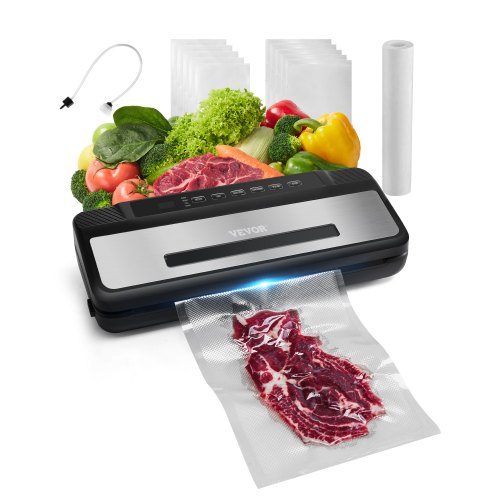
Credit: www.vevor.ca
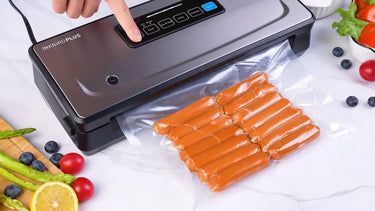
Credit: inkbird.com
Frequently Asked Questions
What Is A Vacuum Seal And How Does It Work?
A vacuum seal removes air from packaging to create a tight closure. This process slows down spoilage and preserves freshness longer by limiting oxygen exposure.
Why Use Vacuum Sealing For Food Storage?
Vacuum sealing extends food shelf life by preventing air and moisture contact. It keeps food fresh, reduces freezer burn, and saves storage space efficiently.
Can Vacuum Sealing Prevent Food Spoilage?
Yes, vacuum sealing slows spoilage by removing oxygen. This limits bacterial growth and oxidation, keeping food safer and fresher for longer periods.
What Materials Are Best For Vacuum Sealing?
Plastic bags made of polyethylene or nylon blends work best. These materials are strong, airtight, and compatible with most vacuum sealers for effective preservation.
Conclusion
Vacuum sealing keeps food fresh longer by removing air. It helps prevent freezer burn and spoilage. This method saves space and reduces waste. Vacuum sealers work well for many items. They are simple to use and cost-effective. Everyone can benefit from vacuum sealing at home.
Try it to see the difference yourself.