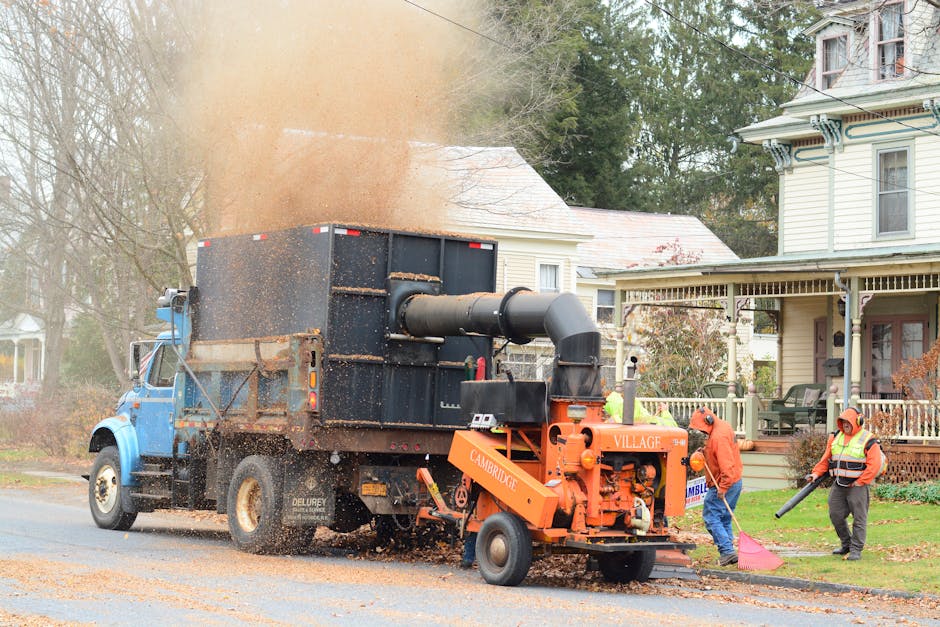
Imagine having a giant, powerful machine that can clean up almost anything, from liquid spills to thick sludge. That’s exactly what a vacuum truck does.
Whether you’re in construction, environmental services, or just curious about industrial machinery, understanding what a vacuum truck is can be incredibly useful. You might be surprised at how often these trucks come into play in everyday scenarios. You’ll discover what makes these trucks so special and how they can benefit various industries.
Stick around, and you’ll see why vacuum trucks are the unsung heroes of cleanup operations.
Vacuum Truck Basics
A vacuum truck is a specialized vehicle designed to suck liquids, sludges, and solids from various sites. It is widely used in industries like construction, sanitation, and environmental cleanup. Understanding the basics of a vacuum truck helps appreciate its role in maintaining cleanliness and safety. This section breaks down its key parts and explains how it works.
Key Components
- Vacuum Pump:Creates suction to draw materials into the tank.
- Storage Tank:Holds collected liquids, sludges, or solids securely.
- Hoses:Flexible tubes that reach into areas where material is collected.
- Control Panel:Allows the operator to manage suction power and tank functions.
- Engine:Powers the truck and vacuum pump for efficient operation.
How It Works
The vacuum pump starts and creates negative pressure inside the storage tank. This pressure difference pulls liquid or debris through the hoses. The material then moves into the tank, where it stays until emptied. Operators can control suction strength to handle different materials. Once full, the truck transports the waste to a disposal site. This process helps keep environments clean and safe.

Credit: vac2go.com
Types Of Vacuum Trucks
Vacuum trucks come in different types, each designed to handle specific tasks and materials. Understanding these types helps you choose the right equipment for your job, whether you’re dealing with liquids, solids, or a mix of both. Let’s break down the main categories to give you a clearer picture.
Wet Vacuum Trucks
Wet vacuum trucks are built to suck up liquids like water, sewage, or sludge. They use a powerful pump to create suction and store the liquid in a tank. If your work involves cleaning out septic tanks or removing floodwater, this type will be your go-to.
One thing to note: these trucks can handle some solids suspended in the liquid, but they’re not designed for dry debris. Have you ever wondered how emergency teams clean up after heavy rains? Wet vacuum trucks play a crucial role in those operations.
Dry Vacuum Trucks
Dry vacuum trucks specialize in picking up dry materials such as dust, dirt, or powders. They use a different kind of filtration system to ensure that fine particles don’t escape during suction. This makes them perfect for construction sites, factories, or any place where dry waste needs to be removed quickly.
Think about the cleanup after a demolition or a dusty road repair—dry vacuum trucks keep the air cleaner and the site safer. If you need to manage dry messes, these trucks are the ones to consider.
Combination Vacuum Trucks
Combination vacuum trucks offer the best of both worlds. They handle both wet and dry materials, making them highly versatile. These trucks can switch between liquid and solid cleanup without changing equipment, saving you time and effort.
If your projects vary from sewage removal to dry debris collection, a combination truck is a smart investment. It answers the question many operators face: How do I manage different waste types efficiently? This type offers flexibility that can adapt to many situations.
Common Applications
Vacuum trucks serve many important roles across different industries. They use powerful suction to remove liquids, sludge, and debris. Their versatility makes them essential for various cleanup and maintenance tasks.
Industrial Cleanup
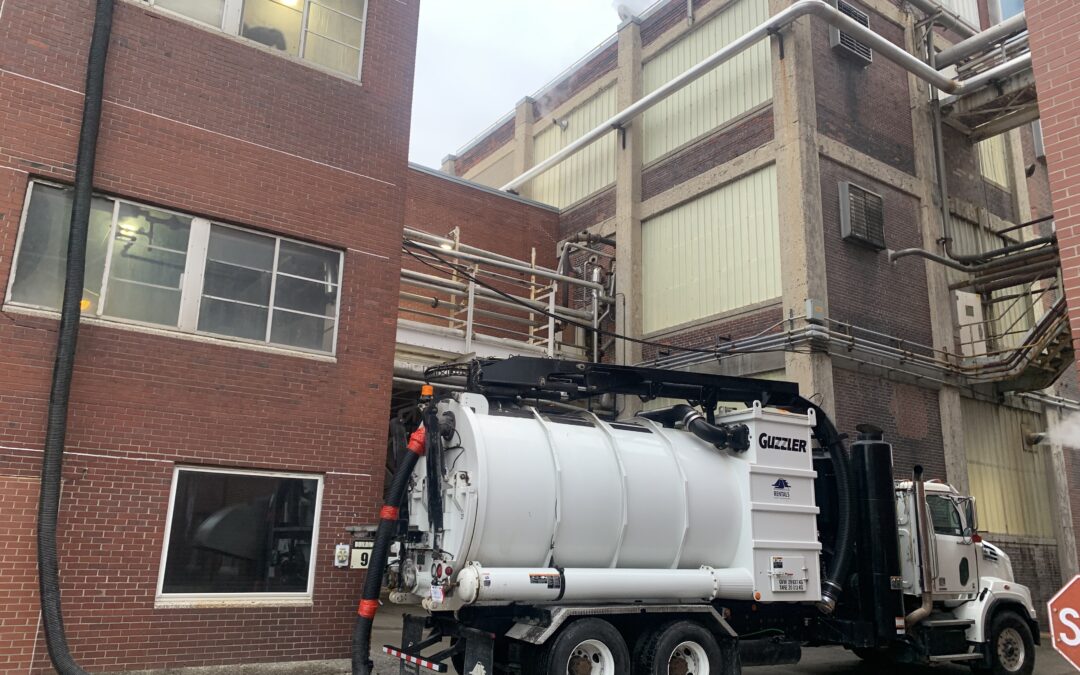
Vacuum trucks handle waste in factories and plants. They remove oil, chemicals, and sludge from tanks and pits. This keeps equipment running safely and prevents spills. They also clean machinery to avoid breakdowns and hazards.
Environmental Remediation
These trucks play a key role in cleaning polluted sites. They extract contaminated soil and water to restore the environment. Vacuum trucks also help during oil spill cleanups. Their work reduces harm to wildlife and habitats.
Municipal Services
Cities rely on vacuum trucks for sewer and storm drain cleaning. They remove blockages and debris to prevent flooding. These trucks also clean catch basins and septic tanks. Their service helps keep public spaces clean and safe.

Credit: constructionmastersservices.com
Advantages Over Traditional Methods
Vacuum trucks offer clear advantages over traditional cleaning and waste removal methods. They combine technology and power to handle tasks faster and with greater precision. Let’s look at how these benefits translate into real-world gains for your projects.
Efficiency
Vacuum trucks speed up cleanup jobs by quickly sucking up liquids, sludge, and debris in a single pass. Unlike manual or pump-based methods, they reduce downtime and labor intensity. Imagine clearing a clogged drain or removing waste from a tank in minutes instead of hours.
This efficiency means you can tackle more jobs in a day, improving your productivity. Have you ever considered how saving just a few minutes per task could add up over a week or a month?
Safety
Using a vacuum truck minimizes direct contact with hazardous materials, reducing health risks for workers. Traditional methods often require manual handling, increasing the chance of accidents or exposure to harmful substances.
These trucks also limit the need to enter confined spaces, which are dangerous and regulated environments. When safety is a priority, vacuum trucks protect your team and keep your site compliant with safety standards.
Cost-effectiveness
Though vacuum trucks may require an upfront investment, they save money over time by cutting labor costs and reducing equipment wear. Fewer workers needed on-site means lower wages and less risk of injury-related expenses.
Additionally, faster job completion frees up resources for other projects, boosting your overall business capacity. Could shifting to vacuum trucks improve your bottom line by cutting hidden costs?
Choosing The Right Vacuum Truck
Choosing the right vacuum truck can make a huge difference in how efficiently your job gets done. It’s about matching the truck’s capabilities with your specific needs, whether you’re dealing with industrial waste, septic cleaning, or environmental cleanup.
Think about what you want to achieve before making a decision. Are you handling large volumes or focused on tough suction tasks? Let’s break down the key factors that will help you pick the perfect vacuum truck for your work.
Capacity Considerations
The tank size is one of the first things you should check. Larger tanks let you work longer without emptying, which saves time on big projects.
But bigger isn’t always better. If you’re working in tight spaces, a smaller tank might be easier to maneuver. Also, consider the type of material you’ll be collecting—liquid, sludge, or dry debris—as it impacts the tank design and volume you need.
Power And Suction
Not all vacuum trucks deliver the same suction power. The vacuum pump and engine size determine how strong the suction is.
If your work involves heavy, thick materials, you’ll want a truck with high suction power to avoid clogs and delays. For lighter jobs, a less powerful pump might be enough and more fuel-efficient.
Special Features
Look for features that add convenience and safety. Some trucks come with remote controls for easier operation, while others have built-in water tanks for cleaning purposes.
Safety features like emergency shut-offs and spill containment systems can protect your team and environment. Think about what extras could make your job smoother and safer.
Maintenance Tips
Proper maintenance keeps a vacuum truck working well and safe. It helps avoid costly repairs and downtime. Regular care improves its lifespan and performance.
Follow simple steps to maintain your vacuum truck. Check parts often, clean thoroughly, and fix problems fast. These habits make the truck reliable for every job.
Regular Inspections
Inspect the vacuum truck before each use. Look for leaks, cracks, or worn parts. Check hoses, seals, and tanks carefully. Tighten loose bolts and fittings. Make sure all lights and signals work. Test the vacuum pump for strong suction. Keep a checklist to track inspection results. Early detection stops small issues from growing.
Cleaning Procedures
Clean the tank and hoses after every job. Remove sludge and debris to prevent clogs. Flush the system with water or approved cleaners. Dry all parts to avoid rust and corrosion. Clean filters regularly to keep air flow smooth. Use protective gear during cleaning for safety. Proper cleaning protects the truck and improves efficiency.
Troubleshooting Common Issues
Watch for weak suction or strange noises. Check for blockages in hoses or the tank. Inspect the vacuum pump for damage or leaks. Replace worn or broken parts immediately. Monitor engine temperature and oil levels. Fix electrical problems like faulty switches or wiring. Keep a simple troubleshooting guide handy. Quick fixes reduce downtime and keep the truck ready.
Future Trends In Vacuum Truck Technology
The future of vacuum truck technology is shaping up to be smarter, greener, and safer. As industries demand more efficient and responsible solutions, manufacturers are pushing the boundaries of what these machines can do. What could these advancements mean for your operations and the environment?
Automation And Remote Control
Automation is transforming vacuum truck operations. Imagine controlling a vacuum truck remotely, reducing the need for operators to be on-site. This not only speeds up processes but also lowers the risk of accidents in hazardous areas.
Some companies now use drones and robotic arms alongside vacuum trucks to handle difficult tasks. This technology can handle repetitive jobs with precision, freeing up your team to focus on complex problems.
Eco-friendly Innovations
Vacuum trucks are getting greener. New models feature engines that reduce emissions and fuel consumption, helping you meet stricter environmental regulations. You might also see vacuum systems designed to recycle collected materials, cutting down on waste.
Electric and hybrid vacuum trucks are no longer just concepts; they are entering the market. Could switching to these cleaner vehicles save you money on fuel while supporting your company’s sustainability goals?
Enhanced Safety Features
Safety is a top priority in vacuum truck design. Advanced sensors now monitor pressure, temperature, and other critical factors to prevent dangerous situations before they happen. These features give you real-time alerts and automatic shutdowns if something goes wrong.
Driver assistance technologies like collision avoidance and fatigue monitoring are also becoming common. These tools can protect your operators and equipment, reducing downtime and costly repairs.
Credit: www.lacostaservices.com
Frequently Asked Questions
What Is The Primary Function Of A Vacuum Truck?
A vacuum truck removes liquids, sludge, and debris using suction. It cleans septic tanks, sewers, and industrial sites efficiently.
How Does A Vacuum Truck Operate?
It uses a powerful vacuum pump to create suction. The material is drawn into a tank for safe transport and disposal.
What Industries Commonly Use Vacuum Trucks?
Industries like construction, oil and gas, waste management, and municipal services rely heavily on vacuum trucks. They handle waste and hazardous materials safely.
Are Vacuum Trucks Environmentally Friendly?
Yes, they prevent spills and contamination by safely containing waste. This minimizes environmental impact during cleanup and disposal.
Conclusion
Vacuum trucks help clean and maintain many places. They remove waste and liquids quickly and safely. These trucks work in industries like construction and sanitation. Their strong suction makes tough jobs easier. Understanding what a vacuum truck does helps you see its value.
They keep environments clean and prevent problems. Choosing the right vacuum truck improves work efficiency. Simple machines with big impacts.