
Have you ever felt overwhelmed by smoke and cooking odors wafting through your kitchen? If so, you’re not alone.
Many people struggle to keep their kitchens fresh and clean without the hassle of traditional range hoods. But what if there was a simpler solution? Enter the ventless range hood, a modern marvel designed to make your cooking experience more pleasant and efficient.
You’ll discover exactly what a ventless range hood is and why it might be the perfect addition to your kitchen. Get ready to breathe easier and enjoy cooking like never before!
Ventless Range Hood Basics
Understanding the basics of a ventless range hood can change how you think about kitchen ventilation. Unlike traditional hoods, ventless models don’t require ductwork or external vents. This makes them a popular choice in apartments, condos, or spaces where installing a vent is difficult or impossible.
These hoods work by filtering and recirculating the air back into your kitchen. This means they remove smoke, odors, and grease without pushing the air outside. Have you ever wondered how effective these systems really are compared to vented hoods?
How Ventless Range Hoods Work
Ventless range hoods use a combination of filters and fans to clean the air. First, a grease filter traps oil particles from cooking fumes. Then, the air passes through a charcoal or carbon filter that absorbs odors and smoke.
The cleaned air is then pushed back into your kitchen. Because no air leaves your home, the filters need regular cleaning or replacement to keep the hood working well. If you’ve ever experienced lingering cooking smells, it might be because the filters weren’t maintained properly.
Types Of Ventless Range Hoods
- Under-Cabinet Models:These fit directly under your kitchen cabinets and save space. They’re perfect for smaller kitchens or where you want a discreet option.
- Wall-Mounted Models:Attached to the wall above your stove, these hoods often offer more power and a stylish look. They can be a focal point in your kitchen design.
- Island Range Hoods:Designed for stoves placed in the center of a room, these hang from the ceiling. They provide ventilation without the need for wall or cabinet mounting.
Each type suits different kitchen layouts and cooking habits. What’s your kitchen setup like? Choosing the right ventless range hood depends on where you cook and how often you use your stove.

Credit: us.ciarraappliances.com
Benefits Of Ventless Range Hoods
Ventless range hoods offer several practical benefits that make them an attractive choice for many kitchens. They provide solutions where traditional venting is impossible or inconvenient. Understanding these benefits can help you decide if a ventless model suits your cooking space and lifestyle.
Space-saving Design
Ventless range hoods are compact and don’t require ductwork, freeing up valuable wall and ceiling space. This makes them perfect for small kitchens, apartments, or any area with limited space. Have you noticed how much room ducted hoods take up? Ventless options let you use that space for shelves or décor instead.
Energy Efficiency
Since ventless range hoods don’t expel air outside, they help maintain your kitchen’s temperature. This reduces the workload on your heating and cooling systems, which can lower your energy bills. Imagine cooking in winter without losing heated air—ventless hoods keep your kitchen cozy and energy-smart.
Easy Installation
You don’t need a professional to install a ventless range hood. Without the need for ducts or vents, setup is quicker and less expensive. If you’ve ever struggled with complicated kitchen upgrades, this simplicity can save you time and stress.
Air Cleaning Technologies
Ventless range hoods rely on smart air cleaning technologies to keep your kitchen air fresh without needing an external vent. These systems capture and neutralize smoke, odors, and grease right where they are produced. Understanding how these technologies work can help you pick the right ventless hood for your cooking style and space.
Charcoal Filters
Charcoal filters trap odors and harmful gases using activated carbon. This material has tiny pores that absorb smells from cooking, like burnt toast or spicy curries.
They need regular replacement to stay effective. If you cook often, changing these filters every few months is a good practice to maintain clean air.
Grease Filters
Grease filters catch airborne grease particles before they settle on your walls or counters. Usually made from metal mesh or baffles, they are easy to remove and clean.
Washing them regularly prevents buildup that could reduce your hood’s performance. Think of it as protecting your kitchen surfaces and the hood itself at the same time.
Ionizers And Uv Lights
Ionizers release charged particles that attach to airborne contaminants, making them easier to capture. UV lights kill bacteria and break down odors at a molecular level.
These technologies offer extra layers of air purification, but they work best combined with charcoal and grease filters. Do you find yourself sensitive to cooking smells? These features might make a noticeable difference for you.
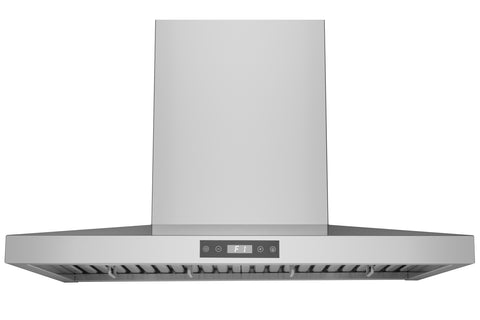
Credit: hauslane.com
Comparing Ventless And Vented Range Hoods
Choosing between ventless and vented range hoods affects kitchen air quality and comfort. Both types have unique features that suit different kitchen setups. Understanding their differences helps you pick the right hood for your cooking space.
Performance Differences
Vented range hoods remove smoke and odors by pushing air outside. This method clears the kitchen efficiently. Ventless hoods filter the air and recirculate it back inside. They use charcoal or carbon filters to reduce smells. Ventless models may struggle with heavy smoke or strong odors. Vented hoods work better in kitchens with good outside access.
Maintenance Needs
Vented hoods need duct cleaning to prevent grease buildup. Regular filter changes keep ventless hoods effective. Charcoal filters in ventless hoods must be replaced often. Vented hoods require less frequent filter replacements. Both types benefit from routine cleaning of surfaces and fan parts.
Cost Considerations
| Aspect | Vented Range Hood | Ventless Range Hood |
|---|---|---|
| Installation | Higher cost due to ductwork | Lower cost, no ductwork needed |
| Maintenance | Moderate, duct and filter cleaning | Higher, frequent filter replacement |
| Energy Use | May use more energy to vent air | Generally less energy for recirculation |
Choosing The Right Ventless Hood
Choosing the right ventless range hood matters for a clean and fresh kitchen. It controls smoke, odors, and grease without external vents. Pick one that fits your kitchen and cooking style well. Consider its size, layout, and how often you cook. Also, think about how easy it is to maintain.
Kitchen Size And Layout
Measure your kitchen space before selecting a ventless hood. A large kitchen needs a powerful hood with strong airflow. Small kitchens benefit from compact, quieter models. Check the hood’s size matches your stove or cooktop width. Consider your kitchen’s shape and where you want to install the hood. Some models fit better in corners or against walls.
Cooking Habits
Think about the food you cook most often. Frying and grilling create more smoke and grease. Steaming or boiling produces less smoke but may still cause odors. Choose a hood with a strong fan for heavy cooking. For light cooking, a basic model might work well. Frequent cooking means you need a hood that handles continuous use without noise or performance loss.
Filter Replacement Frequency
Ventless hoods use filters to trap grease and odors. Filters need regular cleaning or replacement. Check how often the manufacturer recommends changing filters. Some models have washable filters, which save money over time. Others require disposable filters, which add to maintenance cost. Choose a hood with easy-to-access filters for quick cleaning or replacement.
Maintaining Cleaner Air
Maintaining cleaner air is essential for a healthy kitchen environment. A ventless range hood helps by filtering smoke, steam, and odors. Keeping it in good condition ensures it works efficiently. Regular care prevents buildup of grease and particles that reduce air quality.
Filter Cleaning Tips
Clean the filters often to keep air flowing well. Use warm, soapy water or a mild detergent. Avoid harsh chemicals that can damage the filter. Let the filter dry completely before placing it back. For metal filters, check if they are dishwasher safe for easy cleaning.
Signs Your Hood Needs Service
Notice strange smells that linger after cooking. The fan may sound louder or weaker than usual. Visible grease buildup on the hood or filters is a warning. Airflow might feel weaker or uneven. These signs show it’s time for a professional check or deeper cleaning.
Maximizing Air Quality
- Run the hood every time you cook, even for short periods.
- Keep kitchen windows open to improve ventilation.
- Replace charcoal or carbon filters as recommended by the manufacturer.
- Clean the hood’s exterior regularly to avoid dust and grease buildup.
These simple steps help keep your kitchen air fresh and clean. Proper maintenance extends the life of your ventless range hood.

Credit: www.amazon.ca
Frequently Asked Questions
What Is A Ventless Range Hood?
A ventless range hood filters cooking air without external ducting. It uses charcoal or carbon filters to remove odors and smoke. This makes it ideal for kitchens without ventilation options. It recirculates clean air back into the room.
How Does A Ventless Range Hood Work?
It pulls in cooking fumes and passes them through filters. These filters trap grease, smoke, and odors efficiently. Clean air is then recirculated into the kitchen. This process helps maintain air quality without outdoor venting.
Are Ventless Range Hoods Effective For Odor Removal?
Yes, ventless range hoods effectively reduce cooking odors. Their carbon filters absorb and neutralize smells. However, regular filter replacement is essential to maintain performance. They work well in small to medium kitchens.
Can Ventless Range Hoods Replace Traditional Vented Hoods?
They can replace vented hoods where duct installation is impossible. However, ventless hoods may not remove heat or moisture like vented ones. They are best suited for apartments or spaces without external walls.
Conclusion
A ventless range hood removes smoke and odors without outside vents. It uses filters to clean the air inside your kitchen. This makes it ideal for apartments or homes without ductwork. These hoods are easy to install and save space.
Keep filters clean for the best performance. Choosing the right ventless hood can improve cooking comfort. It helps keep your kitchen air fresh and clear. A practical choice for many home cooks. Simple, effective, and convenient.