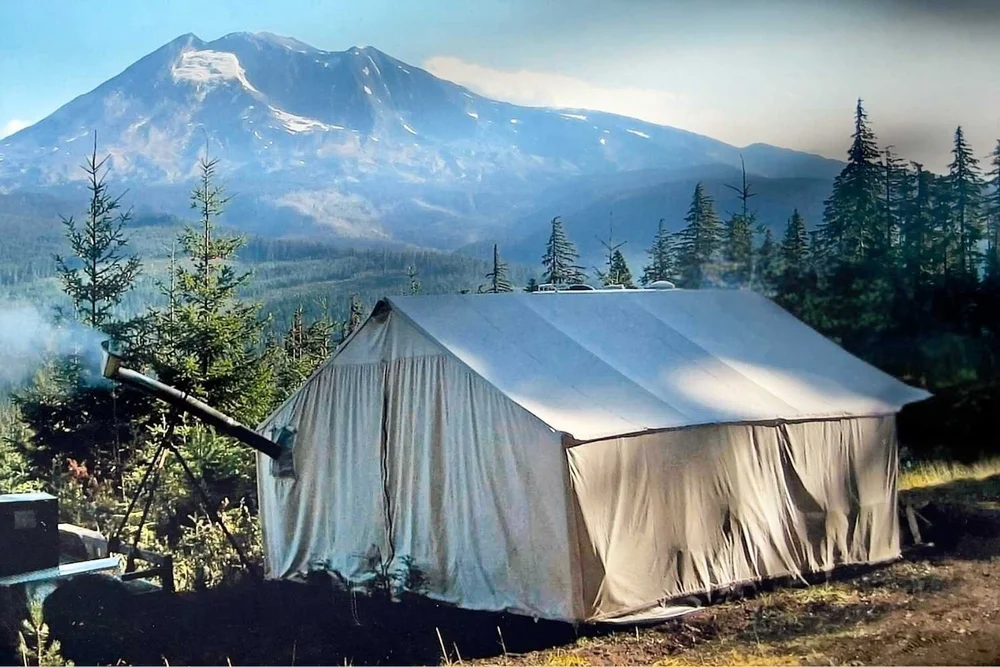
Are you looking for a tent that feels like a cozy room in the great outdoors? A wall tent might be exactly what you need.
Unlike regular camping tents, a wall tent offers more space, sturdiness, and comfort. Imagine having straight walls that give you extra headroom and plenty of room to move around inside. Whether you’re planning a hunting trip, a family camping adventure, or just want a reliable shelter, understanding what a wall tent is can change the way you camp.
Keep reading to discover how this unique tent can improve your outdoor experience and why it might be the perfect choice for your next trip.
Wall Tent Basics
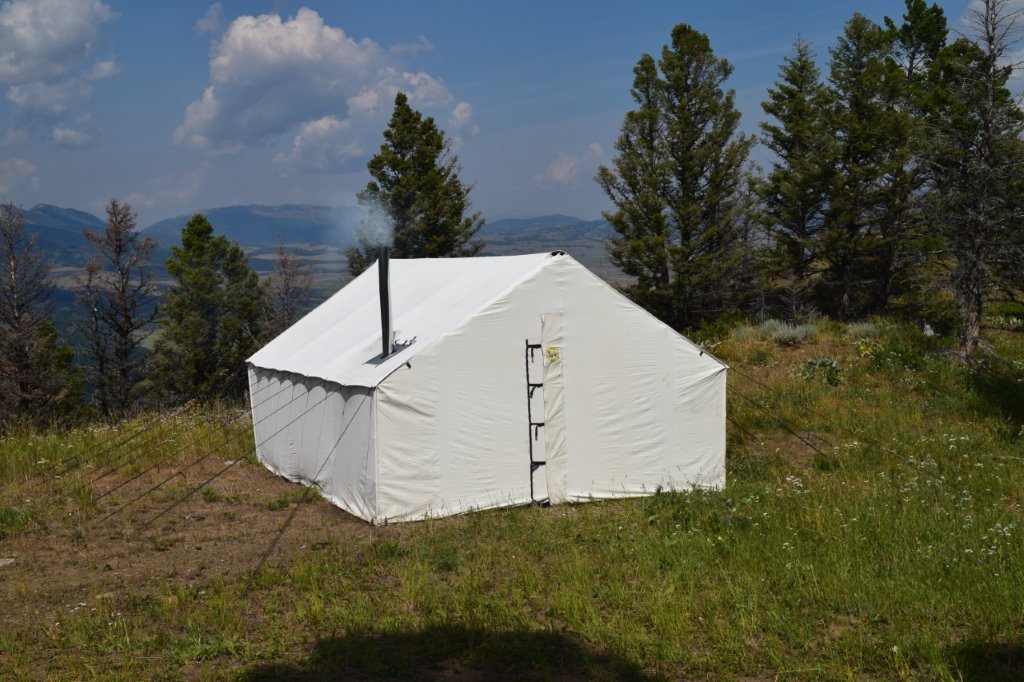
A wall tent is a large, sturdy tent with straight, vertical walls. It offers more space inside than regular tents.
People use wall tents for camping, hunting, and outdoor events because they are strong and roomy.
Key Features
Wall tents have several important features that make them useful outdoors. They have high ceilings for standing room. The walls are straight, which gives more floor space.
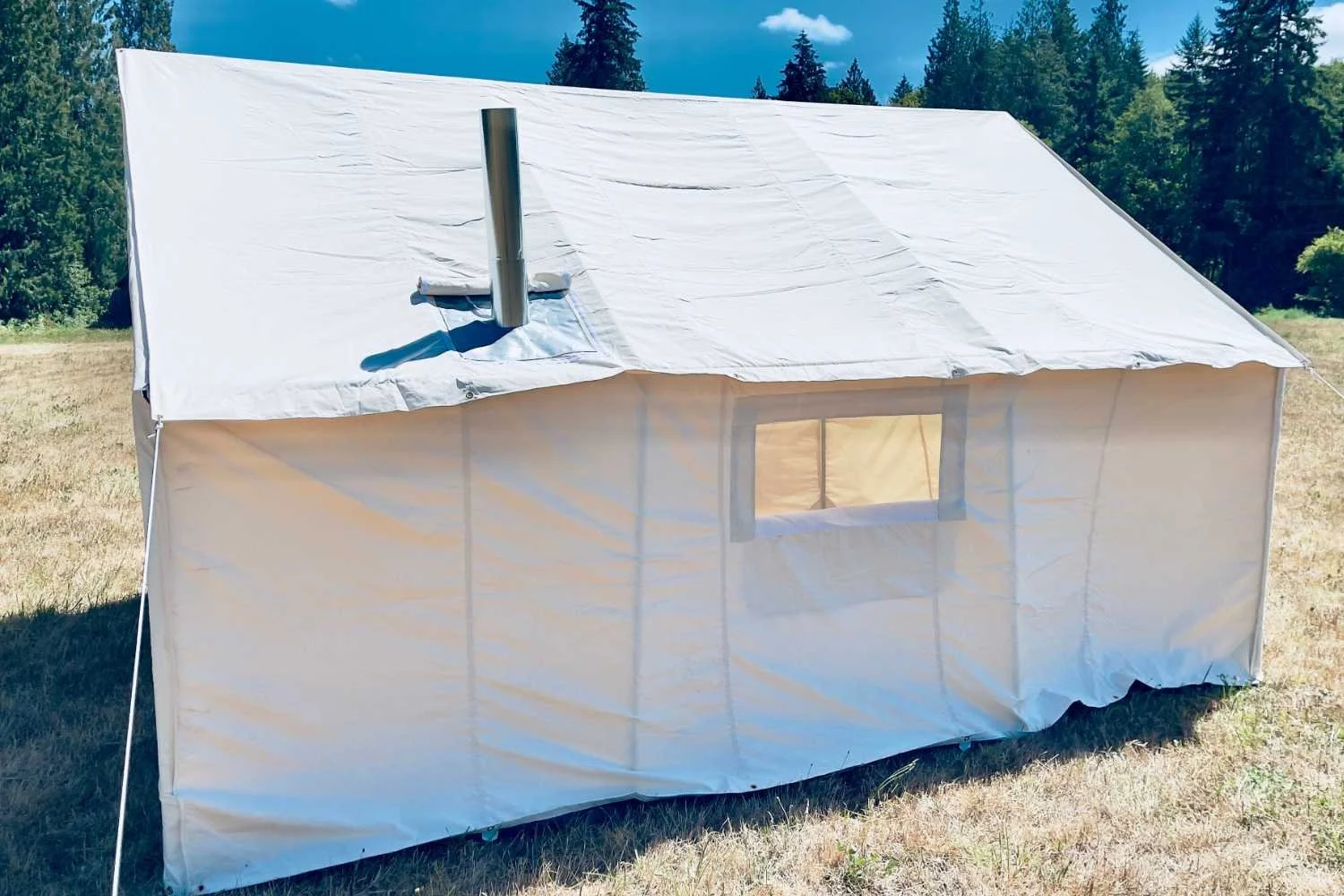
These tents usually have strong frames and thick fabric to protect from weather. They often come with windows and doors that can open or close.
- Straight, vertical walls for more space
- High ceilings for standing inside
- Strong frames to hold the tent up
- Durable fabric to resist rain and wind
- Windows and doors for ventilation
Common Materials
Wall tents are made from tough materials that last outdoors. Canvas is the most common fabric. It is heavy but very strong and water-resistant.
Some tents use treated cotton or synthetic blends to reduce weight. The frame is often made of steel or aluminum for support and durability.
- Canvas fabric for strength and water resistance
- Treated cotton for lighter weight options
- Synthetic blends for easier carrying
- Steel frames for heavy-duty support
- Aluminum frames for lighter setups
Typical Sizes
Wall tents come in various sizes to fit different needs. Sizes usually depend on the number of people and gear inside.
Common sizes range from small 8×8 feet tents to large 16×20 feet or bigger. Bigger tents offer more room for comfort and storage.
- Small: about 8 feet by 8 feet
- Medium: around 10 feet by 12 feet
- Large: 14 feet by 16 feet or more
- Extra large: 16 feet by 20 feet and up
Credit: www.walltentshop.com
Advantages Of Wall Tents
Wall tents are popular for camping and outdoor activities. They offer many benefits that attract outdoor enthusiasts.
These tents are known for their durability, spaciousness, and versatility. Let’s explore these advantages.
Durability And Weather Resistance
Wall tents are made from strong materials that withstand harsh weather. They protect against wind, rain, and snow.
- Heavy-duty canvas material
- Sturdy frame construction
- Water-resistant coatings
Spacious Interior
These tents provide ample room for campers. You can stand up and move around easily.
| Feature | Benefit |
| High ceilings | Comfortable standing space |
| Large floor area | Plenty of room for gear |
| Multiple rooms | Privacy for campers |
Versatile Uses
Wall tents are not just for camping. They serve multiple purposes, making them a versatile option.
Setting Up A Wall Tent
Setting up a wall tent takes planning and care. A good setup makes your camping comfortable and safe.
This guide covers choosing the site, assembling the tent, and gathering needed tools.
Site Selection
Pick a flat and dry spot for your wall tent. Avoid low places where water can collect. Look for a location with some natural shade.
- Check for level ground to keep the tent stable.
- Clear the area of rocks, sticks, and debris.
- Make sure the spot is away from flood zones.
- Consider wind direction to place the entrance accordingly.
- Look for nearby trees or bushes for windbreaks.
Step-by-step Assembly
Follow these steps to set up your wall tent properly. Take your time to avoid damage and ensure safety.
- Lay out the tent footprint or tarp on the ground.
- Unfold the tent and position it on the footprint.
- Assemble the frame poles and connect them.
- Raise the tent by attaching the frame to the tent body.
- Secure the tent corners with stakes driven into the ground.
- Attach and tighten the guy lines for extra stability.
- Install the rain fly or additional covers if included.
Essential Tools
Have these tools ready to make setup easier and faster. They help keep the tent secure and safe.
| Tool | Use |
| Hammer or Mallet | Drive stakes into the ground |
| Measuring Tape | Check spacing and alignment |
| Utility Knife | Cut ropes or trim fabric if needed |
| Gloves | Protect hands during assembly |
| Level | Ensure the tent frame is even |
Wall Tent Accessories
Wall tents are sturdy and spacious shelters used for camping or outdoor activities. Adding accessories makes them more comfortable and functional.
Choosing the right accessories helps you stay warm, dry, and well-lit during your stay in the tent.
Stoves And Heating Options
Heating is important in a wall tent to keep warm during cold nights. Many people use wood stoves made for tents.
These stoves are safe and efficient. Some models come with a chimney to vent smoke outside. Portable propane heaters also work well.
- Wood-burning stove with chimney pipe
- Propane or gas heaters
- Heat-resistant stove mats
- Fireproof gloves and tools
Flooring Solutions
Flooring keeps your feet dry and clean inside the tent. It also adds insulation from the cold ground.
Popular flooring options include heavy-duty tarps and interlocking foam mats. Some campers use rugs for added comfort.
- Waterproof tarps to cover the ground
- Foam or rubber interlocking mats
- Area rugs for warmth and style
- Raised wooden platforms for dry floors
Lighting And Ventilation
Good lighting helps you see inside the tent after dark. Battery-powered lanterns and string lights are common choices.
Ventilation lets fresh air in and prevents moisture build-up. Many wall tents have windows and vents that you can open or close.
- LED lanterns and string lights
- Battery or solar-powered lights
- Mesh windows for airflow
- Adjustable vents to control air
Maintenance Tips
Taking care of your wall tent helps it last longer. Regular maintenance keeps it strong and ready for use.
Focus on cleaning, fixing damages, and storing it properly to protect your investment.
Cleaning Techniques
Clean your wall tent after every trip. Dirt and moisture can damage the fabric over time.
- Use a soft brush to remove loose dirt and leaves.
- Wash with mild soap and cold water only.
- Avoid harsh chemicals or bleach on the fabric.
- Rinse well to remove all soap residue.
- Dry the tent completely before storing it.
Repairing Tears
Fix small tears quickly to prevent them from growing. Use the right tools for a strong repair.
| Damage Type | Repair Method | Materials Needed |
|---|---|---|
| Small tear | Patch with fabric tape or sew | Fabric tape, needle, thread |
| Large tear | Use heavy-duty patch and sewing | Canvas patch, strong thread, needle |
| Broken zipper | Replace zipper or use zipper repair kit | Zipper kit, sewing tools |
Storage Advice
Proper storage keeps your wall tent safe from damage and mold. Store it dry and folded well.
- Always dry the tent fully before packing.
- Fold loosely to avoid creases in the fabric.
- Store in a cool, dry place away from sunlight.
- Use a breathable storage bag to prevent moisture buildup.
- Check the tent occasionally for signs of damage or pests.

Credit: www.davistent.com
Choosing The Right Wall Tent
Wall tents are large tents with straight walls. They offer more space and comfort than regular tents. Picking the right wall tent is important for your needs.
Consider different factors before buying a wall tent. This guide covers budget, use, and materials to help you decide.
Budget Considerations
Wall tents come in many prices. Decide how much you want to spend before choosing one. More expensive tents usually last longer.
Think about the cost of extra items like stakes, poles, or a stove. These can add to the total price.
- Set a clear budget range
- Check what comes with the tent
- Plan for accessories costs
Intended Use
Think about how you will use the wall tent. Different uses need different features. Camping, hunting, or long stays all need special tents.
Choose a tent size that fits the number of people and gear. Also, consider how easy it is to set up and take down.
- Short trips need lighter tents
- Long stays need durable tents
- More people need bigger tents
- Easy setup saves time
Material Preferences
Wall tents use different fabrics. Cotton canvas is strong and breathable. Polyester tents are lighter and dry faster.
Look at waterproof ratings and how well the tent handles wind. Strong fabrics mean better protection in bad weather.
- Cotton canvas for durability and breathability
- Polyester for light weight and quick drying
- Waterproof coatings improve weather resistance
- Check for strong stitching and seams
Wall Tents Vs Other Outdoor Shelters
Wall tents are popular for camping, hunting, and outdoor activities. They offer a sturdy shelter with tall walls and a roomy interior.
This guide compares wall tents to other common outdoor shelters. It helps you decide which tent fits your needs best.
Compared To Dome Tents
Dome tents are lightweight and easy to set up. They have a rounded shape that sheds wind well but limits headroom.
Wall tents have straight walls, giving more space inside. They are heavier and take longer to set up than dome tents.
- Dome tents are better for quick trips and light loads
- Wall tents provide more comfort and standing room
- Wall tents are stronger in harsh weather
Compared To Canvas Tents
Canvas tents use heavy cotton fabric and can be any shape, including wall tents. They are breathable and durable.
Wall tents often use canvas but differ by having straight walls and a rectangular floor. Other canvas tents may have sloped sides.
- Canvas tents offer good ventilation
- Wall tents have more interior space and easier heating options
- Non-wall canvas tents may be lighter but less roomy
When To Choose Wall Tents
Choose wall tents when you need a large, strong shelter. They work well for long stays and group camping.
Wall tents suit cold weather because you can add a stove inside. Their tall walls make moving and organizing easy.
- Camping with many people
- Cold or windy environments
- Long camping trips with gear storage
- When you want a sturdy, comfortable base camp
Credit: www.beckelcanvas.com
Frequently Asked Questions
What Is A Wall Tent Used For?
A wall tent is a sturdy, spacious shelter often used for camping, hunting, or outdoor events. It offers more room and durability than traditional tents, making it ideal for extended stays and harsh weather conditions.
How Does A Wall Tent Differ From Regular Tents?
Wall tents have vertical walls, providing more interior space and headroom. They use heavier canvas material, making them more durable and weather-resistant than typical dome or pop-up tents.
What Materials Are Wall Tents Made Of?
Wall tents are usually made from heavy-duty canvas or polyester fabric. These materials offer excellent durability, breathability, and water resistance, ensuring protection in various outdoor environments.
Are Wall Tents Easy To Set Up?
Wall tents require more time and effort to set up compared to smaller tents. However, many models come with clear instructions and can be assembled by two people within an hour.
Conclusion
A wall tent offers sturdy shelter for camping or outdoor use. Its straight walls give more room inside than regular tents. You can stay comfortable in different weather with good ventilation. Setting it up takes some time but is worth the effort.
This type of tent suits long trips and groups well. Choosing the right wall tent makes your outdoor stay easier. Consider your needs and space before buying one. Wall tents blend comfort and durability for outdoor adventures.