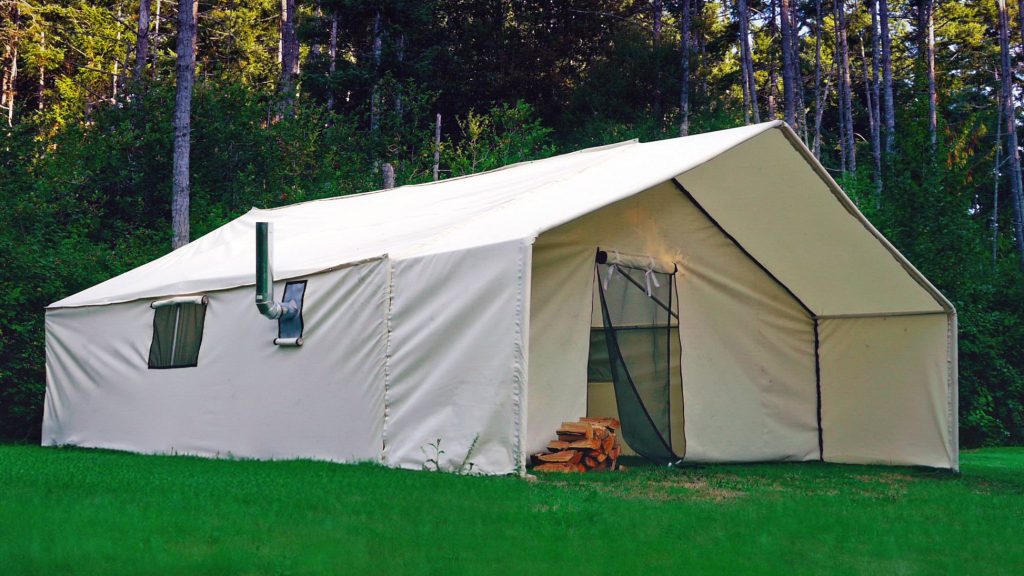
Have you ever wondered what makes a camping experience more comfortable and private? A walled tent might be the answer you’re looking for.
Unlike regular tents, walled tents offer extra protection and space, making your outdoor adventure feel more like home. If you want to know how a simple change in your gear can transform your next trip, keep reading. You’ll discover what a walled tent is and why it might be exactly what you need for your next outing.
Credit: www.beckelcanvas.com
Walled Tent Basics
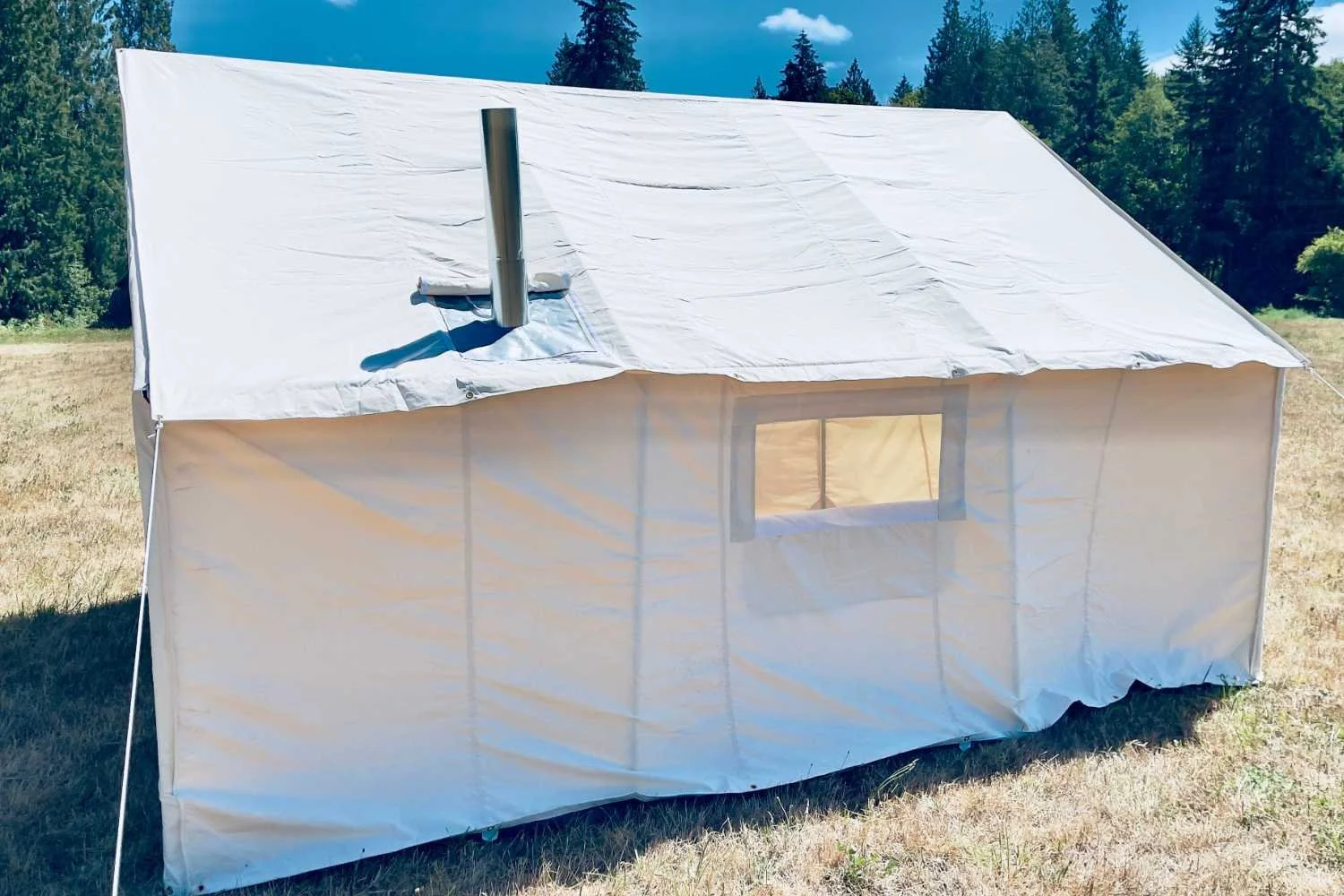
A walled tent is a type of tent with vertical sides. These walls offer extra protection from wind and weather.
Walled tents are popular for camping, events, and outdoor activities. They provide more shelter than regular tents.
Definition And Purpose
A walled tent has fabric walls attached to the roof. These walls can be zipped or rolled up for easy use.
The main purpose of walled tents is to block wind, rain, and insects. They also offer more privacy and space.
Types Of Walled Tents
Walled tents come in many styles and sizes. Some are simple, while others have multiple rooms and windows.
Common types include frame tents, pole tents, and pop-up tents. Each has different wall designs and uses.
- Frame tents:Use a metal frame to hold up walls and roof.
- Pole tents:Use poles to support fabric walls and roof.
- Pop-up tents:Have walls attached to a foldable frame for easy setup.
Design Elements
A walled tent offers more protection than a simple canopy. Its design focuses on creating a stable and sheltered space.
The main design elements include the structure, wall materials, and ventilation options. Each part plays a key role in the tent’s function.
Structure And Frame
The frame is the backbone of a walled tent. It holds the tent up and shapes the space inside.
Frames are often made of metal or strong plastic. They must be sturdy to handle wind and weather.
- Metal frames are strong and durable
- Plastic frames are lightweight and easy to move
- Frames connect with joints for easy setup
- Some frames fold for compact storage
Wall Materials
Walls protect from wind, rain, and sun. The material must be tough and waterproof.
Common materials include polyester, vinyl, and canvas. Each offers different levels of durability and weather protection.
- Polyester is lightweight and dries fast
- Vinyl is waterproof and easy to clean
- Canvas is heavy but very strong
- Walls can be solid or have clear windows
Ventilation And Windows
Good airflow keeps the tent comfortable. Ventilation prevents heat and moisture buildup.
Windows let in light and fresh air. They often have covers that roll up or down.
- Mesh windows keep bugs out but allow air in
- Roll-up covers protect from rain and cold
- Vent openings can be on the roof or walls
- Some tents have adjustable vents for airflow control
Benefits Of Walled Tents
Walled tents offer many advantages for outdoor events and activities. They provide more than just a roof over your head.
These tents improve comfort, safety, and flexibility in different settings. Understanding their benefits helps you choose the right shelter.
Weather Protection
Walled tents shield you from wind, rain, and sun. The walls stop drafts and keep the inside warm or cool as needed.
- Blocks strong winds and dust
- Keeps rain from entering the tent
- Offers shade from the sun
- Improves temperature control inside
Privacy And Security
Walls give a private space for events or storage. They reduce noise and prevent outsiders from seeing inside.
| Privacy Feature | Benefit |
| Opaque Walls | Blocks view from outside |
| Lockable Zippers | Secures entry points |
| Sound Barrier | Reduces noise leakage |
Versatility In Use
Walled tents adapt to many needs. They work well for events, markets, camping, and storage.
- Use as a party or wedding tent
- Set up a booth at fairs or markets
- Provide shelter for camping trips
- Store equipment safely indoors
Common Uses
A walled tent is a tent with solid side panels for extra protection. It offers more shelter from wind and rain than open tents. People use walled tents in many settings.
These tents provide a private and secure space. They come in various sizes and styles to fit different needs.
Camping And Outdoor Activities
Walled tents are popular for camping trips and outdoor adventures. They protect campers from insects and bad weather. The walls help keep warmth inside during cold nights.
- Family camping trips
- Hiking base camps
- Hunting shelters
- Fishing trips
- Outdoor sleeping in remote areas
Events And Gatherings
Walled tents create private, covered spaces for events. They can be decorated and arranged to fit the occasion. These tents protect guests from sun and rain.
| Event Type | Typical Use |
| Weddings | Reception area and dining space |
| Festivals | Food stalls and performance stages |
| Parties | Dance floor and lounge areas |
| Markets | Vendor booths and product displays |
Commercial Applications
Businesses use walled tents for various commercial needs. They provide temporary workspaces or storage areas. These tents are easy to set up and move.
- Outdoor sales booths
- Temporary warehouses
- Construction site offices
- Trade show displays
- Emergency response shelters
Setting Up A Walled Tent
A walled tent provides extra protection from wind, rain, and bugs. Setting it up correctly ensures comfort and safety.
This guide helps you pick the right spot, assemble the tent, and keep it in good shape for many uses.
Site Selection
Choose a flat and firm area to pitch your walled tent. Avoid places with sharp rocks or sticks that may damage the tent floor.
Look for a spot with some natural shade to keep the tent cooler during the day. Also, check if the ground drains well to avoid water pooling after rain.
- Find level ground free of debris
- Pick an area with good drainage
- Avoid places under dead branches
- Consider wind direction for tent entrance
Assembly Tips
Start by laying out the tent footprint or tarp to protect the tent bottom. Unfold the tent and spread it evenly on the site.
Insert the poles and attach them carefully to avoid bending. Secure the tent fabric to the poles and stake down all corners tightly.
- Use a mallet to drive stakes firmly
- Tighten guylines to keep tent stable
- Double-check all zippers and closures
- Set up the walls last for easier access
Maintenance And Care
Keep your walled tent clean by brushing off dirt and drying it completely before storage. This prevents mold and fabric damage.
Store the tent in a cool, dry place away from direct sunlight. Check poles and stakes for damage before each use to ensure safety.
- Clean tent fabric with mild soap and water
- Dry tent fully before packing away
- Store tent in a breathable bag
- Inspect poles and stakes regularly

Credit: www.beckelcanvas.com
Comparing Walled Tents To Other Tents
A walled tent has solid walls on all sides. This design offers more protection than tents with open sides. People use walled tents for events and camping when they need privacy and shelter.
We will compare walled tents with two other common types: open tents and pop-up tents. This helps to understand their key differences and uses.
Open Tents Vs Walled Tents
Open tents have a roof but no walls or only partial walls. They allow fresh air and easy access but less protection from wind or rain. Walled tents have full walls that keep the weather out and provide privacy.
- Weather protection:Walled tents block wind and rain better.
- Privacy:Walled tents offer complete privacy; open tents do not.
- Ventilation:Open tents let air flow freely; walled tents may need windows or vents.
- Setup:Open tents are usually easier and quicker to set up.
- Use:Open tents suit fairs and picnics; walled tents fit parties and markets.
Pop-up Tents Vs Walled Tents
Pop-up tents unfold and set up quickly. They are often small and used for camping or short events. Walled tents take longer to assemble but are larger and stronger.
| Feature | Pop-up Tent | Walled Tent |
| Setup Time | Very fast (seconds to minutes) | Longer (minutes to hours) |
| Size | Small to medium | Medium to large |
| Durability | Lightweight, less durable | Heavy-duty, more durable |
| Weather Protection | Limited (usually no walls or thin walls) | High (full walls and strong frame) |
| Best Use | Short-term camping and casual use | Events, markets, long-term shelter |

Credit: www.albertatent.com
Frequently Asked Questions
What Is A Walled Tent Used For?
A walled tent provides enclosed shelter for camping, events, or storage. Its walls offer protection from wind, rain, and insects. This makes it ideal for outdoor activities needing privacy and weather resistance.
How Does A Walled Tent Differ From A Regular Tent?
Unlike regular tents, walled tents have full fabric walls on all sides. This design enhances protection against harsh weather and adds privacy. Regular tents often have mesh or open sides, making walled tents more robust.
Are Walled Tents Easy To Set Up?
Yes, most walled tents come with straightforward assembly instructions. They use poles, stakes, and clips for quick setup. Some models also feature pop-up mechanisms for faster installation, making them user-friendly.
Can Walled Tents Be Used In All Weather Conditions?
Walled tents are designed to handle various weather conditions. Their enclosed structure blocks wind, rain, and insects effectively. However, extreme weather like heavy snow might require specialized tents for safety.
Conclusion
A walled tent offers protection and privacy outdoors. It keeps wind and bugs away. People use it for camping, events, and markets. The walls make the space feel more secure. It also helps block sunlight or rain. Choosing the right size and material matters.
A walled tent can improve comfort in many situations. Knowing what a walled tent is helps you decide if it fits your needs. Simple, useful, and practical for outdoor activities.