
Have you ever wondered why so many chefs and home cooks prefer wooden cutting boards? If you’re looking to improve your kitchen tools or just curious about the benefits of wooden boards, this article is for you.
Discover how a wooden cutting board can make your food prep easier, safer, and even more enjoyable. By the time you finish reading, you’ll know exactly why adding one to your kitchen could be a game-changer for your cooking experience.
Keep reading to unlock the secrets behind this simple yet powerful kitchen essential.

Credit: miti-life.com
Types Of Wooden Cutting Boards
Wooden cutting boards come in various types. Each type has unique features and uses in the kitchen.
Choosing the right wooden cutting board depends on your cooking needs and preferences.
Hardwood Vs Softwood Boards
Hardwood cutting boards are strong and last longer. They resist knife marks well.
Softwood boards are lighter and cheaper. They can get scratched easily and wear out faster.
- Hardwoods: maple, walnut, cherry
- Softwoods: pine, cedar
- Hardwoods are better for heavy use
- Softwoods suit light tasks and display
End Grain Vs Edge Grain
End grain boards show the wood fibers at the top. They are gentle on knives and last longer.
Edge grain boards show the side of the wood strips. They are usually less expensive but wear faster.
- End grain absorbs knife cuts better
- Edge grain has a smooth, striped look
- End grain boards are thicker and heavier
- Edge grain boards are lighter and thinner
Size And Thickness Options
Wooden cutting boards come in many sizes. Choose one that fits your kitchen space and tasks.
Thickness affects durability and weight. Thicker boards last longer but are heavier to move.
- Small boards: good for fruits and small tasks
- Medium boards: suitable for daily cooking
- Large boards: ideal for big chopping jobs
- Thin boards: easy to store and carry
- Thick boards: stable and durable

Credit: www.amazon.com
Durability And Longevity
Wooden cutting boards are known for their strong build and long life. They can handle daily kitchen tasks without breaking down quickly.
Choosing a wooden board means investing in a tool that stays useful for years with the right care.
Resistance To Knife Marks
Wood has a soft surface that absorbs knife cuts well. This means fewer deep marks form over time.
Shallow cuts keep the board looking smooth and help avoid cracks where bacteria can grow.
Impact On Knife Sharpness
Wooden boards are gentle on knives compared to harder surfaces like glass or stone. This helps keep knives sharp longer.
- Wood absorbs some of the knife’s force
- Knives slide more easily on wooden surfaces
- Less edge damage means fewer sharpenings needed
Repair And Maintenance Tips
Proper care extends the life of a wooden cutting board. Fix small problems early to keep it in good shape.
| Maintenance Task | How to Do It |
|---|---|
| Cleaning | Wash with mild soap and water; dry well |
| Oiling | Apply food-safe oil monthly to prevent drying |
| Sanding | Lightly sand rough spots to smooth the surface |
| Storage | Keep in a dry place away from heat |
Hygiene And Safety
Wooden cutting boards are popular in kitchens for food preparation. They offer a safe surface to chop and slice ingredients.
Keeping these boards clean is important to prevent germs and foodborne illnesses.
Natural Antibacterial Properties
Wood has natural properties that help fight bacteria. The wood fibers absorb moisture and trap bacteria inside.
This makes it harder for germs to grow on wooden cutting boards compared to plastic ones.
Cleaning Best Practices
Cleaning wooden boards properly keeps them safe to use. Wash with warm soapy water after each use.
- Use a sponge or cloth to scrub the surface
- Rinse well to remove soap and food bits
- Dry the board completely to avoid moisture
- Oil the board regularly to prevent cracks
Avoiding Cross-contamination
Cross-contamination happens when bacteria spread between foods. Use separate boards for meat and vegetables.
- Mark boards for different food types
- Clean boards thoroughly between uses
- Replace boards when deep cuts appear
Aesthetic Appeal
Wooden cutting boards add natural beauty to kitchens. They bring warmth and charm to any cooking space.
Besides being practical, wooden boards enhance kitchen style with their unique look and texture.
Enhancing Kitchen Decor
Wooden cutting boards serve as decorative pieces on countertops. Their grains and colors complement various kitchen themes.
- Natural wood tones match rustic and modern kitchens
- Boards can be displayed like art when not in use
- They add a cozy, homey feeling to cooking areas
- Wood contrasts nicely with metal and stone surfaces
Custom Designs And Finishes
Wooden cutting boards come in many shapes and finishes. This variety lets people choose boards that fit their taste.
| Design | Finish | Effect |
| Checkerboard pattern | Glossy | Elegant and eye-catching |
| Live edge | Matte | Natural and rustic look |
| Engraved | Oiled | Personalized and warm |
| Simple slab | Raw wood | Minimal and classic |
Aging Gracefully Over Time
Wooden cutting boards change with use. Their surface develops a worn, charming character that many find beautiful.
Benefits of aging wood:
- Unique patterns appear from knife marks
- Wood colors deepen and become richer
- Boards gain a vintage, well-loved look
- Can be sanded and refinished to renew beauty
Environmental Benefits
Wooden cutting boards offer several environmental benefits. They help reduce waste and use natural materials.
Choosing wood can support a healthier planet. It is a renewable and biodegradable resource.
Sustainability Of Wood
Wood comes from trees that can grow back after being cut. This makes wood a renewable resource.
Many wooden cutting boards are made from sustainably managed forests. This means trees are replanted.
- Reduces the need for plastic products
- Supports forest conservation efforts
- Helps keep ecosystems balanced
Biodegradability
Wooden cutting boards break down naturally after disposal. They do not stay in landfills for long.
Biodegradable products reduce pollution. They return nutrients to the soil and help plants grow.
- Less plastic waste in the environment
- No harmful chemicals released when decomposing
- Supports a cleaner ecosystem
Choosing Eco-friendly Brands
Eco-friendly brands use sustainable wood and avoid toxic finishes. They focus on quality and nature.
Look for products with certifications like FSC. These labels show responsible forest management.
- Check for natural or non-toxic finishes
- Support companies with green manufacturing practices
- Choose boards that last longer to reduce waste
Versatility In Kitchen Use
Wooden cutting boards are popular tools in many kitchens. They are useful for many tasks beyond just cutting.
These boards offer a strong, safe surface that works well for different food preparations. They fit well in many cooking styles.
Chopping And Slicing
Wooden cutting boards provide a sturdy base for chopping vegetables, fruits, and meats. They help protect your knives from dulling.
The wood surface is gentle on blades, which keeps them sharp longer. This makes cutting smooth and easy.
Serving And Presentation
Wooden boards are also great for serving food. Their natural look adds charm to any table setting.
Cheese, bread, and appetizers look attractive when arranged on these boards. They make snacks easy to share.
- Serve cheese and crackers
- Present sliced bread or fruits
- Use for appetizers and small dishes
Multi-purpose Functions
Wooden cutting boards can also be used as a base for rolling dough. They handle heat better than plastic boards.
They can act as a trivet to protect countertops from hot pots. Their durability makes them useful in many ways.
- Roll out dough for baking
- Place hot pots or pans on them
- Use as a base for food prep tools
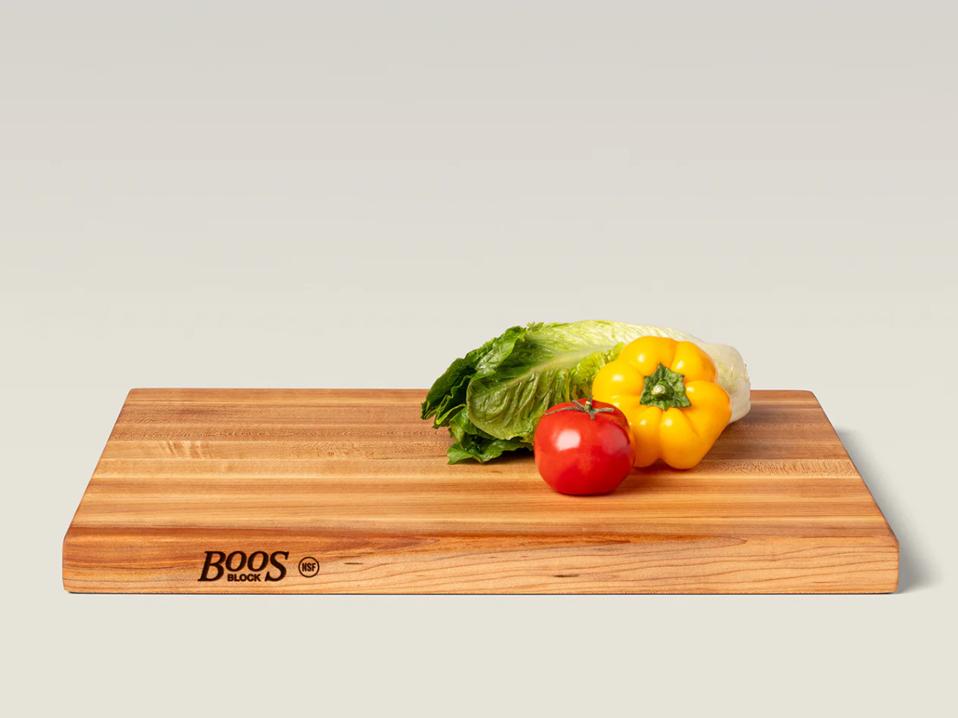
Credit: www.forbes.com
Frequently Asked Questions
What Are Wooden Cutting Boards Used For?
Wooden cutting boards are primarily used for chopping, slicing, and dicing ingredients. They provide a sturdy surface for cutting vegetables, fruits, and meats. Their durability makes them ideal for heavy-duty kitchen tasks. Additionally, they are gentle on knife blades, preventing premature dulling.
Are Wooden Cutting Boards Safe For Food?
Yes, wooden cutting boards are safe for food preparation. They are naturally resistant to bacteria and microbes. Regular cleaning and proper maintenance ensure hygiene. Use hot, soapy water for cleaning after each use. Avoid soaking them in water to prevent warping or cracking.
How Do You Maintain A Wooden Cutting Board?
Maintain a wooden cutting board by cleaning it with warm, soapy water after each use. Dry it thoroughly to prevent moisture damage. Regularly apply food-grade mineral oil to maintain its condition. This prevents drying and cracking. Avoid placing it in a dishwasher, as high heat can cause warping.
Why Choose Wood Over Plastic Cutting Boards?
Wooden cutting boards are preferred for their durability and knife-friendly surface. They are less likely to harbor bacteria compared to plastic. Wood’s natural self-healing properties hide knife marks, maintaining aesthetics. Additionally, they add a rustic charm to kitchen decor, enhancing the cooking experience.
Conclusion
Wooden cutting boards serve many kitchen tasks well. They protect your knives and keep food safe. Their natural surface helps prevent bacteria buildup. Easy to clean and gentle on blades. Perfect for chopping vegetables, fruits, and bread. They also add a warm, classic look.
Caring for them is simple with regular oiling. A good wooden board can last for years. Choosing one is a smart step for any kitchen. Simple, useful, and reliable tools for cooking.