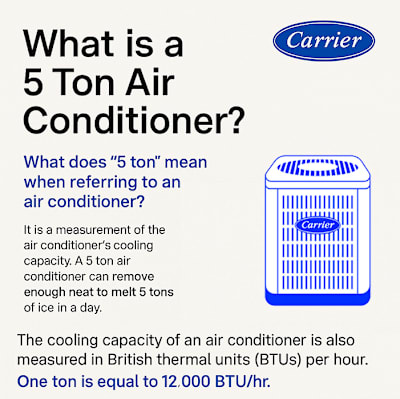
Have you ever wondered why some air conditioners cool your room quickly while others struggle? The secret lies in something called BTU.
Understanding what Air Conditioner BTU means can help you choose the right unit for your space, saving you money and keeping you comfortable all year round. You’ll discover exactly what BTU is and why it matters to you. Keep reading, and you’ll never pick the wrong air conditioner again.
Air Conditioner Btu Basics
BTU stands for British Thermal Unit. It measures the cooling power of an air conditioner.
Knowing the right BTU size helps you cool a room efficiently. Too small or large BTU can waste energy.
What Btu Measures
BTU shows how much heat an air conditioner can remove in one hour. It tells you the cooling capacity.
A higher BTU means more cooling power. Smaller rooms need fewer BTUs, larger rooms need more.
Why Btu Matters For Cooling
Choosing the right BTU keeps your room comfortable. It saves electricity and keeps the air fresh.
If the BTU is too low, the room stays warm. If it is too high, the air conditioner wastes energy and humidity stays high.

Credit: northnjhvac.com
Choosing The Right Btu
BTU stands for British Thermal Unit. It measures how much cooling power an air conditioner has. Picking the right BTU helps keep your room comfortable.
Too little BTU means the room stays warm. Too much BTU wastes energy and costs more money. Learn how to choose the right BTU for your space.
Room Size And Btu
The size of your room is the main factor in deciding BTU. Bigger rooms need air conditioners with higher BTU. Small rooms need less cooling power.
Measure your room’s square footage by multiplying length and width. Use this number to find the right BTU range.
- Up to 150 sq ft: 5,000 BTU
- 150 to 250 sq ft: 6,000 BTU
- 250 to 350 sq ft: 8,000 BTU
- 350 to 450 sq ft: 10,000 BTU
- 450 to 550 sq ft: 12,000 BTU
Factors Affecting Btu Needs
Other things affect how much BTU you need besides room size. These include sunlight, number of people, and heat from appliances.
- Sunlight: Rooms with many windows need more BTU.
- People: More people in a room add heat, needing higher BTU.
- Appliances: Electronics and cooking devices increase cooling needs.
- Ceiling Height: Taller ceilings require more cooling power.
- Insulation: Poor insulation means more BTU to cool the room.
Check all these factors before picking your air conditioner’s BTU. This helps you get the best cooling for your space.
Btu And Energy Efficiency
BTU stands for British Thermal Unit. It measures how much heat an air conditioner can remove from a room. The higher the BTU, the more cooling power the unit has.
Energy efficiency helps reduce electricity use and saves money. Choosing the right BTU and energy rating is important for comfort and cost.
Btu Vs. Power Consumption
BTU shows cooling strength, but power consumption shows how much energy the AC uses. A high BTU unit can use more electricity if it is not efficient.
- BTU measures cooling capacity.
- Power consumption measures electricity use in watts.
- Efficient units use less power for the same BTU.
- Choosing the right BTU avoids wasting energy.
Energy Star Ratings
Energy Star rates appliances for energy efficiency. Air conditioners with this label use less power and save money over time.
| Energy Star Rating | Description | Benefits |
| Certified | Meets minimum efficiency standards | Lower energy bills |
| Most Efficient | Top performers in energy savings | Greatest cost savings |
| Not Rated | Does not meet Energy Star criteria | Higher power use |
Credit: www.walmart.com
Common Btu Ranges
BTU stands for British Thermal Unit. It measures how much heat an air conditioner can remove. Choosing the right BTU helps cool your room well.
Different rooms need different BTU levels. This depends on room size and other factors. Below, we explain common BTU ranges for various room sizes.
Small Room Units
Small rooms need air conditioners with lower BTU. These units cool spaces up to 150 square feet. They use less energy and are more affordable.
Typical BTU range for small rooms is 5,000 to 8,000 BTU. These units work well in bedrooms, offices, or small living rooms.
- 5,000 BTU: good for rooms up to 150 sq ft
- 6,000 BTU: fits rooms around 200 sq ft
- 8,000 BTU: cools rooms up to 350 sq ft
Medium And Large Room Units
Medium rooms need air conditioners with 8,000 to 12,000 BTU. These units fit living rooms or large bedrooms. They cool spaces from 300 to 550 square feet.
Large rooms require even more cooling power. Units with 12,000 to 24,000 BTU can cool areas up to 1,000 square feet. These are good for big living spaces or open floor plans.
| BTU | Room Size |
|---|---|
| 8,000 – 12,000 | 300 – 550 sq ft (medium rooms) |
| 12,000 – 24,000 | 550 – 1,000 sq ft (large rooms) |
Impact Of Incorrect Btu
BTU stands for British Thermal Unit. It measures how much heat an air conditioner can remove. Choosing the right BTU is very important for cooling your room well.
If the BTU is too low or too high for your space, the air conditioner will not work properly. This can cause discomfort and waste energy.
Too Low Btu Issues
An air conditioner with too low BTU will struggle to cool the room. It will run longer and may never reach the right temperature.
- The room stays warm and uncomfortable.
- The AC uses more electricity, raising your bills.
- The system wears out faster due to overwork.
- Humidity may remain high, causing dampness.
Too High Btu Problems
Choosing an air conditioner with too high BTU will cool the room too fast. This causes the system to turn on and off often, which is bad for the unit.
| Problem | Effect |
| Short Cooling Cycles | Increases wear and tear on the AC |
| High Energy Use | Wastes electricity and increases bills |
| Poor Humidity Control | Leaves the room feeling damp or sticky |
| Uncomfortable Temperature | Room feels cold quickly but unevenly |
Credit: northnjhvac.com
Btu Calculation Tips
BTU means British Thermal Unit. It shows how much cooling power an air conditioner has.
Choosing the right BTU helps cool your room well and saves energy.
Measuring Your Space
First, measure the length and width of your room in feet. Multiply these numbers to get the area.
The bigger the room, the higher the BTU needed to cool it properly.
- Measure room length in feet
- Measure room width in feet
- Multiply length by width for area
- Use area to find needed BTU
Considering Insulation And Sunlight
Good insulation keeps cool air inside and heat outside. Poor insulation means you need more BTU.
Rooms with strong sunlight need extra cooling power. Sunlight heats the room quickly.
- Well-insulated room: use standard BTU
- Poor insulation: add 10-20% more BTU
- Room with lots of sunlight: add 10% more BTU
- Shaded room: standard BTU is enough
Btu In Different Ac Types
BTU stands for British Thermal Unit. It measures how much heat an air conditioner can remove from a room. Different types of air conditioners have different BTU ratings.
Choosing the right BTU size is important. If the BTU is too low, the room won’t cool well. If it is too high, the AC will waste energy.
Window Units
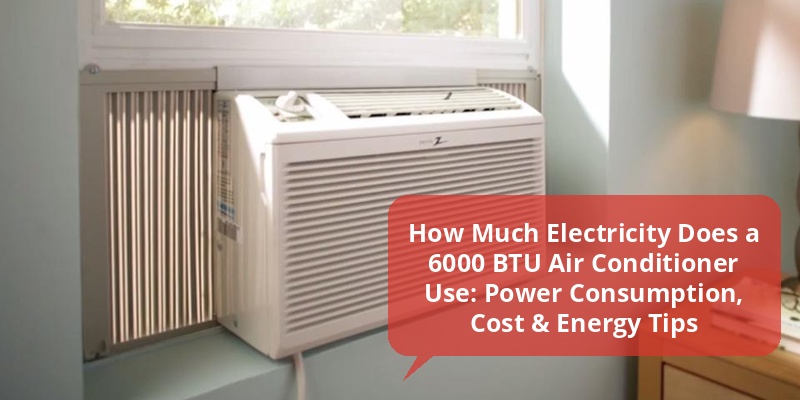
Window air conditioners are common for cooling single rooms. Their BTU ratings usually range from 5,000 to 12,000. Smaller rooms need lower BTU units, while larger rooms need higher BTU units.
- 5,000 to 6,000 BTU: For rooms up to 150 square feet
- 7,000 to 8,000 BTU: For rooms up to 350 square feet
- 9,000 to 12,000 BTU: For rooms up to 550 square feet
Split Systems
Split system air conditioners have two parts: an indoor and an outdoor unit. They cool larger spaces and are more efficient. Their BTU ratings can vary widely depending on room size and layout.
| BTU Range | Room Size (Square Feet) |
| 9,000 – 12,000 | Up to 550 |
| 12,000 – 18,000 | 550 to 1,000 |
| 18,000 – 24,000 | 1,000 to 1,500 |
| 24,000+ | Over 1,500 |
Portable Air Conditioners
Portable air conditioners can be moved from room to room. They usually have lower BTU ratings. These units work best for small rooms or temporary cooling.
- 8,000 BTU: Suitable for rooms up to 250 square feet
- 10,000 BTU: Suitable for rooms up to 350 square feet
- 12,000 BTU: Suitable for rooms up to 450 square feet
Frequently Asked Questions
What Does Btu Mean In Air Conditioners?
BTU stands for British Thermal Unit. It measures the cooling power of an air conditioner. Higher BTU means stronger cooling capacity suitable for larger rooms.
How To Choose The Right Btu For A Room?
Measure the room size in square feet. Match BTU capacity to room size for efficient cooling. Use a BTU calculator for accurate results.
Why Is Btu Important For Ac Efficiency?
BTU determines how quickly an AC cools a space. Proper BTU rating ensures energy savings and comfort. Too high or low BTU reduces performance.
Can A Low Btu Ac Cool A Large Room?
No, a low BTU AC cannot cool large spaces effectively. It will run continuously and raise electricity bills. Always select BTU based on room size.
Conclusion
Choosing the right air conditioner BTU is key for comfort. Too little BTU means your room stays warm. Too much BTU wastes energy and costs more. Know your room size before buying an air conditioner. This helps you pick the perfect cooling power.
Understanding BTU makes your home cooler and saves money. Keep these points in mind for a better cooling experience.