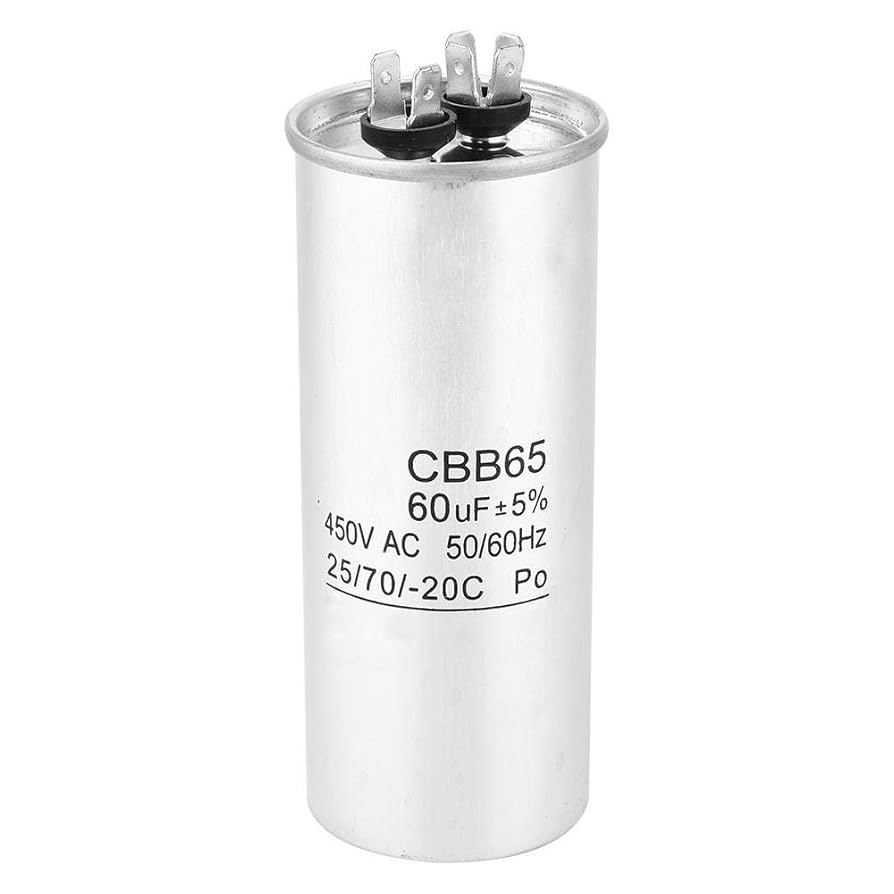
Have you ever wondered why your air conditioner sometimes struggles to start or cool properly? The secret often lies in a small but powerful part called the air conditioner capacitor.
This tiny component plays a big role in keeping your AC running smoothly and efficiently. If your unit is acting up, understanding what an air conditioner capacitor is and how it works could save you time, money, and stress. Keep reading to discover how this little part affects your comfort and what signs to watch for when it needs attention.
Air Conditioner Capacitor Basics
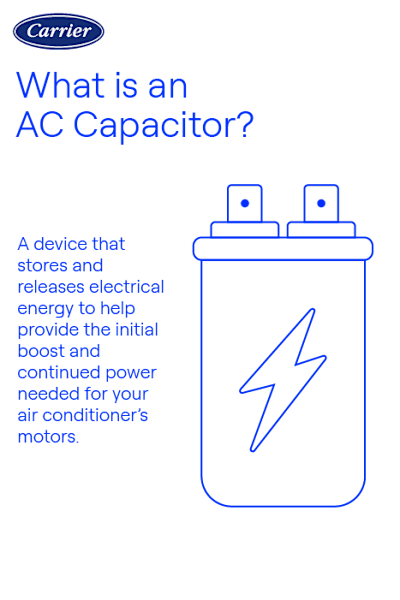
An air conditioner capacitor helps start and run the AC motor. It stores electrical energy and releases it quickly. This action gives the motor a push to start spinning.
Role In Ac Systems
The capacitor powers the compressor and fan motors. Without it, the AC won’t start or work well. It keeps the motors running smoothly and saves energy.
Types Of Capacitors
- Start Capacitor:Provides a big boost to start the motor.
- Run Capacitor:Helps the motor run efficiently after starting.
- Dual Capacitor:Combines start and run capacitor functions in one unit.
Common Capacitor Ratings
| Type | Microfarads (μF) | Voltage Rating |
|---|---|---|
| Start Capacitor | 70-200 μF | 250-450V |
| Run Capacitor | 5-80 μF | 370-440V |
| Dual Capacitor | 20-80 μF (each section) | 370-440V |
Credit: www.carrier.com
How Capacitors Work In Ac Units
Capacitorshelp start the compressor by giving it a strong push of energy. This push gets the compressor motor spinning fast enough to start cooling the air.
They also assist the fan motor, helping it spin smoothly and keep air moving through the AC system. Without capacitors, the fan may struggle or stop working.
Capacitors store electrical energy and then release it when needed. This storage and release keep the motors running steady and prevent sudden stops.
Signs Of A Failing Capacitor
AC Not Startingis a clear sign of a failing capacitor. The capacitor helps start the motor. Without it, the AC might not turn on at all.
Humming or Buzzing Noisescome from the unit when the capacitor is weak. These sounds mean the motor struggles to start or run smoothly.
Intermittent Cooling Issuesoccur when the capacitor can’t keep the motor running properly. The AC might cool sometimes and stop suddenly.
Testing Air Conditioner Capacitors
Safety is keybefore testing an air conditioner capacitor. Always turn off powerto avoid shocks. Use insulated tools and wear gloves for extra protection. Discharge the capacitor by touching its terminals with a screwdriver that has an insulated handle. This step prevents electric shock.
A multimeter set to the capacitance mode helps check the capacitor’s health. First, disconnect the capacitorfrom the unit. Connect the multimeter leads to the capacitor terminals. The meter shows the capacitance value in microfarads (µF). Compare this value with the number printed on the capacitor.
| Test Result | What It Means |
|---|---|
| Reading close to rated value | Capacitor is good and working properly |
| Reading significantly lower or zero | Capacitor is faulty and needs replacement |
| Reading higher than rated value | Possible capacitor damage; replace it |
Steps To Replace A Capacitor
- Insulated screwdriver for safety
- Needle-nose pliers to handle wires
- Multimeter to test capacitor
- Replacement capacitor matching specs
- Gloves and safety goggles for protection
Capacitors hold electric chargeeven when power is off. Touching terminals can cause shocks.
Use screwdriver with insulated handle to short terminals. This releases stored electricity safely. Always wear gloves and goggles during this step.
Disconnect power to air conditioner before starting. Note wire positions or take a photo. Remove wires using pliers.
Unscrew old capacitor from mounting bracket. Place new capacitor in the same position.
Attach wires to correct terminals firmly. Double-check connections to avoid errors. Restore power and test AC operation.

Credit: www.amazon.com
Preventing Capacitor Failures
Regular checks keep the capacitor working well. Clean dirt and dust from the unit often. Look for signs of wear or damage. Tighten loose connections to avoid problems. Proper care helps extend capacitor life.
Power surges can harm capacitors quickly. Use surge protectors to guard the unit. Avoid sudden power cuts or switches. Protecting from surges reduces breakdown risk and costly repairs.
Choose high-quality capacitors for replacements. Match the voltage and microfarad rating exactly. Cheap parts wear out faster and cause failures. Trusted brands offer better durability and performance. Using the right capacitor ensures smooth operation.

Credit: www.amazon.ca
Frequently Asked Questions
What Does An Ac Capacitor Do?
An AC capacitor stores and releases electrical energy to help start and run your air conditioner. It provides the initial jolt needed to start the compressor and fan motor. Without a functional capacitor, your air conditioner may fail to start or run efficiently, leading to potential system issues.
How Do I Know If My Capacitor Is Bad?
Signs of a bad capacitor include the AC not starting, humming noises, or delayed startup. You might also notice reduced cooling efficiency. If these symptoms occur, it’s crucial to check the capacitor. A professional technician can diagnose and replace it to restore your AC’s performance.
How Long Does An Ac Capacitor Last?
An AC capacitor typically lasts about 10 to 20 years, depending on usage and environmental factors. Frequent usage and high temperatures can reduce its lifespan. Regular maintenance checks can help extend its life. When a capacitor starts failing, timely replacement is essential to avoid further system damage.
Can I Replace An Ac Capacitor Myself?
While it’s possible, replacing an AC capacitor should be done by a professional. Capacitors hold electrical charge even when the power is off, posing a risk of electric shock. A trained technician can safely handle and replace the capacitor, ensuring your air conditioner operates efficiently and safely.
Conclusion
An air conditioner capacitor helps start and run the motor. It stores and releases energy quickly. This small part keeps your AC working smoothly. Without it, the AC may not cool properly or may stop running. Checking the capacitor can save repair costs later.
Knowing its role helps you understand your AC better. Take care of your AC to enjoy cool air all summer. Simple maintenance keeps your home comfortable and saves energy.