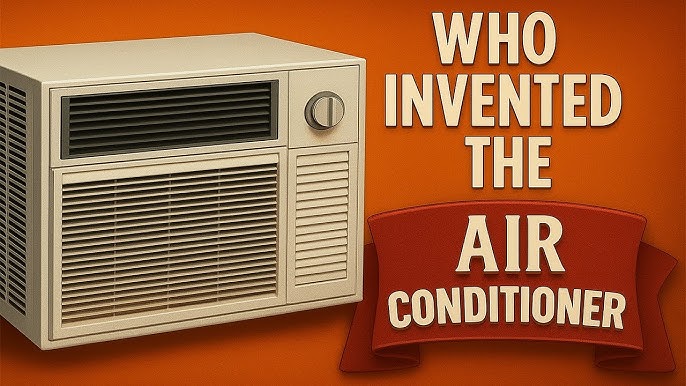
Have you ever stopped to think about what makes your air conditioner work so well? Understanding what an air conditioner is made of can give you a new appreciation for the cool comfort it provides, especially on hot days.
Inside that sleek machine are parts and materials working together to keep your space fresh and comfortable. If you want to know exactly what’s inside your air conditioner and how each piece plays a role, keep reading. This simple guide will help you see your AC in a whole new light—and might even help you take better care of it.
Basic Structure Of An Air Conditioner
An air conditioner cools indoor air by removing heat. It uses several main parts that work together. Understanding these parts helps to know how the AC works.
The basic structure includes a compressor, condenser, expansion valve, and evaporator. Each part plays a key role in cooling air effectively.
The compressor pumps refrigerant through the system. It raises the pressure of the refrigerant gas to make it hot. The compressor is usually located outside the building.
Condenser
The condenser cools the hot refrigerant gas from the compressor. It turns the gas into a liquid by releasing heat to the outside air. The condenser has coils and a fan to help cool the refrigerant.
The expansion valve controls the flow of liquid refrigerant. It lowers the pressure and temperature of the refrigerant before it enters the evaporator. This step is important for cooling.
Evaporator
The evaporator absorbs heat from the indoor air. The cold refrigerant inside the evaporator coils cools the air. A fan blows air over the coils and into the room.
- Compressor: Pumps and heats refrigerant gas
- Condenser: Cools gas into liquid
- Expansion Valve: Lowers refrigerant pressure
- Evaporator: Absorbs heat from indoor air
| Part | Function |
| Compressor | Pumps refrigerant and raises pressure |
| Condenser | Releases heat and condenses refrigerant |
| Expansion Valve | Controls refrigerant flow and pressure |
| Evaporator | Cools air by absorbing heat |

Credit: airconditioners.en.made-in-china.com
Compressor
The compressor is a key part of an air conditioner. It helps move the refrigerant through the system.
This part makes sure the air conditioner cools your room well and works efficiently.
Role And Function
The compressor’s main job is to compress the refrigerant gas. This raises the gas’s pressure and temperature.
It pushes the hot gas to the condenser where it cools down and turns into liquid. This cycle repeats to cool the air.
- Compresses refrigerant gas to increase pressure
- Makes refrigerant move through the air conditioner
- Helps release heat from inside to outside
- Maintains the cooling cycle continuously
Common Types
There are several types of compressors used in air conditioners. Each type has its own way of working.
- Reciprocating Compressor:Uses pistons to compress gas. It is common and reliable.
- Scroll Compressor:Uses two spiral shapes to compress gas. It is quiet and efficient.
- Rotary Compressor:Uses a rotating part to compress. It is small and used in window units.
- Screw Compressor:Uses two screws to compress gas. It is strong and used in large systems.
Condenser Coil
The condenser coil is a key part of an air conditioner. It helps cool the hot refrigerant gas from the compressor.
This coil releases heat from the refrigerant into the outside air. It changes the gas back into a liquid.
Material And Design
Condenser coils are usually made from copper or aluminum. These metals help heat move quickly.
The coil has many thin tubes and fins. This design increases the surface area to cool the refrigerant fast.
- Copper tubes carry the refrigerant.
- Aluminum fins help spread the heat.
- Tubes and fins are shaped to allow air flow.
Heat Dissipation Process
Hot refrigerant flows through the coil tubes. The metal tubes and fins transfer heat to the outside air.
Air moves over the fins, carrying heat away. This cools the refrigerant, turning it back into liquid form.
- Refrigerant enters hot and gaseous.
- Heat moves from refrigerant to metal surfaces.
- Air removes heat from the fins.
- Refrigerant cools and changes to liquid.
Evaporator Coil
The evaporator coil is an important part of an air conditioner. It helps cool the air inside your home.
This coil works with other parts to remove heat and moisture from the air.
Cooling Mechanism
The evaporator coil holds cold refrigerant. Warm air from the room passes over it.
The refrigerant absorbs heat from the air. This cools the air before it goes back inside.
- Warm air flows over the coil
- Refrigerant inside absorbs heat
- Air cools down and moisture drops out
- Cool air moves back into the room
Placement In Unit
The evaporator coil sits inside the air handler or furnace. It is near the blower fan.
This location helps the coil cool the air before the fan pushes it into rooms.
- Inside the indoor unit
- Close to the blower fan
- Connected to refrigerant lines
- Works with the condenser coil outside
Expansion Valve
The expansion valve is a key part of an air conditioner. It controls the flow of refrigerant into the evaporator. This helps cool the air inside a room efficiently.
The valve reduces the pressure of the refrigerant, making it cold enough to absorb heat. Without it, the cooling process would not work properly.
Purpose In Refrigeration Cycle
The expansion valve has an important role in the refrigeration cycle. It helps turn high-pressure liquid refrigerant into a low-pressure mixture. This change allows the refrigerant to absorb heat inside the evaporator.
- Controls refrigerant flow rate
- Reduces refrigerant pressure
- Allows refrigerant to cool down
- Keeps the system running efficiently
Types Of Valves
There are different types of expansion valves used in air conditioners. Each type has its own way to control refrigerant flow and pressure.
| Valve Type | Description | Common Use |
|---|---|---|
| Thermostatic Expansion Valve (TXV) | Adjusts flow based on temperature changes | Most common in home AC units |
| Capillary Tube | Fixed orifice, simple design | Used in small or low-cost systems |
| Electronic Expansion Valve (EEV) | Controlled by sensors and electronics | High efficiency and precise control |

Credit: www.mynation.com
Refrigerant
The refrigerant is a key part of an air conditioner. It moves heat from inside your home to outside. This process cools the air inside.
Refrigerants are special fluids that change from liquid to gas and back. This change helps absorb and release heat.
Common Refrigerants Used
Different types of refrigerants have been used over time. Some are better for the environment than others. Here are some common ones:
- R-22: Used in older air conditioners. It harms the ozone layer.
- R-410A: A popular, ozone-friendly refrigerant. It cools well but has some global warming effects.
- R-32: More efficient and lower global warming potential. It is becoming more common.
- R-134a: Used in some cooling systems. It does not harm ozone but can warm the planet.
Environmental Impact
Refrigerants can affect the environment in two ways. They may damage the ozone layer or add to global warming.
Older refrigerants like R-22 harm the ozone layer. Newer types like R-410A and R-32 do not hurt ozone but can still warm the earth.
| Refrigerant | Ozone Layer Impact | Global Warming Potential (GWP) |
|---|---|---|
| R-22 | High damage | 1810 |
| R-410A | None | 2088 |
| R-32 | None | 675 |
| R-134a | None | 1430 |
Fan And Blower
Fans and blowers are key parts of an air conditioner. They help move air through the system. This movement cools the air inside your home or office.
These parts work by spinning blades fast. The air moves from one side to the other. This keeps the air fresh and cool.
Airflow Role
The fan and blower push air through the air conditioner. This airflow helps remove heat from inside the room. It also helps spread cool air evenly.
Without the fan and blower, the air conditioner cannot cool a space well. They keep the air moving so the system works right.
Types And Materials
Fans and blowers come in different types. They use different materials for strength and durability.
- Types:Axial fans, centrifugal blowers, and mixed flow fans
- Materials:Plastic, aluminum, and steel blades
Plastic is light and cheap but less durable. Aluminum is strong and resists rust. Steel is very strong but heavier.
Housing And Frame
The housing and frame are the outer parts of an air conditioner. They protect the inside parts from damage and dirt.
The frame also holds all parts in place and helps the air conditioner stay stable.
Materials Used
The housing and frame use materials that are strong and weather-resistant. These materials must handle heat, moisture, and sun exposure.
- Steel: Common for frames due to strength and durability.
- Aluminum: Used for light weight and rust resistance.
- Plastic: Often used for housing because it is easy to mold.
- ABS plastic: Strong and can resist heat and impact.
- Coatings: Paint or powder coatings protect metal parts from rust.
Design Considerations
The design of the housing and frame must allow good airflow. This keeps the air conditioner cool and working well.
Designers also make sure the parts are easy to clean and maintain. Noise reduction and safety are also important.
- Vent openings placed to improve air flow
- Rounded edges for safety and better look
- Easy access panels for cleaning and repairs
- Strong joints to hold all parts firmly
- Materials chosen to reduce noise
Filters And Air Quality Components
Air conditioners have parts that clean the air inside your home. Filters catch dust and other small particles. These parts help make the air healthy to breathe.
Good filters and air quality parts reduce allergies and improve comfort. They stop dirt from entering the system and keep the air fresh.
Filter Types
There are several filter types in air conditioners. Each type traps different particles and has a special use.
- Fiberglass Filters:These catch large dust and dirt. They are cheap but need frequent changing.
- Pleated Filters:Made of fabric, they trap smaller particles. They last longer than fiberglass filters.
- HEPA Filters:High-efficiency filters that catch very tiny particles like pollen and smoke. They improve air quality a lot.
- Activated Carbon Filters:These remove odors and gases, making the air smell clean.
Importance For Health
Filters help keep the air safe to breathe. Clean air lowers chances of breathing problems and allergies.
| Health Benefit | How Filters Help |
| Reduce Allergies | Trap pollen and dust that cause sneezing and itching. |
| Prevent Asthma Attacks | Remove smoke and tiny particles that irritate lungs. |
| Stop Illness | Block bacteria and viruses from spreading through air. |
| Improve Sleep | Clean air reduces coughing and congestion at night. |

Credit: nbhicon.en.made-in-china.com
Electrical Components
An air conditioner contains many electrical parts. These parts help control the cooling process. They also keep the system running safely and smoothly.
Understanding these components helps explain how the air conditioner works. Two important parts are the control systems and safety features.
Control Systems
The control system manages the air conditioner’s operation. It uses sensors and circuits to keep the temperature steady. The system turns the unit on and off as needed.
- Thermostat: Senses room temperature and signals the unit.
- Control Board: Processes signals and controls electrical parts.
- Relays and Contactors: Switch power to the compressor and fan.
- Capacitors: Help start motors and keep them running.
- Wiring Harness: Connects all electrical components.
Safety Features
Safety features protect the air conditioner and users from damage and hazards. They stop the system if something goes wrong.
| Safety Feature | Function |
| Overload Protector | Shuts off compressor if it overheats. |
| High-Pressure Switch | Stops system if pressure gets too high. |
| Low-Pressure Switch | Prevents operation if refrigerant is low. |
| Ground Fault Circuit Interrupter (GFCI) | Protects against electrical shock. |
| Fuses and Circuit Breakers | Cut power during electrical faults. |
Frequently Asked Questions
What Materials Are Used To Make An Air Conditioner?
An air conditioner mainly contains metal, plastic, copper, aluminum, and refrigerant gas. Metals form the frame and coils. Plastics are used in the casing and controls. Refrigerant transfers heat to cool the air efficiently.
How Does Copper Benefit Air Conditioner Performance?
Copper is an excellent conductor of heat and electricity. It helps improve heat exchange in the coils. Copper tubing is durable and resistant to corrosion. This enhances the air conditioner’s efficiency and longevity.
Why Is Aluminum Common In Air Conditioner Parts?
Aluminum is lightweight, cost-effective, and resistant to rust. It is often used for fins and coils. This metal improves heat dissipation and reduces the overall weight of the unit, making installation easier.
What Role Does Refrigerant Play In Air Conditioners?
Refrigerant absorbs heat from indoor air and releases it outside. It circulates through coils and changes states from liquid to gas. This process cools the air inside your space effectively.
Conclusion
An air conditioner has many important parts. Each part works together to cool the air. The compressor, condenser, evaporator, and fans are key pieces. Metals and plastics build the frame and body. Understanding these parts helps you appreciate how AC units work.
Knowing what an air conditioner is made of can guide better care. Simple maintenance keeps your AC running smoothly. Clean filters and check parts often. A well-maintained AC lasts longer and cools better.