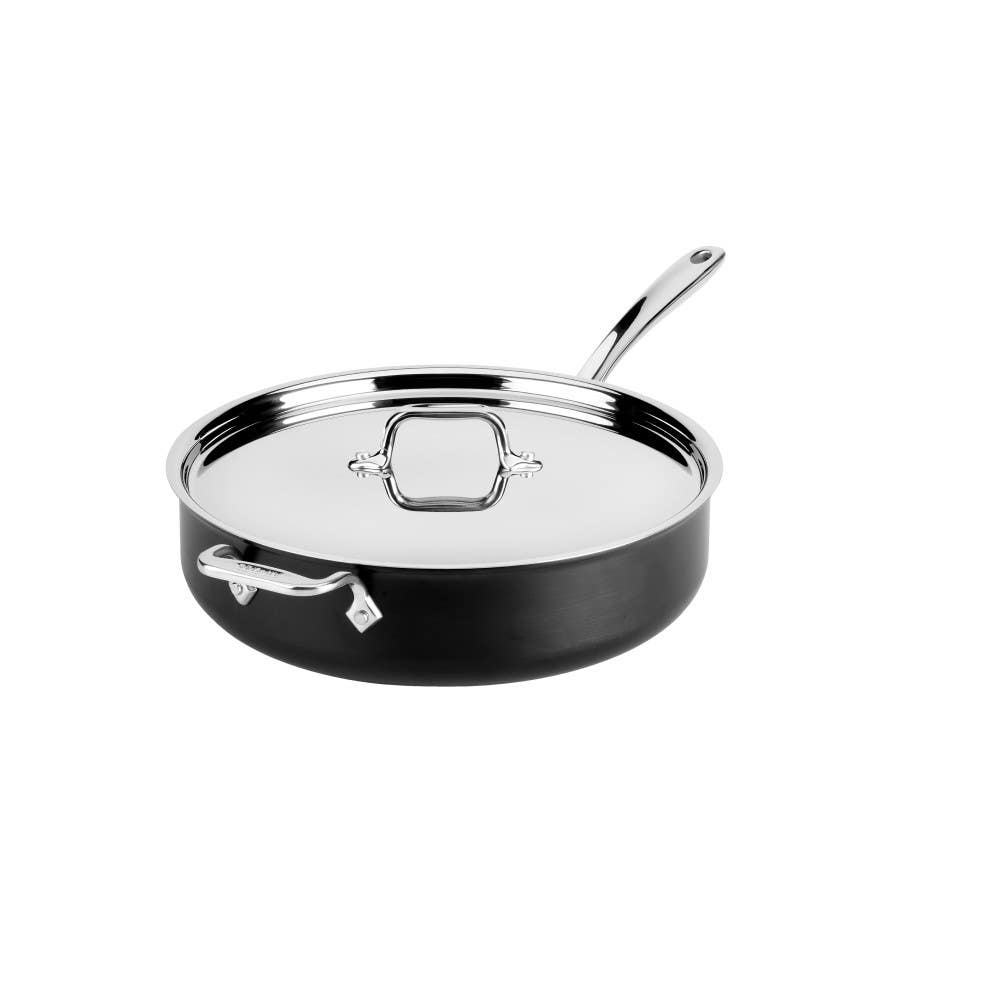
Have you ever wondered what makes All Clad non-stick cookware so special? If you want to know what its non-stick coating is made of and how it affects your cooking, you’re in the right place.
Understanding the materials behind this popular cookware can help you cook better, clean easier, and make smarter choices for your kitchen. Keep reading, and you’ll discover everything you need to know about All Clad’s non-stick coating—and why it might be the perfect fit for your cooking needs.
All Clad Non Stick Coating Basics
All Clad cookware uses special coatings to stop food from sticking. These coatings make cooking and cleaning easier. Understanding what these coatings are made of helps you use your cookware better.
All Clad focuses on safety and performance. Their non stick coatings combine different materials for durability and non stick power.
Core Materials Used
The base of All Clad cookware is usually stainless steel or aluminum. The non stick coating goes on top of these metals. The coating has layers that help food release easily and last long.
- Polytetrafluoroethylene (PTFE): A common non stick material that is safe and smooth.
- Ceramic: A natural, non stick layer that resists heat well.
- Hard-anodized aluminum: Provides a strong base and helps even heating.
- Protective primers: Layers that help the coating stick to the pan.
Types Of Non Stick Surfaces
All Clad offers different non stick surfaces. Each type has unique features for various cooking needs. Some are better for high heat, while others focus on easy cleaning.
| Surface Type | Material | Key Feature |
| Classic Non Stick | PTFE-based | Easy food release and cleaning |
| Ceramic Coating | Silicon and oxygen | Natural and metal utensil safe |
| Hard Anodized | Aluminum alloy | Durable and scratch resistant |
| Multi-Layer Coating | PTFE with extra layers | Longer wear and better durability |

Credit: prudentreviews.com
Key Components In Coating
All Clad non-stick coating is made using special materials. These materials make the surface smooth and easy to clean.
The coating has different parts that work together to stop food from sticking. Each part plays a key role in the coating’s strength and safety.
Polytetrafluoroethylene (ptfe)
PTFE is a main ingredient in All Clad non-stick coatings. It is a type of plastic that is very slippery. This stops food from sticking to the pan.
PTFE also resists heat and chemicals. This helps the coating last longer and stay safe to use.
Ceramic Elements
Some All Clad coatings include ceramic parts to add strength. Ceramic is hard and can handle high heat well.
Ceramic elements improve the coating’s durability. They help prevent scratches and make the surface tough.
Reinforcements And Layers
The coating has many layers to protect the pan. Each layer adds strength or helps stick the coating to the metal.
Reinforcements like tiny particles or mesh are added. These make the coating harder and more resistant to damage.
Manufacturing Process
The All Clad non-stick coating is made through a precise manufacturing process. It ensures the coating sticks well and lasts long. This process involves several key stages that prepare, apply, and finish the coating.
Each step focuses on quality and durability. The process starts with surface preparation, moves to application techniques, and ends with curing and finishing.
Surface Preparation
The metal surface is cleaned and smoothed before applying the non-stick coating. This step removes dirt, oil, and old residues. It helps the coating bond firmly to the metal.
- Degreasing to remove oils
- Abrasive blasting to roughen the surface
- Cleaning with solvents to eliminate dust
- Drying to prevent moisture
Application Techniques
The non-stick coating is applied using special methods to ensure even coverage. The coating usually has multiple layers for better performance and durability.
| Technique | Description |
| Spray Coating | Fine mist covers the surface evenly |
| Roll Coating | Roller spreads the coating in layers |
| Electrostatic Spray | Charged particles stick better to metal |
Curing And Finishing
After applying, the coating is heated to harden and bond it to the cookware. This step gives the coating strength and resistance.
The curing process includes:
- Heating at high temperatures for a set time
- Cooling slowly to avoid cracks
- Final inspection for any defects

Credit: www.all-clad.com
Durability And Safety
All Clad non stick coatings are made to last long and keep you safe while cooking. They use strong materials that resist damage.
Understanding the coating’s scratch resistance, heat tolerance, and chemical safety helps you use it correctly and enjoy its benefits.
Scratch Resistance
The non stick coating on All Clad pans is designed to resist scratches from regular kitchen tools. This helps keep the surface smooth and effective.
- Made with tough materials like PTFE
- Can handle metal utensils carefully
- Cleaning with soft sponges protects the surface
- Avoid sharp objects to extend coating life
Heat Tolerance
All Clad non stick coatings tolerate heat well. They work safely at cooking temperatures without breaking down or releasing harmful fumes.
| Temperature Range | Safe Use |
| Up to 500°F (260°C) | Normal cooking and frying |
| Above 500°F (260°C) | Avoid to prevent damage |
Chemical Safety
The coating is free from harmful chemicals like PFOA. It does not react with food or cleaning agents, keeping your meals safe.
Key chemical safety features:
- Non-toxic materials
- No release of harmful fumes
- Safe with common kitchen detergents
- Complies with food safety standards
Comparing With Other Non Stick Coatings
All Clad non stick coatings differ from many common coatings. Understanding these helps in choosing the right cookware.
This article compares All Clad coatings with traditional Teflon, ceramic, and eco-friendly options.
Traditional Teflon Coatings
Teflon coatings use PTFE, which is very smooth and non-stick. These coatings are popular but can wear out with high heat.
- Made from polytetrafluoroethylene (PTFE)
- Provides excellent non-stick surface
- Can degrade above 500°F (260°C)
- May release fumes if overheated
- Needs careful handling to avoid scratches
Ceramic Vs Ptfe
Ceramic coatings use a silica-based layer. They resist heat better but may lose non-stick power faster.
| Feature | Ceramic Coating | PTFE Coating |
| Material | Silica-based | Polytetrafluoroethylene |
| Heat Resistance | Up to 600°F (315°C) | Up to 500°F (260°C) |
| Non-stick Quality | Good initially, may reduce | Very good, lasts longer |
| Durability | Less scratch resistant | More scratch resistant |
| Cleaning | Easier, less toxic | Easy but requires care |
Eco-friendly Alternatives
New coatings try to reduce chemicals and pollution. Some use natural or recycled materials.
- Use fewer harmful chemicals
- Made from natural minerals or recycled parts
- Offer decent non-stick surface
- May cost more than traditional coatings
- Focus on sustainability and safety
Care And Maintenance Tips
All Clad non-stick coating needs proper care to last longer. Follow simple steps to keep it clean and safe.
Good maintenance helps keep the coating working well and avoids damage.
Cleaning Methods
Clean your All Clad pans carefully to protect the non-stick surface. Use gentle tools and mild cleaners.
- Use warm water and soft sponge or cloth
- Wash with mild dish soap, no harsh detergents
- Avoid steel wool or abrasive scrubbers
- Rinse thoroughly and dry with a soft towel
- For stuck food, soak in warm soapy water before cleaning
Avoiding Damage
Handle your non-stick pans with care to stop scratches and wear. Use the right utensils and cooking methods.
- Use wooden, silicone, or plastic utensils only
- Do not cut food inside the pan
- Avoid cooking on very high heat settings
- Do not stack pans without protection between them
- Do not use metal scrubbers or sharp tools
Extending Coating Life
Follow these tips to help your pan’s non-stick coating last longer and keep working well.
| Tip | Why It Helps |
| Use low to medium heat | Prevents coating damage from high temperatures |
| Season the pan lightly with oil | Keeps surface smooth and non-stick |
| Store carefully | Prevents scratches and dents |
| Clean after each use | Stops buildup that harms coating |

Credit: cookswarehouse.com
Frequently Asked Questions
What Materials Are In All Clad Non Stick Coating?
All Clad non stick coating is typically made from PTFE, which is a synthetic polymer. This coating provides a smooth surface that prevents food from sticking. It’s bonded to the cookware through a multi-layer process, enhancing durability. This ensures a long-lasting, high-performance non stick surface.
Is All Clad Non Stick Coating Safe?
Yes, All Clad non stick coating is safe for everyday cooking. It is free from PFOA, a potentially harmful chemical. The coating is applied under strict quality controls. This ensures that it meets safety standards and is safe for use at recommended temperatures.
How Durable Is All Clad Non Stick Coating?
All Clad non stick coating is renowned for its durability. With proper care, it withstands frequent use without peeling. The multi-layer application process ensures the coating lasts long. Avoid using metal utensils to maintain its non stick properties and longevity.
Can All Clad Non Stick Coating Be Used In The Oven?
Yes, All Clad non stick cookware is oven-safe up to 500°F. This makes it versatile for various cooking methods. However, always check specific product guidelines. Using it within recommended temperature limits ensures the non stick coating’s longevity and effectiveness.
Conclusion
All Clad non-stick coating uses strong materials for easy cooking. It helps food not stick to the pan. This makes cleaning quick and simple. The coating is safe for everyday use. It lasts long with proper care. Knowing what it is made of helps you choose better cookware.
This way, you cook with confidence and enjoy your meals more. Simple, durable, and effective—this coating fits many kitchens well.