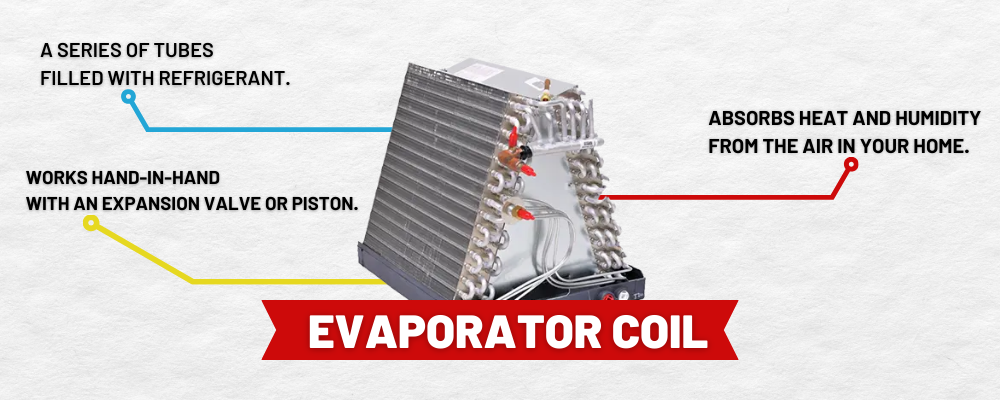
Have you ever wondered what that mysterious “coil” in your air conditioner does? Understanding this simple part can make a big difference in how well your AC cools your home and how much you spend on energy bills.
If you want to keep your air conditioner running smoothly and avoid costly repairs, knowing what an A coil is and how it works is essential. Keep reading, and you’ll discover the key role this coil plays in keeping your home comfortable all year round.
Role Of The Ac Coil
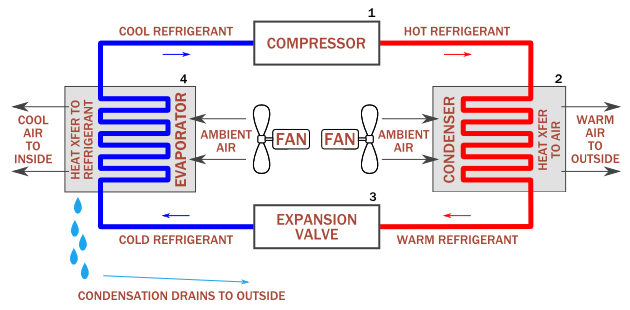
The coil in an air conditioner is a key part of the cooling system. It helps move heat from inside your home to the outside. This process keeps your rooms cool and comfortable.
AC coils come in two types: the evaporator coil and the condenser coil. Both work together to cool the air effectively.
Cooling Process Basics
The cooling process starts with warm air inside your home. The air conditioner uses the evaporator coil to cool this air. The coil contains refrigerant that absorbs heat.
- Warm air passes over the evaporator coil.
- The refrigerant inside the coil absorbs heat from the air.
- The cooled air is then blown back into the room.
- The refrigerant carries the heat to the condenser coil outside.
Heat Exchange Function
| Coil Type | Function |
| Evaporator Coil | Absorbs heat from indoor air to cool it. |
| Condenser Coil | Releases heat absorbed to the outside air. |
The coil’s job is to move heat from inside your home to the outside. This heat transfer keeps the indoor air cool and fresh.
Credit: medium.com
Types Of Ac Coils
An air conditioner uses coils to move heat and cool the air. Coils are key parts of the cooling system.
There are two main types of AC coils. Each plays a different role in the cooling process.
Evaporator Coil
The evaporator coil is inside the home. It cools the air by absorbing heat from inside.
- It contains cold refrigerant that absorbs heat.
- Air blows over the coil and cools down.
- It removes moisture from the air, helping to reduce humidity.
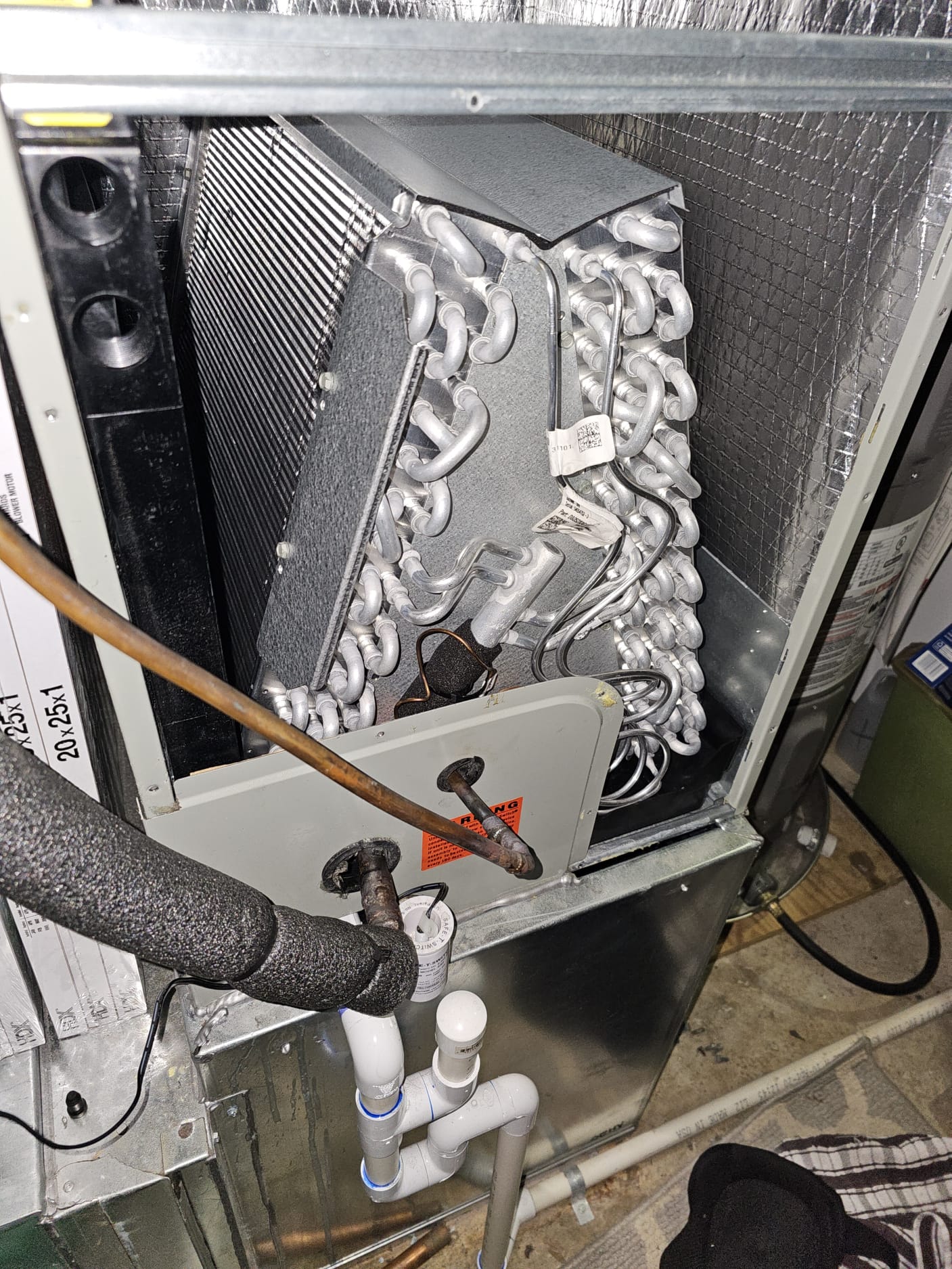
- This coil is usually located in the air handler or furnace.
Condenser Coil
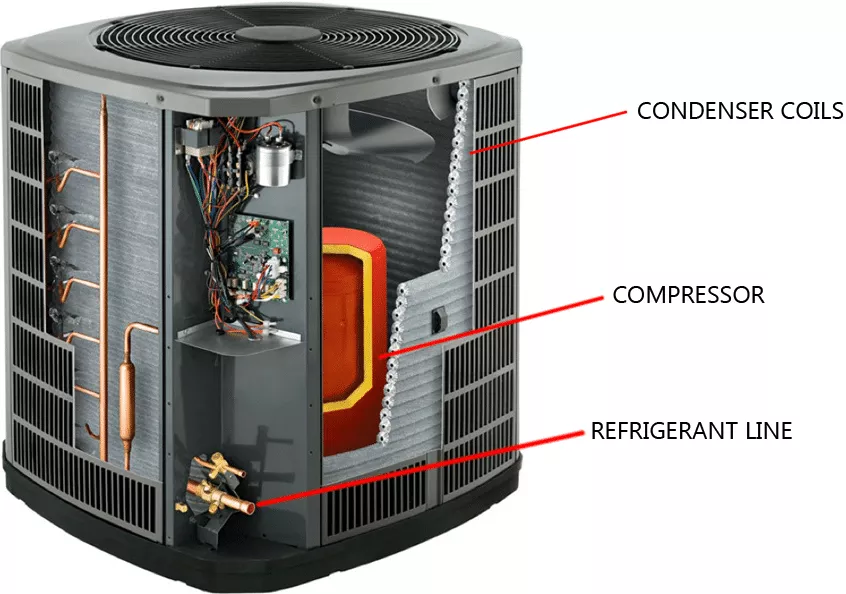
The condenser coil is outside the house. It releases the heat absorbed from inside to the outside air.
| Feature | Description |
| Location | Outside unit |
| Function | Releases heat from refrigerant |
| Heat Transfer | Moves heat from inside to outside |
| Cooling Process | Prepares refrigerant to cool again |
Materials Used In Ac Coils
Air conditioner coils are essential parts that help cool the air. They are made from different materials to improve performance and durability. Choosing the right material affects how well the AC works and how long it lasts.
The two main materials used for AC coils are copper and aluminum. Each has its own strengths and weaknesses. Let’s look at these materials and what makes them popular choices for AC coils.
Copper Coils
Copper is a common material for AC coils because it has excellent heat transfer properties. Copper coils help cool the air faster and more efficiently. They also resist corrosion well, which means they last a long time.
- High thermal conductivity for better cooling
- Strong and durable against wear and tear
- Resistant to corrosion and rust
- Easier to repair if damaged
- More expensive than aluminum
Aluminum Coils
Aluminum coils are lighter and cheaper than copper coils. They are also good at transferring heat but not as effective as copper. Aluminum coils are often used in newer AC models because they reduce the overall weight and cost.
| Property | Copper Coils | Aluminum Coils |
| Heat Transfer | Excellent | Good |
| Weight | Heavier | Lighter |
| Cost | Higher | Lower |
| Durability | Very Durable | Moderate |
| Corrosion Resistance | High | Moderate |
Credit: www.logan-inc.com
Common Coil Issues
The coil in an air conditioner is very important. It helps cool the air by moving heat out of your home. If the coil has problems, the air conditioner may not work well.
Many common issues can happen to the coil. These problems can make your air conditioner less efficient or cause it to stop working. Knowing about these issues helps you fix them fast.
Coil Freezing
Coil freezing happens when the coil gets too cold. Ice forms on the coil and blocks air from passing through. This can stop your air conditioner from cooling properly.
Freezing often happens because of low refrigerant or poor airflow. If you see ice, turn off the unit and let it thaw. Then check for leaks or dirty filters.
Leaks And Corrosion
Leaks in the coil let refrigerant escape. This lowers cooling power and can damage the system. Corrosion happens when moisture causes metal parts to rust or wear out.
Corrosion weakens the coil and can cause leaks. It is important to check the coil for rust or holes. Fix leaks quickly to keep your air conditioner working well.
Dirt And Debris Build-up
Dirt and debris can cover the coil’s surface. This blocks heat transfer and lowers cooling efficiency. The air conditioner has to work harder to cool your home.
Clean the coils regularly to remove dust, leaves, and other debris. This keeps your air conditioner running smoothly and saves energy.
- Reduced cooling power
- Higher energy bills
- Possible system damage
Maintenance Tips For Ac Coils
AC coils help cool your home by moving heat out of the air. Keeping them clean and in good shape keeps your AC running well.
Proper care of AC coils can save energy and avoid breakdowns. Here are some tips to help you maintain them.
Regular Cleaning
Dust and dirt build up on coils and reduce their ability to cool. Cleaning them often helps the AC work efficiently.
- Turn off the power before cleaning the coils.
- Use a soft brush or vacuum to remove dirt gently.
- Clean the fins carefully to avoid bending them.
- Wash the coils with water or a coil cleaner if needed.
- Let the coils dry completely before turning the AC back on.
Professional Inspections
Experts can spot issues that are hard to see. They check the coils and other parts for damage or leaks.
| Inspection Item | What It Means |
| Coil Condition | Look for dirt, rust, or damage |
| Refrigerant Levels | Ensure proper cooling power |
| Airflow | Check for blockages or fan issues |
| Drainage | Prevent water build-up and mold |
Preventive Measures
Taking simple steps can protect your AC coils and avoid costly repairs.
- Keep the area around your AC unit clean and free from debris.
- Change or clean air filters regularly to reduce dust on coils.
- Trim plants and bushes near the outdoor unit to allow good airflow.
- Use a cover for the outdoor unit in winter to protect coils from ice.
- Schedule regular maintenance checks with a trusted technician.
Signs Of Coil Problems
The coil in an air conditioner helps cool the air. It moves heat from inside your home to the outside.
If the coil has issues, your air conditioner may not work well. Look for these common signs of coil problems.
Reduced Cooling Efficiency
A damaged or dirty coil makes the air conditioner cool less. You may feel less cold air coming out of the vents.
- Air takes longer to cool your room
- Rooms do not reach the set temperature
- Unit cycles on and off frequently
Unusual Noises
Coil problems can cause strange sounds from your air conditioner. These noises show that the unit is working harder.
| Noise Type | Possible Cause |
| Hissing | Refrigerant leak near the coil |
| Clanking | Coil damage or loose parts |
| Buzzing | Electrical issues related to the coil |
Increased Energy Bills
If the coil is not working properly, the air conditioner uses more power. This raises your energy bills.
- Coil dirt reduces heat transfer, making AC run longer
- Leaking refrigerant lowers cooling, causing more use
- Damage makes the system less efficient overall
Replacing Or Repairing Ac Coils
The coil in an air conditioner is important for cooling your home. It helps move heat out of the air. Over time, coils can get dirty, leak, or break.
Knowing when to repair or replace the coil can save you money and keep your AC running well. This guide explains what to look for.
When To Repair
Repair the coil if the damage is small and fixable. Small leaks or dirt build-up can often be cleaned or patched. Repair is a good choice if your AC is otherwise in good shape.
Repairing saves money and helps your unit last longer. A technician can test the coil and fix minor problems quickly.
When To Replace
Replace the coil if it has big leaks or severe rust damage. Old coils that break often need full replacement. If repair costs are high, replacing might be cheaper.
Replacing the coil is best when your air conditioner is old or has many issues. A new coil improves cooling and efficiency.
Cost Considerations
Repairing coils usually costs less but may not last long. Replacement costs more but saves money in the long run. Labor and parts affect the price.
- Repair: $100 to $400 depending on damage
- Replacement: $600 to $1,200 or more
- Older units may have higher replacement costs
- Regular maintenance reduces repair needs
Credit: kayplumbing.com
Frequently Asked Questions
What Is The Purpose Of A Coil In An Air Conditioner?
A coil in an air conditioner transfers heat between air and refrigerant. It cools indoor air by absorbing heat and releasing it outside, ensuring efficient temperature control.
How Does The Evaporator Coil Work In Ac Units?
The evaporator coil absorbs heat from indoor air. Refrigerant inside the coil evaporates, cooling the air, which is then circulated back into the room for a comfortable environment.
What Materials Are Air Conditioner Coils Made Of?
Air conditioner coils are typically made of copper or aluminum. These materials conduct heat efficiently, improving the cooling process and ensuring long-lasting performance.
Why Is Coil Maintenance Important For Air Conditioners?
Regular coil maintenance prevents dirt buildup, which reduces efficiency. Clean coils improve airflow, enhance cooling, and extend the lifespan of the air conditioning system.
Conclusion
Understanding the A-coil is key for air conditioner maintenance. It helps cool your home efficiently. Regular cleaning keeps it in top shape. Avoid costly repairs with simple upkeep. Check for dust and debris frequently. Professional help ensures proper care. Remember, a well-maintained A-coil boosts performance.
And extends the life of your air conditioner. Keep your home comfortable and energy-efficient. With just a little attention, your A-coil will work smoothly. Enjoy a cool and pleasant living space year-round. Simple steps lead to big savings and comfort.
Stay cool, stay informed.