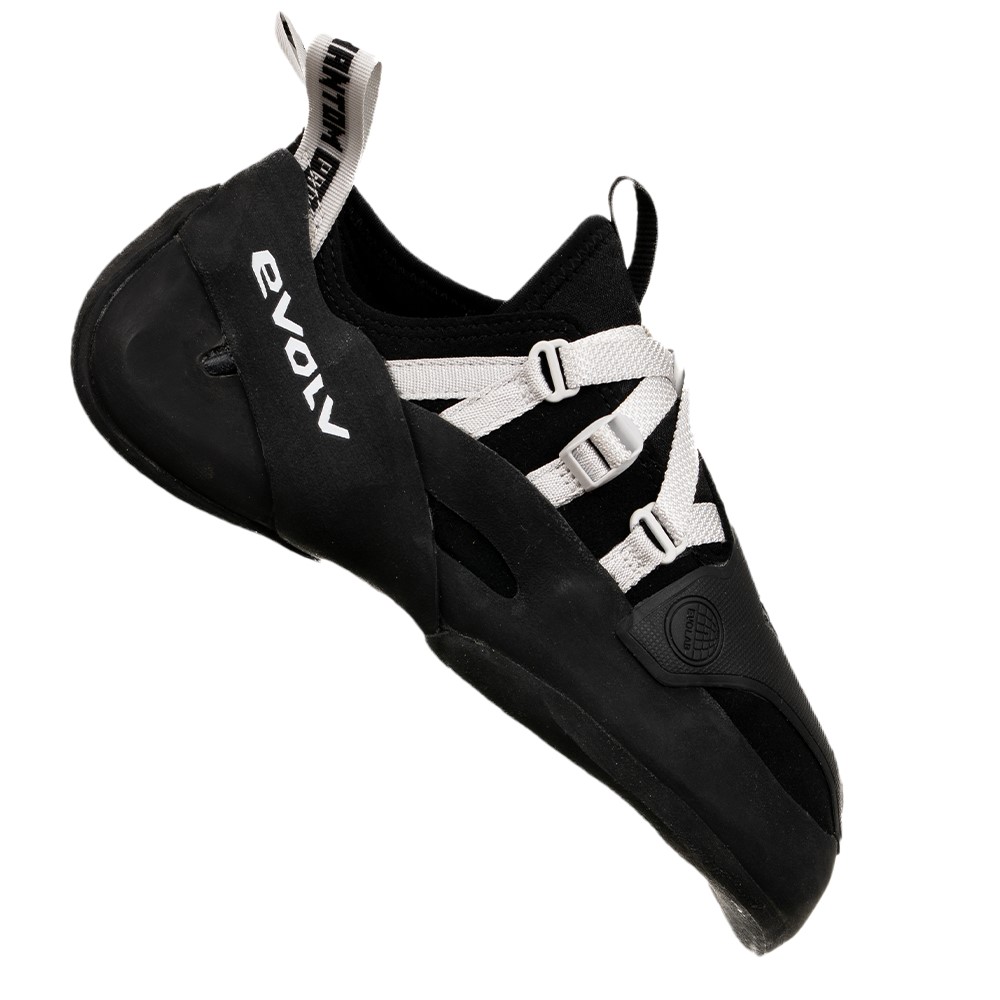
Are you ready to take your climbing skills to the next level? If so, understanding what an aggressive climbing shoe is could be a game-changer for you.
These shoes are designed to give you the edge on steep, challenging routes where precision and power matter most. But what makes them different from regular climbing shoes? And how can the right pair help you climb harder and feel more confident on the wall?
Keep reading to discover everything you need to know about aggressive climbing shoes—and how they can transform your climbing experience.
Aggressive Climbing Shoes Explained
Aggressive climbing shoes are designed for hard climbs. They help climbers stick to small holds and steep surfaces.
These shoes focus on performance and precision. They work best for advanced climbers on tough routes.
Key Features
Aggressive climbing shoes have a sharp toe and strong grip. They push your foot into a curved shape to improve control.
These shoes often have tight fits and sticky rubber soles. They help you hold on to tiny edges and cracks.
- Downturned toe for better precision
- Tight fit for foot stability
- Sticky rubber for grip
- Reinforced toe area
Design And Shape
The shape of aggressive shoes is curved. This curve points the toes down to focus power on the front.
This design helps climbers hold on to steep surfaces. The tight fit keeps the foot from moving inside the shoe.
- Downturned toe box
- Asymmetric shape focusing power on big toe
- Low volume for snug fit
- Velcro straps or laces for secure hold
Materials Used
Aggressive climbing shoes use durable materials. The upper is usually made of leather or synthetic fabric for comfort.
The soles use sticky rubber to increase friction. Some shoes add rubber on the toe for extra grip and protection.
- Leather or synthetic uppers
- Sticky rubber soles
- Rubber toe guards
- Padded linings for comfort
Benefits For Climbers
Aggressive climbing shoes are designed for performance. They help climbers excel on challenging routes. These shoes have distinct features that offer several benefits.
Understanding these benefits can help climbers choose the right gear. This can improve their climbing experience significantly.
Enhanced Precision
Aggressive climbing shoes have a downturned shape. This design focuses power on the toes. It allows climbers to place their feet precisely on small holds.
The precision offered by these shoes can be measured in:
- Improved foot placement
- Better balance on narrow edges
- More control on technical routes
Improved Power Transfer
The snug fit of aggressive shoes aids in power transfer. This fit helps climbers apply force more effectively. Power is directed from the feet to the rock with minimal loss.
- Efficient force application
- Enhanced grip on steep surfaces
- Increased push on small holds
Optimal Support On Overhangs
Aggressive shoes provide support on overhanging routes. They help climbers maintain grip and balance. This makes challenging climbs more manageable.
| Feature | Benefit |
| Downturned Shape | Better grip on overhangs |
| Tight Fit | Enhanced stability |
| Sticky Rubber | Increased friction |
Types Of Aggressive Climbing Shoes
Aggressive climbing shoes are designed for steep and challenging climbs. They help climbers keep their feet on small holds and edges. There are different types of aggressive shoes to fit various climbing needs.
Understanding the main types can help you choose the right shoe for your climbing style. Below are key categories of aggressive climbing shoes.
Downturned Shoes
Downturned shoes have a curved shape that points the toe downward. This shape helps climbers put more power on their toes. It is very useful for overhanging routes and small footholds.
- Concentrates pressure on the big toe
- Improves precision on tiny holds
- Supports steep climbing styles
- Can feel tight and less comfortable for long climbs
Asymmetric Designs
Asymmetric climbing shoes focus your foot’s power toward the big toe. They have an angled shape that helps with balance and precision. These shoes are often combined with downturned designs for better performance.
| Feature | Description |
| Shape | Angled toward the big toe |
| Use | Small edges and cracks |
| Comfort | Less comfortable than flat shoes |
| Performance | High precision and power |
Velcro Vs Lace-up
Aggressive climbing shoes come with two main closure types: velcro and lace-up. Each type has its own benefits and suits different needs.
- Velcro:Easy to put on and take off quickly. Good for bouldering and short climbs.
- Lace-up:Offers a more precise fit. Better for long climbs and varied foot shapes.
Choosing The Right Size And Fit
Aggressive climbing shoes are designed for precision and power on tough routes. Picking the right size and fit is very important for comfort and performance.
These shoes fit tighter than regular shoes. The right fit helps you climb better and avoid pain or injury.
Sizing Tips
Aggressive climbing shoes should feel snug but not painful. Your toes might curl slightly inside the shoe.
Try shoes on later in the day when your feet are a bit swollen. This helps find a size that fits all day.
- Measure your foot length and width before buying.
- Check brand size charts because sizes vary.
- Wear thin climbing socks or no socks when trying.
- Move your foot to check for any slipping inside.
- Pick a size that feels tight but not sharp pain.
Common Fit Issues
Tight climbing shoes can cause discomfort or skin problems. Some common issues include hot spots, numb toes, and blisters.
If your shoes pinch your heel or cause pain on top of your foot, they might be too small or not shaped well for your foot.
- Too tight: causes pain and reduces blood flow.
- Too loose: leads to slipping and less control.
- Pressure on toes: may cause black toenails or bruises.
- Heel slipping: reduces stability on climbs.
Breaking In Your Shoes
New aggressive climbing shoes feel stiff at first. Breaking them in softens the material and improves fit.
Wear the shoes for short sessions to let them stretch a little. Do not overuse them right away to avoid pain or injury.
- Wear shoes around the house for 30 minutes daily.
- Use climbing sessions to gradually increase wear time.
- Avoid stretching shoes with water or heat, as it can damage them.
- Replace shoes when they no longer fit well or lose performance.
When To Use Aggressive Shoes
Aggressive climbing shoes have a pointed toe and a downturned shape. They help climbers grip small holds and steep surfaces better.
These shoes are best for specific types of climbing. Understanding when to use them can improve your climbing performance and comfort.
Sport Climbing
Aggressive shoes work well for sport climbing on steep walls. They let you put more force on tiny footholds. This helps when routes have overhangs or small edges.
Using aggressive shoes can improve your precision and power on difficult climbs. They provide better control on technical moves.
Bouldering
Bouldering often involves short, hard problems with tricky footwork. Aggressive shoes help you hook toes and stand on small holds.
- Use aggressive shoes on steep or overhanging boulders.
- They help with heel and toe hooks.
- Great for powerful moves and precision.
- Not ideal for long sessions due to tight fit.
Crack Climbing Considerations
Crack climbing needs shoes that protect your feet inside cracks. Aggressive shoes can be too tight and uncomfortable here.
| Factor | Aggressive Shoes | Other Shoe Types |
| Comfort | Low for long crack climbs | Higher with softer shoes |
| Foot Protection | Poor for wide cracks | Good for jamming and smearing |
| Performance | Good on edges near cracks | Better inside cracks |
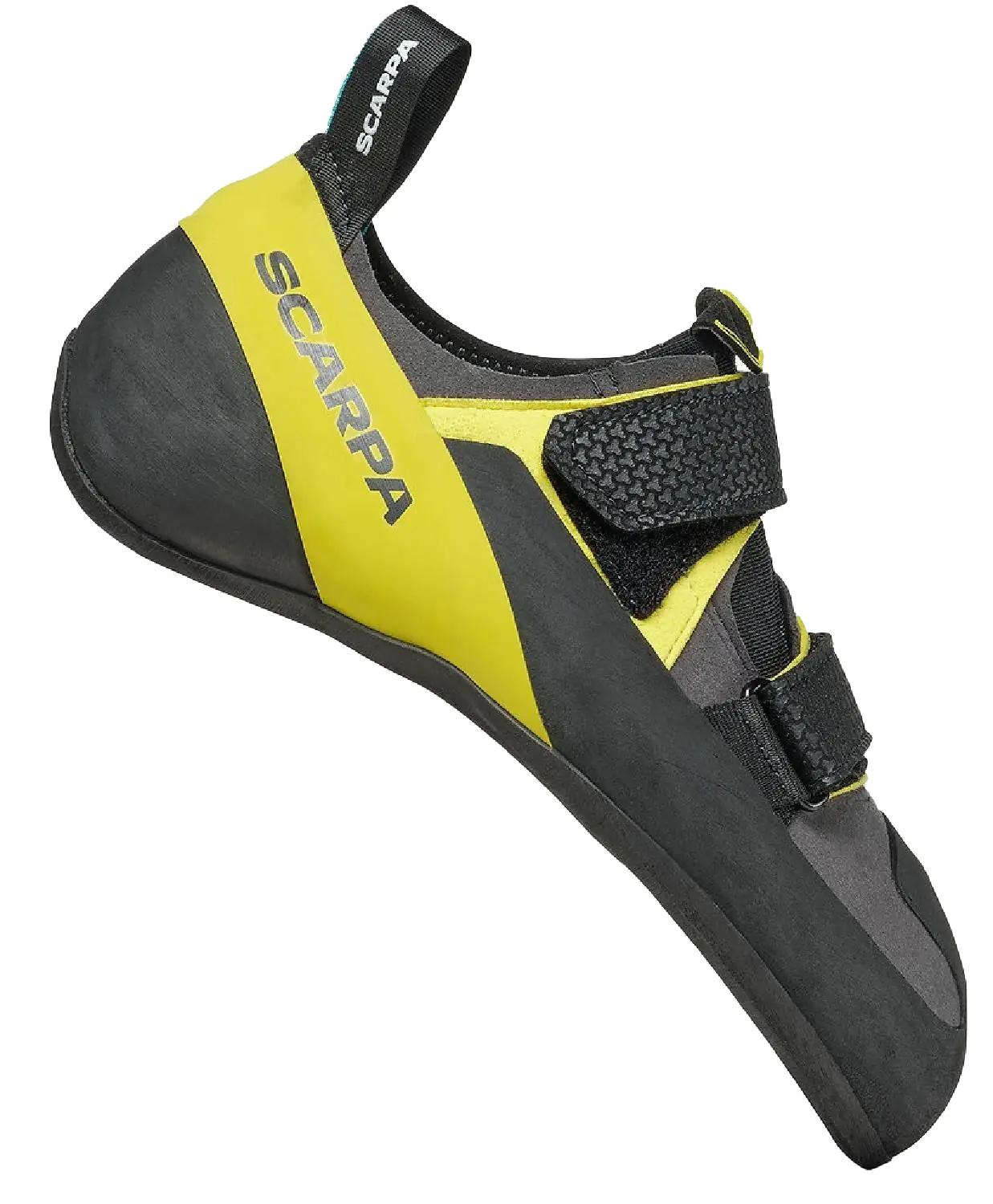
Credit: gearjunkie.com
Care And Maintenance
Aggressive climbing shoes need proper care to keep their performance. Good maintenance helps your shoes last longer and stay comfortable.
Regular cleaning and timely repairs prevent damage and improve the fit over time. Follow simple tips to protect your investment.
Cleaning Tips
Cleaning your climbing shoes removes dirt and sweat that cause odor and break down materials.
- Remove insoles and laces before cleaning.
- Use a soft brush to clear dirt from the sole and upper parts.
- Wipe the inside with a damp cloth and mild soap.
- Let shoes air dry at room temperature away from direct heat.
- Do not soak shoes in water or use harsh chemicals.
Resolving And Repairs
Fix small problems early to avoid bigger damage. Check shoes often for tears and sole wear.
- Patch small holes with climbing shoe glue or tape made for rubber.
- Replace worn soles at a professional cobbler who knows climbing shoes.
- Re-stitch loose seams to keep the shoe shape intact.
- Store shoes dry to prevent mold and glue failure.
Extending Shoe Lifespan
| Care Tip | Benefit |
|---|---|
| Rotate between two pairs | Allows shoes to dry fully, reducing odor and wear |
| Store shoes in a cool, dry place | Prevents material breakdown and mold growth |
| Avoid walking on rough surfaces | Protects the rubber sole from premature wear |
| Use shoe trees or stuff with paper | Maintains shape and reduces creases |
Popular Brands And Models
Aggressive climbing shoes are designed for steep and difficult climbs. They have a sharp toe and strong grip. Many brands offer models made for this style.
These shoes help climbers perform better on small holds. The right pair fits well and feels comfortable during climbs.
Top Performers
Top climbing shoe brands have models trusted by many climbers. These shoes offer strong support and precision.
- La Sportiva Solution – Known for excellent toe power
- Five Ten Hiangle – Offers great sensitivity and grip
- Scarpa Drago – Lightweight with sharp design
- Evolv Shaman – Comfortable with a strong fit
Budget-friendly Options
Not all climbing shoes are expensive. Some brands offer good shoes for less money. These are great for beginners or casual climbers.
- Mad Rock Drone – Affordable with solid performance
- La Sportiva Tarantula – Good fit and price
- Black Diamond Momentum – Comfortable and budget-friendly
- Tenaya Oasi – Offers quality at a lower cost
Innovative Features
Some climbing shoes include new features to improve climbing. These features help with comfort, fit, and grip.
- Asymmetrical shape for better toe precision
- Sticky rubber soles for improved grip
- Velcro straps for easy adjustments
- Advanced heel cups for secure heel hooking
- Breathable materials to reduce sweat
Credit: www.vertical-addiction.com

Credit: www.rei.com
Frequently Asked Questions
What Defines An Aggressive Climbing Shoe?
An aggressive climbing shoe has a downturned shape designed for steep climbs. It provides strong toe power and precision on small footholds. These shoes are stiff with a snug fit for maximum control.
When Should I Use Aggressive Climbing Shoes?
Use aggressive shoes for overhangs, cracks, and technical routes. They excel on challenging climbs requiring strong foot placement. Avoid them for long hikes due to reduced comfort.
How Do Aggressive Climbing Shoes Improve Performance?
They increase toe strength and sensitivity, allowing precise foot placements. The downturned shape focuses power on the toes. This helps in maintaining grip on difficult holds.
Are Aggressive Climbing Shoes Suitable For Beginners?
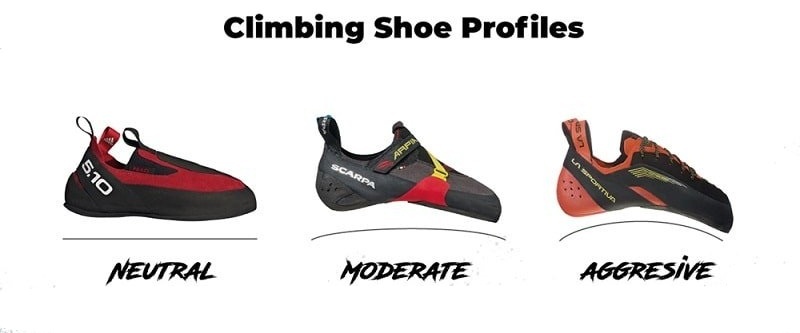
Aggressive shoes are not ideal for beginners. They require time to break in and can feel uncomfortable. Beginners benefit more from neutral or moderate shoes for all-day comfort.
Conclusion
Aggressive climbing shoes help you climb steep and difficult routes. They have a pointed shape for better grip on small holds. These shoes fit tightly to give more control and precision. Using them can improve your climbing performance on tough problems.
Choose a pair that feels comfortable and matches your climbing style. Remember, the right shoes make a big difference in climbing success. Try them out and see how they help you climb harder.