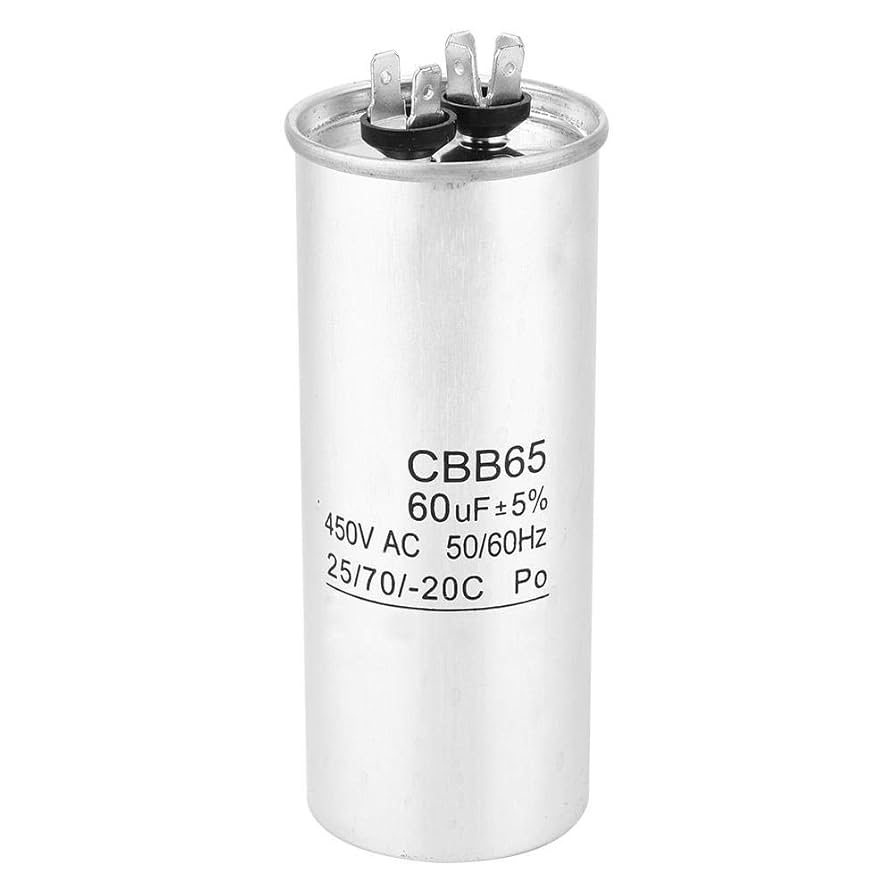
Have you ever wondered why your air conditioner suddenly stops cooling or struggles to start? The secret often lies in a small but powerful part called the air conditioner capacitor.
This tiny component plays a big role in keeping your AC running smoothly and efficiently. If you want to understand how your air conditioner works and avoid costly repairs, learning about the capacitor is a smart first step. Keep reading to discover what an air conditioner capacitor is, why it matters to your comfort, and how it affects your cooling system’s performance.
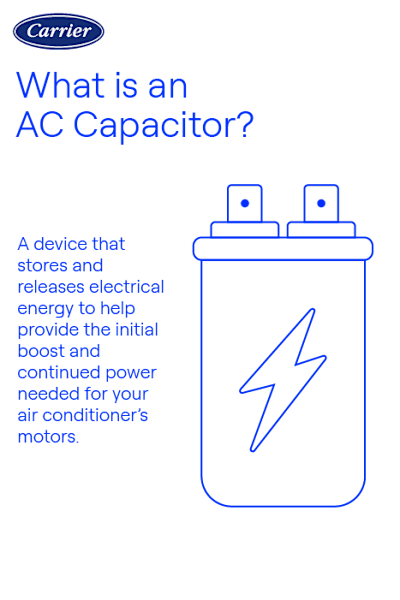
Credit: www.carrier.com
Role Of An Ac Capacitor
An air conditioner capacitor stores electrical energy. It helps start and run parts of the AC system. Without it, the AC may not work properly.
The capacitor plays a key role in two main functions: starting the compressor and powering the fan motor. It also comes in different types for various uses.
Starting The Compressor
The compressor needs a strong push to start moving. The capacitor gives this extra energy boost. It stores electricity and releases it to start the compressor motor quickly and smoothly.
Powering The Fan Motor
The fan motor moves air over the AC coils. The capacitor helps by keeping the fan motor running at a steady speed. This saves energy and prevents the motor from burning out.
- Improves motor efficiency
- Reduces power consumption
- Extends fan motor life
- Keeps airflow steady
Types Of Capacitors
| Type | Function | Common Use |
| Start Capacitor | Provides extra starting power | Starting the compressor |
| Run Capacitor | Helps motors run continuously | Fan motors and compressors |
| Dual Capacitor | Combines start and run functions | Both fan motor and compressor |
Signs Of A Faulty Capacitor
An air conditioner capacitor helps start the motor and keep it running. If it fails, the AC may show certain signs. Knowing these signs can help you spot problems early.
Look for unusual sounds, trouble starting, or less cooling power. These symptoms often mean the capacitor needs attention or replacement.
Unusual Noises
A bad capacitor can cause strange noises from your AC unit. You may hear humming, buzzing, or clicking sounds. These noises happen because the motor struggles to start or run smoothly.
Pay attention to these noises. They can be an early warning that the capacitor is failing and needs checking.
Ac Not Starting
If your air conditioner does not start or takes a long time, the capacitor could be the cause. It provides the initial boost for the motor. A weak or dead capacitor cannot supply enough power.
- AC tries to start but fails
- Unit clicks but does not turn on
- Fan does not spin at all
- Sudden stops during operation
Reduced Cooling Efficiency
A faulty capacitor can reduce your AC’s cooling power. The motor runs slower or less often, so the air is not as cool as before. This issue raises your electric bills too.
| Symptom | Effect on Cooling | Cause |
| Weak airflow | Less cold air | Motor runs slow |
| Frequent cycling | Inconsistent cooling | Capacitor can’t hold charge |
| Longer run times | Higher energy use | Motor struggles to start |
Testing The Capacitor
An air conditioner capacitor helps the unit start and run. Testing it shows if it works right or needs replacing.
You can test the capacitor using simple tools and steps. Always check for safety first before testing.
Visual Inspection
Look at the capacitor closely before testing with tools. Check for signs of damage or wear.
Bulges, cracks, or leaks mean the capacitor is bad. If it looks normal, testing can confirm its condition.
- Check for swollen or bulging sides
- Look for oil or liquid leaks
- Inspect for any cracks or burns
- Make sure terminals are clean and tight
Using A Multimeter
A multimeter measures the capacitor’s electrical charge. This helps see if it still holds power correctly.
Set the multimeter to the capacitance mode. Disconnect the capacitor and discharge it before testing.
- Turn off power and unplug the AC unit
- Use a screwdriver to discharge the capacitor
- Set multimeter to measure capacitance (µF)
- Connect probes to capacitor terminals
- Compare reading to capacitor’s rating
Safety Precautions
Capacitors store electrical energy. Handling them carelessly can cause shocks or injury.
Always turn off power and discharge the capacitor before touching it. Wear protective gear for safety.
- Switch off power at the breaker
- Use insulated tools only
- Discharge capacitor using a screwdriver with an insulated handle
- Wear safety glasses and gloves
- Do not touch terminals directly

Credit: www.amazon.com
Replacing The Capacitor
An air conditioner capacitor helps start the motor and keep it running. If it fails, the AC may not work properly. Replacing the capacitor can fix many common AC problems.
It is important to choose the right capacitor and follow safety steps during replacement. This guide explains how to replace the capacitor safely and when to call a professional.
Selecting The Right Capacitor
Pick a capacitor that matches your air conditioner’s model and specifications. Using the wrong capacitor can damage the unit or cause it to fail again.
Check the voltage, microfarads (µF), and shape before buying. These details are usually on the old capacitor’s label.
- Match the microfarads (µF) rating exactly
- Voltage rating should be the same or higher
- Choose the right terminal type (two or three terminals)
- Use a capacitor designed for air conditioners
Step-by-step Replacement
Turn off the power to the air conditioner before starting. This prevents electric shock. Use a screwdriver to open the AC panel and locate the capacitor.
Discharge the capacitor by touching the terminals with a metal tool. Remove the wires carefully, noting their positions. Take out the old capacitor and install the new one in the same way.
- Switch off power and unplug the unit
- Open the AC panel to access the capacitor
- Discharge the capacitor safely
- Note wire locations and disconnect wires
- Remove the old capacitor
- Install the new capacitor and reconnect wires
- Close the panel and restore power
When To Call A Professional
If you feel unsure about working with electrical parts, call a professional. Capacitors store high voltage and can cause injury if handled wrong.
Also, call a technician if your AC has other problems besides the capacitor. They can diagnose and fix the full issue safely.
- Unsure about electrical safety
- Cannot identify the right capacitor
- Other AC parts seem broken
- Unit still fails after capacitor change
Maintaining Your Ac Capacitor
An air conditioner capacitor helps start and run the motor. It stores electrical energy for the AC unit. Keeping it in good shape is important for smooth operation.
Regular care can prevent breakdowns and save money. Learn how to check and protect your AC capacitor.
Regular Inspections
Look at your capacitor often to spot problems early. Check for bulges, leaks, or rust on the casing. Listen for strange noises when the AC starts.
- Turn off power before inspecting
- Use a flashlight to see clearly
- Look for physical damage or oil spots
- Check wiring connections for looseness
- Note any unusual smells like burning
Preventive Measures
Taking steps to protect your capacitor helps it last longer. Avoid moisture and extreme temperatures near the unit. Keep the area clean and dry.
| Preventive Action | Why It Helps |
| Turn off power during storms | Prevents power surges |
| Keep unit shaded | Reduces heat stress |
| Clean debris around unit | Improves airflow |
| Use a surge protector | Protects electrical parts |
| Schedule yearly maintenance | Detects issues early |
Extending Capacitor Life
Follow these tips to help your capacitor work longer without failure.
- Keep the AC unit clean and dry.
- Check electrical connections often.
- Replace capacitors showing damage or wear.
- Avoid overloading the AC system.
- Call a professional for repairs and checks.

Credit: www.amazon.ca
Frequently Asked Questions
What Does An Air Conditioner Capacitor Do?
An air conditioner capacitor stores and releases electrical energy. It helps start the compressor and fan motors, ensuring smooth operation.
How Long Does An Ac Capacitor Last?
Typically, an AC capacitor lasts 10 to 20 years. Factors like heat and usage can shorten its lifespan.
What Are Signs Of A Bad Ac Capacitor?
Common signs include the AC not starting, humming noises, or the fan not spinning properly. These indicate capacitor failure.
Can I Replace An Air Conditioner Capacitor Myself?
Yes, if you have electrical knowledge and safety tools. Otherwise, hiring a professional is safer and recommended.
Conclusion
An air conditioner capacitor helps start and run the motor. It stores electrical energy to give a quick boost. Without it, the AC may not work properly or might stop. Knowing about this small part can save you time and money.
Regular checks keep your AC running smoothly. A healthy capacitor means cooler, comfortable air inside your home. Simple but important for your air conditioner’s life. Understanding this helps you take better care of your system.